
Nutrition comparison
Squid vs Octopus: Nutrition, Mercury, and Health Comparison
Compare Squid and Octopus nutrition, protein, mercury levels, cholesterol, and cooking practicality. Find out which cephalopod is better for weight loss, heart health, and daily consumption.
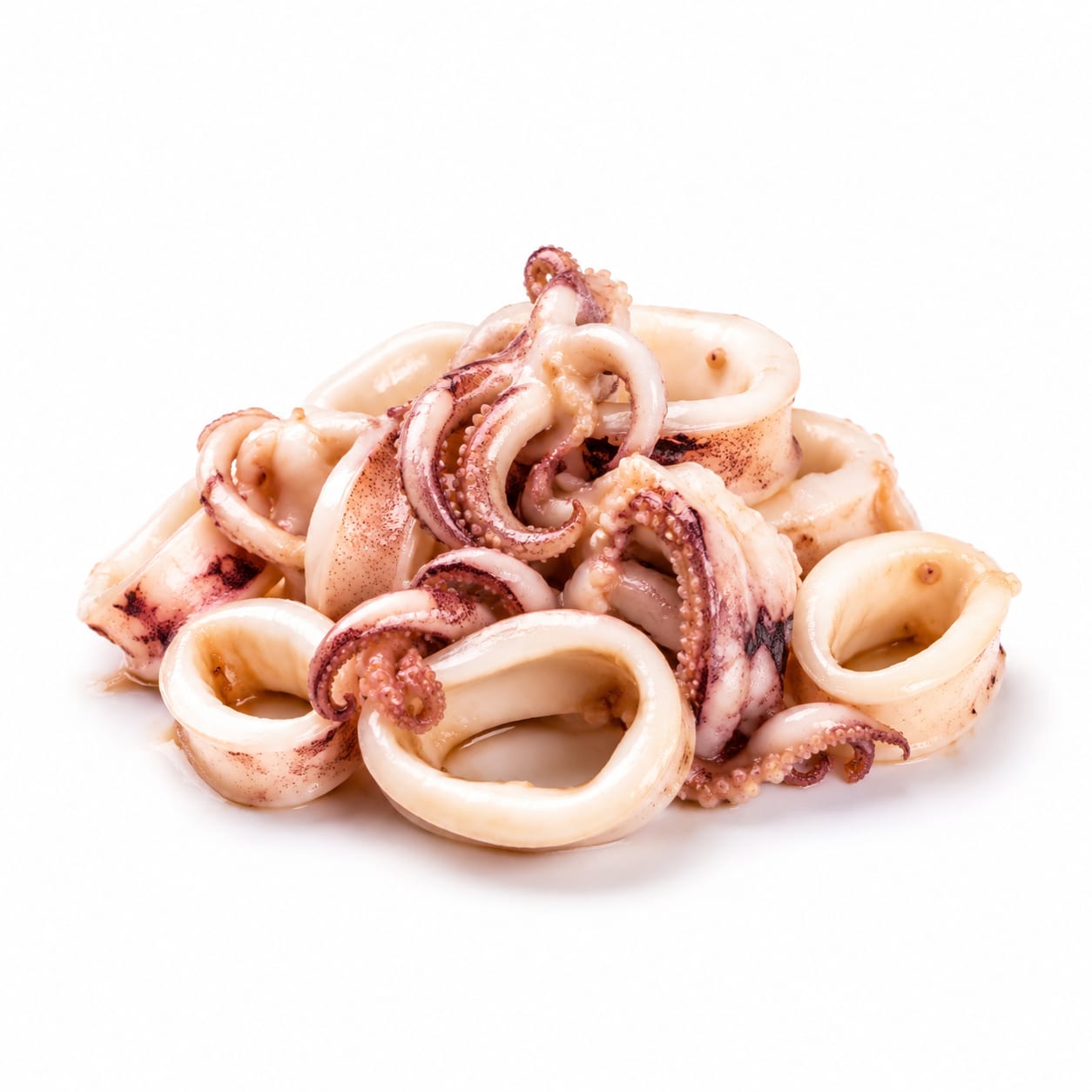
Squid
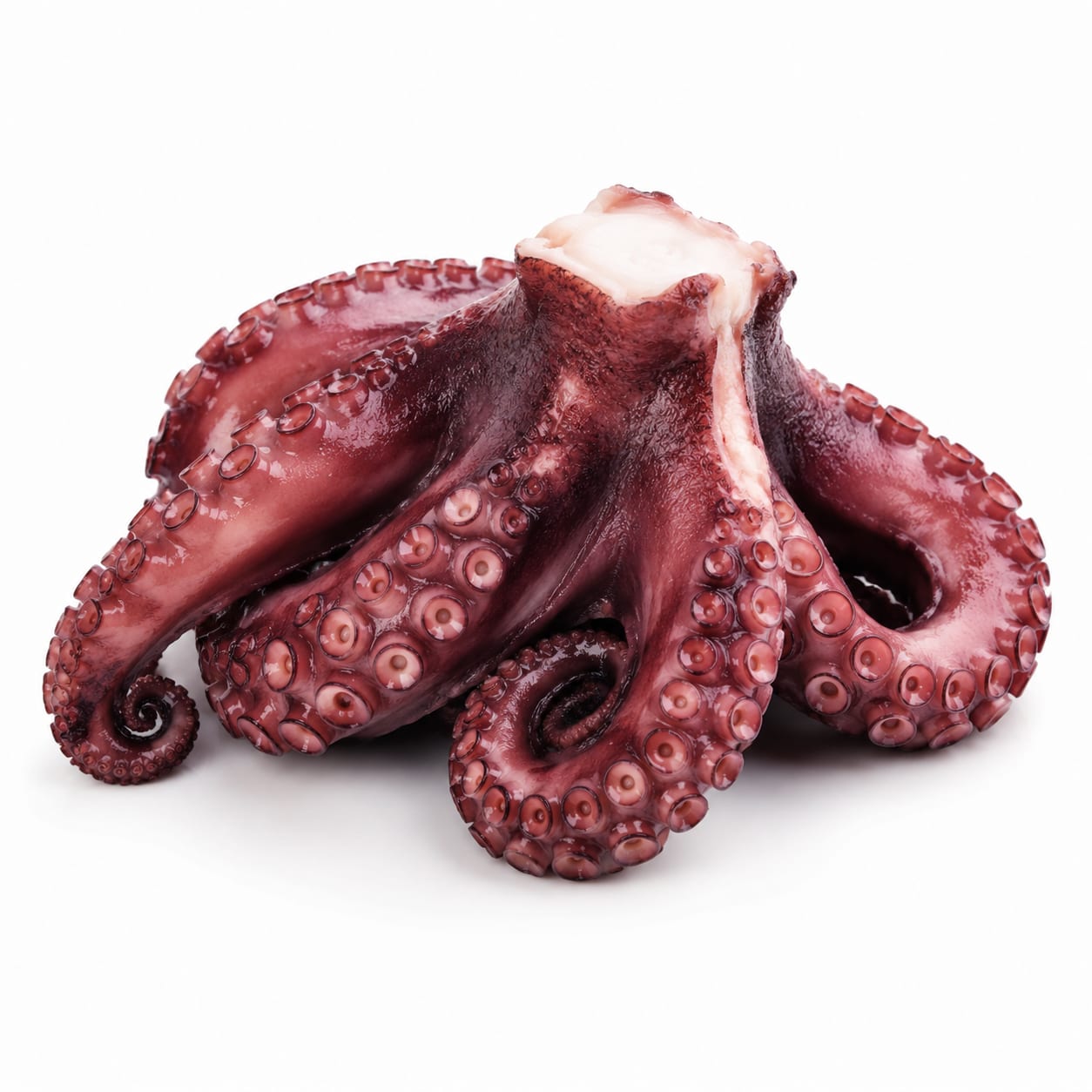
Octopus
Octopus edges ahead on iron, B12, and lower cholesterol, while Squid wins on calorie density and selenium content. Both are excellent lean proteins with different micronutrient strengths.
Octopus scores slightly higher due to superior iron and B12 content, lower cholesterol, and generally lower mercury levels. Squid remains competitive with fewer calories and higher selenium, but the micronutrient edge and safety profile favor Octopus for regular consumption.
Octopus delivers more iron and B12 for energy and blood health, but Squid offers fewer calories per serving and more selenium for immune support.
At a glance
Executive summary
Overall
It depends
Healthier
Octopus
More practical
Squid
Daily use
Octopus
Key comparison lenses
lean protein source selection
Both are high-protein, low-calorie seafood options often chosen by health-conscious eaters
mercury and contaminant safety
Cephalopods accumulate heavy metals differently, a key concern for regular consumers
micronutrient density comparison
Squid and Octopus have distinct vitamin and mineral profiles that influence real health outcomes
preparation and cooking practicality
Both require specific cooking techniques to avoid tough, chewy texture
sustainability and ethical sourcing
Cephalopod fishing practices vary widely and impact environmental footprint
Best choice for
Squid
- Calorie-counters wanting maximum protein with minimal calories
- Home cooks who want quick-cooking seafood
- People prioritizing selenium intake for thyroid and immune function
- Restaurant diners seeking widely available options
Octopus
- Women and athletes needing more iron
- Anyone with B12 deficiency concerns
- Those watching dietary cholesterol intake
- Mediterranean diet followers seeking traditional ingredients
Least suitable for
Squid
- People with high dietary cholesterol sensitivity
- Those concerned about higher mercury exposure
- Diners who dislike chewy textures when slightly overcooked
Octopus
- Impatient cooks — Octopus requires long slow cooking or tenderizing
- Budget-conscious shoppers — Octopus is typically more expensive
- Those who want quick weeknight protein options
Deep comparison
Dimension by dimension
Each lens scores both foods and breaks down who each option suits.
- Dimension 1 · Priority 95Octopus
Protein Quality and Density
Squid · 78Octopus · 85Both deliver excellent lean protein, but Octopus provides slightly more protein per serving with a more complete amino acid profile including higher taurine content.
Tradeoff
Squid is marginally lower in total protein but makes up for it with fewer accompanying calories, making its protein-to-calorie ratio very competitive.
Why it matters
For muscle maintenance and satiety, both work well. The taurine in Octopus supports cardiovascular function and exercise recovery more directly.
Real-world impact
After a workout, Octopus gives you slightly more usable protein and recovery-supporting amino acids. Squid still gets the job done with fewer total calories if you are cutting.
Squid
- Calorie-restricted diets where protein-per-calorie matters most
Better for
- Those needing maximum protein per serving rather than per calorie
Worse for
Octopus
- Post-workout recovery meals
- Older adults needing complete amino acid profiles for muscle preservation
Better for
- Strict calorie counters who want the lightest possible protein source
Worse for
- Dimension 2 · Priority 90Octopus
Micronutrient Profile
Squid · 72Octopus · 88Octopus dominates on iron and vitamin B12, while Squid leads on selenium and vitamin E. The iron difference is the most practically significant.
Tradeoff
Squid gives you more selenium for immune and thyroid support, but Octopus provides substantially more iron — critical for energy, especially in women.
Why it matters
Iron deficiency is the most common nutrient deficiency worldwide. Octopus delivers roughly 3-4 times more iron than Squid, making it a meaningfully better choice for anyone at risk.
Real-world impact
If you often feel tired or cold, Octopus could help more. If you are focused on immune resilience and thyroid health, Squid has the edge with selenium.
Squid
- Immune support through selenium
- Thyroid function optimization
Better for
- Women with heavy periods who need more dietary iron
Worse for
Octopus
- Combating fatigue from low iron
- B12 replenishment for vegetarians transitioning to seafood
- Pregnancy nutrition where iron and B12 are critical
Better for
- Those already meeting iron needs through supplements or other foods
Worse for
- Dimension 3 · Priority 85Octopus
Cholesterol and Heart Health
Squid · 62Octopus · 78Squid contains significantly more dietary cholesterol than Octopus, which matters for cholesterol-sensitive individuals despite mixed evidence on dietary cholesterol's impact.
Tradeoff
Squid's higher cholesterol may not affect blood cholesterol in most people, but for hyper-responders it is a real concern. Octopus provides a leaner lipid profile overall.
Why it matters
About 20-30% of people are cholesterol hyper-responders. For them, Squid's cholesterol content could meaningfully raise LDL levels.
Real-world impact
If your doctor has told you to watch dietary cholesterol, Octopus is the safer regular choice. If your cholesterol is normal, Squid is fine in moderation.
Squid
- People with normal cholesterol who are not hyper-responders
Better for
- Cholesterol-sensitive individuals who need to limit dietary intake
Worse for
Octopus
- Anyone with elevated LDL cholesterol
- Heart disease patients following cardiac diets
- Older adults managing cardiovascular risk
Better for
- No real downside here — Octopus has a cleaner lipid profile
Worse for
- Dimension 4 · Priority 88Octopus
Mercury and Contaminant Safety
Squid · 65Octopus · 75Octopus generally accumulates less mercury than Squid, though both are moderate compared to high-mercury fish like swordfish or king mackerel.
Tradeoff
Neither is a high-mercury seafood, but Squid tends to test higher, especially larger species. Octopus has shorter food chains in some species, reducing bioaccumulation.
Why it matters
For pregnant women, children, and frequent seafood eaters, even moderate mercury differences compound over time with regular consumption.
Real-world impact
Eating Squid a few times a month is fine for most people. For daily or near-daily seafood consumption, Octopus is the safer long-term bet.
Squid
- Occasional consumption where mercury accumulation is minimal
Better for
- Frequent consumers concerned about long-term heavy metal accumulation
Worse for
Octopus
- Pregnant women choosing safer seafood
- Children who eat seafood regularly
- Daily seafood eaters managing cumulative mercury exposure
Better for
- No significant safety disadvantage compared to Squid
Worse for
- Dimension 5 · Priority 82Squid
Calorie Density and Weight Management
Squid · 88Octopus · 76Squid is one of the lowest-calorie protein sources available, with roughly 75-90 calories per 100g raw compared to Octopus at roughly 80-100 calories — but preparation method matters enormously.
Tradeoff
Raw Squid has a slight calorie edge, but fried calamari destroys this advantage completely. Octopus is typically prepared with less added fat, preserving its lean profile.
Why it matters
The calorie difference is small in isolation but meaningful when Squid is prepared simply. However, the common fried preparation makes Squid a diet trap.
Real-world impact
Grilled or steamed Squid is an excellent weight-loss food. Fried calamari is a calorie bomb. Octopus is usually braised or grilled, making its real-world calorie count more predictable.
Squid
- Strict calorie counting with clean preparation methods
- Volume eaters who want more food for fewer calories
Better for
- Anyone ordering fried calamari thinking it is a healthy choice
Worse for
Octopus
- Realistic everyday cooking where Octopus preparations tend to stay lean
- Restaurant dining where Octopus is typically grilled rather than fried
Better for
- No real disadvantage — slightly more calories but more consistent preparation
Worse for
- Dimension 6 · Priority 78Squid
Cooking Practicality and Versatility
Squid · 82Octopus · 65Squid cooks in minutes and is widely available, while Octopus requires long braising or careful tenderizing and is harder to find fresh.
Tradeoff
Squid is weeknight-friendly and forgiving for home cooks. Octopus rewards patience with superior texture but demands more skill and time.
Why it matters
The best protein source is the one you actually cook. Octopus intimidation leads many people to skip it entirely, making Squid the more practical everyday choice.
Real-world impact
Squid can be sautéed in 2-3 minutes for a quick dinner. Octopus needs 45-90 minutes of braising first. For busy households, this difference is decisive.
Squid
- Weeknight meals when time is limited
- Home cooks new to preparing cephalopods
- Quick appetizers and stir-fries
Better for
- Those seeking the tender, melt-in-your-mouth texture that well-cooked Octopus provides
Worse for
Octopus
- Weekend cooking projects
- Mediterranean-style slow-cooked dishes
- Special occasion meals where texture matters more than speed
Better for
- Anyone who needs dinner on the table in 20 minutes
Worse for
Timeline
Health impact over time
Short-term
Hours to days
Squid
- Quick, light protein satisfaction without heaviness
- Risk of digestive discomfort if undercooked or overcooked
- Fried preparations cause sluggishness and energy crashes
Octopus
- Sustained satiety from denser protein content
- Steadier energy due to higher iron and B12 availability
- Tough texture if improperly cooked can make eating feel like a chore
Long-term
Months to years
Squid
- Excellent lean protein source supporting muscle maintenance
- Higher mercury accumulation risk with very frequent consumption
- Selenium supports long-term thyroid and immune health
- Dietary cholesterol may affect hyper-responders over years
Octopus
- Superior iron and B12 intake supports energy and cognitive function long-term
- Lower contaminant profile makes it safer for regular consumption
- Taurine content may support cardiovascular health over decades
- More sustainable choice depending on species and sourcing
Risk profile
Safety & processing
Both Squid and Octopus are typically sold as whole, minimally processed seafood. The main concern is frozen products with sodium-based preservatives or phosphates used to retain moisture. Fresh or frozen-without-additives versions of both are equally clean choices.
Squid
Mercury accumulation
mediumSquid typically contains moderate mercury levels, higher than Octopus but well below high-mercury species. Limit to 2-3 servings per week for sensitive populations.
Allergic reactions
mediumShellfish and mollusk allergies can include Squid. Reactions range from mild to anaphylactic. Cross-reactivity with other cephalopods is common.
Parasitic contamination
lowRaw or undercooked Squid can harbor nematodes. Freezing at -4°F for 7 days or proper cooking eliminates this risk.
Fried preparation health damage
highFried calamari transforms a lean protein into a high-calorie, inflammatory food. Trans fats, oxidized oils, and breading carbs negate the health benefits entirely.
Octopus
Mercury accumulation
lowOctopus generally tests lower for mercury than Squid. Still worth moderating intake during pregnancy, but safer for regular consumption.
Allergic reactions
mediumSame mollusk allergy concerns as Squid. Anyone with cephalopod or shellfish allergies should avoid Octopus.
Foodborne illness from improper cooking
lowOctopus is almost always cooked thoroughly due to its tough texture, making raw-parasite risk very low in practice.
Sodium from brining
mediumMany commercial Octopus products are brined or salted during processing, adding significant sodium. Check labels if watching salt intake.
Who wins for whom
Audience fit
Same foods, different winners depending on your goal.
children
OctopusLower mercury levels and higher iron content make Octopus the better choice for developing bodies. The iron is especially valuable for growing children.
daily consumption
OctopusLower mercury, lower cholesterol, and higher key micronutrients make Octopus the safer and more beneficial choice for regular daily intake.
diabetes
OctopusBoth are essentially zero-carb foods, but Octopus has a cleaner lipid profile and lower cholesterol, making it slightly better for cardiovascular diabetes management.
elderly
OctopusB12 and iron absorption become more critical with age. Octopus delivers more of both, and its lower cholesterol profile supports cardiovascular health in older adults.
muscle gain
OctopusOctopus provides more complete protein per serving with higher taurine content, supporting muscle recovery and cardiovascular adaptation to training.
weight loss
SquidSquid has slightly fewer calories per serving and cooks quickly with minimal added fat, making it easier to keep meals light — as long as you avoid frying.
Your move
Decision guide
Choose Squid
- You want the quickest cooking lean protein for busy weeknights
- Calorie density is your primary concern and you prepare it simply
- You need a widely available, affordable seafood option
- Selenium and immune support are your priority micronutrients
- You are meal-prepping seafood for the first time
Choose Octopus
- Iron and B12 are your top nutritional priorities
- You are pregnant or planning to be and want lower-mercury seafood
- You enjoy slow cooking and want superior tender texture
- Heart health and cholesterol management matter to you
- You eat seafood frequently and want the safest long-term option
Either works if
- You just need a lean protein source and both are available fresh
- You are following a Mediterranean diet and either fits your meal plan
- You rotate seafood types anyway to diversify nutrient intake
Avoid both if
- You have a diagnosed mollusk or shellfish allergy
- You cannot access reliably fresh or properly frozen products
- You only eat these fried — both become unhealthy when deep-fried
- You are on a strict sodium-restricted diet and cannot control preparation
Final recommendation
For most people, Octopus is the slightly better long-term choice due to its superior iron and B12 content, lower cholesterol, and safer mercury profile. However, Squid is the more practical everyday option — it cooks in minutes, costs less, and is easier to find. The best approach is rotating both: Octopus when you have time to braise and want maximum micronutrients, Squid when you need fast lean protein. Just never fry either of them if health is the goal.
Practical
Consumer tips
- 1
If buying frozen Squid or Octopus, check for added sodium phosphates or brining solutions — these add hidden sodium and change texture
- 2
Fresh Squid should smell like the ocean, not fishy — strong odor means it is past prime
- 3
For tender Octopus, freeze it first then slow-braise — the freeze-thaw cycle helps break down tough fibers
- 4
Squid cooks perfectly in 2-3 minutes over high heat or 30+ minutes low and slow — anything in between makes it rubbery
- 5
Avoid pre-breaded calamari rings — they are always fried and negate the health benefits of Squid entirely
- 6
Look for MSC-certified or sustainably sourced options for both — cephalopod fisheries vary widely in environmental impact
- 7
If mercury is a concern, choose smaller Squid species like calamari over larger varieties
- 8
Octopus from Portugal, Spain, or Greece often has better sustainability tracking than untracked imports