
Nutrition comparison
Squid vs Chicken Breast: Protein, Cholesterol, and Diet Comparison
Compare Squid and Chicken Breast to find the best lean protein for your diet. Discover the tradeoffs between cholesterol, calories, and meal-prep practicality.
Overall winner · Chicken Breast
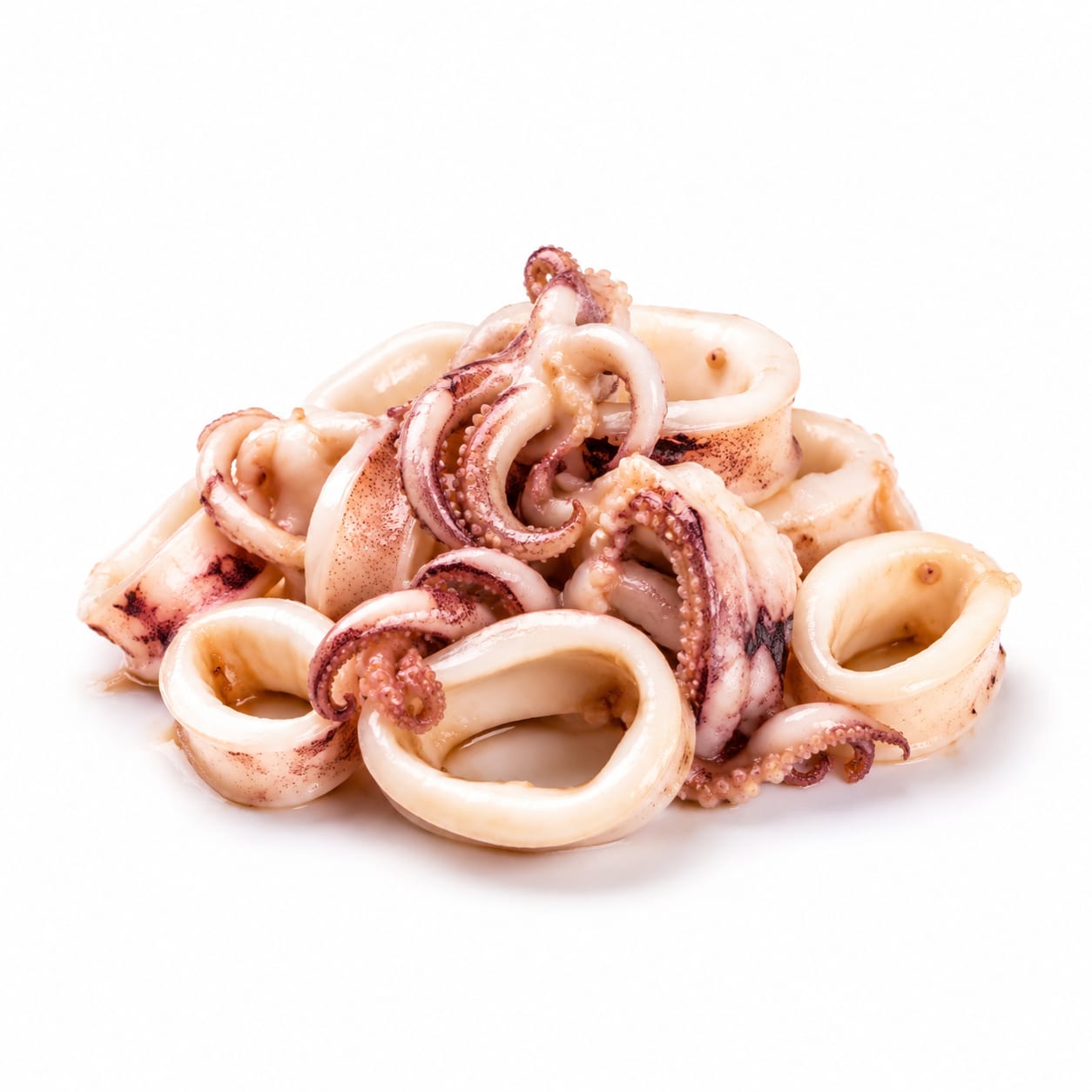
Squid
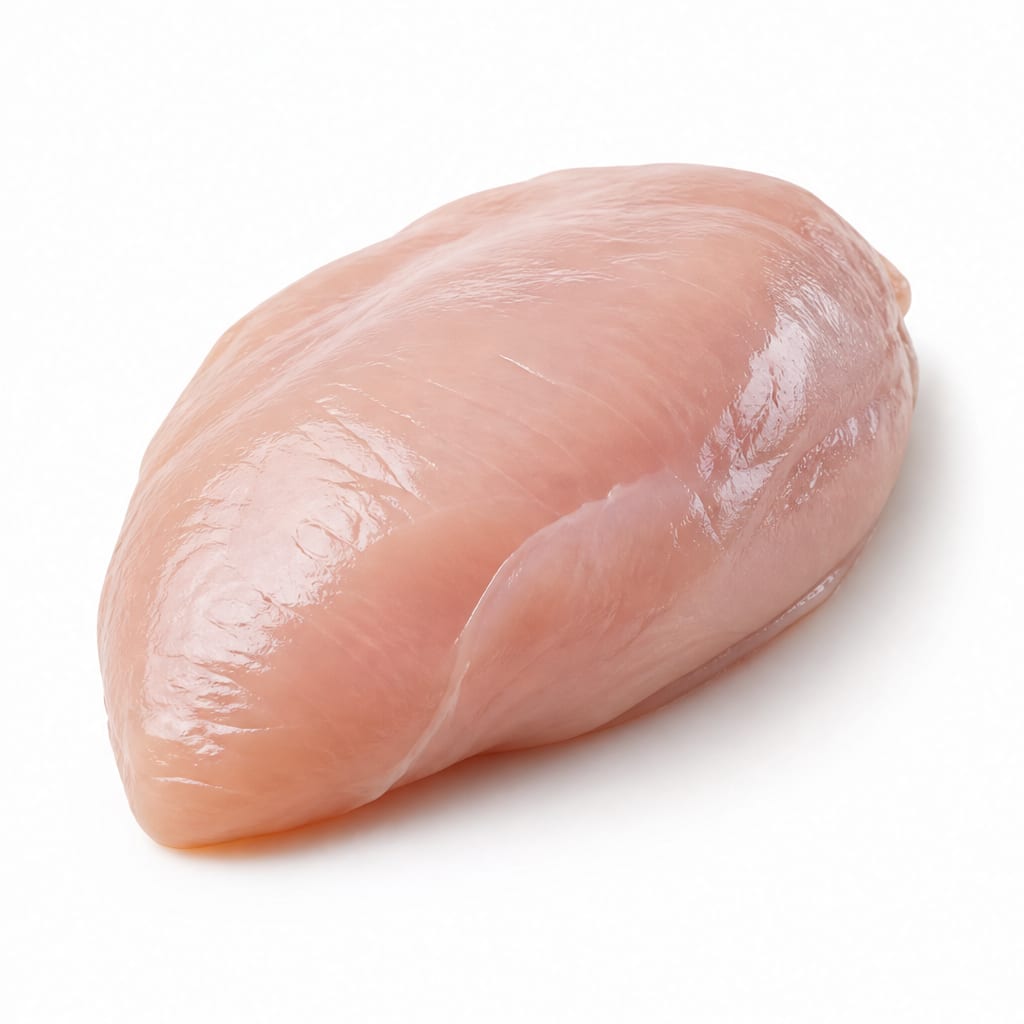
Chicken Breast
Chicken Breast wins for daily reliability, muscle building, and heart-health reassurance, but Squid is a fascinating low-calorie alternative if you watch your cholesterol.
Chicken Breast scores higher due to its unmatched practicality, higher protein per serving, and cleaner lipid profile. Squid remains a strong niche choice for low-calorie diets but loses points on cholesterol concerns and cooking difficulty.
You trade the ultra-low calories and unique marine minerals of Squid for the superior satiety, higher protein density, and meal-prep convenience of Chicken Breast.
At a glance
Executive summary
Overall
Chicken Breast
Healthier
Chicken Breast
More practical
Chicken Breast
Daily use
Chicken Breast
Key comparison lenses
lean protein source selection
Both are popular lean proteins, but they serve very different dietary roles due to calorie density and cholesterol content.
cholesterol impact vs saturated fat
Squid is famously high in dietary cholesterol, which often concerns users comparing it to the ultra-lean profile of Chicken Breast.
ocean vs land animal safety
Comparing seafood contaminants and allergens against poultry farming risks like antibiotics and salmonella.
meal prep practicality
Chicken Breast is a meal-prep staple, while Squid requires specific cooking techniques to avoid a rubbery texture.
Best choice for
Squid
- Strict calorie counters who want volume eating
- Pescatarians needing a mineral boost
- Those seeking dietary copper and B12
Chicken Breast
- Meal preppers needing reliable leftovers
- Bodybuilders maximizing protein intake
- Individuals managing blood cholesterol levels
Least suitable for
Squid
- People with severe shellfish allergies
- Those with hypercholesterolemia
- Beginners who struggle with cooking seafood
Chicken Breast
- Pescatarians and vegetarians
- Those bored with bland meal-prep diets
- People who dislike dry lean meats
Deep comparison
Dimension by dimension
Each lens scores both foods and breaks down who each option suits.
- Dimension 1 · Priority 95Chicken Breast
Protein Quality & Satiety
Squid · 70Chicken Breast · 95Chicken Breast keeps you full much longer and delivers more protein per bite.
Tradeoff
Squid provides solid protein but digests quickly, leaving you hungry sooner than Chicken Breast.
Why it matters
Staying full between meals prevents snacking and makes sticking to a diet easier.
Real-world impact
A Chicken Breast lunch carries you easily to dinner. A Squid lunch might leave you scavenging for a snack by 3 PM.
Squid
- Light eaters who prefer smaller meals
Better for
- Those who need long-lasting hunger control
Worse for
Chicken Breast
- Athletes needing sustained amino acids
- Anyone trying to lose weight without feeling deprived
Better for
- People wanting a light meal before a workout
Worse for
- Dimension 2 · Priority 90Squid
Calorie Efficiency
Squid · 98Chicken Breast · 85Squid is incredibly low in calories, making it a dream for volume eaters.
Tradeoff
You get more food volume for fewer calories with Squid, but you sacrifice the sustained energy that Chicken Breast provides.
Why it matters
If you love eating large portions, low-calorie density is a powerful tool for weight loss.
Real-world impact
You can eat a massive plate of grilled Squid for the same calories as a modest Chicken Breast fillet.
Squid
- Volume eaters cutting calories
- People who like large portion sizes
Better for
- Active individuals needing calorie surplus
Worse for
Chicken Breast
- Those who prioritize energy density over volume
Better for
- Strict calorie counters who feel restricted
Worse for
- Dimension 3 · Priority 88Chicken Breast
Heart Health & Lipids
Squid · 60Chicken Breast · 90Chicken Breast is lean and heart-friendly, while Squid carries a heavy cholesterol load.
Tradeoff
Squid is very low in saturated fat but extremely high in dietary cholesterol, which can spike blood lipids in sensitive individuals.
Why it matters
If you have a family history of high cholesterol, dietary cholesterol can be a hidden risk factor.
Real-world impact
Eating Squid regularly might raise your LDL numbers at your next doctor visit, whereas Chicken Breast poses virtually no lipid risk.
Squid
- People whose lipid panels are insensitive to dietary cholesterol
Better for
- Hyper-responders to dietary cholesterol
Worse for
Chicken Breast
- Anyone actively managing high cholesterol
- People prioritizing cardiovascular safety
Better for
- Those who overcook it in unhealthy oils, negating its natural leanness
Worse for
- Dimension 4 · Priority 75It depends
Micronutrient Diversity
Squid · 85Chicken Breast · 80Squid brings unique marine minerals like copper and B12, while Chicken Breast excels in B-vitamins like niacin and B6.
Tradeoff
Choosing Squid gives you nutrients rare in land meats, but Chicken Breast offers superior B-vitamins for energy metabolism.
Why it matters
Dietary diversity prevents nutrient gaps that cause fatigue and immune dips.
Real-world impact
Squid supports iron absorption and nervous system function, while Chicken Breast helps convert food into steady cellular energy.
Squid
- Those needing a B12 boost
- People low in dietary copper and selenium
Better for
- Those avoiding excess iodine or marine minerals
Worse for
Chicken Breast
- Individuals needing energy-producing B-vitamins
- Those who do not eat seafood
Better for
- Those relying solely on land animals for trace minerals
Worse for
- Dimension 5 · Priority 80Chicken Breast
Cooking Practicality & Versatility
Squid · 45Chicken Breast · 92Chicken Breast is forgiving and meal-prep friendly; Squid turns rubbery easily and is often ruined by unhealthy frying.
Tradeoff
Squid requires precise cooking times, while Chicken Breast tolerates a wide range of preparations without ruining texture.
Why it matters
If a food is hard to cook well, you are less likely to make it at home and might default to unhealthy restaurant versions.
Real-world impact
Overcook Chicken Breast by a few minutes and it is just a bit dry. Overcook Squid by one minute and it becomes a chewy eraser.
Squid
- Experienced home cooks comfortable with seafood
- Quick high-heat stir-fry or grilling sessions
Better for
- Meal preppers who reheat food over several days
Worse for
Chicken Breast
- Batch cooking for the workweek
- Beginner cooks needing foolproof protein
Better for
- Those seeking delicate, gourmet seafood textures
Worse for
Timeline
Health impact over time
Short-term
Hours to days
Squid
- Quick digestion may lead to early hunger return
- Provides a light, non-sluggish feeling after eating
Chicken Breast
- Strong feeling of fullness that lasts for hours
- Steady energy without digestive heaviness
Long-term
Months to years
Squid
- Potential increase in blood cholesterol for sensitive individuals if consumed frequently
- Excellent mineral intake for nerve and immune health
Chicken Breast
- Reliable lean muscle maintenance and metabolic support
- Consistent cardiovascular safety due to low fat and cholesterol
Risk profile
Safety & processing
Both Squid and Chicken Breast are whole, minimally processed proteins when purchased raw. The real risk comes from how they are prepared—Squid is heavily associated with deep-frying and heavy batters, while Chicken Breast is often injected with sodium broth in commercial packaging.
Squid
Shellfish allergy
highSquid is a mollusk and can trigger severe, life-threatening allergic reactions in sensitive individuals.
Ocean contaminants and microplastics
mediumAs a marine predator, Squid can accumulate heavy metals and microplastics, though generally less than large fish like tuna.
Chicken Breast
Salmonella and bacterial contamination
mediumRaw Chicken Breast requires strict kitchen hygiene to prevent cross-contamination and foodborne illness.
Antibiotic residues
lowConventional poultry farming may use antibiotics, though regulations have tightened. Opting for organic reduces this risk.
Who wins for whom
Audience fit
Same foods, different winners depending on your goal.
children
Chicken BreastChicken Breast is hypoallergenic, safer regarding choking hazards, and much easier for kids to chew than potentially rubbery Squid.
daily consumption
Chicken BreastChicken Breast has a cleaner lipid profile, fewer contamination concerns, and is far easier to incorporate into a daily meal-prep routine.
diabetes
Chicken BreastBoth have zero carbs, but Chicken Breast provides steadier, longer-lasting satiety which helps prevent the blood sugar dips that trigger cravings.
elderly
Chicken BreastChicken Breast is easier to chew, gentler on the digestive system, and provides B-vitamins crucial for aging metabolisms without the cholesterol load.
muscle gain
Chicken BreastChicken Breast provides more protein per serving and keeps you satiated longer, which is crucial for maintaining a caloric surplus and repairing muscle.
weight loss
SquidSquid offers unmatched calorie efficiency, allowing for larger portions, provided it is not fried and your cholesterol levels are healthy.
Your move
Decision guide
Choose Squid
- You are strictly counting calories and want maximum food volume
- You have no cholesterol concerns and want marine-sourced minerals
- You are an experienced cook making a quick, high-heat dish
Choose Chicken Breast
- You meal prep and need reliable, reheatable leftovers
- You are focused on building muscle or managing your cholesterol
- You want a foolproof, lean protein that keeps you full for hours
Either works if
- You just need a zero-carb, lean protein for a salad
- You are mixing proteins throughout the week for dietary diversity
Avoid both if
- You are following a strict plant-based or vegan diet
- You have severe protein restrictions due to kidney issues
Final recommendation
Make Chicken Breast your daily protein workhorse for satiety and heart health, but keep Squid in your rotation for low-calorie variety and a mineral boost—just skip the deep fryer and watch your portions if cholesterol is a concern.
Practical
Consumer tips
- 1
If you buy Chicken Breast, check the label for added sodium broth which ruins its naturally low sodium profile.
- 2
Cook Squid for either 2 minutes or 45 minutes—anything in between turns it into rubber.
- 3
If you are worried about Squid cholesterol, balance it with fiber-rich vegetables to help reduce absorption.
- 4
Grill or sauté Squid with garlic and lemon instead of frying to keep its calorie advantage intact.