
Nutrition comparison
Squid vs Cod: Which Lean Seafood Is Healthier for You?
Compare squid and cod nutrition including protein, cholesterol, mercury, and minerals. Find out which seafood fits your health goals and when to choose each.
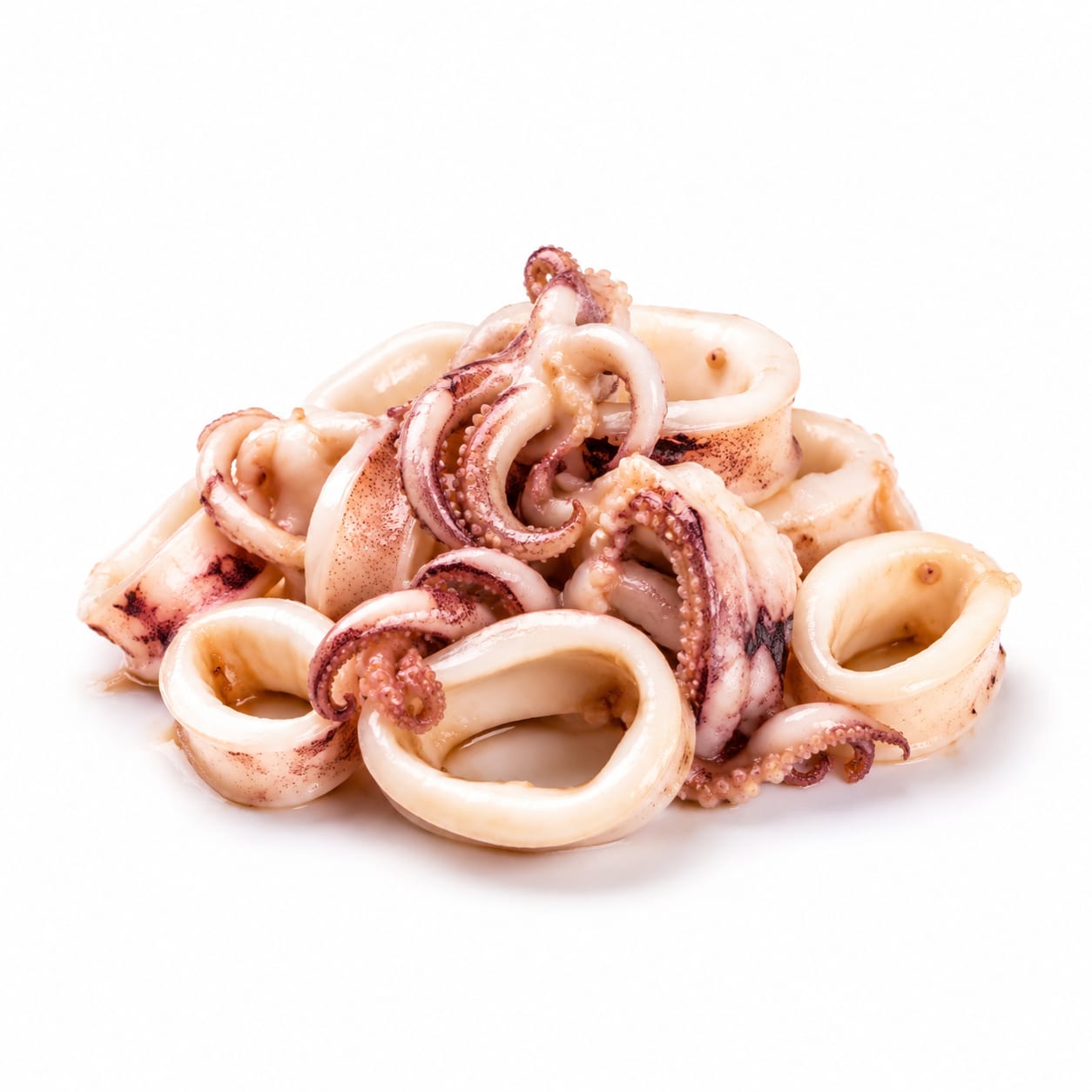
Squid
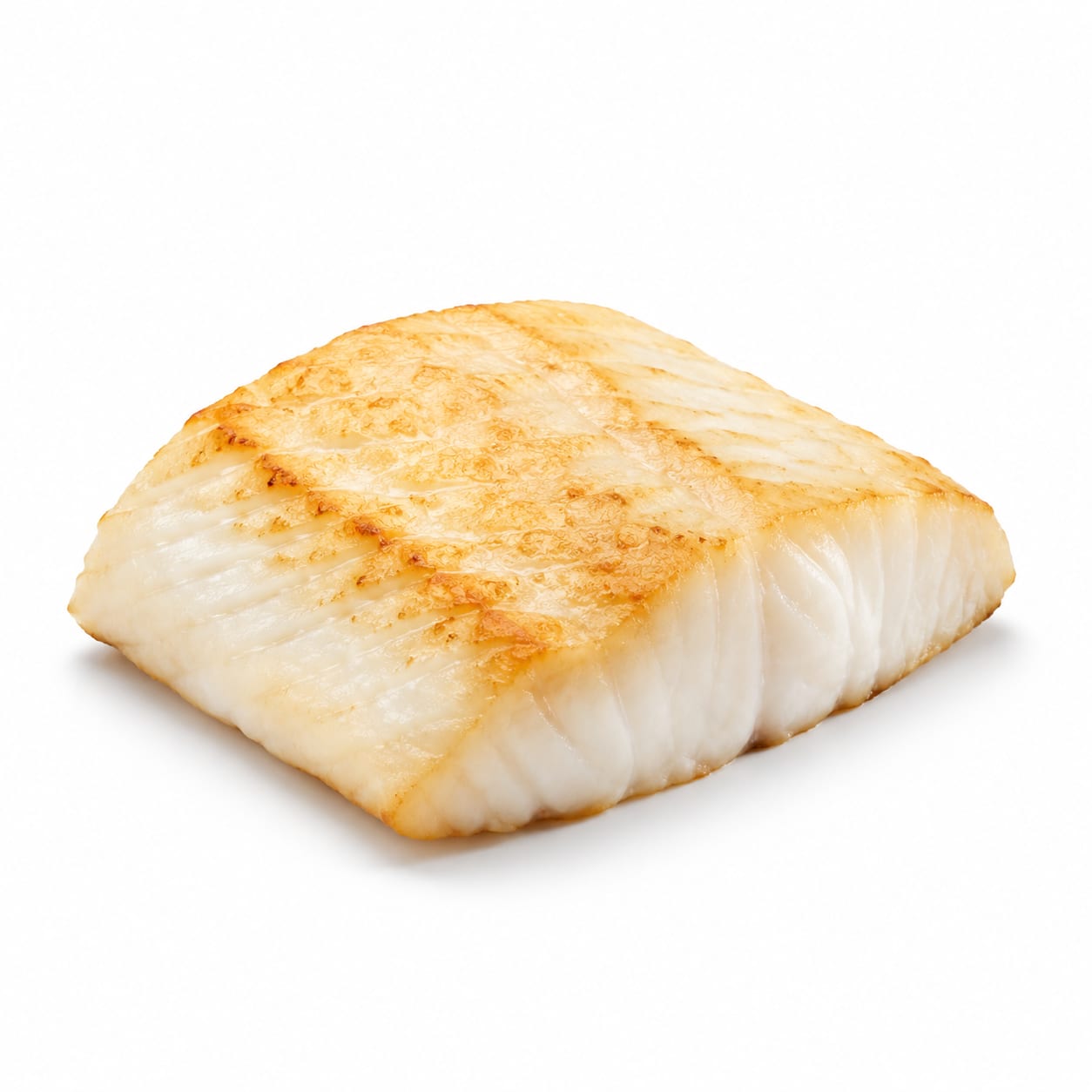
Cod
Squid delivers more minerals and protein per bite but carries a cholesterol load; cod is the safer everyday lean protein with broader accessibility.
Cod edges ahead due to lower cholesterol, broader safety profile, and everyday practicality. Squid scores well on mineral density and protein but its cholesterol content and preparation barriers hold it back for regular use.
Squid wins on micronutrient density and satiety, while cod wins on heart-friendly cholesterol levels and everyday convenience.
At a glance
Executive summary
Overall
It depends
Healthier
Cod
More practical
Cod
Daily use
Cod
Key comparison lenses
lean protein source selection
Both are low-calorie, high-protein seafood options commonly compared for clean eating diets
cholesterol and heart health concerns
Squid is notably high in cholesterol while cod is very low, a key differentiator for cardiovascular decisions
mercury and contamination safety
Seafood safety is a primary consumer worry when choosing between different ocean proteins
mineral density and micronutrient value
Squid offers significantly more iron, zinc, and copper while cod provides more iodine and selenium
everyday meal versatility and accessibility
Cod is widely available and familiar; squid requires more preparation confidence and may feel intimidating
Best choice for
Squid
- iron-deficient individuals needing a mineral boost
- athletes seeking higher protein density per calorie
- people wanting more satisfying meals that reduce snacking
- those bored with plain white fish and wanting bolder textures
Cod
- anyone monitoring cholesterol or heart health
- families wanting a mild, kid-friendly fish
- people new to cooking seafood who need foolproof options
- those eating fish multiple times per week who need a low-contaminant staple
Least suitable for
Squid
- people with high cholesterol following medical advice to limit dietary cholesterol
- those uncomfortable with preparing or eating unfamiliar seafood textures
- anyone prone to gout flares due to purine content
Cod
- those needing iron or zinc supplementation from food sources
- people finding white fish too bland to enjoy consistently
- anyone seeking high satiety who finds lean white fish unsatisfying alone
Deep comparison
Dimension by dimension
Each lens scores both foods and breaks down who each option suits.
- Dimension 1 · Priority 92Squid
protein quality and density
Squid · 88Cod · 80Squid packs more protein per calorie, making it slightly more efficient for muscle maintenance and satiety.
Tradeoff
Squid provides denser protein but comes with significantly more cholesterol per serving.
Why it matters
Higher protein density means you feel fuller with fewer calories, which helps with portion control and weight management.
Real-world impact
A squid serving leaves you more satisfied after dinner than an equivalent calorie portion of cod, reducing late-night snacking urges.
Squid
- post-workout meals where protein efficiency matters
- anyone tracking calories while maintaining muscle
Better for
- any meal where cholesterol intake is already high from other foods
Worse for
Cod
- meals where you want lighter protein without cholesterol concerns
- older adults needing gentle, easy-to-digest protein
Better for
- athletes in caloric deficit needing maximum protein per bite
Worse for
- Dimension 2 · Priority 90Cod
cholesterol and heart health impact
Squid · 45Cod · 95Cod is extremely low in cholesterol while squid contains roughly 6-7 times more per serving.
Tradeoff
Squid offers great nutrients but its cholesterol load is a legitimate concern for heart-conscious eaters.
Why it matters
For anyone with elevated LDL or family history of heart disease, dietary cholesterol choices compound over decades.
Real-world impact
Eating squid several times a week could meaningfully increase your daily cholesterol intake, while cod keeps that number negligible.
Squid
- healthy individuals with normal cholesterol who eat squid occasionally
Better for
- regular consumption for anyone already struggling with lipid panels
Worse for
Cod
- anyone with diagnosed high cholesterol
- people with family history of cardiovascular disease
- those eating seafood daily who need a heart-safe default option
Better for
- no real downside here; cod is genuinely heart-friendly
Worse for
- Dimension 3 · Priority 85Squid
mineral and micronutrient density
Squid · 90Cod · 68Squid is a standout source of iron, zinc, copper, and B12, while cod offers more iodine and selenium.
Tradeoff
Squid provides minerals many people lack, but cod delivers iodine which is equally critical for thyroid function.
Why it matters
Iron and zinc deficiencies are common, especially in women and plant-forward eaters. Squid helps close those gaps efficiently.
Real-world impact
Adding squid once a week can noticeably boost iron intake, potentially improving energy levels and reducing fatigue over time.
Squid
- women with low iron stores
- anyone recovering from illness needing zinc for immune support
Better for
- people with hemochromatosis or iron overload conditions
Worse for
Cod
- people with thyroid concerns needing reliable iodine
- those who get enough iron from other sources already
Better for
- those relying on seafood as a primary iron source
Worse for
- Dimension 4 · Priority 80Cod
mercury and contamination safety
Squid · 72Cod · 82Both are relatively low-mercury choices, but cod generally tests slightly lower and has more consistent sourcing data.
Tradeoff
Squid's shorter lifespan limits mercury accumulation but coastal contamination and microplastic exposure vary more by region.
Why it matters
If you eat seafood multiple times weekly, cumulative contaminant exposure matters more than any single meal.
Real-world impact
Cod is a safer bet for pregnant women and children who need reliable low-mercury protein without researching specific sourcing.
Squid
- occasional eaters who verify their squid comes from clean waters
Better for
- frequent consumption without knowing the harvest region
Worse for
Cod
- pregnant women and children needing guaranteed low mercury
- anyone eating fish 4+ times per week
Better for
- no significant concern; cod is consistently low-mercury
Worse for
- Dimension 5 · Priority 75Cod
everyday practicality and cooking ease
Squid · 55Cod · 88Cod is forgiving to cook, widely available, and universally accepted. Squid requires technique and can turn rubbery if overcooked.
Tradeoff
Squid rewards confident cooks with unique texture and flavor, but cod delivers reliable results for everyone.
Why it matters
The best healthy food is the one you actually prepare consistently. Difficulty and intimidation reduce real-world adherence.
Real-world impact
Cod can be baked, pan-fried, or steamed with minimal skill. Squid demands attention to timing or you end up chewing rubber.
Squid
- experienced home cooks wanting culinary variety
- restaurants and experienced meal preppers
Better for
- quick weeknight meals when you lack prep time
- households where nobody feels confident cooking squid
Worse for
Cod
- busy weeknight dinners requiring foolproof protein
- beginners learning to cook seafood
- parents cooking for picky eaters
Better for
- adventurous eaters who find plain white fish boring
Worse for
- Dimension 6 · Priority 72Squid
satiety and meal satisfaction
Squid · 80Cod · 68Squid's denser protein and chewier texture promote greater fullness compared to cod's flaky lightness.
Tradeoff
Squid keeps you fuller but requires more careful meal pairing since it is often served in smaller portions.
Why it matters
Meals that actually satisfy you prevent the grazing and snacking that derail healthy eating intentions.
Real-world impact
A squid stir-fry at lunch tends to carry you to dinner without afternoon cravings. Cod may leave you hunting for a snack by 3pm.
Squid
- lunch meals where afternoon satiety matters
- anyone trying to reduce between-meal snacking
Better for
- meals right before intense exercise when you want something light
Worse for
Cod
- light dinners when you want to sleep comfortably
- hot days when heavy meals feel unappealing
Better for
- long workdays where you need lasting energy from your meal
Worse for
Timeline
Health impact over time
Short-term
Hours to days
Squid
- High protein content supports steady energy without blood sugar spikes
- Chewy texture slows eating pace, which aids digestion and fullness signals
- Can cause digestive discomfort if undercooked or if you have shellfish sensitivity
Cod
- Very light on the stomach, easy to digest even with sensitive digestion
- Low calorie density means you may feel hungry sooner if portions are small
- Mild flavor rarely triggers aversion or nausea
Long-term
Months to years
Squid
- Regular consumption may impact cholesterol levels depending on your overall diet and genetics
- Excellent mineral intake supports immune function and oxygen transport long-term
- Purine content could contribute to gout risk in susceptible individuals if eaten frequently
Cod
- Consistent low-cholesterol protein supports cardiovascular health over decades
- Iodine content helps maintain thyroid function with regular consumption
- Very low caloric density supports sustainable weight management when paired with vegetables and whole grains
Risk profile
Safety & processing
Both squid and cod are typically sold as whole, minimally processed seafood. The main concern is frozen products with added sodium tripolyphosphate as a moisture retainer, which is more common in commercial cod fillets. Fresh or properly frozen versions of either are clean whole-food choices.
Squid
allergic reactions
mediumShellfish allergies can be severe and sometimes develop suddenly in adulthood. Squid is a mollusk, distinct from finfish allergies, but cross-reactivity exists.
parasitic contamination
lowRaw or undercooked squid can carry nematodes. Freezing at -4°F for 7 days or cooking thoroughly eliminates this risk.
microplastic exposure
mediumSquid from heavily trafficked coastal waters may accumulate microplastics. Sourcing from cleaner waters reduces this concern significantly.
Cod
parasitic worms
lowCod can carry cod worms (anisakis). Commercial freezing protocols kill parasites, and thorough cooking eliminates risk entirely.
overfishing and sustainability fraud
mediumAtlantic cod populations are under pressure. Some labeling fraud substitutes cheaper species. Choose MSC-certified cod for verified sourcing.
sodium in processed forms
lowSalt cod (bacalao) is extremely high in sodium. Fresh or plain frozen cod is naturally low in sodium.
Who wins for whom
Audience fit
Same foods, different winners depending on your goal.
children
CodCod's mild flavor, flaky texture, and low contaminant profile make it the safer and more kid-accessible option.
daily consumption
CodCod's lower cholesterol, consistent safety profile, and cooking ease make it a better daily staple. Squid is better as a 1-2 times per week rotational protein.
diabetes
CodBoth have zero carbs and minimal glycemic impact, but cod's lower cholesterol makes it a safer regular protein for diabetics who often have concurrent cardiovascular risk.
elderly
CodCod is easier to chew and digest, lower in cholesterol for aging hearts, and provides iodine for thyroid health common in older adults.
muscle gain
SquidSquid provides more protein per calorie and higher zinc, which supports testosterone production and muscle recovery.
weight loss
CodCod's extremely low calorie density and high satiety-to-calorie ratio make it easier to maintain a deficit without feeling deprived.
Your move
Decision guide
Choose Squid
- You want to boost iron and zinc intake through food rather than supplements
- You are a confident cook who enjoys preparing diverse seafood dishes
- You have healthy cholesterol levels and want more nutrient-dense protein
- You eat seafood 1-2 times per week and want maximum mineral value per meal
Choose Cod
- You are watching your cholesterol or have a family history of heart disease
- You need a reliable, easy-to-cook protein for busy weeknights
- You are pregnant, feeding children, or eating seafood very frequently
- You want a mild fish that pairs with any cuisine or flavor profile
Either works if
- You are a healthy adult eating seafood a couple times per week
- You want lean protein and both options fit your meal plan
- You rotate protein sources regularly and neither would dominate your diet
Avoid both if
- You have a seafood allergy of any kind
- You are following a strict vegan or plant-based diet
- You lack access to reliably sourced seafood and suspect quality issues
Final recommendation
Make cod your default lean seafood for its heart-friendly profile and everyday ease. Add squid once or twice a week as a mineral-rich upgrade, especially if you need more iron and zinc. This rotation gives you the best of both: cod's safety and consistency with squid's nutritional intensity.
Practical
Consumer tips
- 1
Buy frozen squid tubes for easier prep if cleaning whole squid feels intimidating
- 2
Quick-cook squid over high heat for 2 minutes or slow-cook for 30+ minutes to avoid the rubbery middle zone
- 3
Choose MSC-certified cod to ensure sustainable sourcing and species authenticity
- 4
Check frozen cod labels for added sodium tripolyphosphate and opt for brands without it
- 5
Marinate squid in lemon juice or kiwi to help tenderize before cooking
- 6
If cholesterol is a concern, pair squid with soluble fiber from oats or beans to help offset absorption
- 7
Both freeze well, so buy in bulk when quality is good and portion into single-meal bags