
Nutrition comparison
Squid vs Scallops: Nutrition, Taste, and Health Comparison
Comparing Squid and Scallops? Discover the nutritional differences, protein content, and health benefits to decide which lean seafood is best for your diet.
Overall winner · Scallops
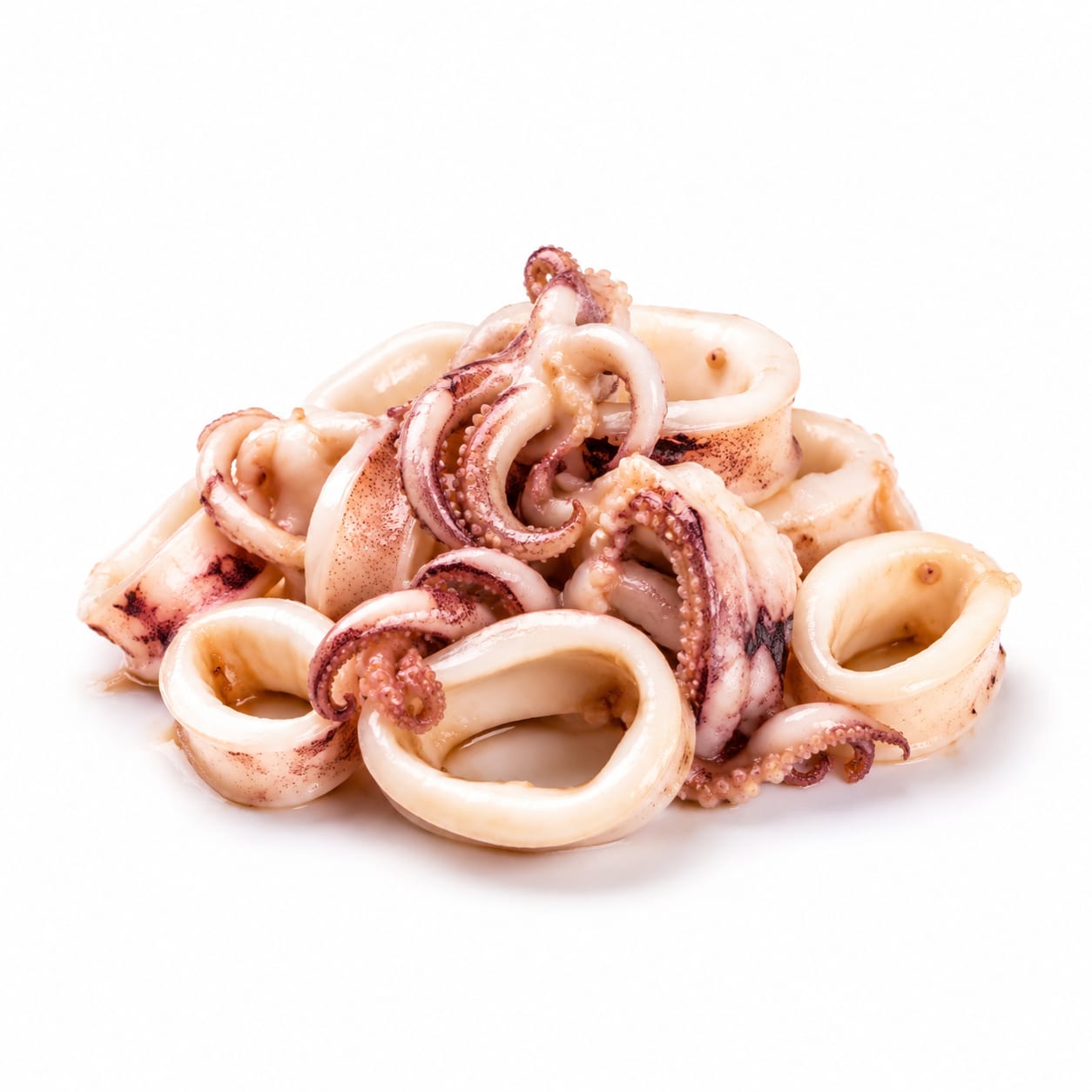
Squid
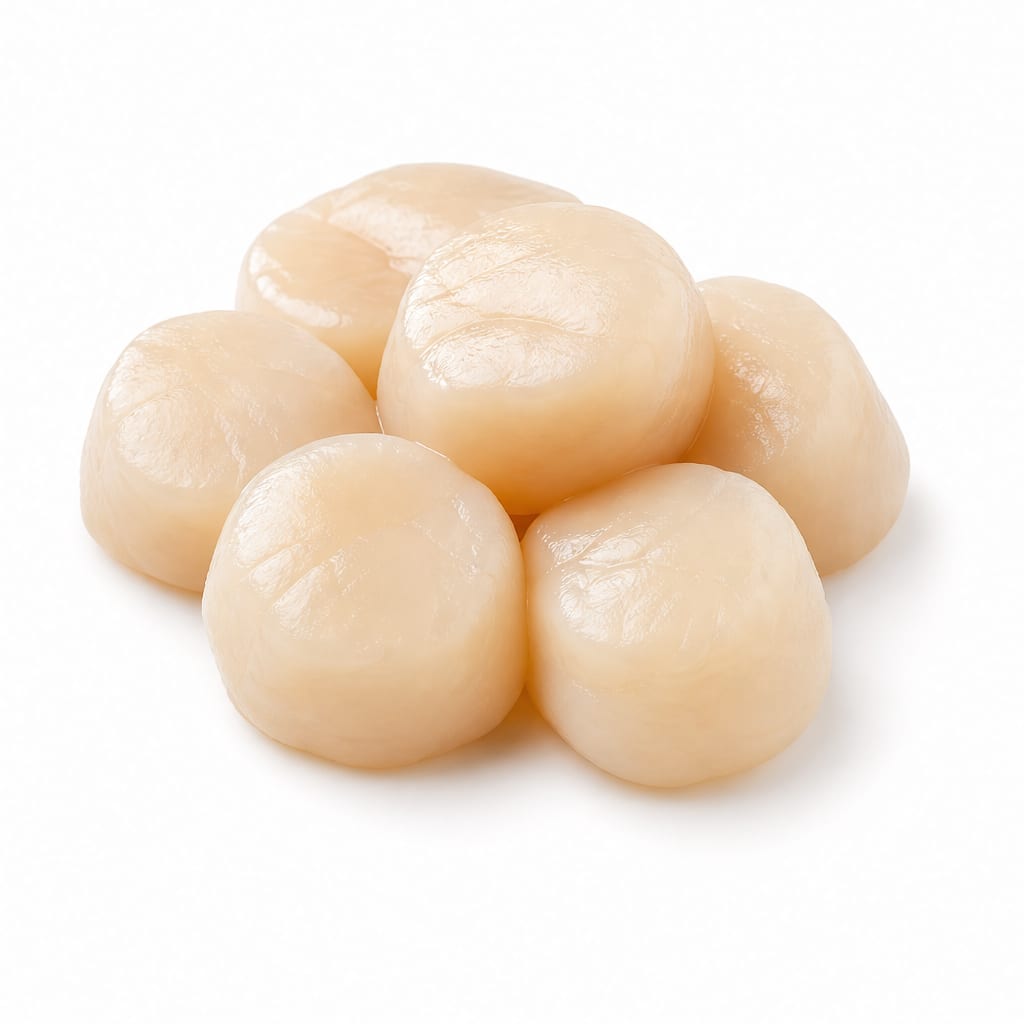
Scallops
Scallops offer a more tender bite and a superior vitamin profile, while Squid delivers unmatched protein-per-calorie value if you skip the deep fryer.
Scallops win overall due to a better micronutrient profile, lower cholesterol, and easier cooking, though Squid remains an excellent budget-friendly lean protein.
Squid is the ultimate lean protein but can be chewy and higher in cholesterol, whereas Scallops are richer in B12 and easier to cook right but cost significantly more.
At a glance
Executive summary
Overall
Scallops
Healthier
Scallops
More practical
Scallops
Daily use
Scallops
Key comparison lenses
Protein-to-calorie ratio for lean dieting
Squid is exceptionally low in calories while packing high protein, making it a classic cutting food, whereas Scallops are slightly richer but still very lean.
Cholesterol and heart health impact
Squid is notoriously high in dietary cholesterol, which concerns some users, while Scallops are much lower and offer heart-friendlier fats.
Culinary texture and cooking forgiveness
Squid turns rubbery quickly if overcooked, demanding precision, while Scallops are naturally tender and sear beautifully with less effort.
Micronutrient density for energy and recovery
Scallops are loaded with B12 and magnesium, which are crucial for energy and muscle function, outshining Squid's mineral profile.
Best choice for
Squid
- Strict calorie counters
- High-protein dieters on a budget
- Quick stir-fries and grilled skewers
Scallops
- Those needing a B12 and magnesium boost
- People wanting a tender, foolproof seafood texture
- Elegant dinner preparations
Least suitable for
Squid
- People strictly limiting dietary cholesterol
- Those who dislike chewy or rubbery textures
- Diners who only encounter it deep-fried
Scallops
- Budget-conscious weekly meal preppers
- Those with severe shellfish allergies
- People looking for very low-calorie volume eating
Deep comparison
Dimension by dimension
Each lens scores both foods and breaks down who each option suits.
- Dimension 1 · Priority 92Squid
Protein & Calorie Efficiency
Squid · 95Scallops · 85Squid provides more protein per calorie than almost any other seafood, making it a dieter's dream.
Tradeoff
You get extreme leanness with Squid, but the lower fat content means less natural richness and satiety compared to Scallops.
Why it matters
When cutting calories, volume and protein density help you stay full without overshooting your daily limit.
Real-world impact
A large plate of grilled Squid satisfies protein needs for under 150 calories, while Scallops deliver the same protein for roughly 100 calories more.
Squid
- Strict calorie deficits
- Pre-contest bodybuilders
- Volume eaters
Better for
- Those who find lean meats unsatisfying
Worse for
Scallops
- Those who prefer smaller, richer portions
- Satiety-focused eaters
Better for
- Very low-calorie diet phases
Worse for
- Dimension 2 · Priority 80Scallops
Micronutrient Density
Squid · 70Scallops · 92Scallops are a powerhouse of vitamin B12, magnesium, and phosphorus, easily outmatching Squid's mineral profile.
Tradeoff
Scallops cost more but deliver significantly more nervous system and energy-supporting nutrients per bite.
Why it matters
B12 and magnesium are common deficiencies that affect energy levels, sleep, and muscle recovery.
Real-world impact
Eating Scallops can help clear brain fog and support post-workout recovery better than Squid, which offers less of these crucial vitamins.
Squid
- Selenium and zinc needs
Better for
- Those with B12 deficiency
Worse for
Scallops
- Energy and fatigue management
- Nervous system support
- Muscle cramp prevention
Better for
- Budget-limited diets
Worse for
- Dimension 3 · Priority 85Scallops
Heart Health & Cholesterol
Squid · 60Scallops · 88Scallops are low in cholesterol and rich in omega-3s, while Squid contains very high dietary cholesterol.
Tradeoff
Squid's cholesterol doesn't affect everyone's blood levels, but for hyper-responders, it's a risky choice compared to the heart-friendly Scallops.
Why it matters
Cardiovascular risk is heavily influenced by the type of fats and cholesterol you consume regularly.
Real-world impact
If you have high blood cholesterol, a plate of Scallops is a safe, heart-healthy treat, whereas a large Squid serving might spike your levels.
Squid
- Healthy individuals without cholesterol issues
Better for
- Hyper-responders to dietary cholesterol
Worse for
Scallops
- People monitoring heart health
- Those with high blood cholesterol
- Older adults managing lipid profiles
Better for
- Dimension 4 · Priority 75Scallops
Culinary Practicality & Texture
Squid · 60Scallops · 90Scallops are naturally tender and sear beautifully, while Squid turns rubbery and tough if cooked even a minute too long.
Tradeoff
Squid is cheaper and great for quick flash-cooking or long braising, but Scallops are far more forgiving and feel more luxurious.
Why it matters
If a food is hard to cook right, you are more likely to dread making it or end up with an unsatisfying meal.
Real-world impact
Seared Scallops are an easy, impressive weeknight dinner, while poorly timed Squid can feel like chewing on erasers.
Squid
- Stir-fry enthusiasts
- Long-simmered stews
- Budget-friendly grilling
Better for
- Impatient cooks
- Those who dislike chewy food
Worse for
Scallops
- Quick pan-searing
- Beginner seafood cooks
- Elegant date-night dinners
Better for
- Casual snacking or stews
Worse for
- Dimension 5 · Priority 70Squid
Value & Accessibility
Squid · 88Scallops · 55Squid is widely available, cheap, and often found frozen in bulk, whereas Scallops are a premium-priced item.
Tradeoff
You save money with Squid, but you sacrifice the premium dining experience and nutrient density of Scallops.
Why it matters
Sustainability of your diet depends heavily on whether the food fits your grocery budget long-term.
Real-world impact
You can eat Squid twice a week without straining your wallet; Scallops are usually reserved for special occasions.
Squid
- Family meal prep
- Budget-conscious households
- Frequent seafood consumption
Better for
- High-end dining experiences
Worse for
Scallops
- Occasional premium meals
Better for
- Weekly meal prepping on a budget
Worse for
Timeline
Health impact over time
Short-term
Hours to days
Squid
- Quick, light protein satisfaction without feeling heavy
- Risk of feeling overly full or sluggish if eaten as deep-fried calamari
Scallops
- Sustained, clean energy from high-quality protein and B-vitamins
- Easy digestion due to the naturally tender texture
Long-term
Months to years
Squid
- Supports lean muscle maintenance on a calorie deficit
- Potential increase in blood cholesterol for hyper-responders if consumed frequently
Scallops
- Excellent for nerve health and cognitive function via high B12
- Supports cardiovascular health with lower cholesterol and beneficial minerals
Risk profile
Safety & processing
Both are whole, natural seafood. However, Scallops are frequently treated with sodium tripolyphosphate (STPP) to retain moisture, which adds unnatural sodium and ruins texture, so 'dry-packed' Scallops are the healthier choice.
Squid
Shellfish allergy
highLike all mollusks, Squid is a top allergen and can cause severe anaphylactic reactions in sensitive individuals.
Heavy metal accumulation
lowSquid tends to have lower mercury levels compared to large predatory fish, making it a safer frequent choice.
Scallops
Shellfish allergy
highScallops are also mollusks and pose a serious risk for those with shellfish allergies.
STPP additive exposure
mediumWet-packed Scallops soaked in sodium tripolyphosphate can cause digestive upset and add unnecessary chemical exposure and sodium.
Who wins for whom
Audience fit
Same foods, different winners depending on your goal.
children
ScallopsScallops have a softer, more tender texture that is easier for kids to chew, plus a milder, sweeter flavor they prefer.
daily consumption
SquidSquid is far more affordable and lower in cholesterol, making it a more practical everyday protein source if you tolerate dietary cholesterol well.
diabetes
SquidBoth have zero carbs, but Squid's lower calorie density helps manage weight, which is the primary driver of insulin sensitivity.
elderly
ScallopsThe high B12 content in Scallops supports cognitive health and energy, while the soft texture is gentle on aging teeth.
muscle gain
ScallopsScallops provide slightly more protein per serving along with magnesium and B12, which are crucial for muscle recovery and nerve function.
weight loss
SquidSquid offers maximum protein with minimal calories, making it incredibly easy to stay in a deficit while staying full.
Your move
Decision guide
Choose Squid
- You are strictly counting calories or cutting weight
- You want high protein on a tight grocery budget
- You are confident with flash-cooking or slow-braising techniques
Choose Scallops
- You want a tender, melt-in-your-mouth seafood experience
- You need a boost in B12 and magnesium for energy
- You are cooking a special meal and want something more forgiving
Either works if
- You want a zero-carb, high-protein alternative to chicken or beef
- You are avoiding high-mercury fish and need a safe seafood option
Avoid both if
- You have a known mollusk or shellfish allergy
- You are strictly following a vegan or plant-based diet
Final recommendation
Choose Scallops for a nutrient-dense, tender, and heart-healthier meal, especially if budget is less of a concern. Opt for Squid if your priority is maximum protein per calorie and you need an affordable, lean protein that fits easily into a weight loss plan—just avoid the deep fryer.
Practical
Consumer tips
- 1
Always ask for 'dry-packed' Scallops to avoid STPP, a chemical additive that adds water weight, increases sodium, and ruins the sear.
- 2
Cook Squid either very fast over high heat (2 minutes) or very slow in a simmer (45 minutes) to avoid a rubbery texture.
- 3
Grilling or sautéing Squid with olive oil and lemon is far healthier than the ubiquitous deep-fried calamari.
- 4
Both freeze exceptionally well, so keep bags of frozen Squid tubes in your freezer for quick, budget-friendly weeknight proteins.