
Nutrition comparison
Squid vs Crab: Which Shellfish Is Healthier for You?
Compare squid and crab nutrition including protein, cholesterol, mercury, and micronutrients. Find out which shellfish is better for weight loss, heart health, and daily meals.
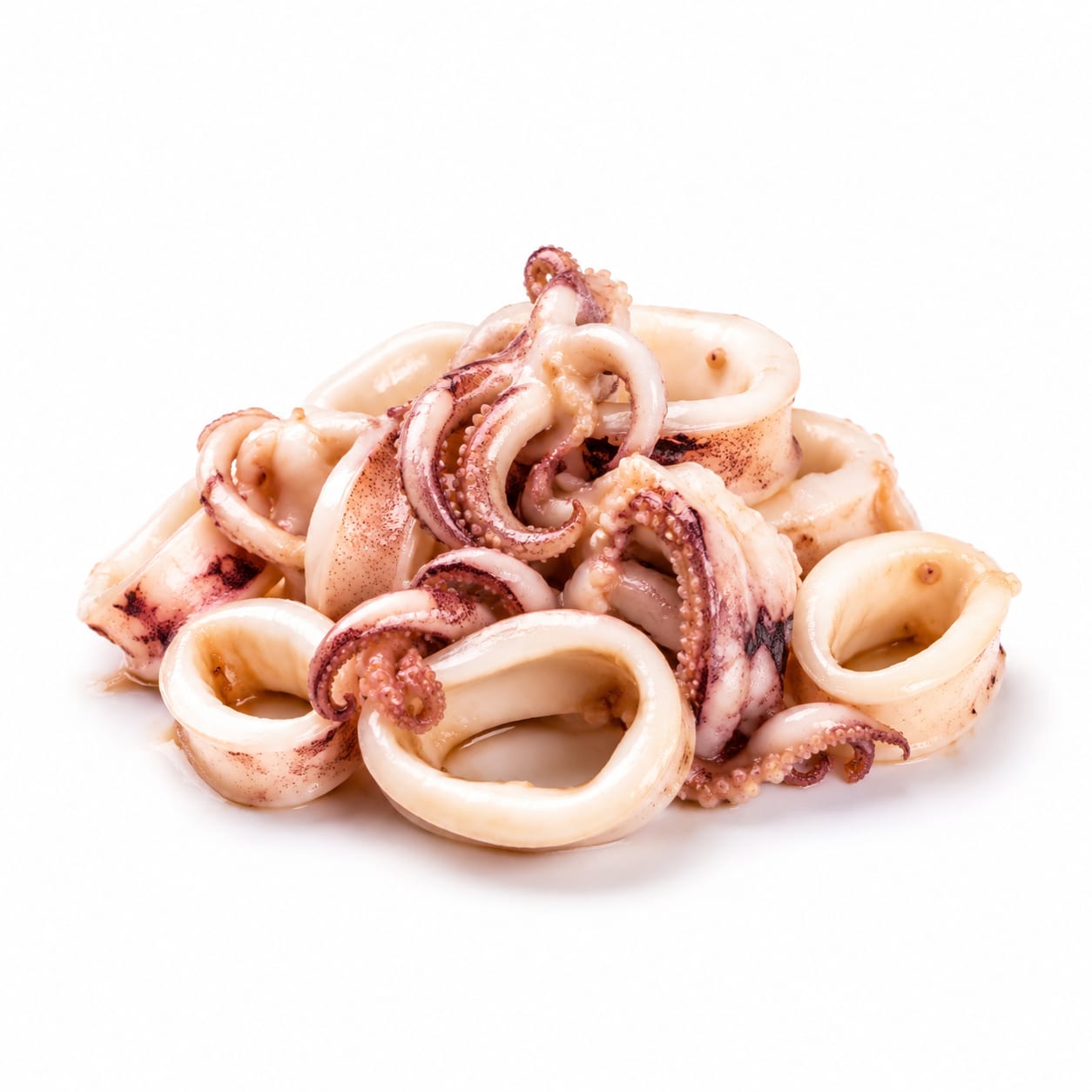
Squid

Crab
Squid wins on pure protein-to-calorie ratio and price, while crab delivers superior micronutrients and lower cholesterol. Your pick depends on whether you prioritize lean fuel or nutrient density.
Crab edges ahead due to superior micronutrient density and lower cholesterol, but squid remains an excellent lean protein. The gap is modest because both are strong seafood choices with different strengths.
Squid offers more protein per calorie but carries significantly more cholesterol; crab costs more but provides better B12, zinc, and heart-friendlier fat content.
At a glance
Executive summary
Overall
It depends
Healthier
Crab
More practical
Squid
Daily use
Crab
Key comparison lenses
lean protein source comparison
Both are popular seafood protein choices, often compared for fitness and weight management diets
cholesterol and heart health concerns
Squid is notably high in cholesterol, which is a common consumer worry when choosing between shellfish
contaminant and heavy metal exposure
Seafood comparisons always raise mercury and heavy metal questions, especially for regular consumption
sodium and blood pressure impact
Crab can be surprisingly high in sodium, especially canned or prepared versions, affecting daily choices
culinary versatility and preparation impact
Squid is often deep-fried as calamari while crab is typically enjoyed steamed, drastically changing health profiles
Best choice for
Squid
- Strict calorie counters needing maximum protein with minimal calories
- Budget-conscious seafood lovers wanting affordable lean protein
- Athletes in cutting phases who need high protein with near-zero carbs
- People who enjoy cooking seafood at home from fresh or frozen
Crab
- Older adults needing B12 and zinc for cognitive and immune support
- People managing cholesterol who want heart-friendlier seafood
- Those willing to pay more for richer micronutrient density
- Anyone seeking a satisfying, naturally flavorful protein that needs minimal seasoning
Least suitable for
Squid
- People strictly monitoring dietary cholesterol
- Those who only encounter squid as deep-fried calamari at restaurants
- Anyone with shellfish allergies
- Diners wanting a low-preparation, easy-to-eat protein
Crab
- People on tight grocery budgets
- Those watching sodium intake, especially with canned crab
- Anyone with shellfish allergies
- Consumers in areas where fresh crab is unavailable or unreliable
Deep comparison
Dimension by dimension
Each lens scores both foods and breaks down who each option suits.
- Dimension 1 · Priority 95Squid
Protein Density and Quality
Squid · 92Crab · 82Squid delivers more protein per calorie than almost any other seafood, making it a cutting-phase favorite.
Tradeoff
Squid has higher protein density but crab's protein comes packaged with significantly more B12 and zinc alongside it.
Why it matters
If you are tracking calories carefully, squid gives you more protein bang for your buck. If you want protein plus nutrients, crab is the better package deal.
Real-world impact
A 3-ounce serving of squid gives you roughly 18g protein for only 80 calories. The same crab portion gives 15g protein for around 95 calories. The difference matters most when every calorie counts.
Squid
- Strict macro trackers
- Cutting phases in bodybuilding
- High-protein low-calorie meal plans
Better for
- Those who assume all seafood is equally nutrient-dense
Worse for
Crab
- Older adults needing B12 absorption
- People prioritizing nutrient completeness over pure macros
- Post-workout recovery where micronutrients aid repair
Better for
- Anyone assuming crab is the lowest-calorie shellfish option
Worse for
- Dimension 2 · Priority 90Crab
Cholesterol and Heart Health
Squid · 45Crab · 80Squid contains roughly 3-4 times more cholesterol than crab, which remains a legitimate concern for some people despite evolving dietary science.
Tradeoff
Current research suggests dietary cholesterol has less impact on blood cholesterol than once believed, but squid's levels are still high enough to warrant caution for sensitive individuals.
Why it matters
If you have familial hypercholesterolemia or your doctor has flagged your cholesterol, squid is the riskier regular choice. Crab lets you enjoy shellfish with far less worry.
Real-world impact
A 3-ounce squid serving packs around 220mg cholesterol versus roughly 50-80mg for crab. If you eat seafood 3-4 times weekly, this difference compounds significantly over a month.
Squid
- Healthy individuals with normal cholesterol who eat squid occasionally
Better for
- People who ignore cholesterol content because 'seafood is healthy'
- Anyone eating fried calamari frequently and assuming it is heart-healthy
Worse for
Crab
- Anyone with elevated blood cholesterol
- People with family history of heart disease
- Those eating shellfish multiple times per week
Better for
- Those who assume all shellfish are equally problematic for cholesterol
Worse for
- Dimension 3 · Priority 88Crab
Micronutrient Density
Squid · 68Crab · 90Crab is a micronutrient powerhouse, especially for B12, zinc, and selenium, delivering far more nutritional value per bite than squid.
Tradeoff
Squid provides decent selenium and some B vitamins but cannot match crab's overall nutrient profile, particularly for minerals critical to immunity and nerve health.
Why it matters
If you rely on seafood as a primary protein source, crab does more heavy lifting for your overall health beyond just protein grams.
Real-world impact
A single serving of crab can provide over 100% of your daily B12 needs and significant zinc. Squid covers selenium well but leaves gaps in B12 and zinc that you will need to fill elsewhere.
Squid
- Those already supplementing B12 and zinc
- People getting micronutrients from varied diets
Better for
- Those relying on squid as their primary animal protein without diversifying
Worse for
Crab
- Older adults with declining B12 absorption
- Anyone eating limited animal products who needs nutrient-dense seafood
- People recovering from illness who need immune-supporting minerals
Better for
- People who overconsume crab and exceed safe selenium intake over time
Worse for
- Dimension 4 · Priority 78Squid
Sodium Load
Squid · 82Crab · 55Fresh squid is naturally low in sodium, while crab — especially canned or prepared versions — can deliver a surprising sodium hit.
Tradeoff
Fresh crab is moderate in sodium, but most consumers encounter crab in higher-sodium forms. Squid stays consistently low in sodium across most preparations unless heavily seasoned.
Why it matters
If you have hypertension or are sodium-sensitive, crab requires more careful portion control and preparation choices than squid.
Real-world impact
Canned crab can contain 400-600mg sodium per serving. Fresh steamed crab is better at around 250-350mg, but squid typically sits under 150mg per serving. This matters when you are tracking daily sodium limits.
Squid
- People with hypertension
- Anyone on a low-sodium diet
- Those who salt their food heavily and need a low-sodium base protein
Better for
- Those who assume low sodium means they can add heavy soy sauce or salt without consequence
Worse for
Crab
- Endurance athletes who need sodium replenishment
- People who eat mostly home-cooked fresh crab and avoid canned versions
Better for
- Restaurant diners getting crab in prepared dishes with hidden sodium
- Anyone using canned crab without checking labels
Worse for
- Dimension 5 · Priority 82Squid
Contaminant and Heavy Metal Risk
Squid · 78Crab · 65Squid generally carries lower mercury levels than many crab species, making it the safer choice for frequent seafood consumption.
Tradeoff
Both are lower-risk than large predatory fish, but certain crab species and harvesting areas can elevate cadmium and mercury concerns. Squid's shorter lifespan means less bioaccumulation overall.
Why it matters
If you eat seafood several times a week, choosing lower-mercury options reduces long-term heavy metal exposure. Squid is consistently the safer bet for high-frequency consumption.
Real-world impact
Squid typically tests at 0.02-0.07 ppm mercury. Blue crab averages 0.06-0.15 ppm, with some regional variation. For pregnant women and children, this difference influences how often each should be eaten.
Squid
- Pregnant women choosing safer seafood options
- Children who eat shellfish regularly
- High-frequency seafood consumers eating shellfish 3+ times weekly
Better for
- People who ignore that even low-mercury seafood should be varied, not eaten exclusively
Worse for
Crab
- Occasional crab eaters whose exposure remains low
- Those sourcing crab from verified clean harvesting areas
Better for
- Anyone eating crab daily without checking species and source
Worse for
- Dimension 6 · Priority 80Crab
Preparation Impact on Health
Squid · 50Crab · 75Squid is most commonly deep-fried as calamari, which destroys its lean-protein advantage. Crab is typically steamed or boiled, preserving its natural nutritional profile.
Tradeoff
Squid prepared properly at home can be incredibly healthy, but the most common way people eat it — fried — turns it into a high-calorie, high-fat indulgence. Crab's default preparation is healthier.
Why it matters
The healthiest food in theory means nothing if the way you actually eat it is unhealthy. Most consumers encounter squid fried, which changes the calculus entirely.
Real-world impact
Fried calamari can hit 200+ calories and 10g+ fat per serving versus 80 calories and 1g fat for steamed squid. Steamed crab stays around 95 calories. Real-world squid consumption is often far less healthy than the raw numbers suggest.
Squid
- Home cooks who prepare squid by grilling, sautéing lightly, or steaming
- People disciplined enough to avoid the fried calamari temptation
Better for
- People who order calamari as an appetizer thinking it is a healthy seafood choice
- Those who default to frying because squid can be rubbery when cooked poorly
Worse for
Crab
- Restaurant diners who want a healthy default preparation
- Anyone whose seafood choices are often made away from home
Better for
- Those who drown crab in butter or heavy sauces
Worse for
- Dimension 7 · Priority 72Squid
Cost and Accessibility
Squid · 88Crab · 50Squid is significantly more affordable and widely available than crab, making it the practical choice for regular seafood consumption on a budget.
Tradeoff
Crab's higher price reflects its premium status and labor-intensive harvesting. Squid's affordability makes it accessible for weekly meals, but it lacks the culinary prestige and flavor complexity of crab.
Why it matters
Nutrition only works if you can afford it consistently. Squid's lower cost makes it a realistic weekly protein, while crab is often a special-occasion food for most households.
Real-world impact
Frozen squid tubes typically cost $4-8 per pound. Fresh crab meat runs $20-40+ per pound depending on species and region. Over a month of eating seafood twice weekly, this difference is substantial.
Squid
- Families on grocery budgets
- Meal preppers who need affordable protein in bulk
- Anyone living far from coastlines where crab is expensive or unavailable
Better for
- Those who equate low cost with low quality and avoid it
Worse for
Crab
- Special occasion dining where cost is less relevant
- Coastal residents with access to affordable fresh crab
Better for
- Budget-constrained households that cannot justify the expense regularly
Worse for
Timeline
Health impact over time
Short-term
Hours to days
Squid
- High satiety from protein density with minimal calorie load when prepared healthily
- Quick-digesting lean protein that feels light in the stomach
- Potential digestive discomfort if squid is overcooked and becomes rubbery
- Rapid cholesterol intake if consumed in large portions, which may concern some diners
Crab
- Satisfying, rich flavor that promotes meal satisfaction with smaller portions
- Quick B12 boost that supports energy metabolism within hours of consumption
- Possible sodium-related bloating if eating canned or restaurant-prepared crab
- Natural umami satisfaction that reduces the urge to overeat
Long-term
Months to years
Squid
- Consistent lean protein intake supports muscle maintenance and healthy body composition
- Regular cholesterol consumption may affect blood lipid profiles in sensitive individuals
- Low mercury levels make it sustainable for frequent long-term consumption
- Taurine content from squid may support cardiovascular and neurological health over time
Crab
- Superior B12 and zinc intake supports cognitive function and immune resilience with age
- Lower cholesterol load makes it more sustainable for heart-health-conscious diets
- Potential cumulative heavy metal exposure if consuming higher-mercury crab species frequently
- Selenium content provides long-term antioxidant protection when consumed in moderation
Risk profile
Safety & processing
Both squid and crab are whole, natural foods in their fresh forms. However, crab is more commonly encountered canned or processed with added sodium and preservatives, raising its additive concern. Frozen squid tubes are typically just cleaned and frozen with no additives. Always check labels on canned crab for sodium content and preservatives like sodium bisulfite.
Squid
Allergic reactions to shellfish
highSquid is a mollusk and can trigger shellfish allergies, which are among the most common and severe food allergies. Reactions can range from hives to anaphylaxis.
Foodborne illness from improper handling
mediumLike all seafood, squid spoils quickly. Improper refrigeration or insufficient cooking can lead to vibrio or other bacterial infections.
Cholesterol overconsumption
mediumWhile not a contamination risk, the high cholesterol content is a health risk for susceptible individuals when consumed frequently.
Crab
Allergic reactions to shellfish
highCrab is a crustacean and one of the top eight allergens. Crustacean allergies tend to be severe and lifelong, with anaphylaxis risk.
Heavy metal accumulation
mediumCertain crab species and harvesting regions show elevated cadmium and mercury levels. Blue crab from some urban waterways carries higher contaminant loads.
Sodium from processed forms
mediumCanned and prepared crab products often contain high sodium and occasionally preservatives like sodium bisulfite, which can affect sensitive individuals.
Parasitic contamination in raw preparations
lowRaw or undercooked crab can carry parasites. Proper cooking eliminates this risk, but raw crab dishes require careful sourcing.
Who wins for whom
Audience fit
Same foods, different winners depending on your goal.
children
CrabCrab's B12 and zinc support growing brains and immune systems, and its lower mercury risk in most common species makes it appropriate for moderate consumption. Squid's chewy texture is also less kid-friendly.
daily consumption
CrabCrab's better overall nutrient density and lower cholesterol make it more suitable as a regular dietary staple. Squid's cholesterol content makes it better suited for a few times per week rather than daily.
diabetes
CrabBoth have near-zero carbs, but crab's lower cholesterol and better micronutrient profile support the cardiovascular health that diabetics need to prioritize. The sodium in canned crab is the only caveat.
elderly
CrabB12 absorption declines with age, and crab is one of the best food sources. The lower cholesterol content also aligns better with the cardiovascular concerns common in older adults.
muscle gain
SquidMore protein per serving and per calorie supports muscle protein synthesis efficiently, especially during lean bulking phases where calorie control still matters.
weight loss
SquidSquid's superior protein-to-calorie ratio makes it more effective for calorie-controlled diets, provided it is not fried. The lower calorie density allows larger portions within a calorie budget.
Your move
Decision guide
Choose Squid
- You are counting calories and need maximum protein with minimal energy intake
- You want affordable seafood you can eat multiple times per week without breaking the bank
- You prepare seafood at home and can cook squid without deep-frying it
- You are an athlete in a cutting phase who needs lean protein variety
- You want low-mercury seafood safe for frequent consumption
Choose Crab
- You prioritize nutrient density and want B12, zinc, and selenium in every serving
- You are concerned about cholesterol and want heart-friendlier shellfish
- You are an older adult who needs cognitive and immune support from food
- You eat seafood occasionally and want maximum nutritional value when you do
- You prefer seafood that tastes satisfying with minimal preparation or seasoning
Either works if
- You have no shellfish allergies and tolerate both well
- You rotate seafood varieties to minimize contaminant exposure from any single source
- You value both lean protein and micronutrient density and can alternate between them
Avoid both if
- You have a diagnosed shellfish allergy, as both can trigger severe reactions
- You are following a low-sodium diet and cannot control preparation methods
- You are pregnant and unsure about mercury levels in your local seafood sources without consulting a doctor
Final recommendation
Eat both, but lean toward crab for regular meals and squid for calorie-conscious days. Crab gives you more nutrients per bite and is easier on your cholesterol. Squid gives you unmatched protein efficiency at a lower price. The worst move is eating fried calamari and thinking you made a healthy choice — steam or grill your squid, and you unlock its real potential.
Practical
Consumer tips
- 1
If you order squid at restaurants, ask for grilled or sautéed instead of fried calamari. This single change can cut calories and fat by more than half.
- 2
Check canned crab labels for sodium content. Some brands contain 500mg+ per serving, while others are much lower. Rinse canned crab briefly to reduce sodium by roughly 20-30%.
- 3
Buy frozen squid tubes for home cooking — they are affordable, easy to find, and typically additive-free. A quick sauté with garlic and olive oil takes under 5 minutes.
- 4
Vary your seafood choices week to week. Eating only one type of shellfish increases contaminant exposure and limits nutrient diversity.
- 5
If cholesterol is a concern, limit squid to 1-2 times per week and pair it with fiber-rich vegetables to help reduce cholesterol absorption.
- 6
Fresh crab from clean harvesting areas is worth the premium over canned. The flavor is better, sodium is lower, and you avoid preservatives entirely.
- 7
For children, flake crab into small pieces and mix with familiar foods like rice or pasta. The natural sweetness usually wins them over faster than squid's chewier texture.