
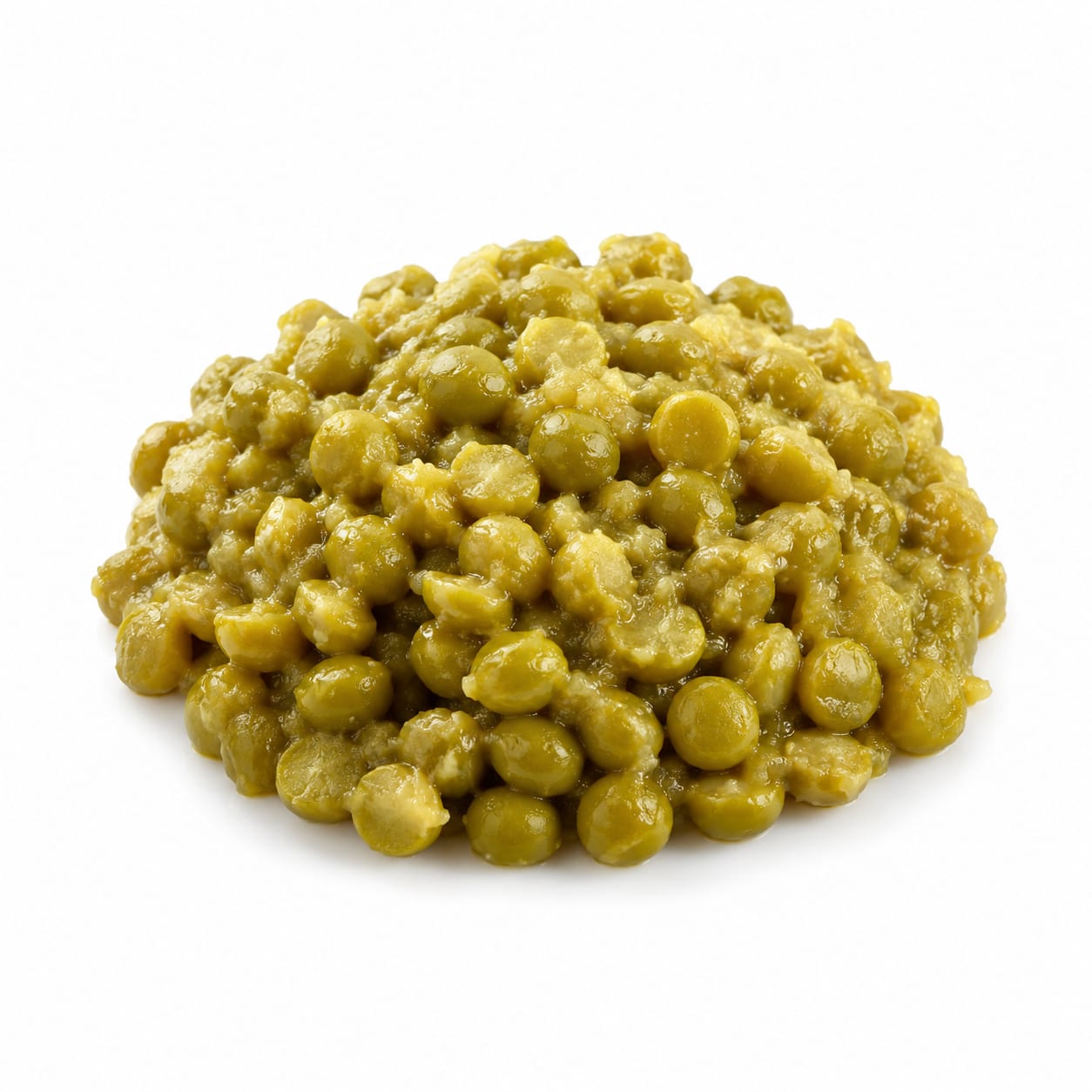
Legume
Split Pea
Split peas are dried, peeled peas split in half, offering a highly nutritious, fiber-rich, and protein-dense legume ideal for hearty meals.
Split peas are the dried, peeled, and split seeds of the pea plant, commonly used in soups and stews for their hearty texture and high nutritional value.
high-fiber plant-based protein source
Typical serving · 100g
Common varieties · green split peas, yellow split peas, whole dried peas
Overall context score across nutrition, safety, and diet fit
At a glance
Quick facts
Simple indicators based on nutrition, processing, and diet fit.
The story
What makes it unique
Split peas are a nutrient-dense legume characterized by a high protein and exceptionally high fiber content, resulting in slow digestion, prolonged satiety, and a low glycemic response. As a minimally processed whole food, they retain their natural macronutrient profile and micronutrient density.
Varieties: green split peas · yellow split peas · whole dried peas
Per 100g
Nutrition breakdown
Macro balance and key metrics at a glance.
Energy
Density 3.40 kcal/g
Protein
Carbs
Fat
Fiber
Sugar
8 g
Sodium
5 mg
Potassium
870 mg
Glycemic index
29
Glycemic load
10
Water content
11%
Standout compounds
Nutrient highlights
Fiber
highpromotes satiety and gut health
Protein
highsupports muscle maintenance and repair
Potassium
moderateregulates blood pressure and fluid balance
Folate
moderatesupports cell function and DNA synthesis
Wellness map
Health scores & processing
NOVA processing scale
minimally processed · Whole food
Split peas undergo only drying and mechanical splitting, containing no added ingredients or artificial processes.
Diet compatibility
- Weight loss
- Muscle gain
- Diabetes
- Gut health
- Low carb
- High protein
- Heart health
Relative standing
Food rankings
Qualitative ranks compared to similar whole foods.
- Satietyexcellent
- Blood sugarexcellent
- Nutrient densityexcellent
- Fitness fuelgood
- Processing qualityexcellent
Eat with confidence
Food safety profile
Split peas are inherently safe due to their low-moisture dried state. Proper cooking eliminates naturally occurring lectins and reduces phytic acid, which can bind minerals.
Evidence confidence 95%
- Pesticideslow
- Antibioticslow
- Heavy metalslow
- Contaminationlow
Watch for
- phytic acid
- trace cadmium
Safer choices
organic split peas to minimize trace pesticide exposure
Prep tips
Rinse thoroughly under cold water to remove dust; boiling fully neutralizes lectins and improves mineral absorption.
none significant
Deep dive
Health analysis
How this food may fit different goals and preparation choices.
Weight loss
High fiber and protein content significantly increase satiety, reducing overall calorie intake. Low energy volume means portion control is needed since dry calories are dense.
Blood sugar
Very low glycemic index due to high fiber and protein, which slow carbohydrate absorption and prevent glucose spikes.
Fitness & energy
Provides sustained, slow-releasing energy ideal for endurance activities, though not suitable for quick pre-workout fuel due to slow digestion.
Gut health
Rich in soluble fiber that feeds beneficial gut bacteria and promotes regular bowel movements.
Processing quality
A whole food dried and split without additives, retaining all natural nutrients and fiber.
Food safety
Inherently safe when cooked; raw split peas contain lectins that are neutralized by boiling.
Common mistakes
Not cooking them long enough, leading to digestive discomfort, or eating excessively large portions due to their calorie density when dry.
Best preparation
Simmer in soups or stews until tender; soaking is optional but speeds up cooking and improves digestibility.
Practical guide
Best use cases
When and how this food fits real eating patterns.
Hearty winter soups and stews
Break down into a thick, creamy texture that adds body and nutrition to cold-weather meals.
Plant-based protein meal prep
Provide a substantial protein base for vegan and vegetarian diets when paired with grains.
High-volume satiating meals
The immense fiber content stretches the stomach and delays hunger signals effectively.
Post-workout recovery bowls
Deliver a steady stream of amino acids and carbohydrates for muscle repair and glycogen replenishment.
Balance sheet
Pros & cons
Upsides
- Extremely high in satiety-promoting fiber
- Excellent plant-based protein source
- Very low glycemic index
- Rich in essential vitamins and minerals
- Long shelf life and highly affordable
Trade-offs
- Not suitable for strict low-carb diets
- Can cause bloating or gas if not accustomed to high fiber
- Calorie-dense in dry form, requiring portion awareness
- Requires thorough cooking to neutralize lectins
Fit check
Who is it for?
Great match
- plant-based meal prep
- blood sugar management
- high-volume eating
- budget-friendly nutrition
Consider alternatives
- strict ketogenic diets
- quick pre-workout energy
- low-FODMAP diets
Side by side
How it compares
Open the full head-to-head analysis for nutrition, safety, and practical tradeoffs.
This food
Split Pea
VS95% alike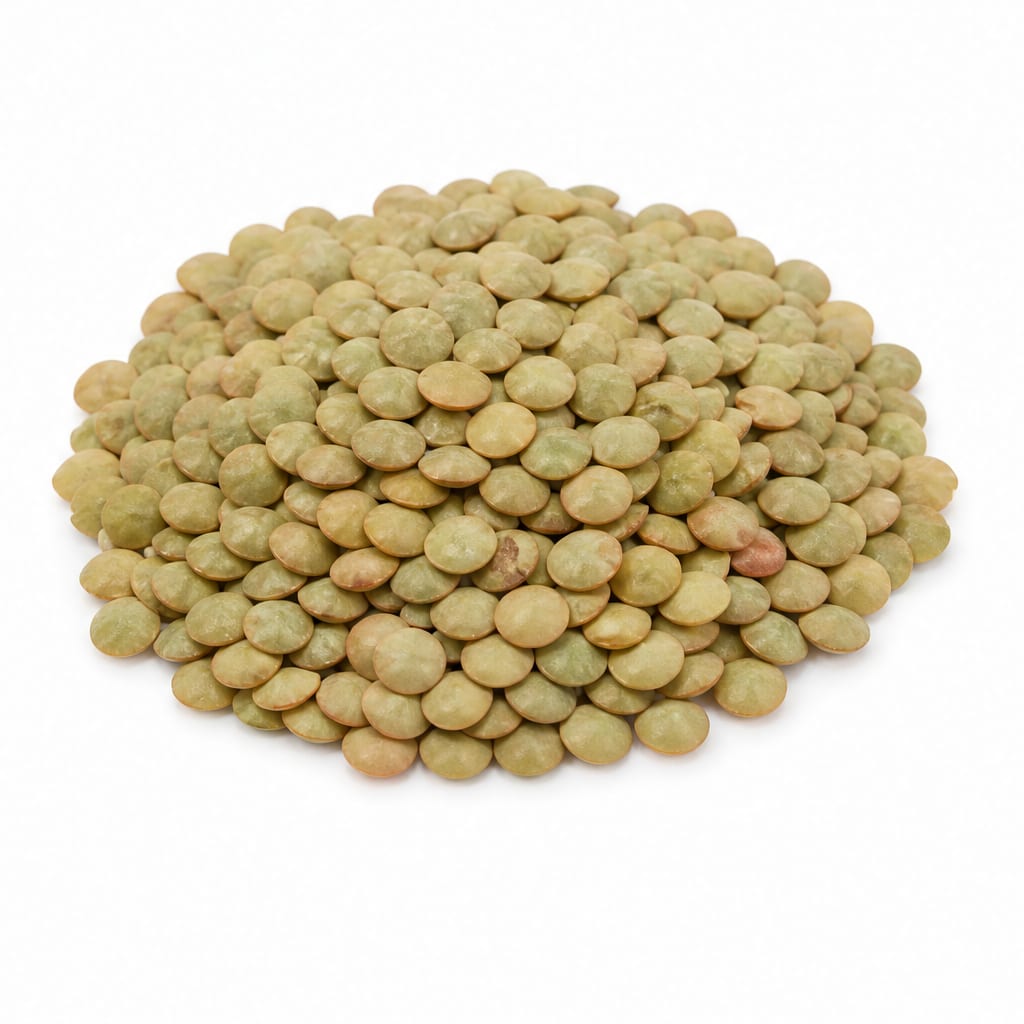
Compare with
Green Lentils
Split peas offer slightly more fiber than lentils, making them better for satiety, while both provide similar plant protein.
Split peas offer slightly more fiber than lentils, making them better for satiety, while both provide similar plant protein.
This food
Split Pea
VS85% alike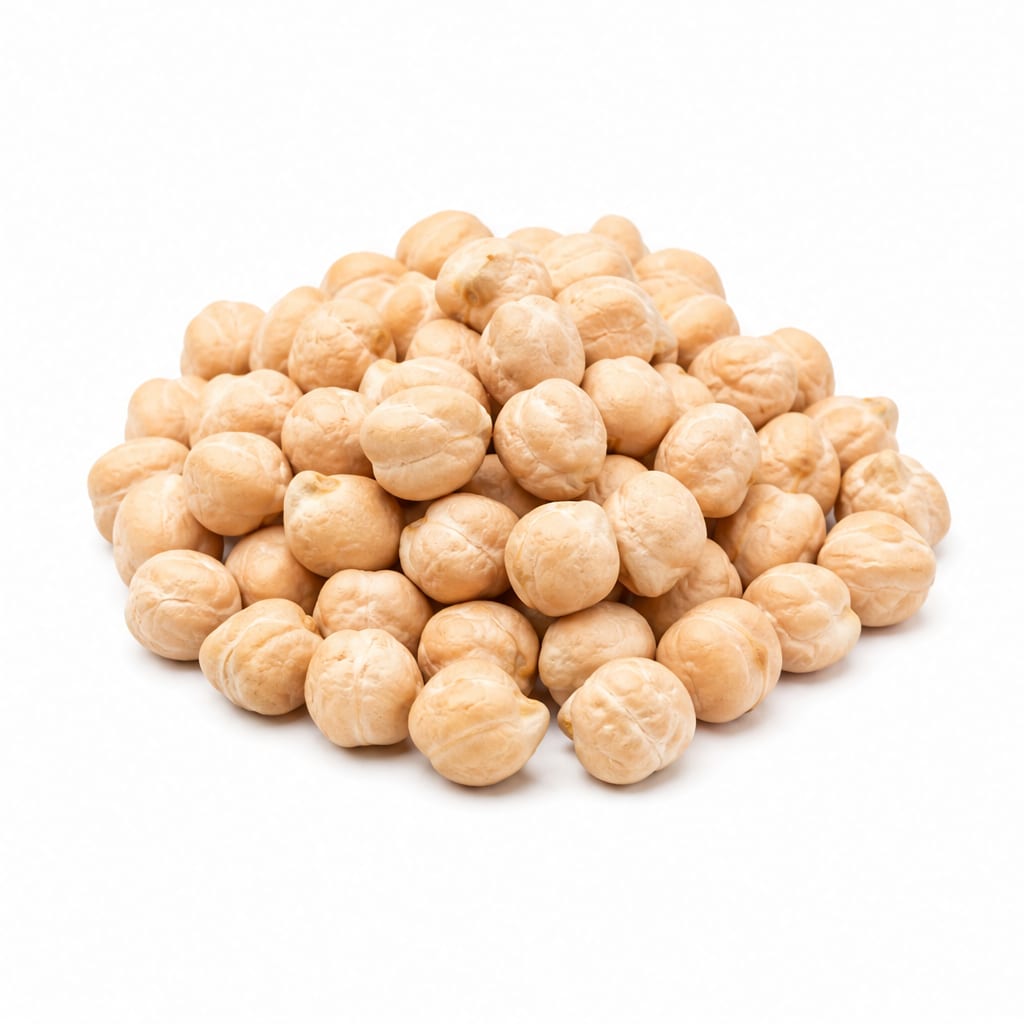
Compare with
Chickpeas
Split peas are lower in fat and higher in fiber than chickpeas, making them superior for strict weight loss and blood sugar control.
Split peas are lower in fat and higher in fiber than chickpeas, making them superior for strict weight loss and blood sugar control.
This food
Split Pea
VS85% alike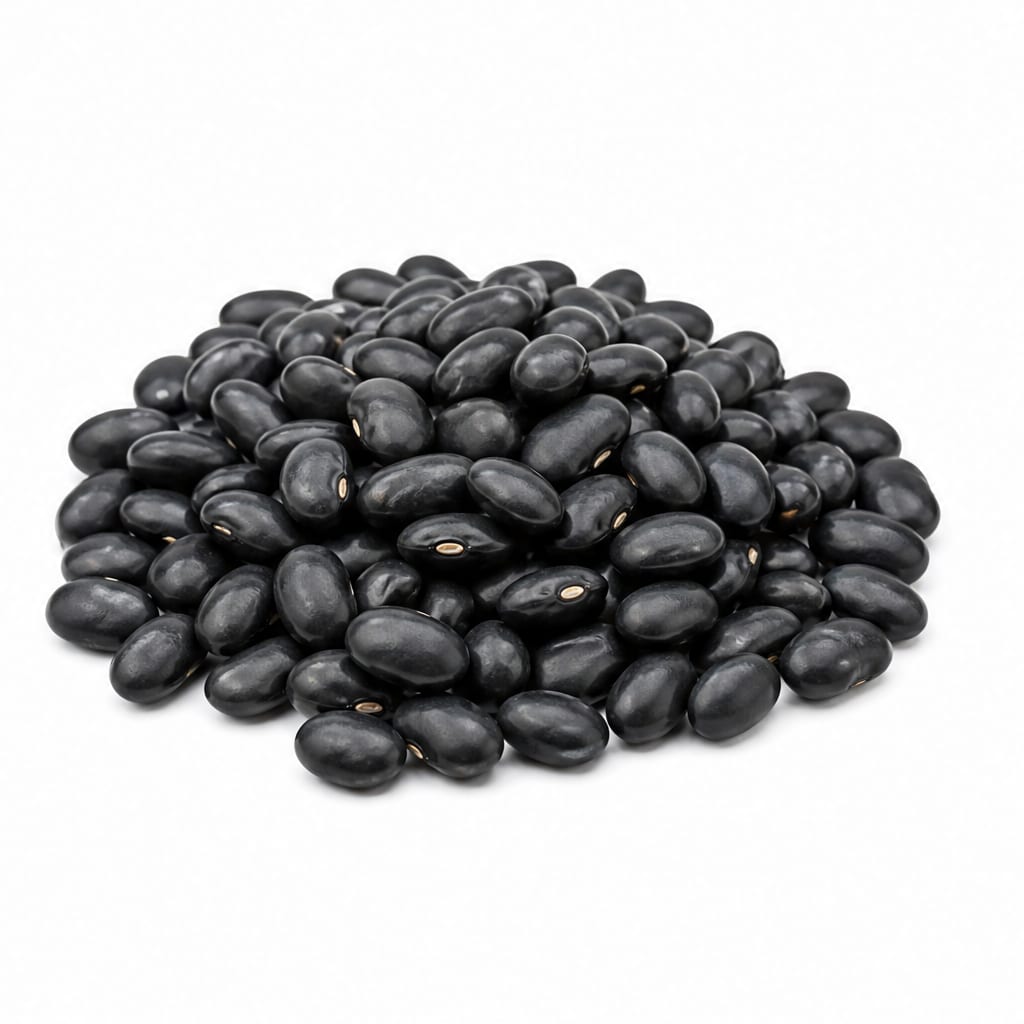
Compare with
Black Beans
Split peas provide more protein and fiber per calorie than black beans, offering better satiety and blood sugar stability.
Split peas provide more protein and fiber per calorie than black beans, offering better satiety and blood sugar stability.
This food
Split Pea
VS75% alike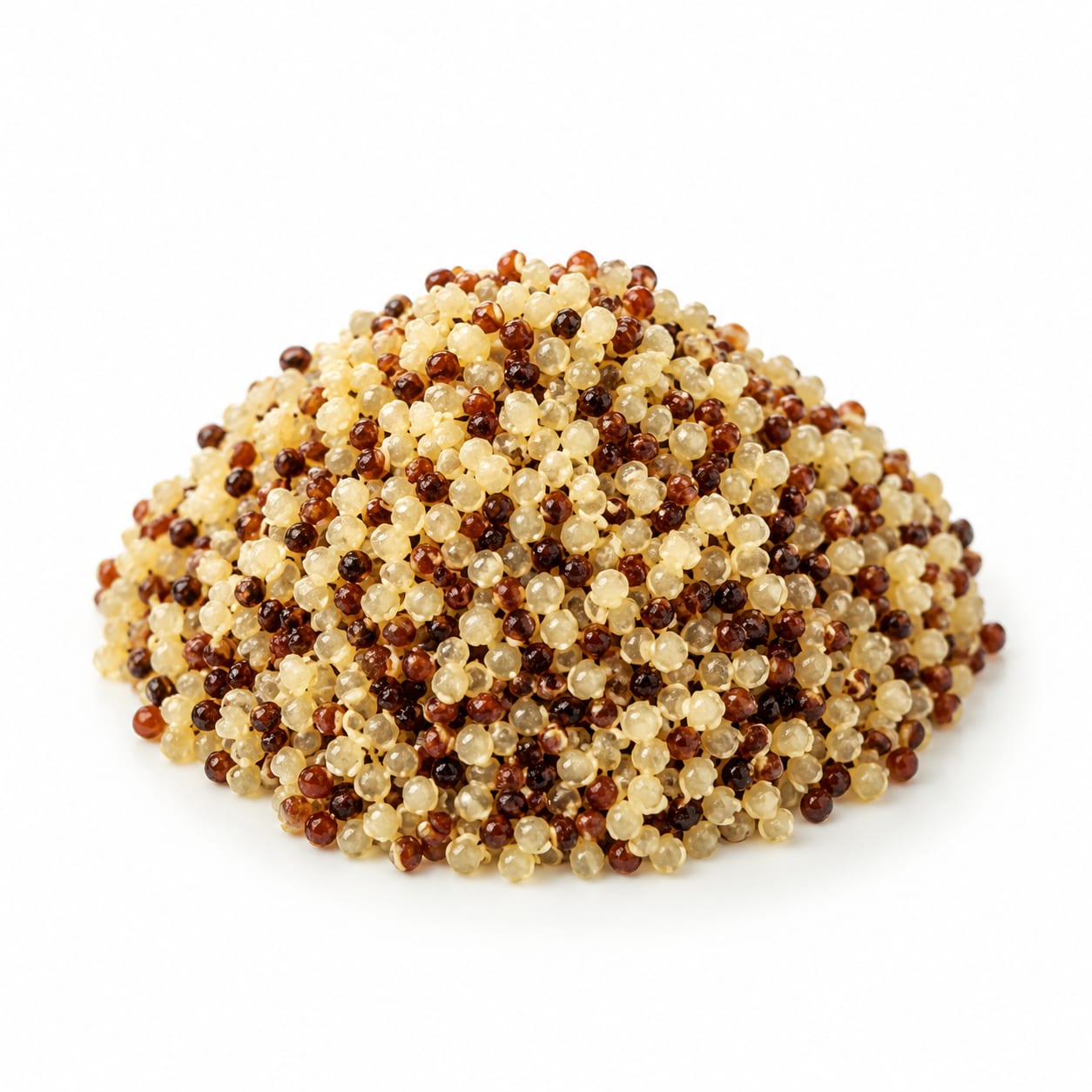
Compare with
Quinoa
Split peas are much higher in protein and fiber than quinoa, providing greater satiety, while quinoa offers faster-digesting carbs for fitness.
Split peas are much higher in protein and fiber than quinoa, providing greater satiety, while quinoa offers faster-digesting carbs for fitness.
This food
Split Pea
VS70% alike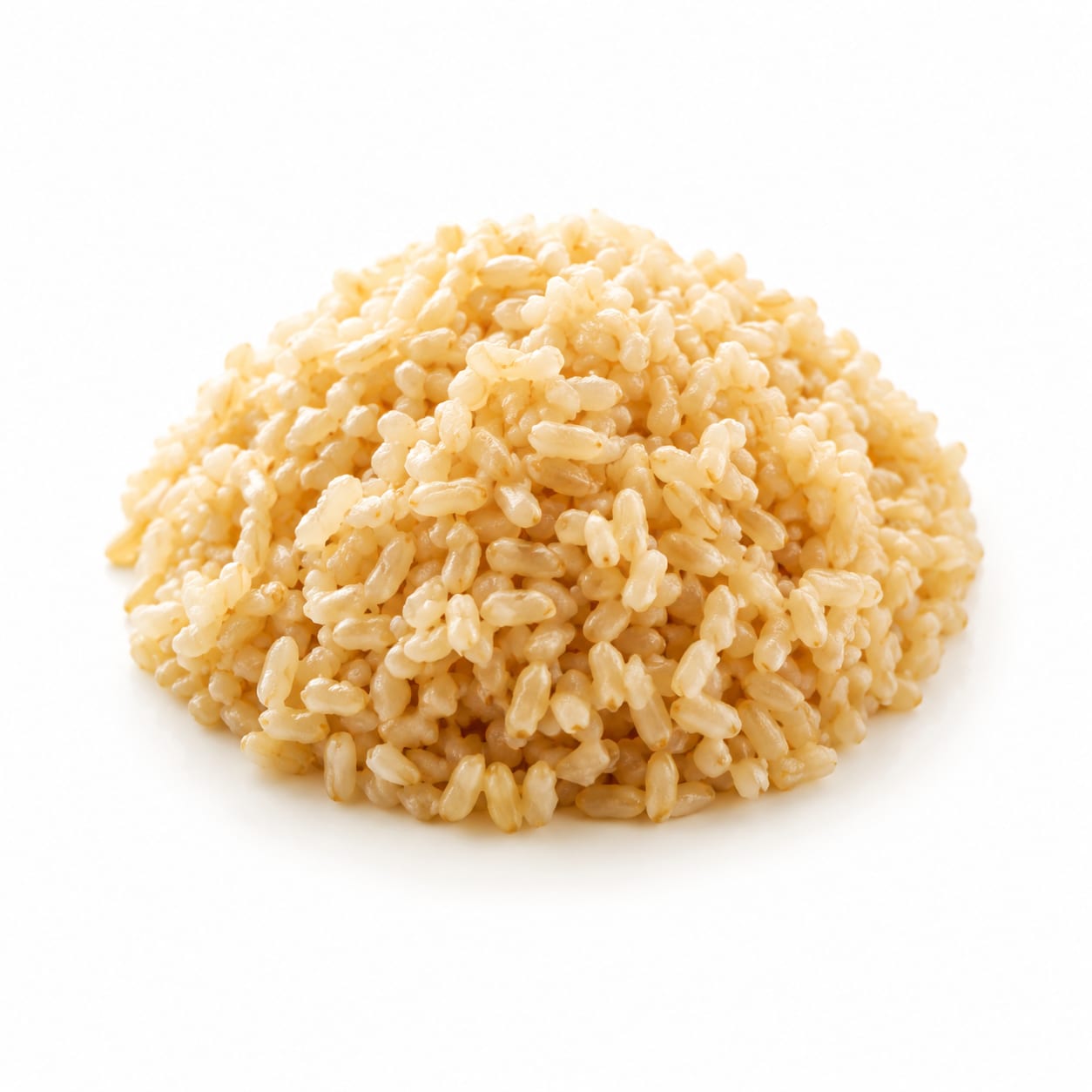
Compare with
Brown Rice
Split peas dramatically outperform brown rice in protein and fiber, making them far better for blood sugar control and satiety.
Split peas dramatically outperform brown rice in protein and fiber, making them far better for blood sugar control and satiety.
This food
Split Pea
VS80% alike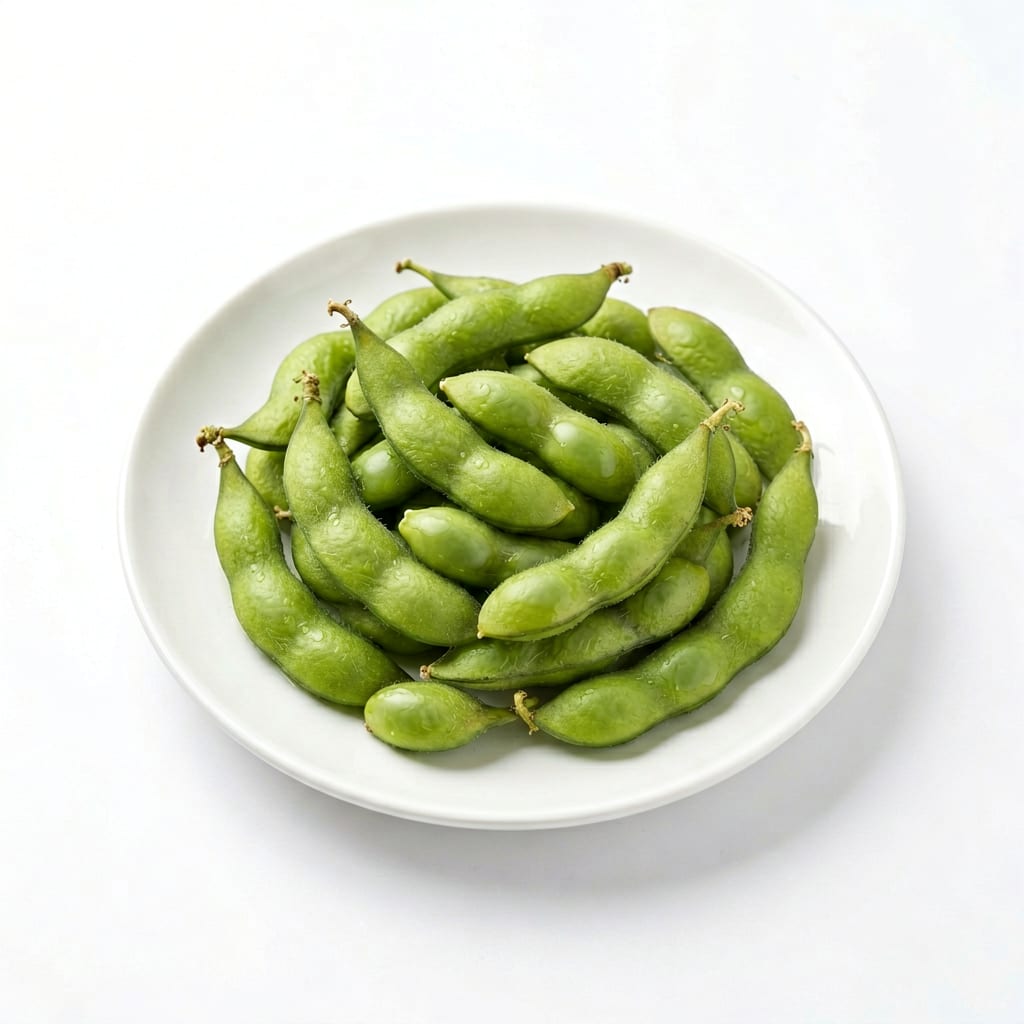
Compare with
Edamame
Edamame provides more protein and healthy fats, while split peas offer more fiber and carbohydrates for sustained energy.
Edamame provides more protein and healthy fats, while split peas offer more fiber and carbohydrates for sustained energy.
This food
Split Pea
VS85% alike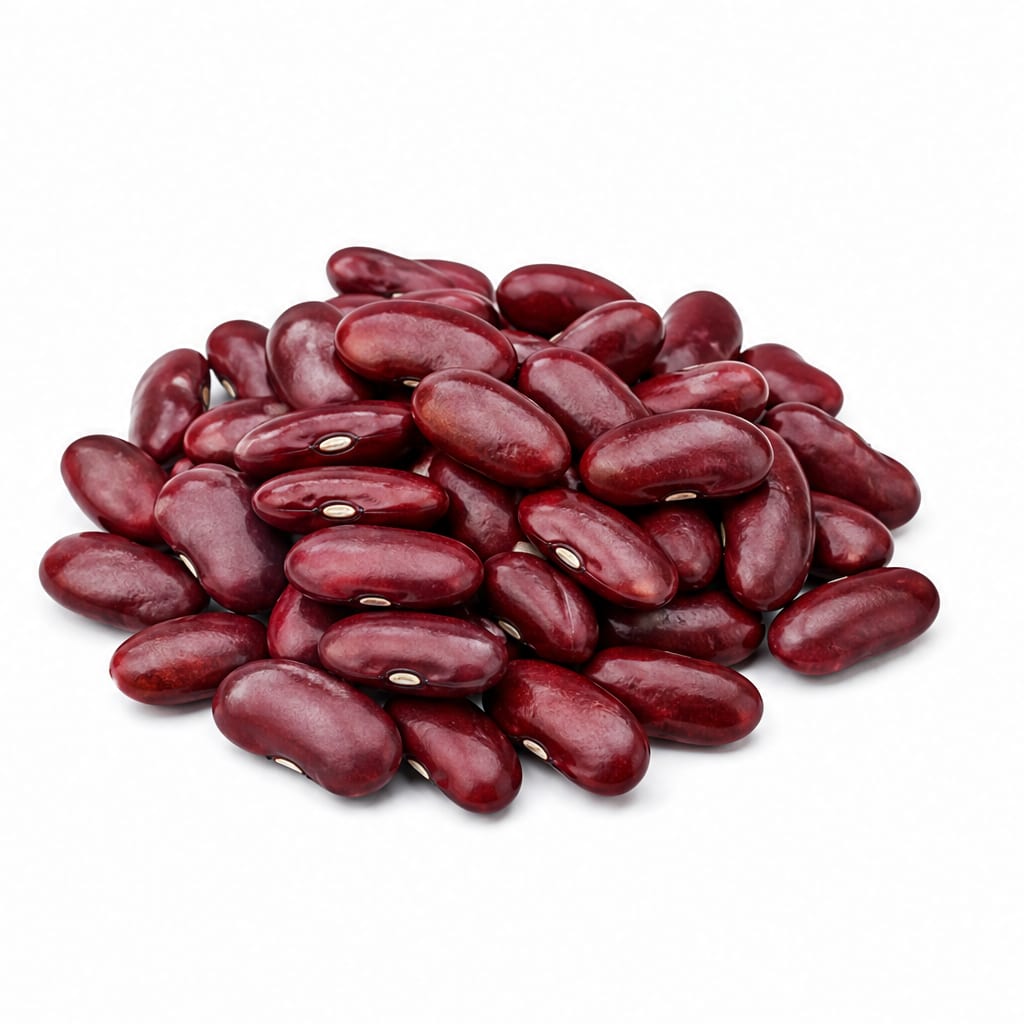
Compare with
Kidney Beans
Split peas have a slight edge over kidney beans in protein and fiber content, making them slightly more satiating.
Split peas have a slight edge over kidney beans in protein and fiber content, making them slightly more satiating.
This food
Split Pea
VS75% alike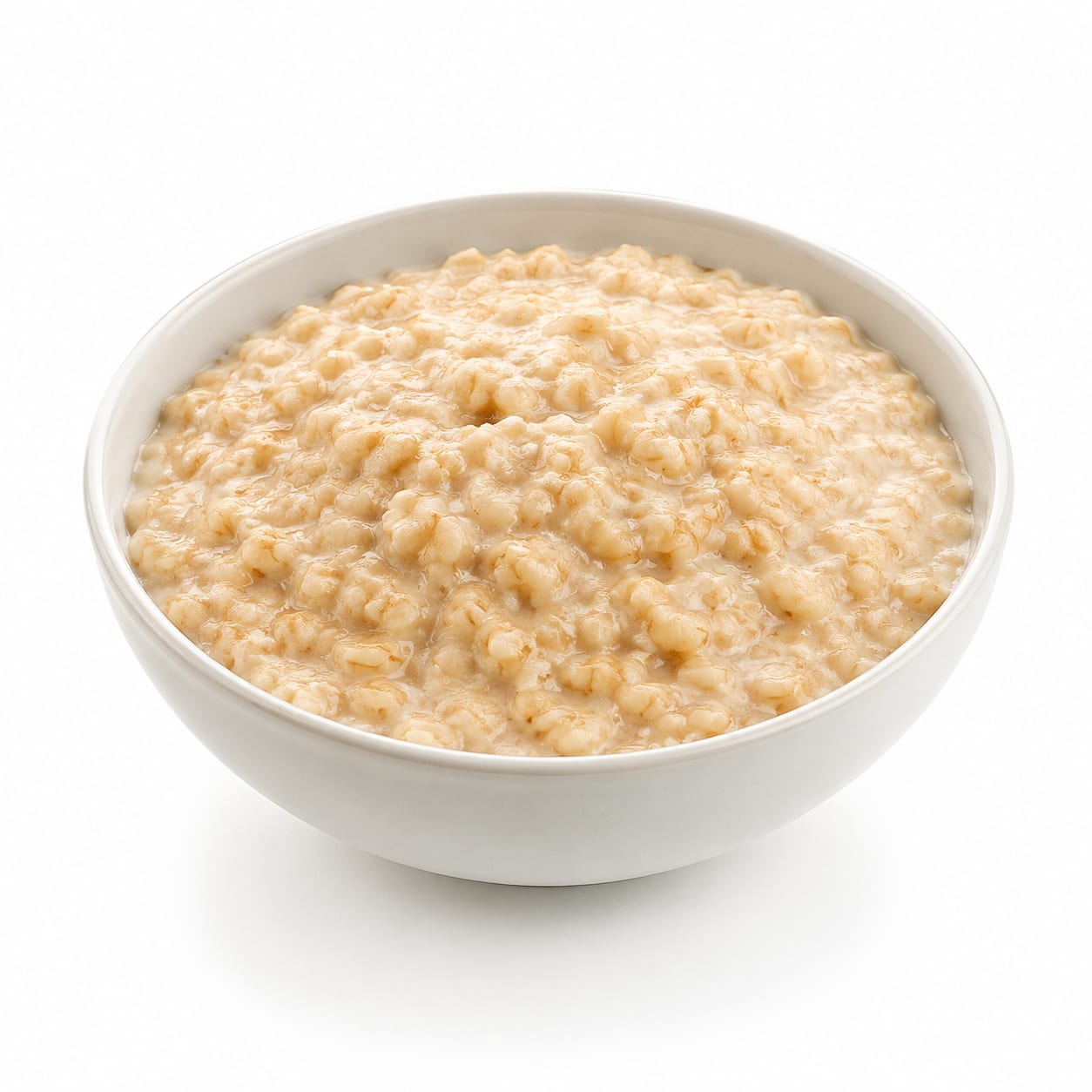
Compare with
Oats
Split peas provide more protein and fiber than oats, while oats contain beta-glucan and digest faster, making them better for morning energy.
Split peas provide more protein and fiber than oats, while oats contain beta-glucan and digest faster, making them better for morning energy.
This food
Split Pea
VS65% alike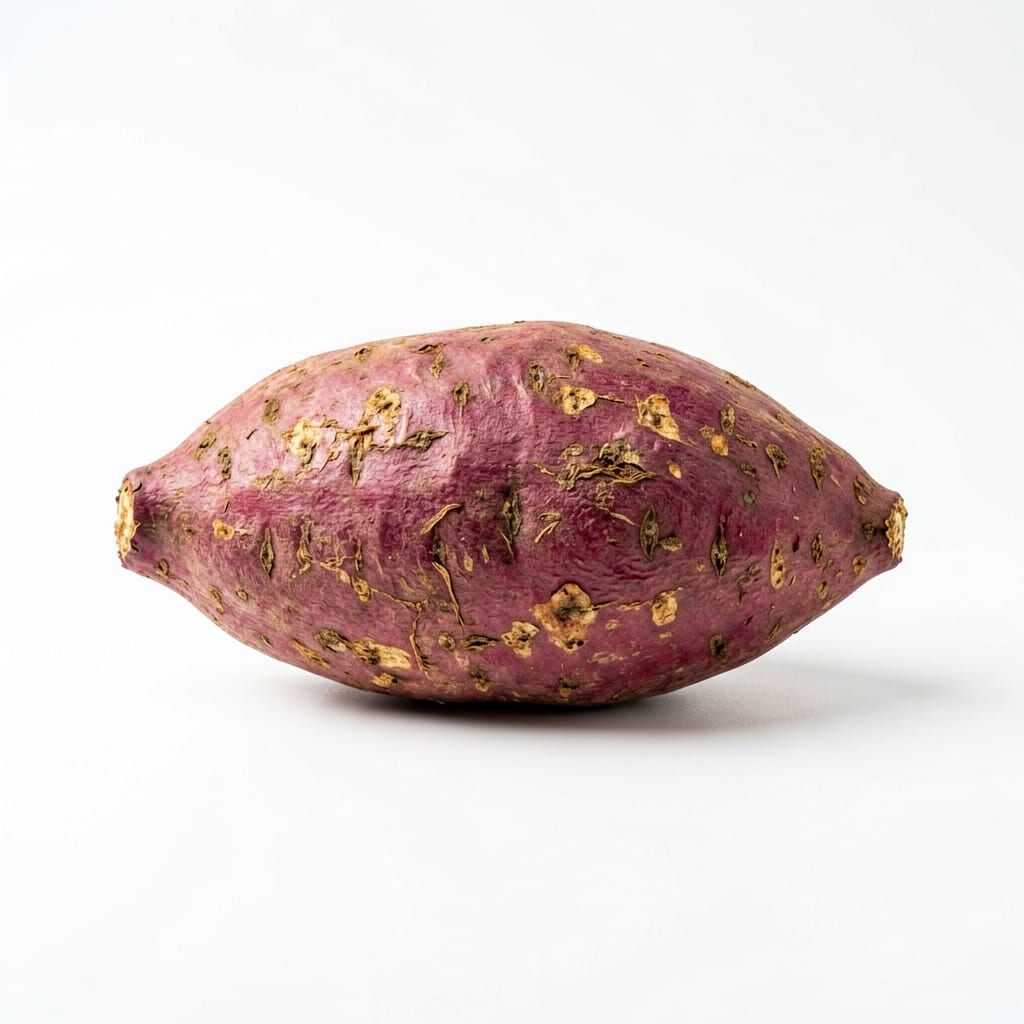
Compare with
Sweet Potato
Split peas are protein and fiber powerhouses compared to sweet potatoes, which offer faster-digesting carbs and vitamin A for fitness recovery.
Split peas are protein and fiber powerhouses compared to sweet potatoes, which offer faster-digesting carbs and vitamin A for fitness recovery.
This food
Split Pea
VS70% alike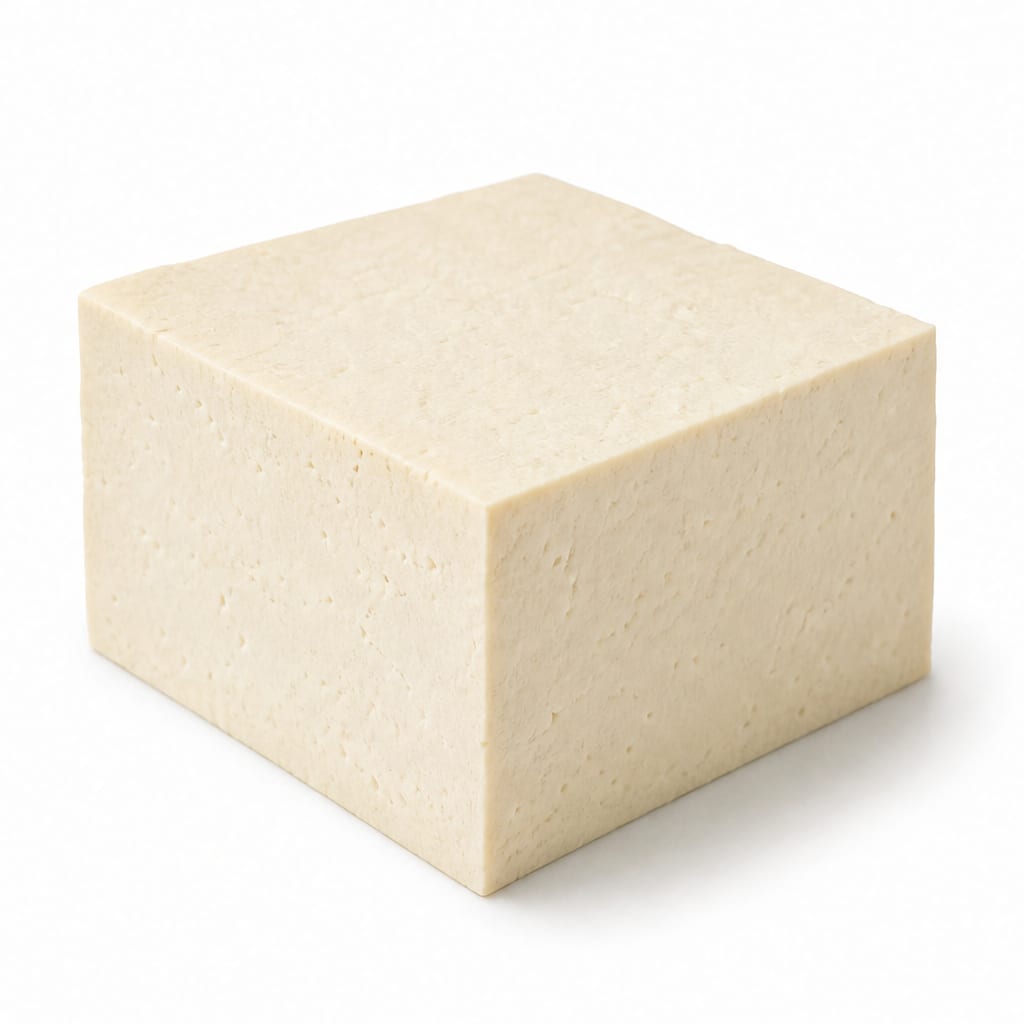
Compare with
Tofu
Tofu is lower in carbs and calories, fitting low-carb diets better, while split peas offer superior fiber and satiety for volume eaters.
Tofu is lower in carbs and calories, fitting low-carb diets better, while split peas offer superior fiber and satiety for volume eaters.
Common questions
FAQ
Answers aligned with how people search for this food.
Are split peas good for weight loss?
Yes, their high fiber and protein content keep you full longer, helping to reduce overall calorie intake.
Do split peas spike blood sugar?
No, split peas have a very low glycemic index, meaning they digest slowly and cause a gradual rise in blood sugar.
Do you have to soak split peas before cooking?
No, split peas do not require soaking, but doing so can reduce cooking time and improve digestibility.
Are split peas a complete protein?
No, split peas are low in methionine, but pairing them with grains like rice creates a complete amino acid profile.
What is the difference between split peas and lentils?
Split peas are split and dried peas with a creamier texture when cooked, while lentils are different legumes that hold their shape better.
Can you eat split peas on a low-carb diet?
Split peas are relatively high in carbohydrates, making them unsuitable for strict low-carb or keto diets.
Are split peas hard to digest?
They can cause gas in some people due to high fiber, but cooking them thoroughly and rinsing them helps improve digestibility.
Transparency
Data confidence
Estimated confidence for nutrition data, interpretation, safety notes, and comparisons.
Nutrition data
Health analysis
Food safety
Comparisons