
Nutrition comparison
Split Pea vs Tofu: Nutrition, Protein, and Satiety Compared
Compare Split Pea vs Tofu for weight loss, muscle gain, and daily nutrition. Discover which plant-based protein is better for your health goals.
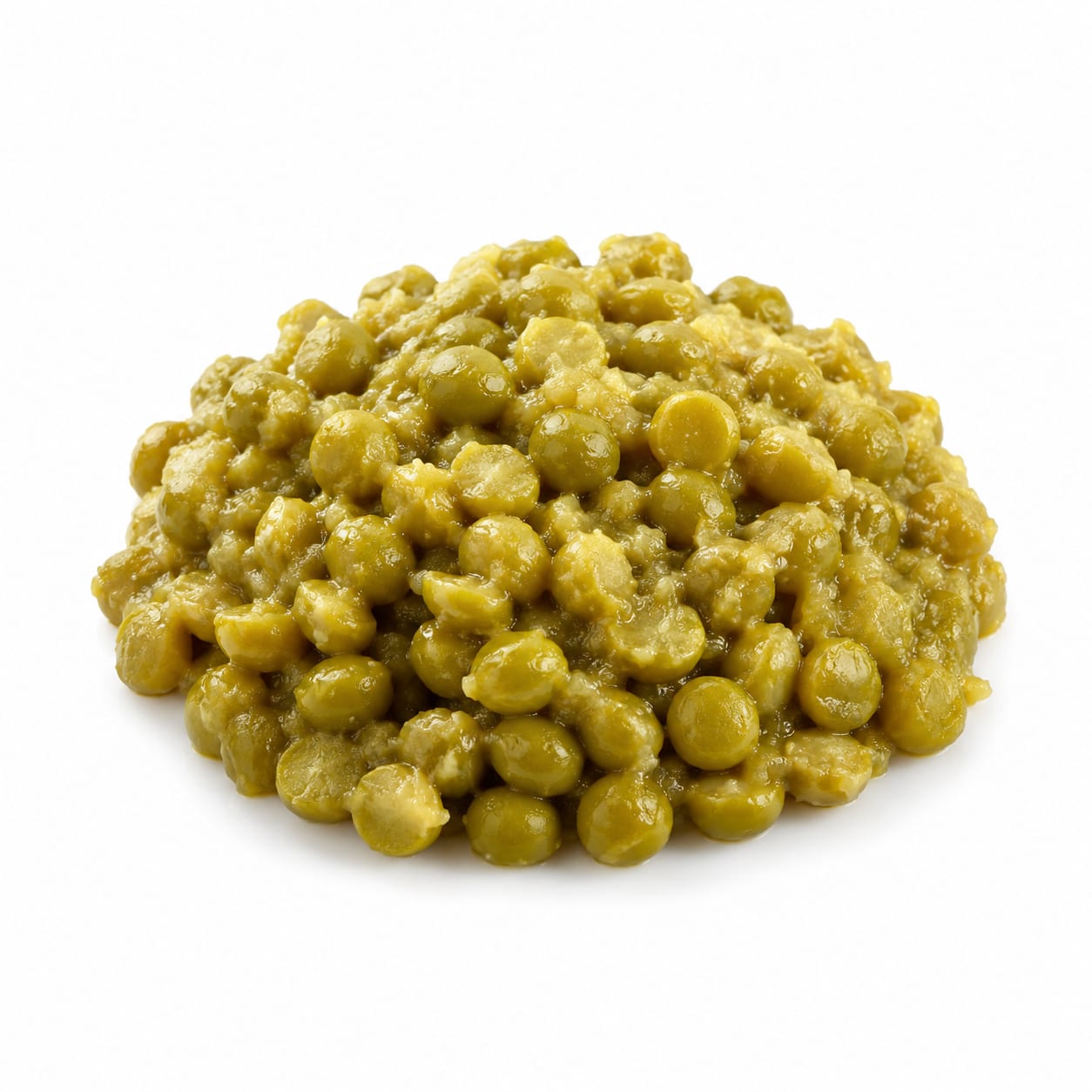
Split Pea
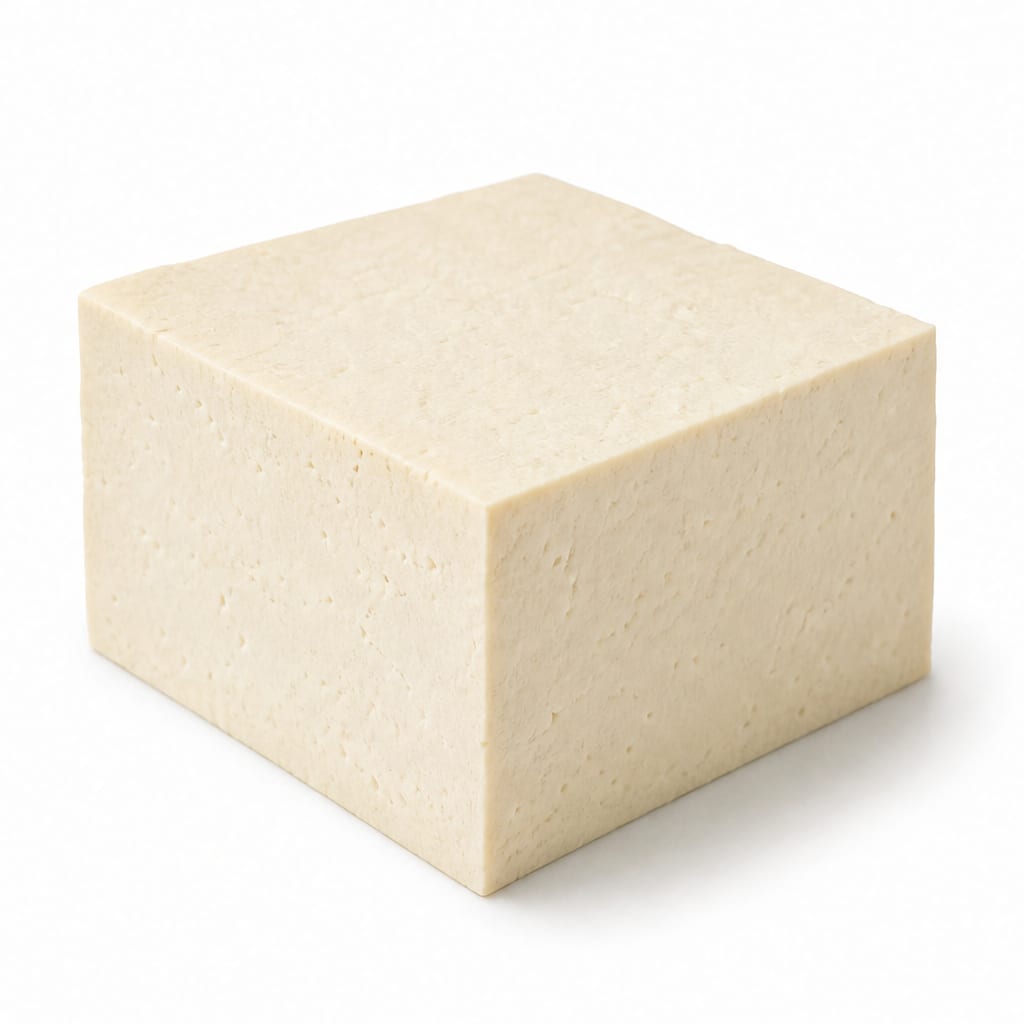
Tofu
Split Pea offers unmatched fiber and satiety, while Tofu delivers higher-quality protein with far less prep time.
Tofu scores slightly higher due to its complete amino acid profile and everyday convenience, though Split Pea remains a nutritional powerhouse for fiber and gut health.
Fiber-rich carbs and long cook time versus quick, low-carb complete protein.
At a glance
Executive summary
Overall
It depends
Healthier
It depends
More practical
Tofu
Daily use
Tofu
Key comparison lenses
Plant-based protein quality and completeness
Users comparing legumes to soy often want to know which provides better muscle-building amino acids.
Satiety and weight management
Fiber versus protein dynamics heavily influence which food keeps you fuller longer.
Blood sugar control and carbohydrate tolerance
Split Pea is carb-heavy while Tofu is virtually carb-free, making this a key decision factor for diabetics or low-carb dieters.
Meal prep convenience and practicality
Dry legumes require significant cooking time compared to ready-to-eat Tofu, impacting daily lifestyle choices.
Best choice for
Split Pea
- Digestive regularity
- Lowering cholesterol
- Long-lasting fullness on a budget
Tofu
- Quick weeknight dinners
- Low-carb diets
- Post-workout muscle recovery
Least suitable for
Split Pea
- Low-carb dieters
- People short on time
- Those sensitive to high fiber
Tofu
- People with soy allergies
- Those avoiding processed foods
- Strict low-fat dieters
Deep comparison
Dimension by dimension
Each lens scores both foods and breaks down who each option suits.
- Dimension 1 · Priority 90Split Pea
Satiety & Fullness
Split Pea · 92Tofu · 80Split Pea's massive fiber content keeps you full for hours, beating Tofu's protein-driven satiety.
Tradeoff
You get more volume and fullness from Split Pea, but it comes with a hefty dose of carbohydrates.
Why it matters
Staying full longer helps control snacking and overall calorie intake without feeling deprived.
Real-world impact
A bowl of split pea soup at lunch will easily carry you to dinner without an afternoon crash.
Split Pea
- Controlling appetite between meals
- Bulking up meals cheaply
Better for
- Those who get bloated from high fiber
Worse for
Tofu
- Lighter meals that do not cause bloating
Better for
- People who need extreme fullness on low calories
Worse for
- Dimension 2 · Priority 92Tofu
Protein Quality & Muscle Support
Split Pea · 70Tofu · 90Tofu provides a complete protein with all essential amino acids, making it superior for muscle maintenance.
Tradeoff
Tofu has better protein quality but less total volume, meaning you eat less food to get the same protein.
Why it matters
Complete proteins are crucial for muscle repair, especially on a plant-based diet.
Real-world impact
After a workout, a tofu stir-fry will support muscle recovery better than a split pea soup.
Split Pea
- Sustained energy alongside moderate protein
Better for
- Bodybuilders needing high complete protein
Worse for
Tofu
- Athletes and active individuals
- Older adults preventing muscle loss
Better for
- People who dislike soy flavors or textures
Worse for
- Dimension 3 · Priority 85Split Pea
Blood Sugar Stability
Split Pea · 88Tofu · 82Split Pea's soluble fiber slows digestion dramatically, preventing blood sugar spikes even though it contains carbs.
Tradeoff
Split Pea has more carbs but better glycemic control, while Tofu has almost no carbs but less fiber.
Why it matters
Stable blood sugar means fewer energy crashes and reduced diabetes risk.
Real-world impact
Eating split peas results in a slow, steady energy release rather than a quick spike and drop.
Split Pea
- Diabetics needing steady glucose
- Sustained energy for long workdays
Better for
- People strictly counting net carbs
Worse for
Tofu
- Keto and very low-carb dieters
Better for
- Those relying on food for sustained slow-release energy
Worse for
- Dimension 4 · Priority 80Tofu
Convenience & Practicality
Split Pea · 55Tofu · 90Tofu is ready in minutes, while Split Peas require soaking and long simmering.
Tradeoff
Split Peas are cheaper but demand planning, whereas Tofu is a grab-and-cook weeknight staple.
Why it matters
Inconvenient foods often get skipped, making practical choices more sustainable long-term.
Real-world impact
You can cube and pan-fry tofu in 10 minutes, but split pea soup takes over an hour on the stove.
Split Pea
- Batch cooking on weekends
- Budget meal prep
Better for
- Impromptu meals
- Tired weeknights
Worse for
Tofu
- Last-minute dinners
- Quick lunches
- Busy professionals
Better for
- Those who prefer one-pot unprocessed meals
Worse for
- Dimension 5 · Priority 78Split Pea
Heart Health & Cholesterol
Split Pea · 90Tofu · 82Split Pea's soluble fiber actively lowers LDL cholesterol, giving it a slight edge over Tofu's heart-healthy fats.
Tradeoff
Split Pea reduces cholesterol via fiber, while Tofu supports heart health via unsaturated fats and soy isoflavones.
Why it matters
Heart disease is a leading killer, and dietary choices directly impact cholesterol levels.
Real-world impact
Regularly eating split peas can visibly improve cholesterol panels over a few months.
Split Pea
- Lowering high cholesterol
- Improving lipid panels naturally
Better for
- Those already on extremely low-fat diets
Worse for
Tofu
- Improving blood vessel flexibility
- Mild blood pressure support
Better for
- People who need aggressive fiber-based cholesterol reduction
Worse for
Timeline
Health impact over time
Short-term
Hours to days
Split Pea
- Significant fullness and bloating if not used to fiber
- Steady energy without a sugar crash
Tofu
- Quick satiety from protein and fat
- Mild digestive ease compared to heavy legumes
Long-term
Months to years
Split Pea
- Improved cholesterol and heart health
- Excellent digestive regularity
Tofu
- Preserved muscle mass
- Potential menopausal symptom relief from soy isoflavones
Risk profile
Safety & processing
Split Peas are simply dried peas with nothing added. Tofu is processed from soybeans but generally contains minimal ingredients like a natural coagulant, making it a clean processed food.
Split Pea
Pesticide residue
mediumConventional peas can carry pesticide residues; washing or choosing organic mitigates this.
Digestive discomfort
mediumHigh fiber and oligosaccharides can cause gas and bloating if introduced too quickly.
Tofu
Soy allergy
highSoy is a top allergen; reactions can range from mild hives to severe anaphylaxis.
GMO exposure
mediumMost conventional soy is GMO; choosing organic tofu avoids this concern entirely.
Who wins for whom
Audience fit
Same foods, different winners depending on your goal.
children
TofuTofu is softer, easier to chew, and provides essential amino acids for growth, while Split Peas can be texturally challenging and cause tummy aches in kids.
daily consumption
TofuTofu is quicker to prepare and gentler on the digestive system for daily use, whereas daily Split Pea consumption might cause excessive gas or bloating.
diabetes
Split PeaThe soluble fiber in Split Peas dramatically slows sugar absorption, preventing glucose spikes better than low-carb Tofu alone.
elderly
TofuTofu is easy to chew and digest, and helps prevent age-related muscle loss with high-quality protein.
muscle gain
TofuTofu offers a complete protein profile necessary for muscle synthesis, whereas Split Pea lacks certain amino acids in sufficient quantities.
weight loss
Split PeaThe extreme fiber content in Split Peas makes it easier to eat fewer calories naturally by killing hunger.
Your move
Decision guide
Choose Split Pea
- You want to lower your cholesterol naturally
- You need a filling, budget-friendly soup base
- You struggle with constipation or irregularity
Choose Tofu
- You need a fast, high-protein dinner
- You are lifting weights and need complete protein
- You follow a low-carb or keto lifestyle
Either works if
- You are vegan and need plant-based protein
- You want heart-healthy alternatives to meat
Avoid both if
- You have severe digestive disorders like IBS that react to both high fiber and soy
Final recommendation
Keep both in your rotation. Use Split Peas for batch-cooked soups that keep you full for hours, and rely on Tofu for quick, muscle-supporting dinners on busy days.
Practical
Consumer tips
- 1
Rinse split peas before cooking to reduce gas-causing compounds.
- 2
Press tofu before cooking to improve texture and help it absorb marinades better.
- 3
Buy organic tofu to avoid GMO soy and hexane-extracted products.
- 4
Add a splash of vinegar or lemon juice to split pea soup at the end to brighten the flavor and improve mineral absorption.