
Nutrition comparison
Split Pea vs Brown Rice: Nutrition, Protein & Satiety Compared
Split Pea vs Brown Rice: Which is healthier? Compare protein, fiber, blood sugar impact, and digestion to find the best carb for your goals.
Overall winner · Split Pea
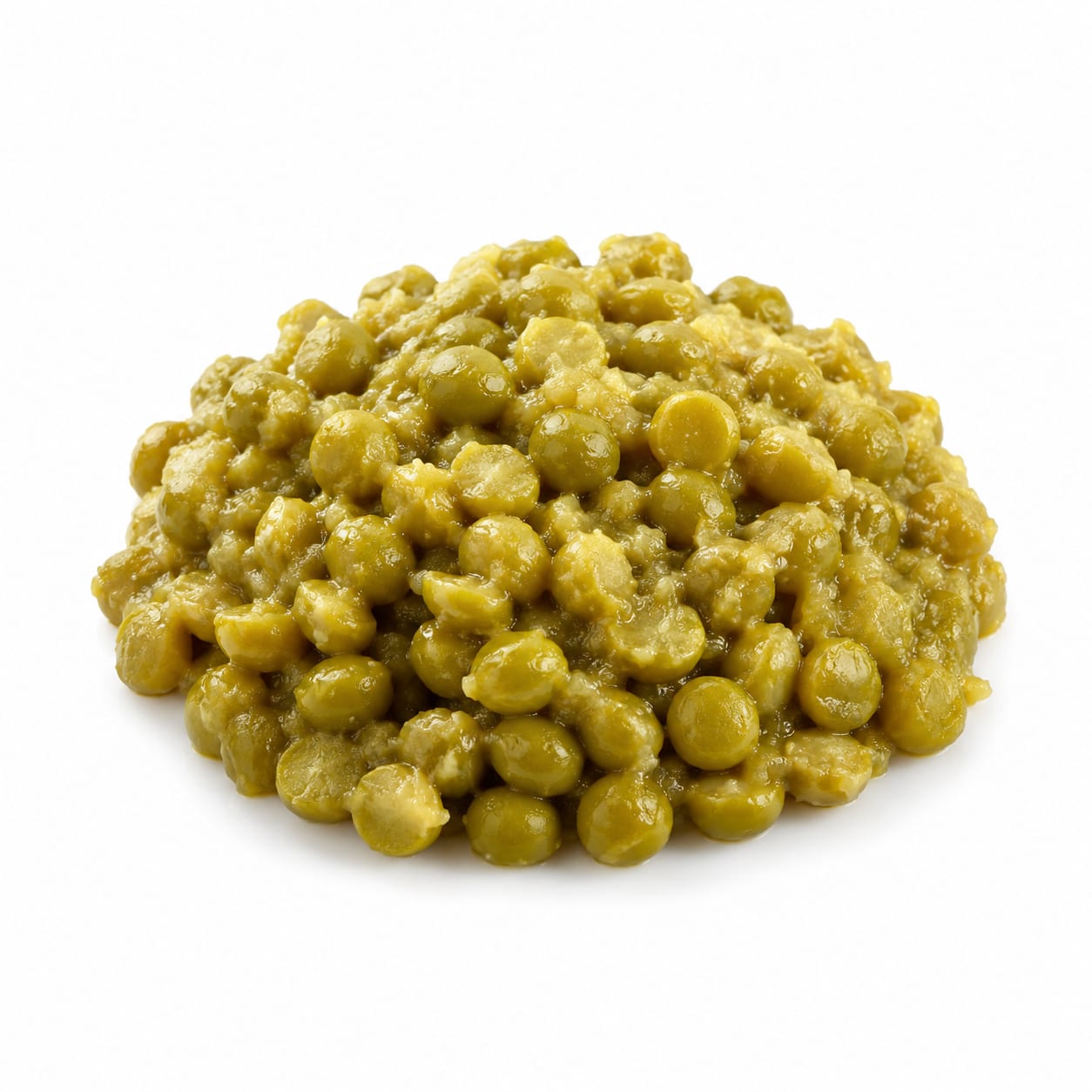
Split Pea
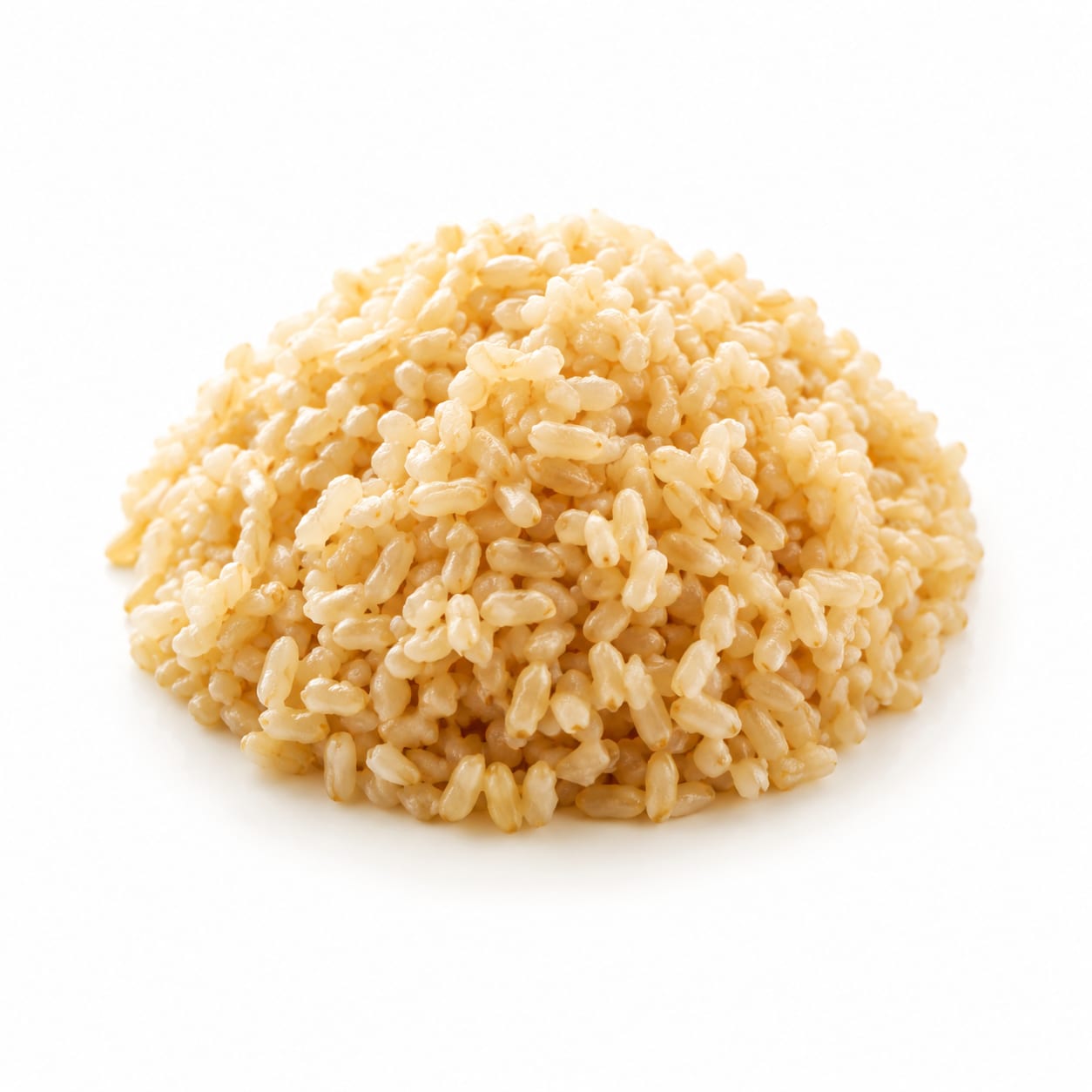
Brown Rice
Split Pea dominates in protein and fiber, making it far more filling and blood-sugar-friendly, while Brown Rice offers lighter digestion and greater meal versatility.
Split Pea scores higher due to its exceptional protein and fiber content, though Brown Rice remains a solid, gentle carb source.
Massive satiety and protein boost versus a lighter, more versatile carbohydrate base.
At a glance
Executive summary
Overall
Split Pea
Healthier
Split Pea
More practical
Brown Rice
Daily use
It depends
Key comparison lenses
Plant-based protein and satiety comparison
Split Pea offers significantly more protein than Brown Rice, making it a key differentiator for vegetarians and vegans.
Fiber intake and blood sugar management
Split Pea has dramatically more fiber, heavily impacting fullness and glycemic response.
Digestive comfort and meal versatility
Brown Rice is gentler on digestion and acts as a more neutral culinary base compared to Split Pea.
Best choice for
Split Pea
- People seeking high plant-based protein
- Those managing blood sugar or diabetes
- Anyone needing more fiber to stay full
Brown Rice
- Those with sensitive digestion or IBS
- People wanting a neutral carb base for meals
- Athletes needing quick carb replenishment
Least suitable for
Split Pea
- People prone to bloating or gas from legumes
- Those wanting a light pre-workout meal
Brown Rice
- People looking for high-protein meals
- Those struggling with blood sugar spikes
Deep comparison
Dimension by dimension
Each lens scores both foods and breaks down who each option suits.
- Dimension 1 · Priority 95Split Pea
Protein & Satiety
Split Pea · 95Brown Rice · 45Split Pea delivers over three times the protein of Brown Rice, keeping you full for hours.
Tradeoff
You get heavy satiety from Split Pea instead of the lighter, quicker-digesting energy from Brown Rice.
Why it matters
Higher protein meals reduce snacking and support muscle maintenance effortlessly.
Real-world impact
A Split Pea soup at lunch prevents the 3 PM energy crash and vending machine cravings.
Split Pea
- Staying full between meals
- Muscle maintenance on a plant-based diet
Better for
- Light snacking before physical activity
Worse for
Brown Rice
- Eating before a workout without feeling heavy
Better for
- Avoiding hunger pangs on a calorie deficit
Worse for
- Dimension 2 · Priority 90Split Pea
Fiber & Blood Sugar Control
Split Pea · 98Brown Rice · 50Split Pea contains roughly seven times the fiber of Brown Rice, drastically slowing sugar absorption.
Tradeoff
Split Pea stabilizes energy beautifully but can cause digestive discomfort if you aren't used to high fiber.
Why it matters
Steady blood sugar means fewer energy crashes and better long-term metabolic health.
Real-world impact
You avoid the post-meal food coma and stay energized straight through the afternoon.
Split Pea
- Managing diabetes or insulin resistance
- Improving gut microbiome diversity
Better for
- Those not gradually increasing fiber intake
Worse for
Brown Rice
- Easing back into eating after stomach illness
Better for
- Preventing blood sugar spikes
Worse for
- Dimension 3 · Priority 75Brown Rice
Digestive Tolerance
Split Pea · 55Brown Rice · 85Brown Rice is gentle and well-tolerated, while Split Pea can cause gas and bloating in sensitive individuals.
Tradeoff
Brown Rice sacrifices the massive fiber benefits for a much calmer stomach experience.
Why it matters
Digestive discomfort can ruin productivity and make you regret your meal choice.
Real-world impact
Brown Rice is a safe bet for a work lunch; Split Pea might leave you feeling uncomfortably bloated at your desk.
Split Pea
- Feeding beneficial gut bacteria with prebiotics
Better for
- Date nights or important meetings where bloating is a dealbreaker
Worse for
Brown Rice
- Avoiding awkward gas or bloating at work
- Eating with a sensitive stomach
Better for
- Resolving chronic constipation
Worse for
- Dimension 4 · Priority 70Brown Rice
Culinary Versatility
Split Pea · 50Brown Rice · 90Brown Rice adapts to almost any cuisine, while Split Pea is mostly limited to soups and stews.
Tradeoff
Brown Rice offers endless meal possibilities but brings less nutritional punch per bite.
Why it matters
Food variety keeps meals interesting and makes healthy eating easier to sustain.
Real-world impact
You can throw Brown Rice into stir-fries, bowls, or wraps all week without getting bored.
Split Pea
- Making comforting, hearty winter meals
Better for
- Creating light, summery dishes
Worse for
Brown Rice
- Building flexible meal-prep bowls
- Absorbing flavorful sauces
Better for
- Making a protein-centric main dish
Worse for
Timeline
Health impact over time
Short-term
Hours to days
Split Pea
- High fullness after meals
- Potential gas or bloating
- Steady energy without a crash
Brown Rice
- Quick energy replenishment
- Gentle on the stomach
- Mild blood sugar rise depending on portion
Long-term
Months to years
Split Pea
- Improved cholesterol levels
- Better blood sugar management
- Healthier gut microbiome
Brown Rice
- Consistent whole grain intake for heart health
- Easier weight maintenance if portions are controlled
Risk profile
Safety & processing
Both Split Pea and Brown Rice are whole, minimally processed foods with no artificial additives.
Split Pea
Antinutrients (phytic acid)
lowSplit Peas contain phytic acid which can slightly reduce mineral absorption, but soaking or cooking mitigates this.
Brown Rice
Arsenic contamination
mediumBrown Rice can accumulate inorganic arsenic from soil; rinsing thoroughly and cooking with extra water reduces levels.
Who wins for whom
Audience fit
Same foods, different winners depending on your goal.
children
Brown RiceBrown Rice is gentler on developing digestive systems and more likely to be accepted by picky eaters.
daily consumption
It dependsRotating both is ideal; Split Pea for protein and fiber, Brown Rice for gentle carbs and variety.
diabetes
Split PeaThe exceptional fiber content in Split Pea slows glucose absorption, preventing sharp blood sugar spikes.
elderly
It dependsSplit Pea helps with blood sugar and cholesterol, but Brown Rice is easier to digest if appetite or digestion is weak.
muscle gain
Split PeaWith three times the protein, Split Pea supports muscle repair far better than Brown Rice.
weight loss
Split PeaSplit Pea's high protein and fiber create a massive satiety advantage, making it easier to eat fewer calories overall.
Your move
Decision guide
Choose Split Pea
- You want to stay full for hours on fewer calories
- You need a plant-based protein boost
- You are managing blood sugar or diabetes
- You love hearty soups and stews
Choose Brown Rice
- You have a sensitive stomach or are prone to bloating
- You need a neutral base for stir-fries or curries
- You want quick energy before or after a workout
- You are meal-prepping diverse flavor profiles
Either works if
- You want a whole-food, minimally processed carb source
- You are building healthy grain and legume bowls
Avoid both if
- You are on a strict low-carb or keto diet
Final recommendation
Choose Split Pea if your priority is protein, fiber, and feeling full; choose Brown Rice if you want a gentle, versatile carb base. Combining them in a single meal gives you a complete protein and a perfect balance of nutrients.
Practical
Consumer tips
- 1
Rinse Brown Rice thoroughly and cook it like pasta in excess water to reduce arsenic levels by up to 50%.
- 2
Soak Split Peas for a few hours or overnight to reduce cooking time and make them easier to digest.
- 3
Add spices like cumin or fennel to Split Pea soup to reduce gassiness.
- 4
Combine Brown Rice and Split Pea in a bowl for a complete protein profile with balanced digestion.