
Nutrition comparison
Split Peas vs Black Beans: Nutrition, Protein, and Fiber Compared
Split Peas vs Black Beans: Which legume is healthier? Compare fiber, protein, weight loss benefits, and culinary uses to find the best fit for your diet.
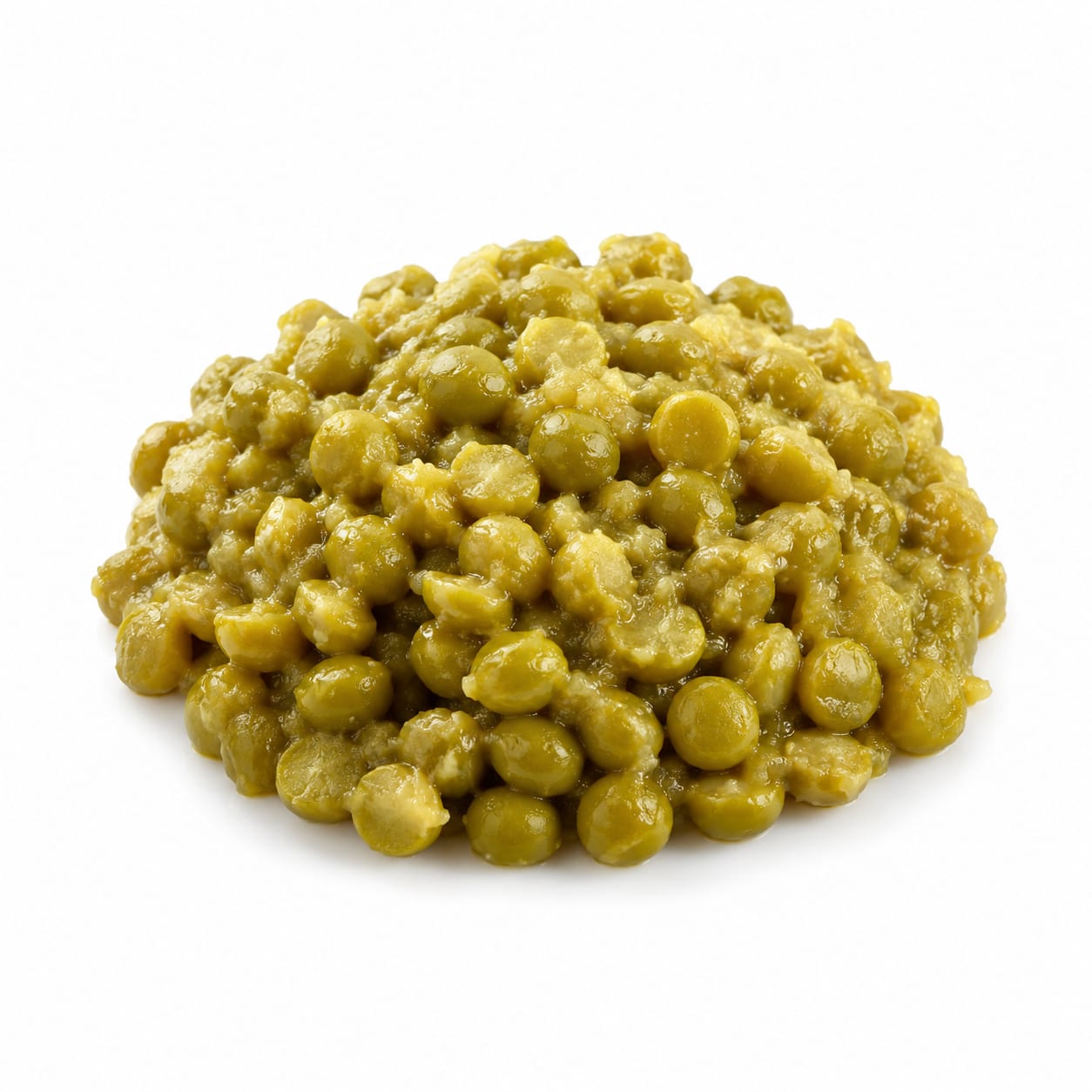
Split Pea
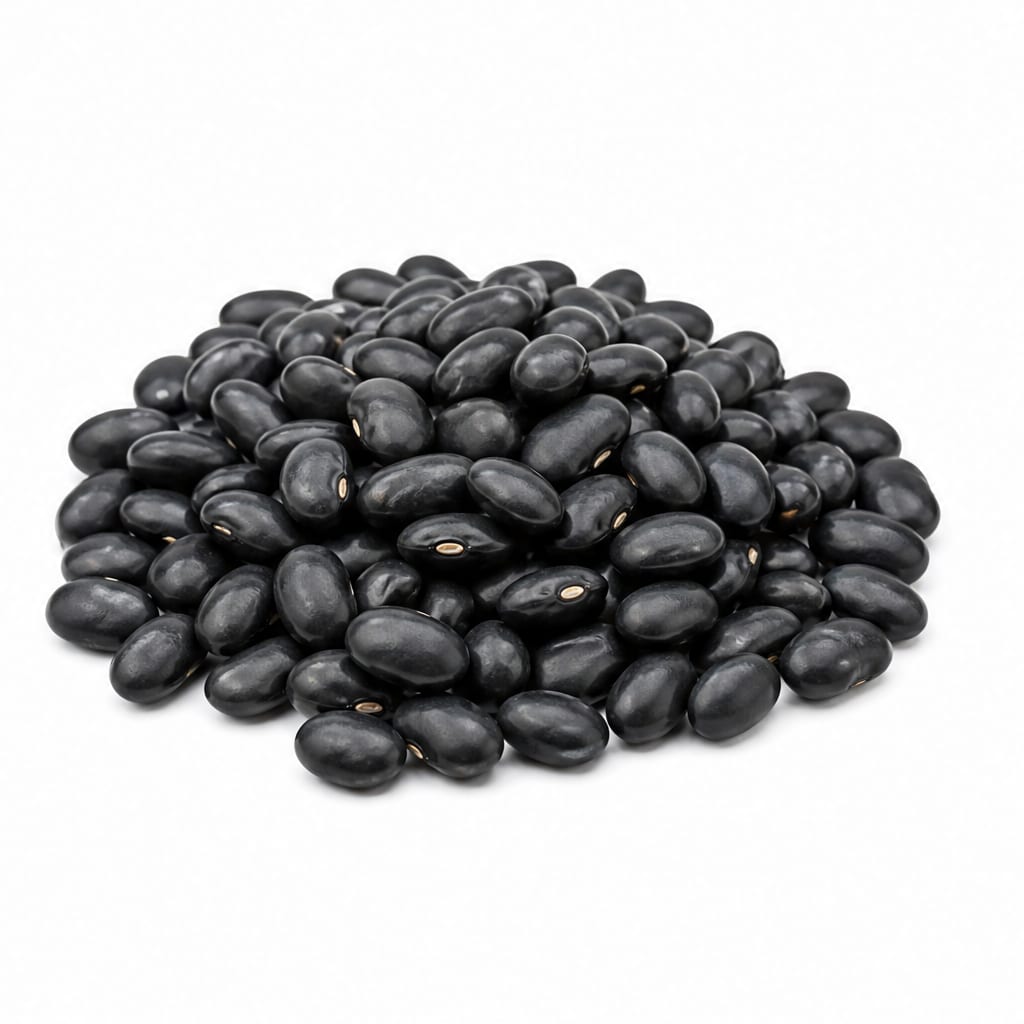
Black Beans
Both are nutritional powerhouses, but Split Peas edge ahead for soluble fiber and satiety, while Black Beans offer slightly more protein and culinary versatility.
Black Beans score slightly higher due to better protein density and the convenience of widely available canned options, though both are exceptional choices.
Satiety and cholesterol-lowering fiber from Split Peas versus slightly higher protein and easier everyday integration from Black Beans.
At a glance
Executive summary
Overall
It depends
Healthier
It depends
More practical
Black Beans
Daily use
Black Beans
Key comparison lenses
Fiber type and digestive impact
Split Peas are uniquely high in soluble fiber, while Black Beans offer a strong mix of soluble and insoluble fiber, affecting satiety and digestion differently.
Protein density for plant-based diets
Both are staple protein sources for vegetarians and vegans, making small differences in protein density highly relevant.
Blood sugar management
Legumes are critical for glycemic control, but the soluble fiber in Split Peas may slow glucose absorption slightly better.
Culinary versatility and convenience
Black Beans hold their shape for salads and bowls, whereas Split Peas break down into soups and dips, changing how they fit into weekly meal prep.
Best choice for
Split Pea
- Lowering cholesterol with soluble fiber
- Thickening soups and stews naturally
- Maximum fullness per calorie
Black Beans
- Building muscle on a plant-based diet
- Quick weeknight tacos or grain bowls
- Adding plant-based protein to cold salads
Least suitable for
Split Pea
- People highly sensitive to soluble fiber fermentation (gas/bloating)
- Those wanting a quick no-cook canned option for salads
Black Beans
- People strictly limiting total carbohydrate intake
- Those prone to digestive distress from insoluble fiber
Deep comparison
Dimension by dimension
Each lens scores both foods and breaks down who each option suits.
- Dimension 1 · Priority 95Split Pea
Fiber & Digestion
Split Pea · 92Black Beans · 85Split Peas provide more total and soluble fiber, creating a thicker gel in your gut that keeps you fuller for longer. Black Beans still offer excellent fiber but with a slightly different texture and satiety profile.
Tradeoff
The high soluble fiber in Split Peas is amazing for cholesterol but ferments heavily in the gut, potentially causing more gas than Black Beans for sensitive individuals.
Why it matters
Soluble fiber acts like a sponge, slowing digestion and steadying blood sugar, while insoluble fiber acts like a broom, keeping things moving through the colon.
Real-world impact
A bowl of Split Pea soup will likely keep you full straight through the afternoon, whereas a Black Bean bowl might leave you looking for a snack a bit sooner.
Split Pea
- Lowering LDL cholesterol
- Sustained satiety between meals
Better for
- Severe bloating if you increase intake too fast
Worse for
Black Beans
- Promoting regular bowel movements
- Easier digestion for some sensitive stomachs
Better for
- Slightly less effective at blunting blood sugar spikes
Worse for
- Dimension 2 · Priority 90Black Beans
Protein Density
Split Pea · 78Black Beans · 88Black Beans pack slightly more protein per calorie, making them a better building block for muscle maintenance and repair. Split Peas are no slouch, but lean a bit heavier on carbohydrates.
Tradeoff
Choosing Black Beans gives you a modest protein edge, but you miss out on the massive soluble fiber advantage that Split Peas deliver.
Why it matters
For plant-based eaters, every gram of protein matters. A slightly higher protein density makes hitting daily targets easier without relying on supplements.
Real-world impact
If you are trying to hit 100g of protein a day on a vegan diet, swapping in Black Beans saves you a bit of effort compared to Split Peas.
Split Pea
- Endurance athletes needing complex carbs with moderate protein
Better for
- Pure muscle-building phases requiring high protein-to-carb ratios
Worse for
Black Beans
- Strength athletes needing higher protein ratios
- Older adults preventing muscle loss
Better for
- Low-carb diet phases
Worse for
- Dimension 3 · Priority 85Split Pea
Blood Sugar Control
Split Pea · 90Black Beans · 86Split Peas have a slight edge due to their higher soluble fiber content, which slows glucose absorption more effectively. Black Beans are still incredibly steady on blood sugar, just a close second.
Tradeoff
The blood sugar benefit of Split Peas comes with a higher total carbohydrate load, which requires insulin response, even if it is delayed.
Why it matters
Slower glucose absorption means less insulin is needed, reducing the risk of energy crashes and long-term insulin resistance.
Real-world impact
Eating Split Peas before a long work shift will give you steadier energy without the mid-afternoon crash that simpler carbs cause.
Split Pea
- Diabetics aiming for minimal glucose variability
- Combating afternoon energy slumps
Better for
- Very low-carb diets where total carbs must be minimized
Worse for
Black Beans
- Balanced meals where protein and fiber work together
Better for
- Those needing maximum glycemic control per gram of carbohydrate
Worse for
- Dimension 4 · Priority 80Black Beans
Practicality & Versatility
Split Pea · 70Black Beans · 90Black Beans are a kitchen staple because they hold their shape well in salads, bowls, and tacos. Split Peas break down when cooked, making them ideal for soups but less versatile for standalone dishes.
Tradeoff
Black Beans offer easy, diverse meal options, especially from a can, but Split Peas cook faster from dry without needing a soak.
Why it matters
If a food is easy to use in multiple meals, you are far more likely to eat it consistently instead of ordering takeout.
Real-world impact
You can toss canned Black Beans into a salad in 30 seconds, but Split Peas generally require a 45-minute simmer to become a comforting soup.
Split Pea
- Quick-cooking dried legumes (no soaking required)
- Thickening agents for curries and stews
Better for
- Making a quick cold side dish
Worse for
Black Beans
- Cold salads and grain bowls
- Fast canned convenience
Better for
- Dried cooking requires long soaking and boiling times
Worse for
- Dimension 5 · Priority 75Black Beans
Micronutrients
Split Pea · 75Black Beans · 85Black Beans deliver more iron, magnesium, and folate per serving. Split Peas offer a bit more potassium and B vitamins, but Black Beans generally win the micronutrient density contest.
Tradeoff
Black Beans provide nutrients crucial for energy and blood health, while Split Peas offer nutrients more focused on fluid balance and nerve function.
Why it matters
Iron and folate are common deficiencies, especially in plant-based diets, making Black Beans a strategic choice for filling those gaps.
Real-world impact
Regularly eating Black Beans can help keep your energy up by supporting healthy blood oxygenation, reducing feelings of fatigue.
Split Pea
- Supporting healthy blood pressure with potassium
Better for
- Those needing a strong iron boost
Worse for
Black Beans
- Preventing iron-deficiency anemia
- Supporting pregnancy with high folate
Better for
- Those who need to strictly limit magnesium intake
Worse for
Timeline
Health impact over time
Short-term
Hours to days
Split Pea
- Highly filling, reduces the urge to snack between meals
- Can cause significant gas and bloating if you increase intake too quickly
Black Beans
- Provides steady, crash-free energy for hours
- May cause digestive discomfort if undercooked or eaten in very large portions
Long-term
Months to years
Split Pea
- Strongly supports cardiovascular health by binding and removing cholesterol
- Feeds beneficial gut bacteria for improved digestion over time
Black Beans
- Helps maintain lean muscle mass due to higher protein density
- Improves long-term insulin sensitivity and reduces type 2 diabetes risk
Risk profile
Safety & processing
Both Split Peas and Black Beans are whole, minimally processed foods in their dried form. Canned Black Beans are convenient and still highly natural, though rinsing is recommended to remove excess sodium.
Split Pea
Phytic acid
lowSplit Peas contain phytic acid which can slightly reduce mineral absorption, but this is easily mitigated by proper cooking.
Black Beans
Undercooking gastrointestinal distress
mediumWhile not as dangerous as kidney beans, undercooked Black Beans contain lectins that can cause nausea and GI upset.
BPA in can linings
lowCanned Black Beans may be exposed to BPA from can linings, though many brands now use BPA-free alternatives.
Who wins for whom
Audience fit
Same foods, different winners depending on your goal.
children
Black BeansBlack Beans are more familiar in kid-friendly meals like quesadillas or tacos, and their firm texture is often more appealing to picky eaters.
daily consumption
Black BeansBlack Beans integrate more seamlessly into a wide variety of daily meals, from breakfast hashes to dinner bowls.
diabetes
Split PeaThe superior soluble fiber content in Split Peas slows down carbohydrate absorption, leading to slightly better post-meal blood sugar control.
elderly
Split PeaSplit Peas cook down to a soft, easy-to-chew texture and their soluble fiber is excellent for managing cholesterol in older adults.
muscle gain
Black BeansBlack Beans provide a higher protein density per serving, supporting muscle repair and growth more effectively.
weight loss
Split PeaSplit Peas offer slightly more soluble fiber, which expands in the stomach and provides a stronger feeling of fullness to prevent overeating.
Your move
Decision guide
Choose Split Pea
- You want maximum fullness and cholesterol-lowering power
- You love hearty, comforting soups and curries
- You want a fast-cooking dried legume that doesn't require soaking
Choose Black Beans
- You prioritize higher protein intake for muscle maintenance
- You want a versatile bean for salads, tacos, and grain bowls
- You rely on the convenience of canned legumes
Either works if
- You just need a healthy, fiber-rich plant-based staple
- You are meal-prepping hearty lunches for the week
Avoid both if
- You have severe IBS or are in the elimination phase of a low-FODMAP diet
Final recommendation
Keep both in your pantry for different moods and meals. Reach for Split Peas when you want a thick, comforting soup that sticks to your ribs, and rely on Black Beans when you need a versatile, protein-packed addition to quick weeknight meals.
Practical
Consumer tips
- 1
Rinse canned Black Beans thoroughly to wash away up to 40% of the added sodium.
- 2
Split Peas do not require soaking, making them a fantastic last-minute dried legume option.
- 3
Add a strip of kombu seaweed to the cooking water for either legume to help break down gas-causing compounds.
- 4
Start with small portions if you don't usually eat a high-fiber diet to give your digestive system time to adjust.