
Nutrition comparison
Split Peas vs Chickpeas: Nutrition, Satiety, and Which is Better
Comparing split peas and chickpeas for weight loss, blood sugar, and meal versatility. Find out which legume fits your health goals best.
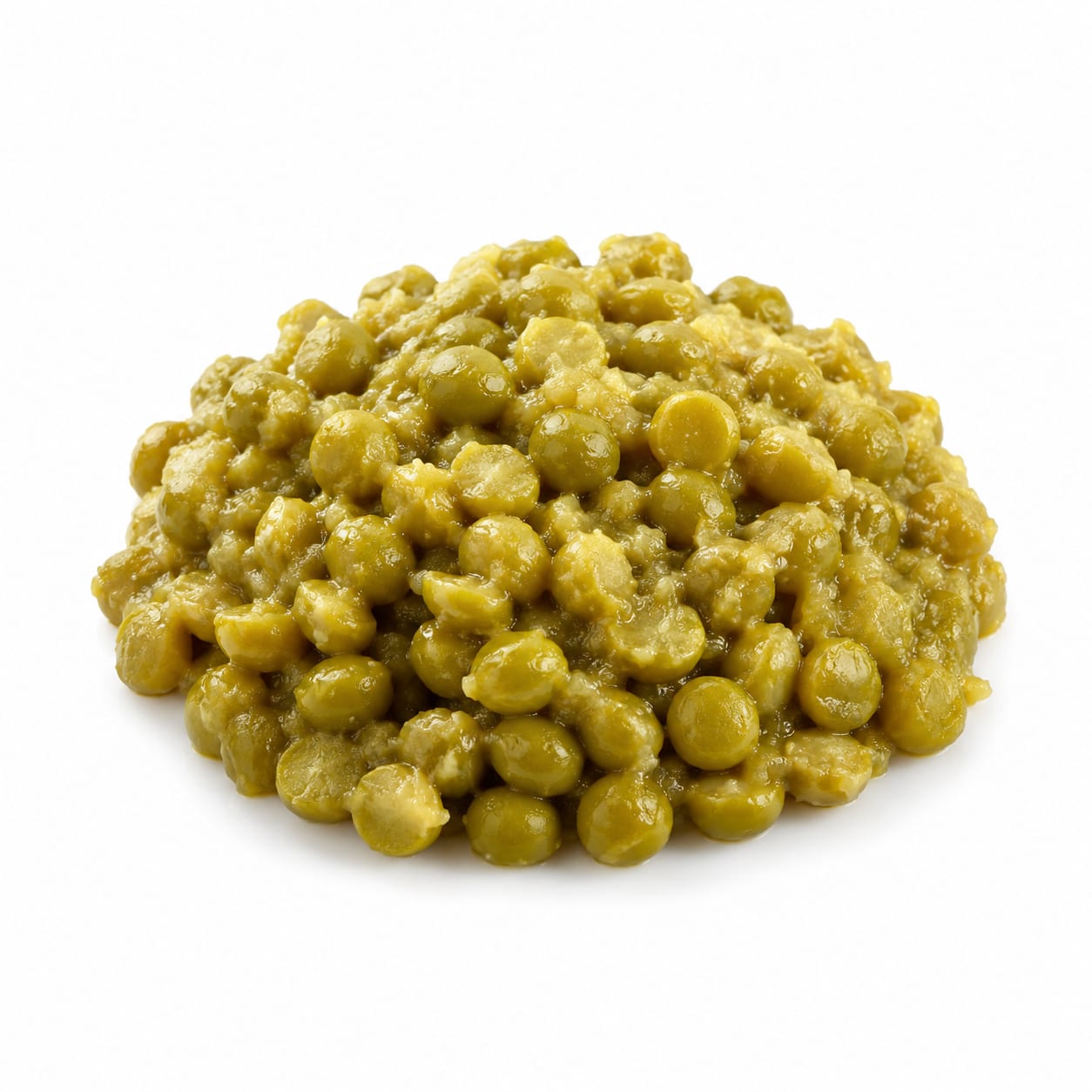
Split Pea
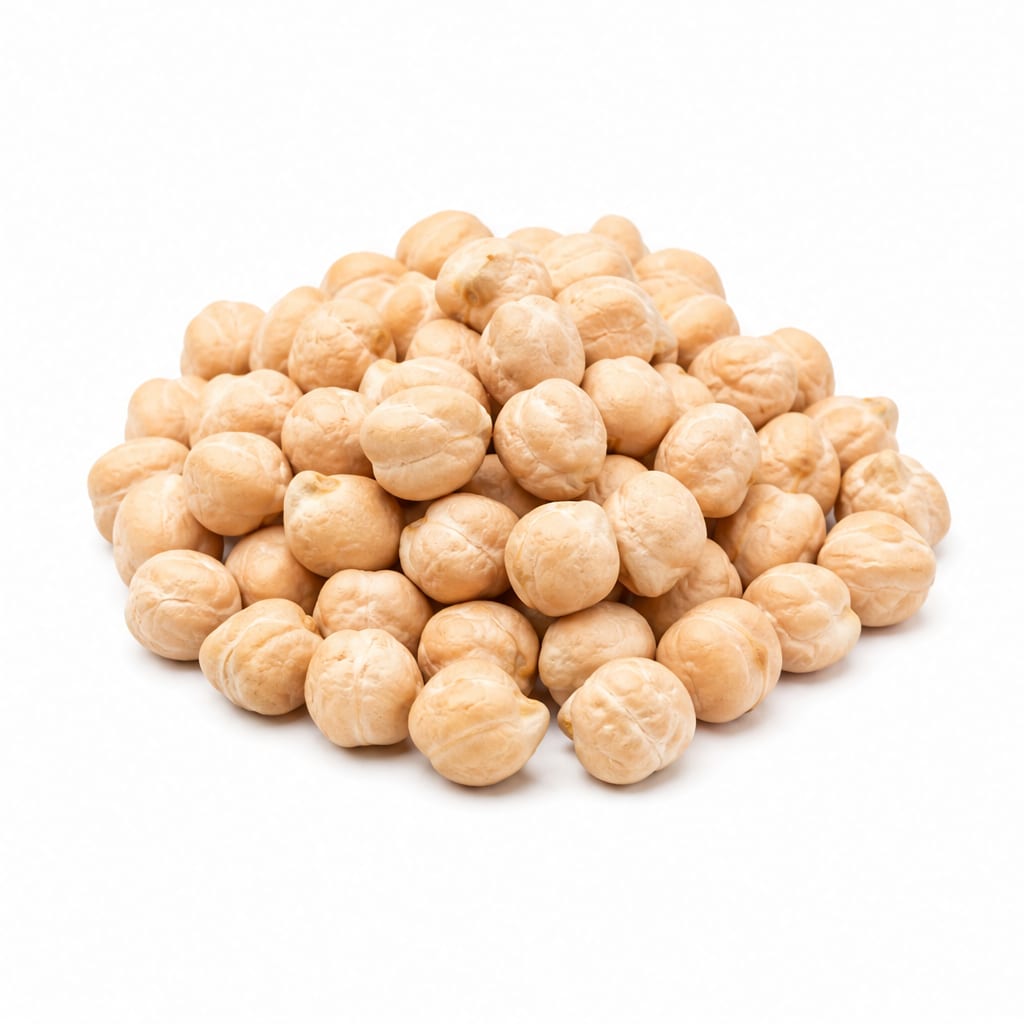
Chickpeas
Split peas pack more protein and fiber per bite, making them a satiety powerhouse, while chickpeas offer unmatched versatility and a broader micronutrient profile.
Chickpeas score slightly higher overall due to their incredible culinary versatility and richer micronutrient profile, but split peas are nutritionally superior for strict weight loss and blood sugar control.
Maximum fullness and faster cooking from dried with split peas versus culinary flexibility and richer micronutrients like folate with chickpeas.
At a glance
Executive summary
Overall
It depends
Healthier
Split Pea
More practical
Chickpeas
Daily use
Chickpeas
Key comparison lenses
Satiety and weight management
Split peas offer significantly more fiber and protein per calorie, making them a top choice for feeling full longer.
Culinary versatility and meal prep
Chickpeas can be roasted, mashed, or tossed in salads, while split peas are mostly limited to soups and stews.
Blood sugar control
Split peas have a lower glycemic index and higher fiber density, leading to steadier blood sugar responses.
Micronutrient diversity
Chickpeas provide a broader range of vitamins and minerals, particularly folate and iron, supporting energy and cellular repair.
Best choice for
Split Pea
- Strict weight loss and calorie counting
- Managing type 2 diabetes or insulin resistance
- Quick dried-legume meals without soaking
- Hearty, comforting cold-weather meals
Chickpeas
- Meal prep and batch cooking diverse dishes
- Plant-based snack alternatives like roasting
- Boosting folate and iron intake naturally
- Adding to cold salads and grain bowls
Least suitable for
Split Pea
- People who dislike mushy or thick soup textures
- Those wanting a crunchy, snackable legume
- Anyone seeking diverse culinary applications daily
Chickpeas
- People strictly minimizing calorie density per serving
- Those who forget to soak dried beans overnight and dislike canned options
- Individuals looking for the absolute fastest cook time from dried
Deep comparison
Dimension by dimension
Each lens scores both foods and breaks down who each option suits.
- Dimension 1 · Priority 92Split Pea
Satiety and Fullness
Split Pea · 94Chickpeas · 82Split peas deliver more protein and fiber per calorie, keeping you full longer on less food.
Tradeoff
You get maximum fullness from split peas, but chickpeas offer a more satisfying mouthfeel and crunch potential.
Why it matters
Staying full helps prevent overeating and makes sticking to a healthy eating pattern much easier.
Real-world impact
A bowl of split pea soup will likely keep you full from lunch until dinner, while a chickpea salad might have you reaching for a snack a bit earlier.
Split Pea
- Controlling portions without feeling deprived
- Long stretches between meals
- Reducing overall daily calorie intake
Better for
- Right before intense exercise when you need light energy
Worse for
Chickpeas
- Post-workout meals where you need moderate volume
- Active individuals needing steady but not heavy fuel
Better for
- Late-night eating where you need maximum satiety with minimal calories
Worse for
- Dimension 2 · Priority 88Chickpeas
Culinary Versatility
Split Pea · 50Chickpeas · 96Chickpeas can be roasted, mashed, baked, or tossed in salads. Split peas are almost exclusively used in soups and dal.
Tradeoff
Split peas break down into a comforting, thick texture, while chickpeas hold their shape for varied dishes.
Why it matters
Eating the same food daily gets boring. Versatility makes healthy eating sustainable long-term.
Real-world impact
You can use chickpeas three different ways in a single week without feeling like you are repeating meals, whereas split peas usually mean a big pot of soup.
Split Pea
- Thickening soups and stews without cream
- Making comforting, hearty winter meals
Better for
- Cold salads
- Crunchy textures
- Quick stir-fries
Worse for
Chickpeas
- Crispy roasted snacks
- Blending into dips like hummus
- Adding plant-based substance to salads
- Making chickpea flour for baking
Better for
- Creamy, blended thick soups
Worse for
- Dimension 3 · Priority 85Split Pea
Blood Sugar Stability
Split Pea · 91Chickpeas · 80Split peas have a lower glycemic index and higher fiber density, causing a slower, steadier rise in blood sugar.
Tradeoff
Chickpeas are still excellent for blood sugar compared to grains, but split peas are the gold standard among legumes for glycemic control.
Why it matters
Stable blood sugar prevents the afternoon energy crash and reduces cravings for sugary foods.
Real-world impact
Eating split peas at lunch makes a mid-afternoon energy crash and coffee craving much less likely.
Split Pea
- Insulin resistance management
- Preventing sugar spikes and crashes
- Steady, long-lasting energy
Better for
- Scenarios where you need quick, immediate energy
Worse for
Chickpeas
- Pre-workout fuel that digests slightly faster
Better for
- Strict diabetic meal planning requiring the lowest possible glycemic load
Worse for
- Dimension 4 · Priority 78Chickpeas
Micronutrient Profile
Split Pea · 74Chickpeas · 88Chickpeas provide significantly more folate, iron, and healthy fats, supporting energy and cellular repair.
Tradeoff
Split peas offer slightly more protein and fiber, but chickpeas deliver a wider array of essential vitamins and minerals.
Why it matters
Micronutrients drive energy production, immune function, and long-term disease prevention.
Real-world impact
Choosing chickpeas helps you hit your daily iron and folate targets more easily, which is crucial for energy and preventing anemia.
Split Pea
- Maximizing pure protein intake on a plant-based diet
Better for
- Those needing an iron boost
- Prenatal nutrition requirements
Worse for
Chickpeas
- Pregnancy nutrition due to high folate
- Combating fatigue with higher iron content
- Getting healthy polyunsaturated fats
Better for
- Diets where maximizing protein-to-calorie ratio is the only goal
Worse for
- Dimension 5 · Priority 75Split Pea
Convenience and Prep Time
Split Pea · 86Chickpeas · 72Dried split peas cook in about 45 minutes without soaking. Dried chickpeas require overnight soaking and over an hour of cooking.
Tradeoff
From dried, split peas are much faster. However, canned chickpeas are ubiquitous and close the convenience gap instantly.
Why it matters
Long prep times deter people from cooking healthy foods from scratch.
Real-world impact
You can decide to make split pea soup an hour before dinner. Dried chickpeas require planning a day ahead unless you use a pressure cooker.
Split Pea
- Last-minute dinner decisions
- Avoiding the need to remember to soak beans overnight
Better for
- No convenient canned whole option for salads
Worse for
Chickpeas
- Grab-and-go canned options for instant meal prep
- Quick snacking straight from a can
Better for
- Cooking from dried without a pressure cooker or pre-planning
Worse for
Timeline
Health impact over time
Short-term
Hours to days
Split Pea
- Rapid and prolonged feeling of fullness
- Possible gas and bloating if your body is not used to very high fiber
- Steady energy without a sugar crash
Chickpeas
- Good sustained energy for active days
- Versatile enough to pair with carbs for balanced meals
- Slightly less filling per serving compared to split peas
Long-term
Months to years
Split Pea
- Excellent for weight maintenance due to high satiety
- Improved cholesterol levels from soluble fiber
- Better long-term blood sugar control
Chickpeas
- Strong heart health support from healthy fats and fiber
- Improved digestion and gut microbiome diversity
- Better iron status and anemia prevention
Risk profile
Safety & processing
Both split peas and dried chickpeas are whole, minimally processed foods. Canned versions of both are still clean but may contain added sodium, which is easily rinsed away.
Split Pea
Digestive discomfort
mediumThe extremely high fiber content in split peas can cause gas and bloating if introduced too quickly into the diet.
Purine content
lowSplit peas contain moderate purines, which might be a minor concern for individuals with severe gout, though less than animal sources.
Chickpeas
BPA in canned linings
mediumIf using canned chickpeas, there is a potential risk of BPA exposure from can linings, though many brands now use BPA-free alternatives.
Digestive discomfort
mediumChickpeas contain oligosaccharides that can cause gas, though soaking and cooking properly reduces this significantly.
Who wins for whom
Audience fit
Same foods, different winners depending on your goal.
children
ChickpeasHummus and roasted chickpeas are highly kid-friendly, offering fun textures and mild flavors that children accept more readily.
daily consumption
ChickpeasChickpeas can be integrated into a wider variety of daily meals without flavor fatigue, from breakfast hashes to dinner curries.
diabetes
Split PeaThe lower glycemic index and higher soluble fiber content in split peas provide superior blood sugar stabilization.
elderly
Split PeaSplit peas cook down into a soft, easy-to-chew texture and provide concentrated nutrition for smaller appetites.
muscle gain
ChickpeasChickpeas offer a more complete amino acid profile when paired with grains and are easier to eat in larger volumes alongside other protein sources.
weight loss
Split PeaSplit peas provide more fiber and protein per calorie, making it easier to stay in a calorie deficit without feeling hungry.
Your move
Decision guide
Choose Split Pea
- You want the most filling food possible for weight loss
- You are managing diabetes or insulin resistance
- You forgot to soak your beans and need dinner fast
- You love thick, comforting soups and stews
Choose Chickpeas
- You want a crunchy, satisfying plant-based snack
- You are meal-prepping diverse lunches for the week
- You need to boost your iron and folate intake
- You are making salads, bowls, or hummus
Either works if
- You simply need excellent plant-based protein and fiber
- You are looking to reduce meat consumption
- You want to improve heart health and digestion
Avoid both if
- You have severe digestive conditions like IBS that are triggered by high fermentable fiber
- You are on a strict low-purine diet for gout management
Final recommendation
Keep both in your pantry. Use split peas when you need a filling, low-effort soup that stabilizes blood sugar for hours. Rely on chickpeas for versatile meal prep, snacking, and boosting your micronutrient intake.
Practical
Consumer tips
- 1
Rinse canned chickpeas thoroughly under cold water to remove about 40% of the sodium and reduce gassiness.
- 2
You can skip the overnight soak for dried chickpeas by using the quick-boil method: boil for 5 minutes, remove from heat, and let sit for an hour.
- 3
Add a piece of kombu seaweed to the pot when cooking either legume to help break down gas-causing compounds.
- 4
Freeze leftover split pea soup in individual portions for instant, high-ffiber lunches on busy days.
- 5
Roast canned chickpeas at 400°F for 25 minutes with olive oil and smoked paprika for a crave-worthy crunchy snack.