
Nutrition comparison
Split Pea vs Edamame: Nutrition, Protein, and Health Comparison
Compare split peas vs edamame for protein, fiber, and health benefits. Find out which legume is better for weight loss, muscle gain, and daily eating.
Overall winner · Edamame
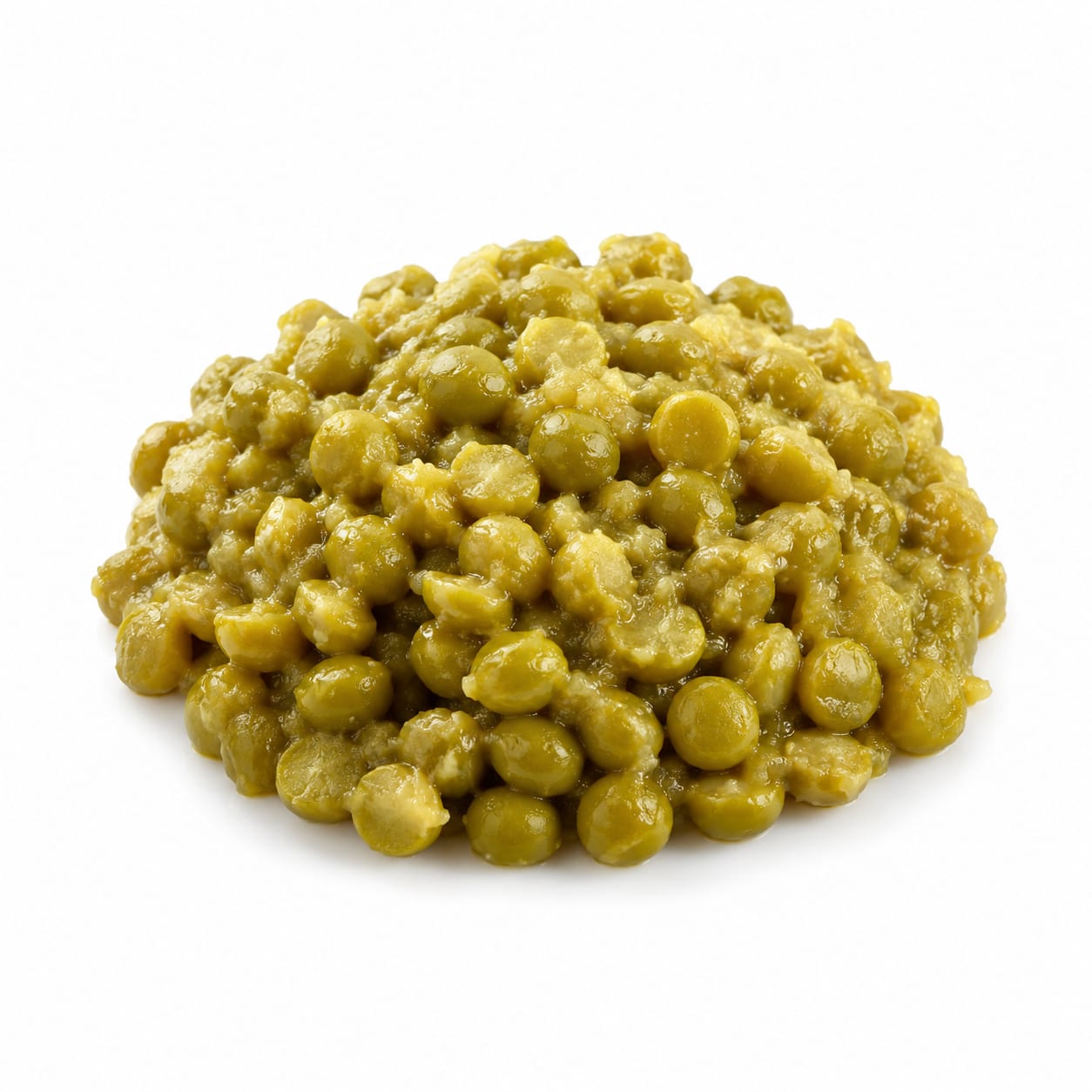
Split Pea
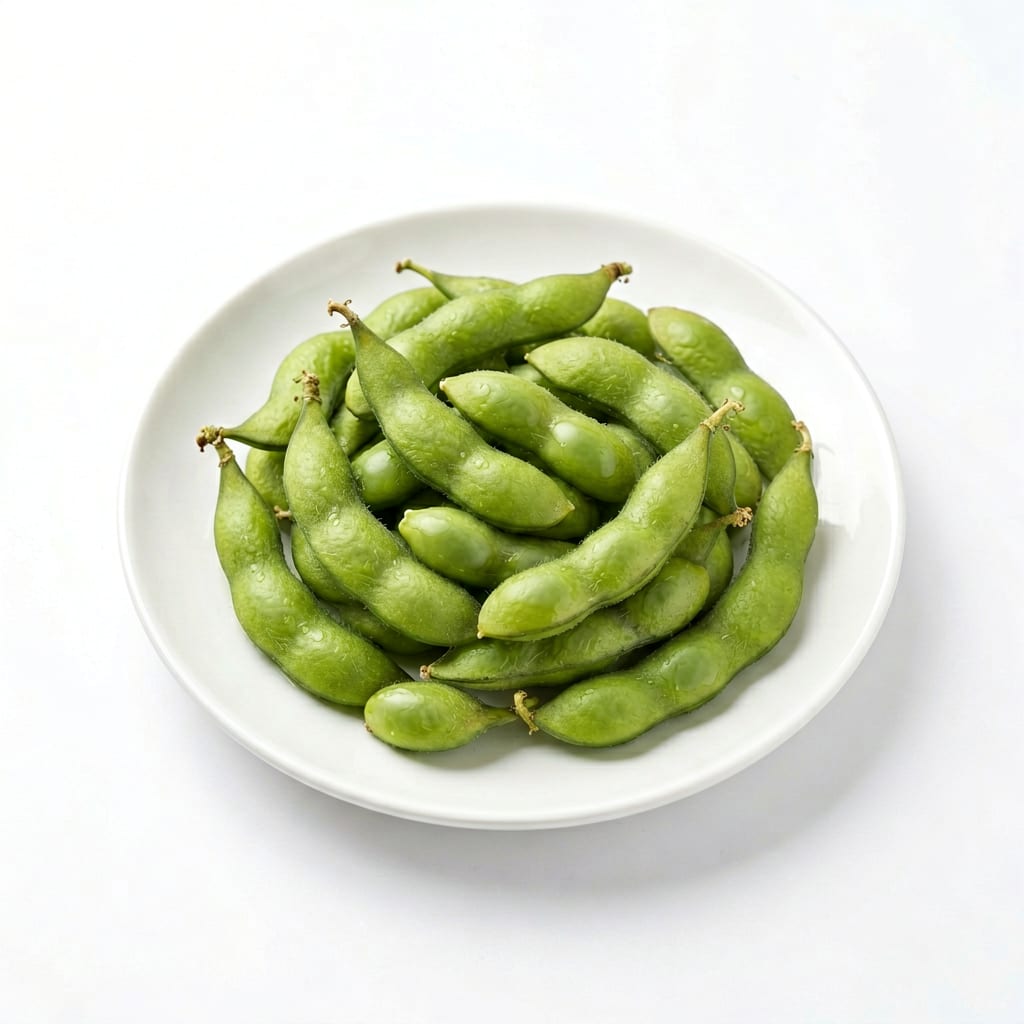
Edamame
Edamame delivers higher-quality protein and healthy fats, while split peas win on fiber and comforting, filling soups.
Edamame scores higher due to its complete protein profile and healthy fats, making it more nutritionally versatile, though split peas remain an excellent high-fiber, budget-friendly choice.
Complete protein and healthy fats in edamame versus the superior fiber and lower cost of split peas.
At a glance
Executive summary
Overall
Edamame
Healthier
Edamame
More practical
Edamame
Daily use
It depends
Key comparison lenses
Plant-based protein quality and completeness
Edamame is a rare complete plant protein, while split peas lack certain amino acids, making this a key differentiator for vegetarians and vegans.
Carbohydrate vs fat energy sources
Split peas are carb-dense and virtually fat-free, whereas edamame offers a low-carb, higher-fat profile, appealing to different dietary philosophies.
Fiber load and digestive impact
Split peas are a fiber powerhouse, drastically altering digestion and satiety compared to the more moderate fiber in edamame.
Soy vs legume allergen and sensitivity concerns
Edamame carries soy allergy and phytoestrogen concerns, while split peas are generally safer for those avoiding soy.
Best choice for
Split Pea
- Budget-friendly meal prep
- Digestive regularity and gut health
- High-fiber diets
- Comforting cold-weather meals
Edamame
- Low-carb and keto-friendly diets
- Muscle recovery and growth
- Complete plant protein needs
- Quick snacking
Least suitable for
Split Pea
- Low-carb diets
- People wanting quick meals
- Those sensitive to high fiber at once
Edamame
- Soy allergy sufferers
- People avoiding phytoestrogens
- Very tight grocery budgets
Deep comparison
Dimension by dimension
Each lens scores both foods and breaks down who each option suits.
- Dimension 1 · Priority 90Edamame
Protein Quality & Muscle Support
Split Pea · 70Edamame · 95Edamame provides a complete protein with all essential amino acids, while split peas lack some amino acids and have less protein per calorie.
Tradeoff
You get more muscle-friendly protein in edamame, but split peas still offer solid protein for a high-carb legume.
Why it matters
Complete proteins are crucial for muscle repair and overall body maintenance, especially on plant-based diets.
Real-world impact
After a workout, edamame will support muscle recovery better than a bowl of split pea soup.
Split Pea
- Sustaining energy during endurance activities
Better for
- Standalone protein source for muscle building
Worse for
Edamame
- Post-workout muscle repair
- Meeting daily amino acid needs on a vegan diet
Better for
- Those with soy allergies
Worse for
- Dimension 2 · Priority 85Split Pea
Digestive Health & Satiety
Split Pea · 95Edamame · 80Split peas are a fiber powerhouse, offering nearly double the fiber of edamame, making them incredibly filling and great for digestion.
Tradeoff
Split peas keep you fuller for longer on fewer calories, but the massive fiber load can cause bloating if you aren't used to it.
Why it matters
High fiber intake is linked to better gut health, weight management, and reduced chronic disease risk.
Real-world impact
A bowl of split pea soup will likely keep you full from lunch until dinner, while edamame might leave you looking for a snack sooner.
Split Pea
- Curing afternoon hunger pangs
- Improving digestive regularity
Better for
- Sudden increases in fiber intake without adjustment
Worse for
Edamame
- Gentle fiber intake for sensitive stomachs
Better for
- Maximizing daily fiber goals easily
Worse for
- Dimension 3 · Priority 80Edamame
Blood Sugar Stability
Split Pea · 70Edamame · 90Edamame's low carb and high protein/fat content keeps blood sugar incredibly stable, whereas split peas have more carbs that can cause a slower but higher rise.
Tradeoff
Edamame is safer for strict blood sugar control, while split peas offer steady energy for active people.
Why it matters
Stable blood sugar prevents energy crashes and cravings.
Real-world impact
Snacking on edamame won't give you an afternoon crash, while a large portion of split peas might make you feel sluggish if you're sitting at a desk.
Split Pea
- Fueling long hikes or active days
Better for
- Strict low-carb diets
Worse for
Edamame
- Managing diabetes or insulin resistance
- Preventing the 3 PM energy slump
Better for
- Replenishing carbs after intense exercise
Worse for
- Dimension 4 · Priority 75Edamame
Healthy Fat Profile
Split Pea · 30Edamame · 90Edamame is rich in heart-healthy polyunsaturated and monounsaturated fats, while split peas are virtually fat-free.
Tradeoff
Edamame provides essential fats for brain and heart health, but split peas are better if you are strictly counting fat calories.
Why it matters
Dietary fats are essential for hormone production and nutrient absorption.
Real-world impact
Adding edamame to a salad helps absorb fat-soluble vitamins from your veggies; split peas won't do that.
Split Pea
- Very low-fat diet protocols
Better for
- Providing essential fatty acids
Worse for
Edamame
- Supporting brain health
- Absorbing vitamins A, D, E, and K
Better for
- Those restricting dietary fat strictly
Worse for
- Dimension 5 · Priority 70Edamame
Convenience & Prep Time
Split Pea · 50Edamame · 90Frozen edamame is ready in minutes, while split peas require at least 30-45 minutes of simmering.
Tradeoff
Edamame is a grab-and-go snack, whereas split peas demand active meal prep.
Why it matters
Convenience often dictates what you actually eat versus what you plan to eat.
Real-world impact
When you're hungry now, edamame is ready in 3 minutes; split pea soup is a weekend project.
Split Pea
- Batch cooking for the week
Better for
- Impatient cooks needing fast meals
Worse for
Edamame
- Last-minute side dishes
- Quick office lunches
Better for
- Creating slow-cooked comfort food
Worse for
Timeline
Health impact over time
Short-term
Hours to days
Split Pea
- Very filling, can cause gas or bloating due to high fiber if unaccustomed
- Provides sustained, slow-burning energy
Edamame
- Quick satiety from protein and fat
- Easy on blood sugar, fast to prepare and eat
Long-term
Months to years
Split Pea
- Excellent for digestive regularity and gut microbiome health
- Supports heart health via soluble fiber
- Helps lower cholesterol over time
Edamame
- Supports muscle maintenance and metabolic health
- Heart-healthy fats reduce inflammation
- Soy isoflavones may support bone density
Risk profile
Safety & processing
Both are whole food legumes with minimal processing. Dried split peas and frozen edamame are typically single-ingredient foods.
Split Pea
Purine content
lowSplit peas contain moderate purines, which might be a concern for people with severe gout.
Anti-nutrients
lowLike all legumes, split peas contain phytic acid, which is largely reduced by cooking.
Edamame
Soy allergy
highSoy is a top 8 allergen; edamame is unsafe for those with soy allergies.
Phytoestrogens
lowEdamame contains isoflavones that mimic estrogen, which is safe for most but may concern those with specific hormone-sensitive conditions.
GMO exposure
mediumMost conventional soy in the US is GMO; choosing organic edamame avoids this.
Who wins for whom
Audience fit
Same foods, different winners depending on your goal.
children
EdamameEdamame is a fun, easy-to-eat snack that provides healthy fats crucial for brain development.
daily consumption
It dependsEdamame is great for daily protein and fats, but daily soy consumption is debated by some, while split peas are a safe, high-fiber staple.
diabetes
EdamameEdamame's low carb and high protein/fat profile prevents blood sugar spikes better than the carb-dense split peas.
elderly
It dependsEdamame helps preserve muscle, but split peas are easier to chew and better for digestion regularity.
muscle gain
EdamameEdamame offers complete, high-quality protein essential for muscle repair and growth.
weight loss
Split PeaSplit peas have fewer calories per serving and more fiber, making it easier to stay in a deficit while feeling incredibly full.
Your move
Decision guide
Choose Split Pea
- You want maximum fiber on a budget
- You are making a comforting soup or stew
- You are sensitive to soy
- You want to feel very full on fewer calories
Choose Edamame
- You need a quick, high-protein snack
- You are eating low-carb
- You want a complete plant protein
- You need healthy fats in your diet
Either works if
- You just want a healthy plant-based side dish
- You are trying to eat more legumes for heart health
Avoid both if
- You have severe legume allergies or FODMAP sensitivities
Final recommendation
Choose edamame for a quick, protein-packed snack or low-carb side, and split peas for a comforting, high-fiber meal that fits a tight budget.
Practical
Consumer tips
- 1
Rinse split peas before cooking to reduce gas-causing compounds.
- 2
Buy organic edamame to avoid GMO soy and pesticide residues.
- 3
If transitioning to high-fiber foods like split peas, increase your water intake to prevent constipation.
- 4
Keep frozen edamame on hand for a 3-minute protein boost when you're short on time.