
Nutrition comparison
Split Pea vs Sweet Potato: Protein, Fiber, and Blood Sugar Compared
Split Pea delivers far more protein and fiber for lasting fullness, while Sweet Potato offers unmatched vitamin A and quick convenience. Which is better for your goals?
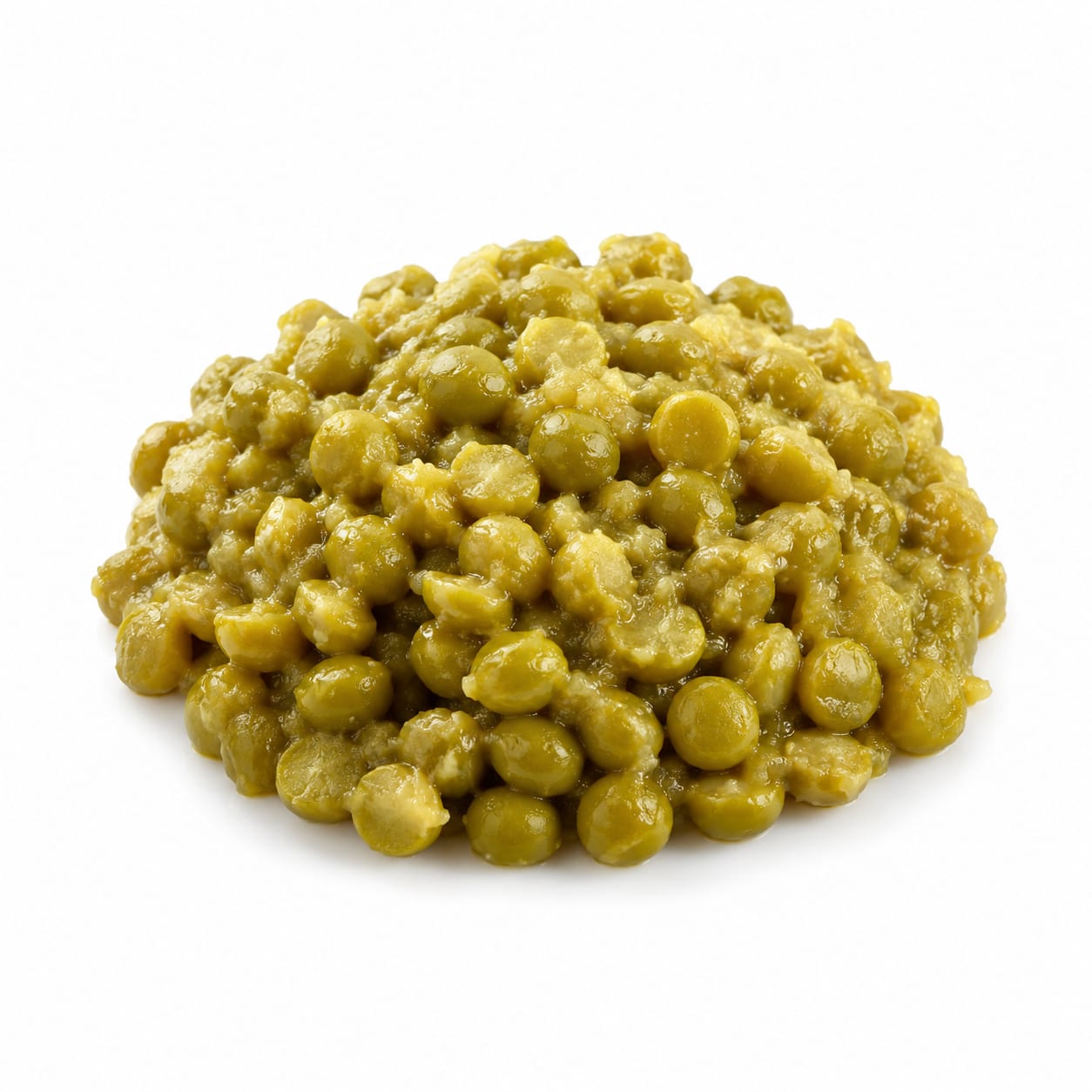
Split Pea
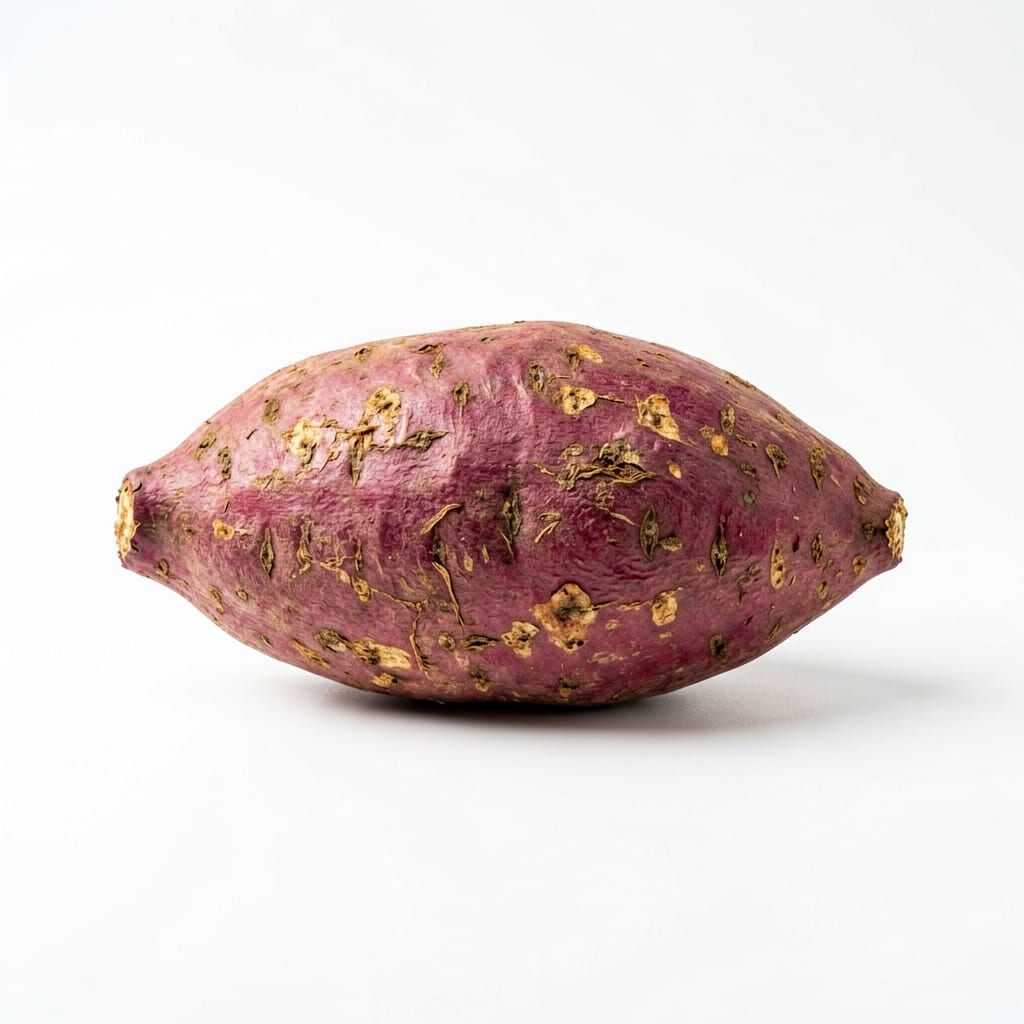
Sweet Potato
Split Pea wins for protein, fullness, and blood sugar stability. Sweet Potato wins for convenience, vitamin A, and quick energy.
Split Pea edges ahead on protein, fiber, and glycemic control, but Sweet Potato stays competitive through convenience, vitamin A, and broader appeal. The close scores reflect that neither dominates universally.
Sustained satiety and protein versus instant usability and beta-carotene richness.
At a glance
Executive summary
Overall
It depends
Healthier
It depends
More practical
Sweet Potato
Daily use
It depends
Key comparison lenses
satiety and hunger management
Split Pea offers dramatically more protein and fiber per serving, making fullness the central tradeoff
blood sugar control and glycemic impact
Both are starchy carbs but with very different glycemic profiles and fiber delivery
meal versatility and convenience
Sweet Potato is ready in minutes while Split Pea requires longer cooking and planning
weight management strategy
Different calorie densities and satiety profiles make this a key decision factor
micronutrient density comparison
Sweet Potato delivers massive vitamin A while Split Pea dominates folate and iron
Best choice for
Split Pea
- People prioritizing protein intake from plant sources
- Those managing blood sugar or insulin resistance
- Anyone needing long-lasting fullness between meals
- Budget-conscious eaters wanting maximum nutrition per dollar
- Soup and stew lovers wanting hearty, filling meals
Sweet Potato
- Those needing quick-prep weeknight sides
- People wanting massive vitamin A for eye and immune health
- Athletes needing fast-digesting carbs post-workout
- Families wanting kid-friendly vegetable options
- Anyone short on cooking time but wanting whole-food nutrition
Least suitable for
Split Pea
- People sensitive to legumes or prone to bloating
- Anyone needing a quick 15-minute meal
- Those on a low-fodmap diet
- People who dislike earthy legume flavors
Sweet Potato
- Those strictly limiting carbohydrate intake
- People needing high protein from their carb sources
- Anyone watching vitamin A intake due to liver conditions
- Those who find sweet flavors in savory meals unappealing
Deep comparison
Dimension by dimension
Each lens scores both foods and breaks down who each option suits.
- Dimension 1 · Priority 93Split Pea
Protein and Satiety
Split Pea · 90Sweet Potato · 35Split Pea delivers roughly 6-7 times more protein per serving than Sweet Potato, creating dramatically different fullness outcomes.
Tradeoff
You gain lasting fullness with Split Pea but sacrifice the quick, light eating experience that Sweet Potato provides.
Why it matters
Protein is the single most satiating macronutrient. Split Pea turns a carb-heavy meal into something that actually keeps you full for hours.
Real-world impact
A Split Pea soup at lunch means you are far less likely to snack before dinner. A Sweet Potato alone may leave you hungry again within 90 minutes.
Split Pea
- Staying full between meals without snacking
- Reducing overall daily calorie intake through natural appetite suppression
- Plant-based eaters needing protein from carb sources
Better for
- Right before intense exercise when you need fast energy
- Small appetites who feel uncomfortably stuffed
Worse for
Sweet Potato
- Light pre-workout fuel that digests quickly
- Situations where you want to eat again soon
- Smaller appetites that find high-protein meals too heavy
Better for
- As a standalone meal when you need lasting energy
- Late afternoon when dinner is still hours away
Worse for
- Dimension 2 · Priority 88Split Pea
Fiber and Digestive Health
Split Pea · 92Sweet Potato · 62Split Pea provides roughly double the fiber per serving, with a particularly strong soluble fiber profile that feeds gut bacteria and slows digestion.
Tradeoff
More fiber means better gut health and steadier digestion, but it can also mean more gas and bloating if your body is not used to it.
Why it matters
Most people eat far too little fiber. Split Pea is one of the most efficient ways to close that gap in a single serving.
Real-world impact
One cup of Split Pea soup delivers over half your daily fiber needs. Sweet Potato helps but covers roughly a quarter.
Split Pea
- Improving gut microbiome diversity through soluble fiber
- Managing cholesterol naturally via fiber binding
- Creating slow, steady digestion that prevents energy crashes
Better for
- Those with IBS or fodmap sensitivities
- Anyone suddenly increasing fiber without adequate hydration
Worse for
Sweet Potato
- Gentle fiber that is easier on sensitive digestive systems
- People transitioning to higher fiber intake without discomfort
Better for
- People who need to dramatically boost fiber intake quickly
Worse for
- Dimension 3 · Priority 86Split Pea
Blood Sugar Stability
Split Pea · 82Sweet Potato · 58Split Pea has a significantly lower glycemic impact thanks to its protein-fiber combination, which slows glucose absorption considerably.
Tradeoff
Steadier blood sugar with Split Pea versus faster energy availability with Sweet Potato. Each serves different needs.
Why it matters
Blood sugar spikes drive cravings, fatigue, and long-term metabolic strain. The protein-fiber combo in Split Pea acts as a natural brake on glucose release.
Real-world impact
After eating Split Pea, you feel calm and steady for hours. After Sweet Potato alone, you may feel a brief energy rise followed by a dip.
Split Pea
- People with prediabetes or insulin resistance
- Anyone trying to reduce afternoon energy crashes
- Sustained mental focus without blood sugar rollercoasters
Better for
- Immediately after intense exercise when rapid glycogen replenishment matters
Worse for
Sweet Potato
- Post-workout recovery when you actually want faster carb absorption
- Endurance athletes mid-activity needing quick glucose
Better for
- Sedentary evenings when excess glucose is more likely stored as fat
- People prone to reactive hypoglycemia
Worse for
- Dimension 4 · Priority 79Sweet Potato
Micronutrient Density
Split Pea · 68Sweet Potato · 85Sweet Potato is a vitamin A powerhouse with extraordinary beta-carotene content, while Split Pea leads in folate, iron, and thiamine.
Tradeoff
Vitamin A and carotenoid richness from Sweet Potato versus B-vitamins and minerals from Split Pea. Different nutritional strengths entirely.
Why it matters
Vitamin A deficiency is surprisingly common and affects vision, immunity, and skin health. Sweet Potato is one of the most efficient food sources available.
Real-world impact
Eating Sweet Potato regularly can meaningfully improve night vision and immune resilience. Split Pea better supports energy metabolism and blood health through iron and folate.
Split Pea
- Women needing iron and folate support
- Vegans and vegetarians at risk for B-vitamin gaps
- Supporting healthy blood cell production
Better for
- Those specifically targeting vitamin A intake
Worse for
Sweet Potato
- Boosting immune function through vitamin A
- Supporting eye health and night vision
- Skin health and cellular repair from carotenoids
Better for
- People needing iron from plant sources
- Those at risk for folate deficiency
Worse for
- Dimension 5 · Priority 82Sweet Potato
Convenience and Practicality
Split Pea · 40Sweet Potato · 88Sweet Potato can be microwaved in 5-8 minutes or roasted with zero prep. Split Pea requires soaking or long simmering, making it a planning-ahead food.
Tradeoff
Instant gratification and flexibility with Sweet Potato versus the batch-cooking efficiency of Split Pea soup that feeds you for days.
Why it matters
The best nutrition plan is the one you actually follow. Convenience often determines whether a healthy food gets eaten at all.
Real-world impact
Sweet Potato is a realistic Tuesday night option when you are tired. Split Pea requires weekend batch cooking or a pressure cooker to be practical.
Split Pea
- Batch cooking on weekends for weeklong meals
- Pressure cooker owners who can cut cook time dramatically
- Cost per serving optimization for families
Better for
- Spontaneous cooking without planning
- Small households where large batches create waste
Worse for
Sweet Potato
- Last-minute weeknight dinners
- Meal prep beginners wanting easy wins
- Travel and portable meal options
Better for
- Cooking for a crowd on a tight budget
Worse for
- Dimension 6 · Priority 77Sweet Potato
Calorie Efficiency and Weight Management
Split Pea · 65Sweet Potato · 74Sweet Potato has lower calorie density per cup, but Split Pea provides more satiety per calorie due to its protein content. Different weight loss strategies favor each.
Tradeoff
Eat fewer calories with Sweet Potato or feel more satisfied with fewer cravings on Split Pea. The better choice depends on your eating psychology.
Why it matters
Some people manage weight best by reducing calories per bite. Others succeed by maximizing fullness so they naturally eat less overall.
Real-world impact
If you are a volume eater who likes large portions, Sweet Potato lets you eat more volume for fewer calories. If you are a grazer who snacks all day, Split Pea shuts down cravings better.
Split Pea
- Cravings-driven eaters who need protein to feel satisfied
- People who skip meals and need one dish to carry them for hours
Better for
- Strict calorie counters who find legumes energy-dense
Worse for
Sweet Potato
- Volume eaters who want larger portions with fewer calories
- Those who prefer eating multiple smaller meals throughout the day
Better for
- People whose hunger returns quickly after carb-heavy meals
Worse for
Timeline
Health impact over time
Short-term
Hours to days
Split Pea
- Strong and lasting fullness within 30-60 minutes of eating
- Possible gas and bloating, especially if you are not used to high-fiber legumes
- Steady energy without the crash that follows sweeter starches
- Warming and comforting when consumed as soup
Sweet Potato
- Quick energy availability within 20-40 minutes
- Gentle on digestion with minimal bloating for most people
- Mild blood sugar rise that varies by preparation method and portion size
- Naturally sweet flavor that satisfies carb cravings without refined sugar
Long-term
Months to years
Split Pea
- Improved gut microbiome diversity from consistent soluble fiber intake
- Better cholesterol management through fiber binding mechanisms
- More stable blood sugar patterns reducing metabolic disease risk
- Sustained plant protein intake supporting muscle maintenance with aging
Sweet Potato
- Enhanced immune resilience from regular vitamin A and carotenoid consumption
- Better vision and eye health maintenance over decades
- Antioxidant protection against cellular aging from polyphenols and carotenoids
- Consistent potassium intake supporting healthy blood pressure
Risk profile
Safety & processing
Both foods are whole, minimally processed options. Dried Split Peas are simply harvested and dried with nothing added. Sweet Potatoes are eaten as-is from the ground. Neither raises processing concerns, making this a rare comparison where naturalness is a tie.
Split Pea
Pesticide residue on conventional crops
lowDried peas are typically low on the pesticide concern scale, but conventional farming uses fungicides during storage. Organic reduces this already minor risk.
Digestive discomfort from oligosaccharides
mediumThe complex sugars in Split Peas can cause significant gas and bloating, especially for those unaccustomed to legumes. Soaking and rinsing helps reduce this.
Anti-nutrient compounds
lowPhytic acid in Split Peas can slightly reduce mineral absorption, but this is only concerning if legumes dominate every meal without variety.
Sweet Potato
Oxalate content
lowSweet Potatoes contain moderate oxalates. This is only relevant for people with a history of calcium oxalate kidney stones.
Pesticide residue on conventional crops
mediumSweet Potatoes are typically lower on pesticide concern lists than many vegetables, but conventional root vegetables can retain soil treatments. Peeling reduces exposure significantly.
Vitamin A excess with extreme consumption
lowBeta-carotene from food does not cause vitamin A toxicity, but extremely high intake can cause harmless skin yellowing called carotenemia.
Who wins for whom
Audience fit
Same foods, different winners depending on your goal.
children
Sweet PotatoSweet Potato is naturally sweet, easy to mash, gentle on digestion, and packed with vitamin A for growing bodies. Most kids accept it far more readily than legume soups.
daily consumption
It dependsSweet Potato is easier to eat daily due to convenience and digestibility. Split Pea offers more nutritional payoff per serving but requires more effort and digestive adaptation.
diabetes
Split PeaThe protein-fiber combination in Split Pea creates a significantly lower glycemic response, making it safer for blood sugar management.
elderly
Sweet PotatoSweet Potato is softer, easier to chew and digest, and provides critical vitamin A for aging immune systems. Split Pea can be gassy and harder on sensitive digestive systems.
muscle gain
Split PeaSplit Pea provides meaningful plant protein that supports muscle maintenance, while Sweet Potato offers minimal protein despite being a useful carb source.
weight loss
It dependsSplit Pea controls hunger better through protein, but Sweet Potato offers lower calorie density. Cravings-driven eaters do better with Split Pea. Volume eaters do better with Sweet Potato.
Your move
Decision guide
Choose Split Pea
- You want one meal to keep you full for 4-5 hours
- You are plant-based and need protein from carb sources
- You have blood sugar concerns and want the lowest glycemic option
- You enjoy batch cooking soups and stews for the week
- You are on a tight budget and want maximum nutrition per dollar
Choose Sweet Potato
- You need dinner ready in under 15 minutes
- You want to boost your vitamin A and antioxidant intake
- You are feeding kids who reject earthy legume flavors
- You need quick-digesting carbs after workouts
- You want a versatile base that works sweet or savory
Either works if
- You want a whole-food carb source that beats refined grains
- You are building a plant-forward diet with diverse nutrient sources
- You value foods with long cultural traditions and recipe variety
Avoid both if
- You are on a strict very-low-carb or ketogenic diet
- You have severe digestive conditions that make all high-fiber foods uncomfortable
- You need a protein-first food and should be eating eggs, fish, or tofu instead
Final recommendation
Keep both in your rotation. Use Split Pea when you have time to batch cook and need lasting fullness. Use Sweet Potato when convenience matters and you want quick nourishment. They complement each other perfectly across a week of meals.
Practical
Consumer tips
- 1
Reduce Split Pea gas by soaking overnight, discarding the water, and cooking with a strip of kombu seaweed
- 2
Sweet Potato retains more nutrients when baked or steamed rather than boiled
- 3
Pair Sweet Potato with a fat source like olive oil or avocado to absorb up to 6 times more beta-carotene
- 4
Make Split Pea soup in large batches and freeze portions for instant high-protein meals later
- 5
A pressure cooker cuts Split Pea cooking time from 60 minutes to about 15 minutes
- 6
Cooled and reheated Sweet Potato develops resistant starch that lowers its glycemic impact significantly
- 7
Add a splash of vinegar or lemon juice to Split Pea dishes to improve iron absorption