
Nutrition comparison
Split Pea vs Kidney Beans: Nutrition, Fiber, and Safety Compared
Compare Split Pea vs Kidney Beans to see which is better for fiber, protein, and digestion. Learn why cooking safety matters for Kidney Beans.
Overall winner · Split Pea
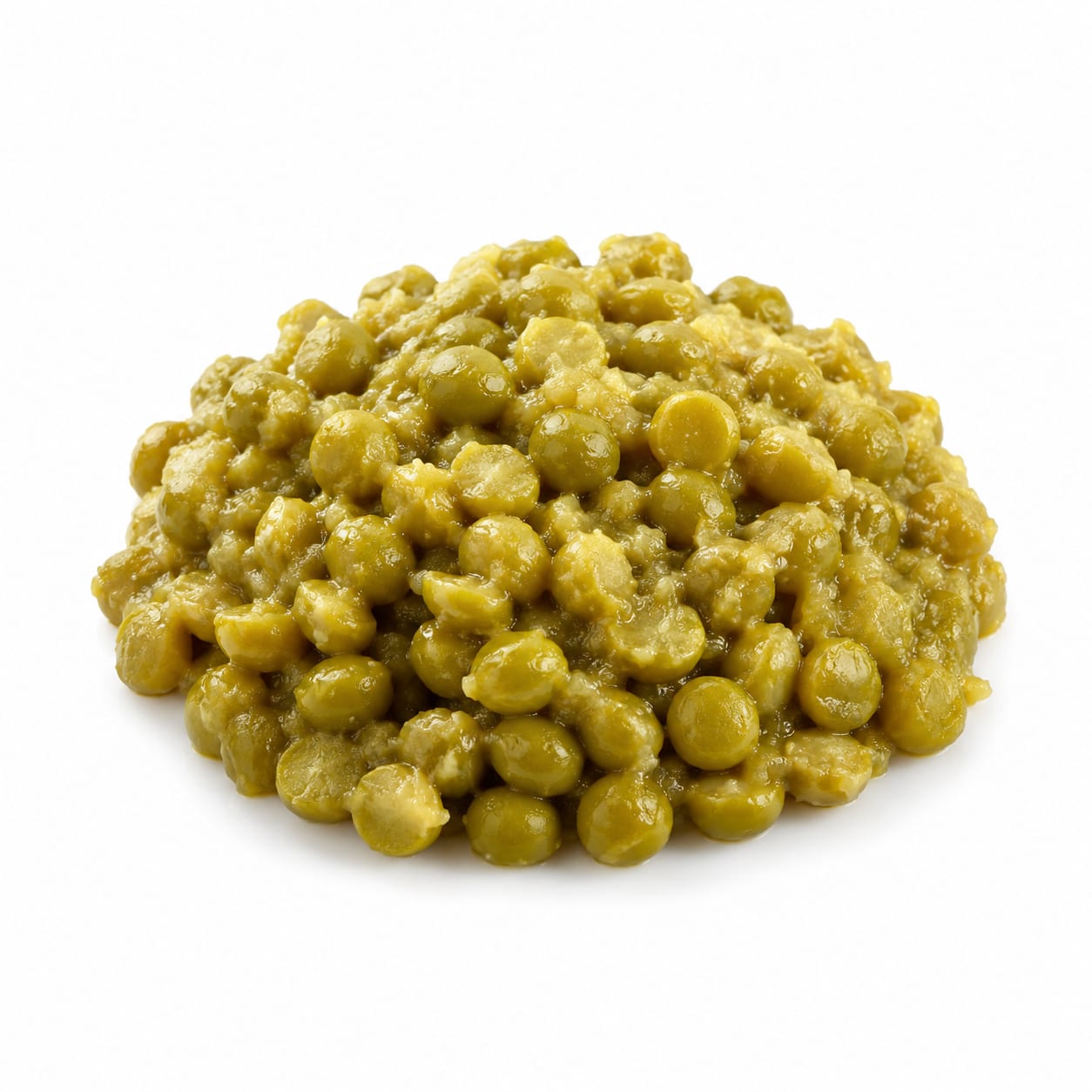
Split Pea
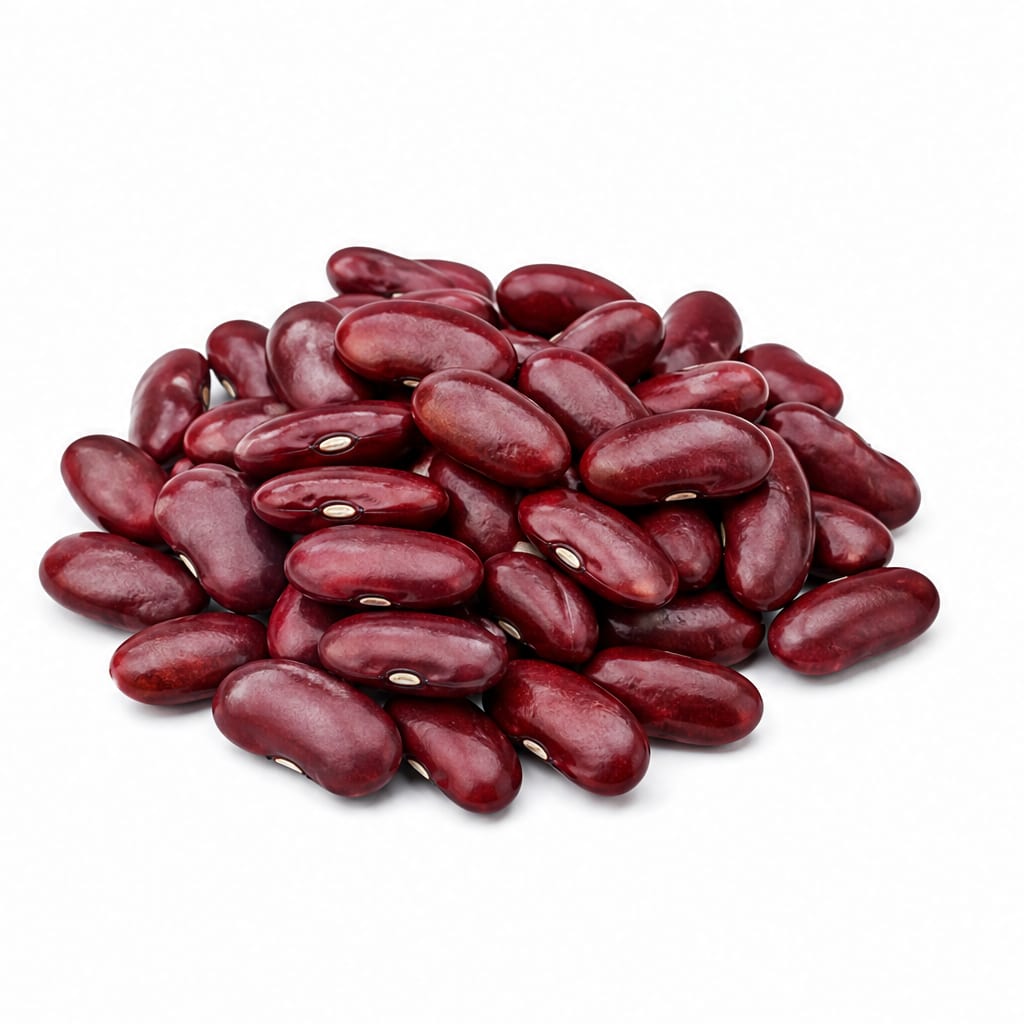
Kidney Beans
Split Pea offers more fiber and easier, safer prep, while Kidney Beans edge ahead slightly in protein.
Split Pea wins due to its massive fiber advantage, superior safety profile, and no-soak convenience. Kidney Beans remain excellent but lose points for preparation risks and slightly less gut-filling power.
You trade slightly higher protein in Kidney Beans for significantly more fiber and safer, faster cooking with Split Pea.
At a glance
Executive summary
Overall
Split Pea
Healthier
Split Pea
More practical
Split Pea
Daily use
Split Pea
Key comparison lenses
Preparation safety and convenience
Kidney Beans carry a unique and severe risk if undercooked, whereas Split Peas are safe and quick to prepare.
Digestive tolerance and gas production
Both are legumes notorious for causing bloating, but their fiber profiles affect digestion differently.
Blood sugar control
High-fiber legumes are staples for glucose management, making small differences in fiber highly relevant.
Satiety and weight management
Fiber and protein content directly impact how full you feel and how easy it is to manage portions.
Best choice for
Split Pea
- People wanting maximum fiber and fullness
- Those who hate soaking beans overnight
- Anyone prone to afternoon energy crashes
Kidney Beans
- Those prioritizing slightly higher protein intake
- Chili and salad lovers wanting a firm texture
- People using pressure cookers or canned goods
Least suitable for
Split Pea
- Those strictly limiting carbohydrates
- People wanting a firm, distinct bean texture
Kidney Beans
- Impatient cooks who might skip vital boiling steps
- People highly sensitive to legume-induced bloating
Deep comparison
Dimension by dimension
Each lens scores both foods and breaks down who each option suits.
- Dimension 1 · Priority 95Split Pea
Fiber and Satiety
Split Pea · 92Kidney Beans · 75Split Pea delivers nearly double the fiber of Kidney Beans, making it incredibly filling.
Tradeoff
You get much more gut-filling fiber with Split Pea, but Kidney Beans still offer solid satiety with a slightly lighter stomach feel.
Why it matters
Higher fiber keeps you full longer and supports better digestion.
Real-world impact
A bowl of split pea soup will likely keep you full from lunch until dinner, whereas a kidney bean salad might leave you hunting for a snack earlier.
Split Pea
- Weight management
- Gut regularity
Better for
- Those unaccustomed to high fiber who might experience bloating
Worse for
Kidney Beans
- Lighter meals
- Less heavy feeling
Better for
- Those needing maximum fullness from a small portion
Worse for
- Dimension 2 · Priority 98Split Pea
Preparation and Safety
Split Pea · 95Kidney Beans · 60Split Pea requires no soaking and cooks quickly, whereas Kidney Beans must be boiled vigorously to destroy a natural toxin.
Tradeoff
Kidney Beans demand careful preparation to be safe, while Split Pea is virtually foolproof to cook.
Why it matters
Undercooked Kidney Beans contain phytohaemagglutinin, which can cause severe food poisoning.
Real-world impact
You can decide to make split pea soup on a whim and eat it in an hour; Kidney Beans require planning or careful canning.
Split Pea
- Weeknight dinners
- Meal prep beginners
Better for
- Dishes where you want distinct, firm bean texture
Worse for
Kidney Beans
- Slow cooker recipes using pre-boiled beans
- Batch cooking with canned goods
Better for
- Last-minute cooking
- Distracted cooks who might undercook
Worse for
- Dimension 3 · Priority 85Split Pea
Blood Sugar Stability
Split Pea · 90Kidney Beans · 85Both are excellent for blood sugar, but Split Pea's higher fiber content slows glucose absorption even more.
Tradeoff
Split Pea provides a slightly steadier energy release, though both are far superior to refined carbs.
Why it matters
Steadier blood sugar means fewer afternoon energy crashes and reduced diabetes risk.
Real-world impact
Eating Split Pea instead of Kidney Beans might give you an extra hour of stable energy before feeling hungry again.
Split Pea
- Diabetics
- Those prone to energy crashes
Better for
Kidney Beans
- Those who find very high fiber meals disruptive to their digestion before activity
Better for
- Those needing maximum glycemic control
Worse for
- Dimension 4 · Priority 75Kidney Beans
Protein Density
Split Pea · 78Kidney Beans · 84Kidney Beans offer slightly more protein per serving, making them a bit more efficient for muscle maintenance.
Tradeoff
You get a modest protein bump with Kidney Beans, but the difference is not massive enough to make or break a diet.
Why it matters
Protein is crucial for preserving muscle and staying full.
Real-world impact
If you rely heavily on legumes for protein, Kidney Beans will get you to your target slightly faster.
Split Pea
- Those trying to maximize protein per calorie
Worse for
Kidney Beans
- Muscle maintenance
- Higher protein plant-based diets
Better for
Timeline
Health impact over time
Short-term
Hours to days
Split Pea
- Highly filling due to dense fiber content
- Can cause gas if you aren't used to the fiber load
Kidney Beans
- Provides steady, sustained energy
- Can cause noticeable bloating or gas for sensitive guts
Long-term
Months to years
Split Pea
- Excellent for heart health and cholesterol management
- Supports long-term digestive regularity
Kidney Beans
- Great for sustained heart health
- Supports stable blood sugar over the years
Risk profile
Safety & processing
Both are whole, minimally processed foods in their dried form. Canned versions may contain added sodium, so always check labels or rinse well.
Split Pea
Minimal contamination risk
lowSplit Peas are simply dried and split, with very low risk of foodborne illness if cooked adequately.
Kidney Beans
Phytohaemagglutinin toxicity
highRaw or undercooked Kidney Beans contain a toxic protein that causes severe nausea and vomiting. They must be soaked and boiled vigorously; slow cookers are unsafe for raw Kidney Beans.
Who wins for whom
Audience fit
Same foods, different winners depending on your goal.
children
Split PeaSplit Pea soup is easier for kids to eat, and there is no risk of toxin exposure from undercooking.
daily consumption
Split PeaEasier and safer to prepare daily without the strict boiling requirements of Kidney Beans.
diabetes
Split PeaHigher fiber in Split Pea creates a slower, more manageable blood sugar response.
elderly
Split PeaThe soft texture and high fiber help with both chewing and maintaining digestive regularity in older adults.
muscle gain
Kidney BeansKidney Beans provide slightly more protein per serving to support muscle repair.
weight loss
Split PeaThe massive fiber content in Split Pea makes it incredibly hard to overeat.
Your move
Decision guide
Choose Split Pea
- You want maximum fiber and fullness
- You prefer quick, no-soak cooking
- You are making a comforting soup or dal
Choose Kidney Beans
- You want slightly more protein
- You are making chili, salads, or tacos
- You are using a pressure cooker or canned beans
Either works if
- You need a hearty plant-based staple
- You want to lower your cholesterol
- You are trying to eat less meat
Avoid both if
- You have severe IBS and are on a low-FODMAP diet
- You are strictly limiting carbohydrates
Final recommendation
Choose Split Pea for easier prep, higher fiber, and safer cooking. Opt for Kidney Beans when you want a firmer texture and slightly more protein for salads or chili. Both are exceptional legumes, but Split Pea wins on convenience and gut-filling power.
Practical
Consumer tips
- 1
Rinse canned Kidney Beans thoroughly to remove up to 40% of the sodium.
- 2
If cooking dried Kidney Beans, always boil them vigorously for at least 10 minutes to destroy the natural toxin before slow cooking.
- 3
Add a pinch of baking soda to Split Pea soup to reduce cooking time and help break down gas-causing compounds.
- 4
Start with small portions of either legume if you don't eat them often, and increase gradually to let your gut adjust.