
Nutrition comparison
Split Peas vs Green Lentils: Nutrition, Protein, and Best Uses
Compare Split Peas and Green Lentils to find out which is better for protein, fiber, weight loss, and cooking. Learn the key nutritional differences and culinary tradeoffs.
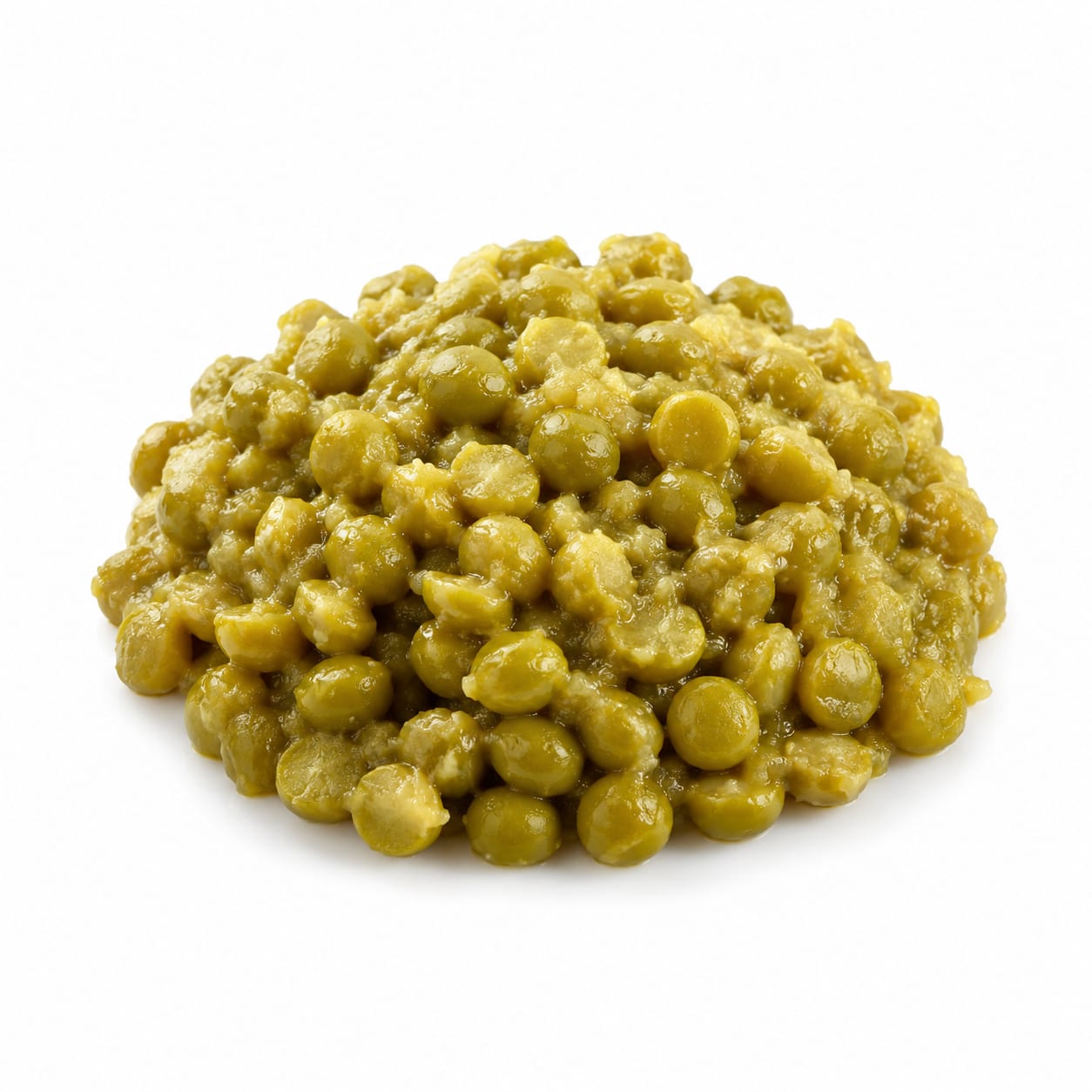
Split Pea
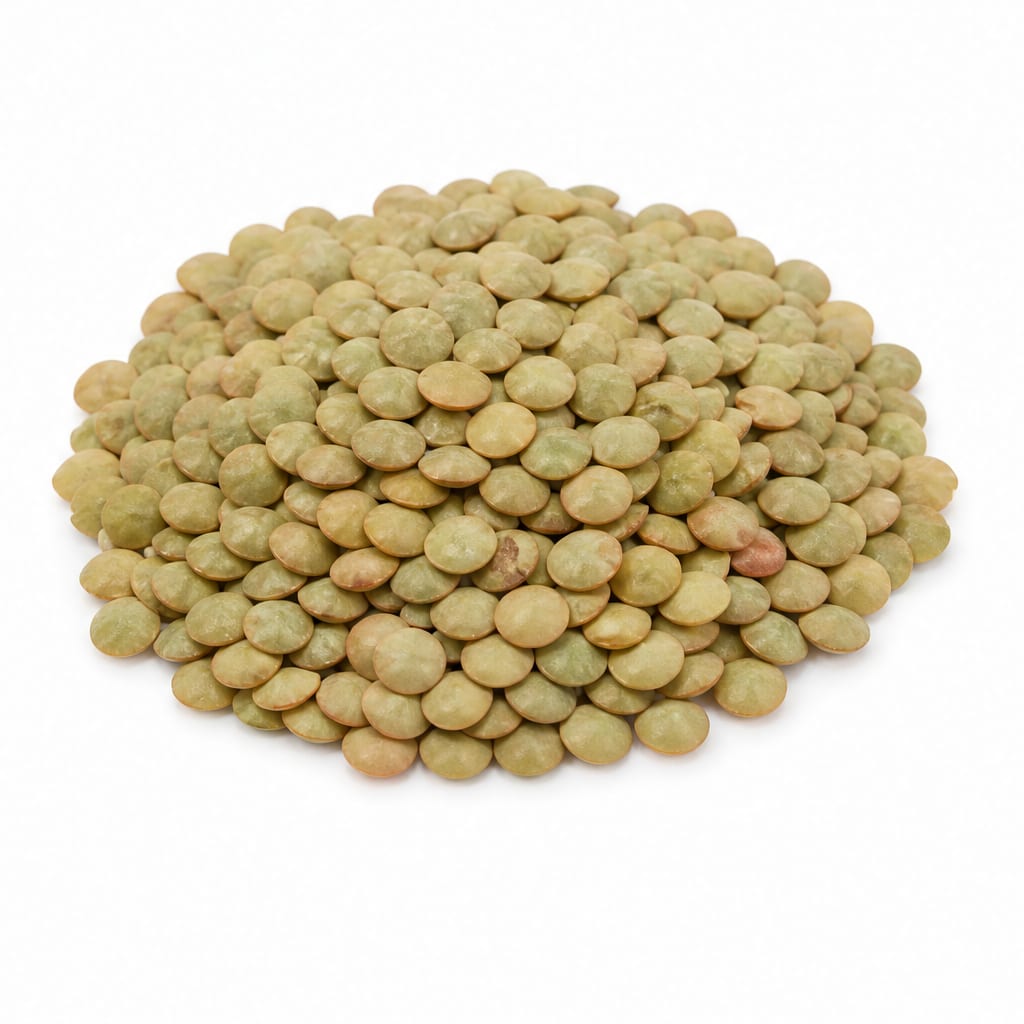
Green Lentils
Green Lentils edge ahead slightly in protein and micronutrients, while Split Peas win on soluble fiber and cooking speed.
Green Lentils score slightly higher due to a denser micronutrient profile and higher protein, but the margin is razor-thin because Split Peas offer superior soluble fiber and faster prep.
Shape-holding versatility and higher protein in Green Lentils versus creamier texture, higher soluble fiber, and faster cooking in Split Peas.
At a glance
Executive summary
Overall
It depends
Healthier
Green Lentils
More practical
Split Pea
Daily use
It depends
Key comparison lenses
Fiber type and digestive impact
Split Peas are uniquely high in soluble fiber compared to Green Lentils, drastically changing how they affect digestion and satiety.
Protein density and muscle support
Both are plant-based protein staples, but Green Lentils pack slightly more protein per serving, which matters for vegetarian and vegan diets.
Culinary texture and meal versatility
Split Peas break down into mush while Green Lentils hold their shape, making them suitable for entirely different types of meals.
Micronutrient gaps for plant-based eaters
Green Lentils offer significantly more iron and folate, nutrients often lacking in plant-forward diets.
Best choice for
Split Pea
- Thick, comforting soups
- Fast weeknight meals
- Maximizing soluble fiber for cholesterol management
Green Lentils
- Meal prep and salads
- Higher protein plant-based meals
- Boosting iron and folate intake
Least suitable for
Split Pea
- Dishes where a distinct grain shape is needed
- People highly sensitive to soluble fiber fermentation
Green Lentils
- Quick creamy soups
- Those who dislike firm or chewy textures
Deep comparison
Dimension by dimension
Each lens scores both foods and breaks down who each option suits.
- Dimension 1 · Priority 88Green Lentils
Protein & Muscle Support
Split Pea · 78Green Lentils · 85Green Lentils provide slightly more protein per serving, making them a better base for muscle-building meals.
Tradeoff
You sacrifice a bit of protein with Split Peas, though the difference is relatively small.
Why it matters
For plant-based eaters, every gram of protein counts toward hitting daily targets efficiently.
Real-world impact
A bowl of Green Lentils gets you closer to post-workout protein needs than Split Peas would.
Split Pea
- Body recomposition phases where protein must be maximized
Worse for
Green Lentils
- Plant-based athletes
- High-protein dieters
Better for
- Dimension 2 · Priority 92Split Pea
Digestive Health & Fiber
Split Pea · 90Green Lentils · 82Split Peas are a soluble fiber powerhouse, which feeds gut bacteria and helps lower cholesterol.
Tradeoff
More soluble fiber means more potential for bloating if you aren't used to it, but better heart health benefits.
Why it matters
Soluble fiber acts like a sponge for cholesterol and stabilizes blood sugar by slowing digestion.
Real-world impact
Eating Split Pea soup regularly can meaningfully improve cholesterol numbers over a few months.
Split Pea
- Lowering cholesterol
- Gut microbiome support
Better for
- Sudden introduction causing gas
Worse for
Green Lentils
- Slightly gentler transition if increasing fiber slowly
Better for
- Maximizing heart health benefits
Worse for
- Dimension 3 · Priority 85Green Lentils
Culinary Versatility & Texture
Split Pea · 70Green Lentils · 88Green Lentils hold their shape when cooked, making them far more versatile for salads, bowls, and side dishes.
Tradeoff
Split Peas break down into a mush, which is perfect for soups but useless for grain bowls.
Why it matters
Texture fatigue is real; food you can use in more ways is easier to eat week after week.
Real-world impact
Leftover Green Lentils can go straight into a cold salad, while leftover Split Peas are mostly just soup again.
Split Pea
- Dips
- Thick stews
Better for
- Cold dishes
Worse for
Green Lentils
- Grain bowls
- Salads
- Veggie burgers
Better for
- Creamy comforting soups
Worse for
- Dimension 4 · Priority 80Green Lentils
Micronutrient Density
Split Pea · 80Green Lentils · 88Green Lentils pack more iron and folate, which are critical for energy and cellular repair.
Tradeoff
Split Peas have slightly more potassium, but Green Lentils win on the nutrients vegetarians often lack.
Why it matters
Iron deficiency is common, and plant-based iron is harder to absorb, so higher starting amounts help.
Real-world impact
Choosing Green Lentils helps fight the afternoon slump linked to low iron stores.
Split Pea
- Blood pressure management via potassium
Better for
- Anemia-prone individuals
Worse for
Green Lentils
- Fighting fatigue
- Pregnancy nutrition
Better for
Timeline
Health impact over time
Short-term
Hours to days
Split Pea
- Quick satiety from high soluble fiber gel formation
- Potential for gas and bloating if unaccustomed to the fiber load
Green Lentils
- Steady energy without a blood sugar crash
- Firm texture keeps you chewing longer, aiding fullness
Long-term
Months to years
Split Pea
- Lower LDL cholesterol due to high soluble fiber
- Improved gut microbiome diversity from prebiotic starches
Green Lentils
- Better iron status preventing chronic fatigue
- Sustained muscle maintenance from higher protein intake
Risk profile
Safety & processing
Both are whole, dried legumes with nothing added. Split Peas are simply hulled and split dried peas, while Green Lentils are whole intact seeds.
Split Pea
Flatulence and digestive discomfort
lowHigh soluble fiber can cause significant gas if introduced too quickly into the diet.
Green Lentils
Flatulence and digestive discomfort
lowSimilar to Split Peas, though slightly less soluble fiber may make them marginally easier to digest for some people.
Who wins for whom
Audience fit
Same foods, different winners depending on your goal.
children
Split PeaSplit Peas cook down into a smooth, creamy texture that is much easier for kids to accept than firm, earthy lentils.
daily consumption
It dependsAlternate both: Split Peas for soups and heart health, Green Lentils for salads and iron boosts.
diabetes
Split PeaThe abundant soluble fiber in Split Peas does a superior job of flattening blood sugar spikes after meals.
elderly
Split PeaThe soft, mushy texture of cooked Split Peas is easier to chew and swallow, plus the soluble fiber strongly supports aging hearts.
muscle gain
Green LentilsGreen Lentils offer slightly more protein per calorie, which is crucial for muscle repair and growth.
weight loss
Split PeaThe higher soluble fiber in Split Peas creates a thicker gel in the stomach, keeping you fuller for slightly longer on fewer calories.
Your move
Decision guide
Choose Split Pea
- You want a comforting, creamy soup on a cold day
- Heart health and lowering cholesterol is your top priority
- You need a fast-cooking legume that doesn't require soaking
Choose Green Lentils
- You want a firm texture for salads or grain bowls
- You need a plant-based protein boost for workouts
- You are prone to iron deficiency or low energy
Either works if
- You just need a cheap, healthy, fiber-rich pantry staple
- You're meal-prepping a big batch of stew or curry
Avoid both if
- You have severe IBS and are currently in a flare-up, as both are high in fermentable fibers
Final recommendation
Keep both in your pantry. Use Split Peas when you want something comforting and heart-healthy, and reach for Green Lentils when you need a versatile, protein-packed base for bowls and salads.
Practical
Consumer tips
- 1
Rinse both thoroughly before cooking to reduce gas-causing compounds and dust.
- 2
Add a piece of kombu seaweed while boiling either legume to help break down tough fibers and improve digestibility.
- 3
Pair both with a vitamin C source like tomatoes or lemon juice to dramatically boost iron absorption.
- 4
Skip the soaking for Split Peas—they cook fast enough without it, unlike many other dried legumes.