
Nutrition comparison
Split Peas vs Oats: Which Is Healthier for Protein, Fiber, and Daily Use?
Compare split peas and oats on protein, fiber, blood sugar impact, convenience, and heart health. Learn which is better for weight loss, diabetes, and everyday meals.
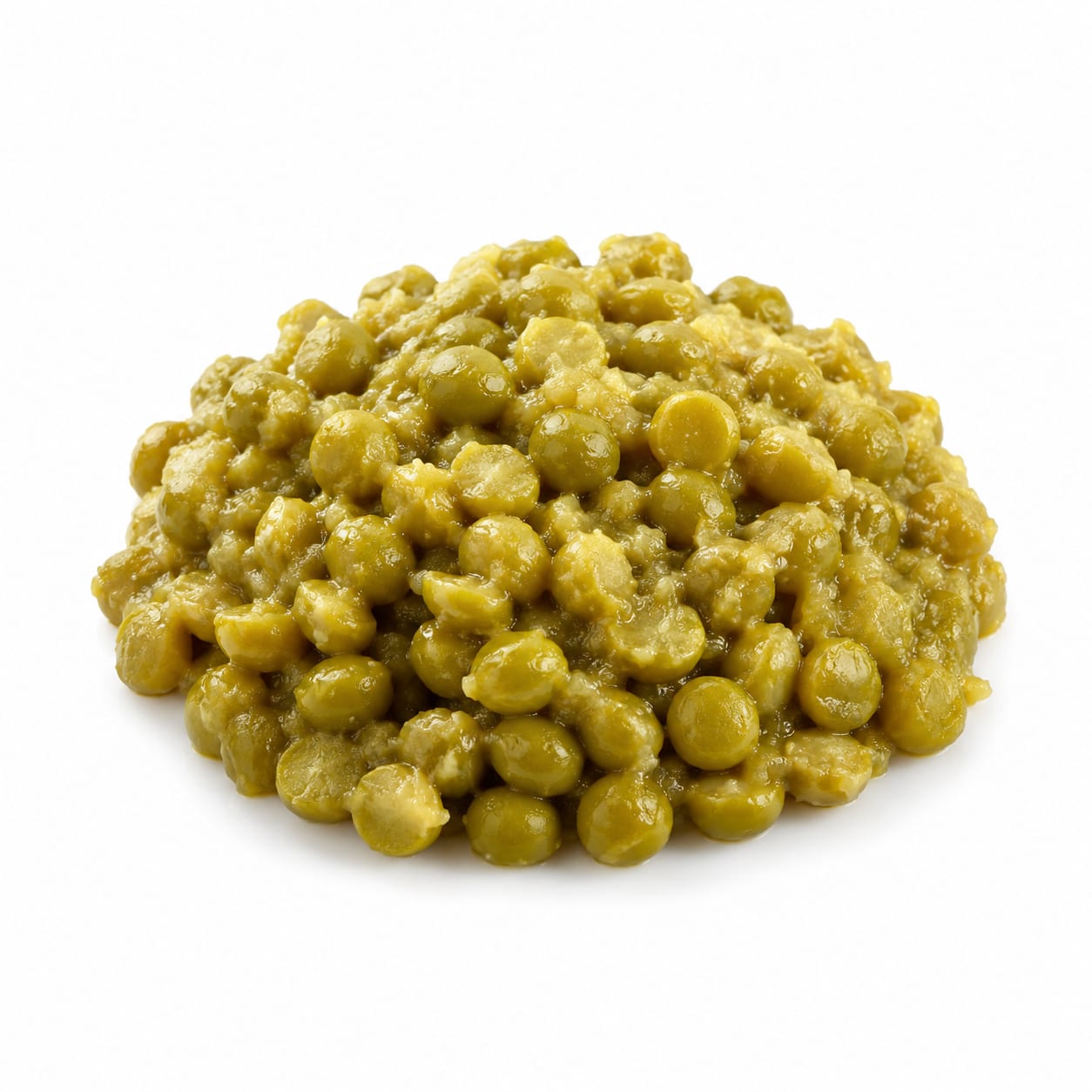
Split Pea
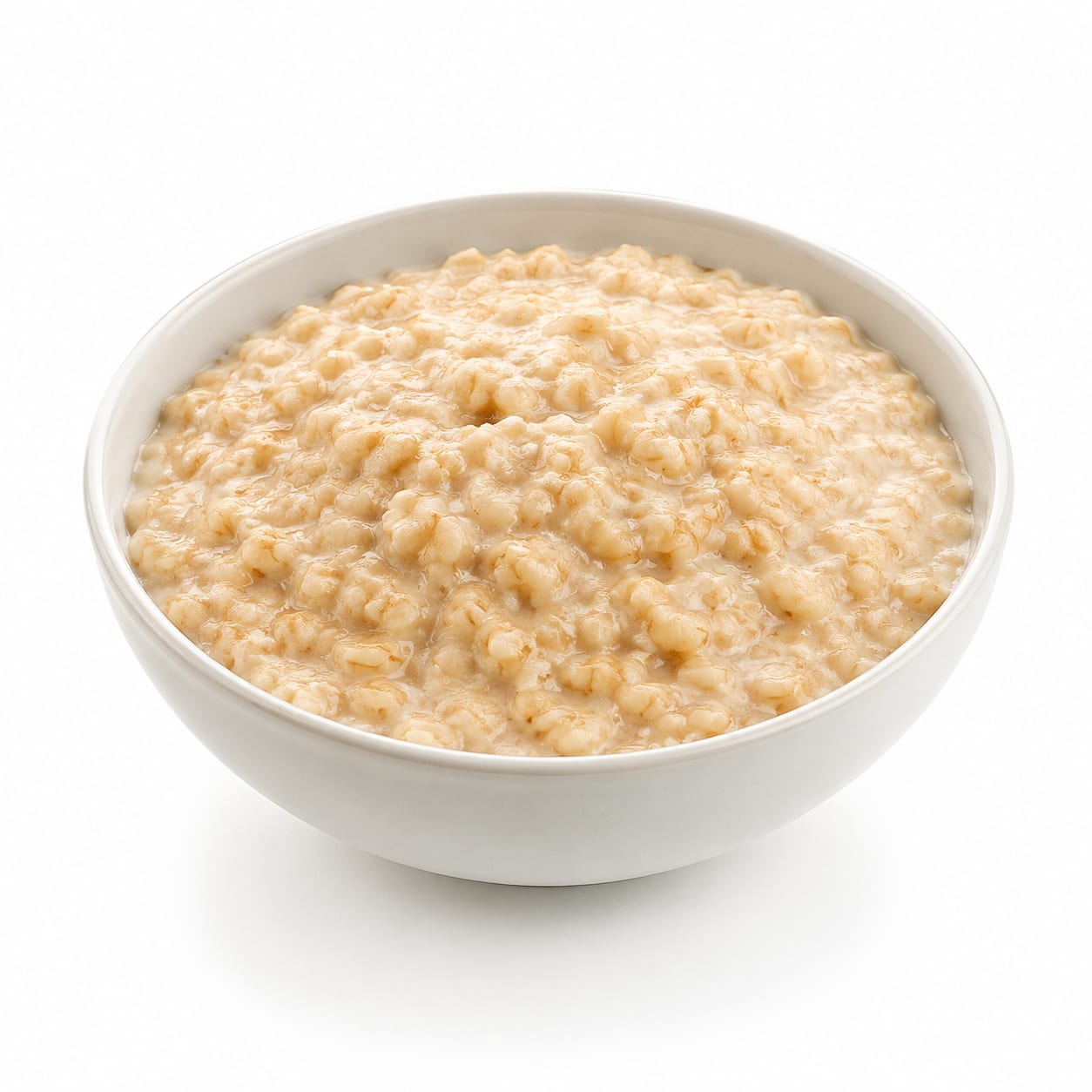
Oats
Split peas win on protein and fiber density; oats win on convenience and heart-specific benefits. Your choice depends on whether you prioritize nutritional power or daily practicality.
Oats score slightly higher due to superior convenience, broader everyday usability, and unique beta-glucan benefits. Split peas are nutritionally denser but their longer cook time and digestive challenges make them harder to use consistently.
Split peas deliver more protein and fiber per calorie but demand more cooking time and can cause bloating. Oats are quicker, gentler on digestion, and have unique cholesterol-lowering beta-glucan.
At a glance
Executive summary
Overall
It depends
Healthier
Split Pea
More practical
Oats
Daily use
Oats
Key comparison lenses
fiber quality and digestive impact
Both foods are fiber powerhouses but deliver very different fiber types and digestive experiences
protein density for plant-based diets
Split peas offer nearly 50% more protein, a critical factor for vegetarians and vegans
blood sugar management
Both are low-glycemic but split peas have a meaningfully lower glycemic load
meal convenience and preparation time
Oats can be ready in minutes while split peas require longer cooking, affecting daily usability
heart health and cholesterol
Oats contain beta-glucan, a uniquely potent cholesterol-lowering fiber not found in split peas
Best choice for
Split Pea
- People seeking maximum plant protein per calorie
- Those managing blood sugar who want the lowest glycemic option
- Anyone trying to increase iron intake naturally
- Budget-conscious meal preppers who cook in batches
Oats
- Busy people who need a 5-minute breakfast
- Those focused on lowering cholesterol specifically
- People with sensitive digestion who find legumes uncomfortable
- Anyone wanting a versatile pantry staple for baking and cooking
Least suitable for
Split Pea
- People with severe IBS or legume intolerance
- Anyone needing quick meal solutions on busy mornings
- Those prone to bloating and gas from high-fiber legumes
Oats
- People with celiac disease or gluten sensitivity (due to cross-contamination risk)
- Those who find carbohydrate-heavy breakfasts leave them hungry soon after
- Anyone seeking very high protein density from a single food
Deep comparison
Dimension by dimension
Each lens scores both foods and breaks down who each option suits.
- Dimension 1 · Priority 92Split Pea
protein density
Split Pea · 88Oats · 62Split peas deliver roughly 24g protein per 100g dry versus 17g in oats, making them a significantly better protein source per calorie.
Tradeoff
That protein advantage comes with longer cooking time and potential digestive discomfort that oats largely avoid.
Why it matters
For plant-based eaters, every gram of protein counts. Split peas close the protein gap with animal foods more effectively than oats.
Real-world impact
A bowl of split pea soup keeps you full for hours longer than oatmeal, especially when paired with vegetables.
Split Pea
- Vegans and vegetarians chasing protein targets
- Athletes needing plant-based recovery meals
- Anyone replacing meat with legumes
Better for
- Those who find high-protein meals too heavy in the morning
Worse for
Oats
- Light breakfast eaters who do not want heavy protein loads
- People who get protein from other sources throughout the day
Better for
- Anyone relying on a single food as their main protein source
Worse for
- Dimension 2 · Priority 95Split Pea
fiber quality and quantity
Split Pea · 92Oats · 78Split peas roughly double oats in total fiber content, offering both soluble and insoluble fiber in abundance.
Tradeoff
Oats provide beta-glucan, a uniquely beneficial soluble fiber for cholesterol that split peas cannot match. More total fiber is not always better if it causes discomfort.
Why it matters
High fiber intake protects against heart disease, diabetes, and certain cancers. But the type of fiber determines which benefits you get most.
Real-world impact
Split peas will keep your digestion very regular but may cause gas initially. Oats give you steadier, gentler fiber with a targeted cholesterol benefit.
Split Pea
- People struggling with constipation
- Those needing maximum satiety from meals
- Anyone falling short on daily fiber goals
Better for
- People with IBS who react to fermentable fibers
- Those unaccustomed to high legume intake
Worse for
Oats
- People with active cholesterol management goals
- Those who need gentle fiber that does not cause bloating
Better for
- Anyone needing very high total fiber intake from a single source
Worse for
- Dimension 3 · Priority 85Split Pea
blood sugar stability
Split Pea · 86Oats · 74Split peas have a lower glycemic index and glycemic load than oats, producing a slower, steadier blood sugar response.
Tradeoff
Oats still perform well for blood sugar, especially steel-cut or rolled varieties. Instant oats, however, can spike blood sugar significantly.
Why it matters
Steadier blood sugar means fewer energy crashes, reduced cravings, and better long-term metabolic health.
Real-world impact
After split pea soup, you are unlikely to feel that mid-afternoon energy dip. After instant oatmeal with sweetener, you very well might.
Split Pea
- People with diabetes or prediabetes
- Those who experience energy crashes after carb-heavy meals
- Anyone monitoring glycemic load closely
Better for
- Those who want quick pre-workout energy
Worse for
Oats
- Active people who need faster-available energy before exercise
- Those eating steel-cut oats with protein and fat to blunt glycemic response
Better for
- People eating instant oats alone, which can spike blood sugar
Worse for
- Dimension 4 · Priority 82Oats
convenience and preparation
Split Pea · 45Oats · 90Oats can be ready in 2-5 minutes. Split peas require 30-60 minutes of cooking even after soaking.
Tradeoff
Split peas reward patience with richer nutrition per calorie. Oats sacrifice some nutrient density for massive time savings.
Why it matters
The healthiest food only works if you actually eat it. Convenience often determines whether a food becomes a habit or a one-time effort.
Real-world impact
On a busy Tuesday morning, oatmeal is realistic. Split pea soup requires weekend meal prep or a pressure cooker.
Split Pea
- Meal preppers who cook large batches on weekends
- Pressure cooker owners who can cut cook time dramatically
Better for
- People who decide meals at the last minute
- Those without access to a full kitchen
Worse for
Oats
- Busy professionals with limited morning time
- Students needing quick, affordable meals
- Anyone who values minimal cleanup
Better for
- People who enjoy slow cooking and meal rituals
Worse for
- Dimension 5 · Priority 78Oats
heart health specificity
Split Pea · 72Oats · 88Oats contain beta-glucan, a uniquely effective soluble fiber for lowering LDL cholesterol, backed by strong clinical evidence and an FDA health claim.
Tradeoff
Split peas support heart health through fiber, potassium, and folate but lack the specific cholesterol-lowering potency of beta-glucan.
Why it matters
If your primary goal is reducing cholesterol numbers, oats have the most direct evidence. Split peas help indirectly through broader nutritional benefits.
Real-world impact
Eating 3g of beta-glucan daily from oats can meaningfully reduce LDL cholesterol in weeks. Split peas help heart health but through slower, less targeted pathways.
Split Pea
- People whose heart risk is more about blood pressure than cholesterol
- Those who already eat oats and want complementary heart-healthy foods
Better for
- Those specifically trying to lower cholesterol numbers quickly
Worse for
Oats
- People with elevated LDL cholesterol
- Those wanting a food with an established FDA heart-health claim
- Anyone seeking targeted cholesterol management through diet
Better for
- People whose primary heart concern is blood pressure rather than cholesterol
Worse for
- Dimension 6 · Priority 75Oats
digestive tolerance
Split Pea · 52Oats · 82Oats are generally well-tolerated and gentle on digestion. Split peas, like all legumes, commonly cause gas and bloating especially when intake increases suddenly.
Tradeoff
The fiber that makes split peas so nutritious is also what makes them difficult for sensitive digestive systems. Tolerance improves with gradual introduction.
Why it matters
A food that causes discomfort will not become a habit, no matter how nutritious it is.
Real-world impact
If you eat a large bowl of split pea soup after rarely eating legumes, expect bloating. Oatmeal rarely causes this issue even in large portions.
Split Pea
- People already accustomed to high legume intake
- Those willing to build tolerance gradually over weeks
Better for
- People with IBS or FODMAP sensitivities
- Those unaccustomed to legumes who eat large portions immediately
Worse for
Oats
- People with sensitive stomachs
- Those with IBS or functional digestive disorders
- Anyone new to high-fiber diets
Better for
- People with gluten sensitivity who may react to oat cross-contamination
Worse for
- Dimension 7 · Priority 70Split Pea
mineral density
Split Pea · 84Oats · 70Split peas provide more iron, potassium, and folate per serving than oats, making them a stronger mineral contributor overall.
Tradeoff
Oats offer more manganese and decent zinc, but split peas cover a broader mineral spectrum at higher amounts.
Why it matters
Mineral deficiencies are common, especially iron for women and potassium for blood pressure management.
Real-world impact
Regular split pea consumption can meaningfully contribute to iron needs, especially for plant-based eaters who lack easy iron sources.
Split Pea
- Women with higher iron needs
- People trying to increase potassium for blood pressure
- Plant-based eaters needing folate and iron
Better for
- People with hemochromatosis who must limit iron
Worse for
Oats
- Those who get minerals from varied diets and do not need concentrated sources
Better for
- Those relying heavily on a single staple food for mineral intake
Worse for
Timeline
Health impact over time
Short-term
Hours to days
Split Pea
- Strong and lasting fullness due to high protein and fiber combination
- Possible gas and bloating within hours of eating, especially with large portions
- Steady energy without the crash that follows refined carbs
- May feel heavy if eaten in large quantities without adequate hydration
Oats
- Comforting and gentle on the stomach for most people
- Moderate satiety that lasts 2-3 hours, less than split peas
- Quick energy availability, especially from rolled or instant varieties
- Can feel unsatisfying if eaten alone without protein or fat additions
Long-term
Months to years
Split Pea
- Improved blood sugar regulation with regular consumption
- Better heart health through fiber, potassium, and folate
- Enhanced digestive regularity from very high fiber intake
- Potential for significant bloating reduction if introduced gradually over weeks
Oats
- Measurable LDL cholesterol reduction from daily beta-glucan intake
- Steady digestive health with minimal discomfort risk
- Sustained energy patterns when choosing less processed oat varieties
- Possible blood sugar issues if relying on instant or sweetened oat products
Risk profile
Safety & processing
Both split peas and plain oats are whole, minimally processed foods with negligible additive concerns. The risk comes from flavored instant oat packets, which often contain added sugars and artificial flavors. Always choose plain varieties of both foods for the cleanest option.
Split Pea
phytic acid reducing mineral absorption
lowSplit peas contain phytic acid that can reduce iron and zinc absorption. Soaking before cooking significantly reduces this effect.
pesticide residue on conventional crops
lowDried split peas are low on the pesticide concern scale. Organic options exist but conventional is generally safe.
Oats
gluten cross-contamination
mediumOats are inherently gluten-free but are frequently processed in facilities that handle wheat. People with celiac disease must choose certified gluten-free oats.
glyphosate residue
mediumOats are a crop commonly treated with glyphosate as a pre-harvest desiccant. Choosing organic oats significantly reduces this exposure.
aflatoxin contamination in stored oats
lowImproperly stored oats can develop mold toxins. Store in cool, dry conditions and use within a reasonable timeframe.
Who wins for whom
Audience fit
Same foods, different winners depending on your goal.
children
OatsOats are easier for children to eat and digest, can be prepared sweet or savory, and rarely cause the gas and bloating that split peas might trigger in sensitive kids.
daily consumption
OatsOats are easier to prepare daily, more versatile in recipes, and better tolerated long-term. Split peas are excellent but work best as a few-times-per-week staple rather than a daily food.
diabetes
Split PeaSplit peas have a lower glycemic index and glycemic load, producing less blood sugar fluctuation. This makes them safer for glucose management, provided portions are controlled.
elderly
OatsOats are gentler on aging digestive systems, easier to chew and swallow, and provide targeted heart health benefits that matter more in later decades.
muscle gain
Split PeaWith roughly 40% more protein per serving, split peas are a more effective plant-based muscle-support food, though neither matches animal protein sources.
weight loss
Split PeaSplit peas provide more protein and fiber per calorie, creating stronger satiety that naturally reduces overeating. Their lower glycemic impact also helps control hunger hormones.
Your move
Decision guide
Choose Split Pea
- You are plant-based and need maximum protein from whole foods
- You have time to meal prep on weekends and want nutrient-dense batches
- You are managing blood sugar and want the lowest glycemic option
- You struggle with constipation and need very high fiber intake
- You enjoy hearty soups and stews as comfort meals
Choose Oats
- You need a quick, healthy breakfast in under 5 minutes
- You are specifically trying to lower your cholesterol
- You have a sensitive stomach and find legumes uncomfortable
- You want one versatile staple for breakfast, baking, and snacks
- You are feeding children or elderly family members who need gentle foods
Either works if
- You want affordable, shelf-stable nutrition for your pantry
- You are building a plant-forward diet with diverse whole foods
- You care about getting more fiber and minerals from real food
- You want foods with minimal processing and no artificial additives
Avoid both if
- You have severe digestive conditions that cannot tolerate high fiber at all
- You are on a very low-carb or ketogenic diet, as both are carb-dense
Final recommendation
Keep both in your pantry. Use oats for quick daily breakfasts and split peas for nutrient-dense soups a few times per week. They complement each other perfectly: oats for convenience and cholesterol management, split peas for protein density and blood sugar stability. If you must choose only one, oats win on sustainability and ease of daily use, but you sacrifice the superior protein and mineral profile of split peas.
Practical
Consumer tips
- 1
Soak split peas for 4-8 hours before cooking to reduce cooking time and improve digestibility significantly
- 2
A pressure cooker can reduce split pea cooking time from 60 minutes to 15 minutes, making them nearly as convenient as oats
- 3
Always choose certified gluten-free oats if you have celiac disease or gluten sensitivity
- 4
Buy organic oats to minimize glyphosate exposure from pre-harvest desiccation
- 5
Add a source of vitamin C like lemon juice or tomatoes to split pea dishes to dramatically boost iron absorption
- 6
Start with small portions of split peas and increase gradually over 2-3 weeks to let your gut adapt and reduce bloating
- 7
Avoid instant oatmeal packets which contain added sugars and lose much of the blood sugar benefit of whole oats
- 8
Steel-cut oats have the lowest glycemic index among oat varieties; instant oats have the highest
- 9
Combine oats with nuts, seeds, or protein powder to improve satiety and nutritional balance at breakfast
- 10
Freeze individual portions of split pea soup for quick meals that rival the convenience of oatmeal