
Nutrition comparison
Split Pea vs Quinoa: Which is Better for Protein, Fiber, and Weight Loss?
Compare split peas and quinoa for protein, fiber, blood sugar, and digestion. Find out which plant-based powerhouse is best for your health goals.
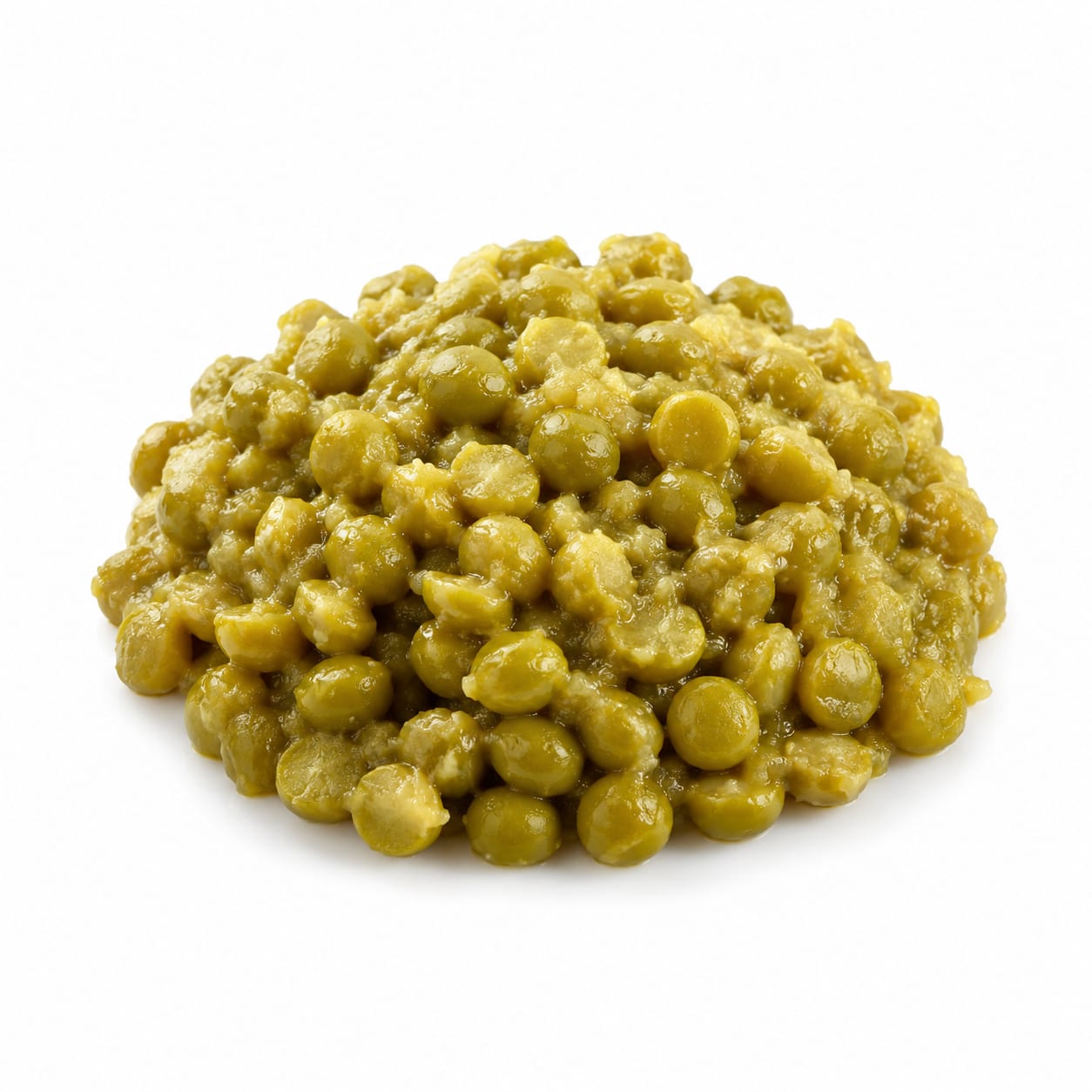
Split Pea
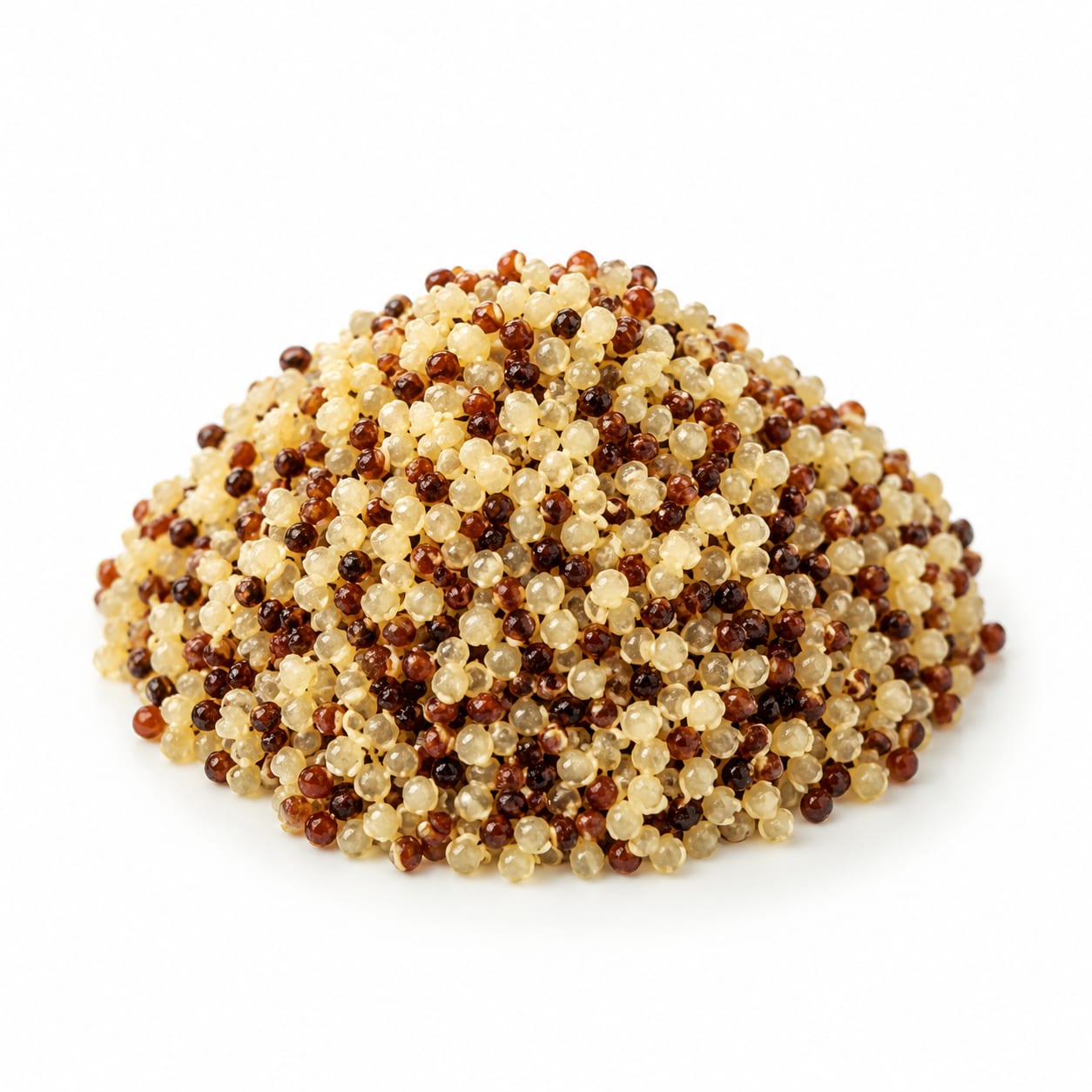
Quinoa
Split peas dominate in fiber and fullness, while quinoa offers faster prep and complete protein.
Quinoa edges ahead slightly for daily practicality and protein completeness, but split peas are a fiber powerhouse that excel in specific health goals.
Maximum satiety and gut health versus quicker cooking and balanced amino acids.
At a glance
Executive summary
Overall
It depends
Healthier
It depends
More practical
Quinoa
Daily use
Quinoa
Key comparison lenses
Plant-based protein quality and completeness
Both are popular vegan protein sources, but their amino acid profiles differ significantly.
Satiety and blood sugar management
Fiber content varies greatly, impacting fullness and glucose response.
Meal prep convenience and versatility
Cook times and culinary uses differ, affecting daily practicality.
Digestive tolerance and gut comfort
Legumes often cause bloating, while seeds like quinoa are usually gentler.
Best choice for
Split Pea
- Budget-friendly meal prep
- Blood sugar management
- Maximizing daily fiber intake
Quinoa
- Quick weeknight dinners
- Complete protein needs
- Lighter, easier-to-digest meals
Least suitable for
Split Pea
- People with severe bloating or gas sensitivity
- Quick 15-minute meals
Quinoa
- Strict budget constraints
- Those needing a massive fiber boost to stay regular
Deep comparison
Dimension by dimension
Each lens scores both foods and breaks down who each option suits.
- Dimension 1 · Priority 95Split Pea
Satiety & Fullness
Split Pea · 95Quinoa · 80Split peas are incredibly filling due to their dense soluble fiber, keeping you full for hours.
Tradeoff
You get longer-lasting fullness with split peas, but meals feel heavier than quinoa's lighter texture.
Why it matters
Staying full longer prevents snacking and overeating later in the day.
Real-world impact
A bowl of split pea soup at lunch easily prevents the 3 PM energy crash and vending machine trip.
Split Pea
- Long stretches between meals
- Appetite control
Better for
- Eating right before intense activity
Worse for
Quinoa
- Eating before a workout
- Lighter evening meals
Better for
- Recovering from restrictive eating where extreme fullness is helpful
Worse for
- Dimension 2 · Priority 92Split Pea
Blood Sugar Stability
Split Pea · 95Quinoa · 82Split peas have a remarkably low glycemic index thanks to their high fiber content slowing glucose absorption.
Tradeoff
Quinoa is still great for blood sugar, but split peas are top-tier for preventing spikes.
Why it matters
Stable blood sugar means steadier energy and fewer cravings.
Real-world impact
Choosing split peas over quinoa means less post-meal fatigue and fewer afternoon sugar cravings.
Split Pea
- Managing type 2 diabetes
- Preventing energy crashes
Better for
- Situations requiring quick energy
Worse for
Quinoa
- Post-workout carb replenishment
Better for
- Strict glycemic control without portion monitoring
Worse for
- Dimension 3 · Priority 88Quinoa
Protein Quality & Amino Acids
Split Pea · 75Quinoa · 90Quinoa is a complete protein with all essential amino acids, while split peas lack methionine.
Tradeoff
Quinoa offers balanced protein on its own, whereas split peas need pairing with grains to complete the amino acid profile.
Why it matters
Complete proteins support muscle repair and maintenance more efficiently.
Real-world impact
Quinoa makes a simpler post-workout meal without needing to combine foods.
Split Pea
- High-volume, high-protein diets on a budget
Better for
- Sole protein source for athletes
Worse for
Quinoa
- Vegans needing balanced amino acids
- Muscle recovery
Better for
- Maximizing sheer protein per dollar
Worse for
- Dimension 4 · Priority 85Quinoa
Convenience & Versatility
Split Pea · 60Quinoa · 88Quinoa cooks in 15 minutes and works in salads, bowls, or sides. Split peas usually require longer cooking and are mostly used in soups and stews.
Tradeoff
Quinoa fits easily into quick meals, while split peas demand more planning and longer cook times.
Why it matters
Easier prep makes you more likely to actually cook and eat the healthy food you bought.
Real-world impact
Quinoa saves you on busy weeknights; split peas are better suited for weekend meal prep or slow cooker sessions.
Split Pea
- Batch cooking
- Hearty winter meals
Better for
- Last-minute meal needs
Worse for
Quinoa
- Quick weeknight dinners
- Cold salads and meal prep bowls
Better for
- Comforting, thick soups
Worse for
- Dimension 5 · Priority 80Quinoa
Digestive Tolerance
Split Pea · 65Quinoa · 85Split peas are notorious for causing gas and bloating due to their high oligosaccharide content. Quinoa is generally much easier on the gut.
Tradeoff
The fiber that makes split peas so healthy can also make them uncomfortable to digest if you're not used to them.
Why it matters
Digestive discomfort can ruin your day and make you avoid otherwise healthy foods.
Real-world impact
Eating a large portion of split peas before a date or meeting is a risky move; quinoa is a safer bet.
Split Pea
- Building robust gut flora over time
Better for
- IBS or severe gas sensitivity
Worse for
Quinoa
- Sensitive stomachs
- Eating before social events
Better for
- Situations where extreme fiber is explicitly needed for constipation
Worse for
Timeline
Health impact over time
Short-term
Hours to days
Split Pea
- Highly filling, may cause bloating or gas
- Slow, steady energy release
Quinoa
- Lighter energy, easy digestion if rinsed
- Quick meal prep satisfaction
Long-term
Months to years
Split Pea
- Excellent for heart health and cholesterol reduction
- Superior blood sugar management
Quinoa
- Great for maintaining muscle mass
- Sustainable healthy eating habits due to versatility
Risk profile
Safety & processing
Both are whole, natural foods with minimal processing, though quinoa requires thorough rinsing to remove bitter natural saponins.
Split Pea
Flatulence and bloating
mediumHigh oligosaccharide content can cause significant gas if consumed in large amounts without gradual adaptation.
Antinutrient exposure
lowPhytic acid can slightly reduce mineral absorption, though cooking minimizes this.
Quinoa
Saponin residue
mediumNatural coatings can cause mild stomach upset and bitterness if quinoa is not rinsed thoroughly before cooking.
Gluten cross-contamination
lowWhile naturally gluten-free, processing facilities may introduce cross-contamination if not certified.
Who wins for whom
Audience fit
Same foods, different winners depending on your goal.
children
QuinoaQuinoa is milder, easier to digest, and has a friendlier texture for kids.
daily consumption
QuinoaQuinoa is faster to cook and more versatile, making it easier to stick with long-term.
diabetes
Split PeaSplit peas have a lower glycemic index and more fiber, keeping blood sugar more stable.
elderly
QuinoaQuinoa is gentler on the digestive system and easier to chew, making it a safer daily staple for older adults.
muscle gain
QuinoaQuinoa provides complete protein, which is more effective for muscle repair and growth.
weight loss
Split PeaSplit peas are more filling per calorie, making it easier to eat less and stay satisfied for hours.
Your move
Decision guide
Choose Split Pea
- You want maximum fiber to stay full and regular
- You are managing diabetes or insulin resistance
- You need budget-friendly protein for family meals
- You love hearty soups and stews
Choose Quinoa
- You want a quick-cooking complete protein
- You have a sensitive stomach or prone to bloating
- You need a versatile base for grain bowls and salads
- You are focused on muscle recovery
Either works if
- You need plant-based protein options
- You want to eat more whole, unprocessed foods
- You are meal-prepping lunches for the week
Avoid both if
- You have a severe legume or seed sensitivity, though this is rare
Final recommendation
Let your schedule and stomach decide. Use split peas for weekend meal prep when you want maximum fullness and blood sugar control. Keep quinoa on hand for busy weeknights when you need a fast, light, and complete protein.
Practical
Consumer tips
- 1
Rinse quinoa thoroughly under cold water for 30 seconds to remove bitter saponins.
- 2
Start with small portions of split peas to let your gut adjust to the high fiber.
- 3
Pair split peas with rice to get a complete amino acid profile.
- 4
Cook split peas in a pressure cooker or slow cooker for the best texture and convenience.