
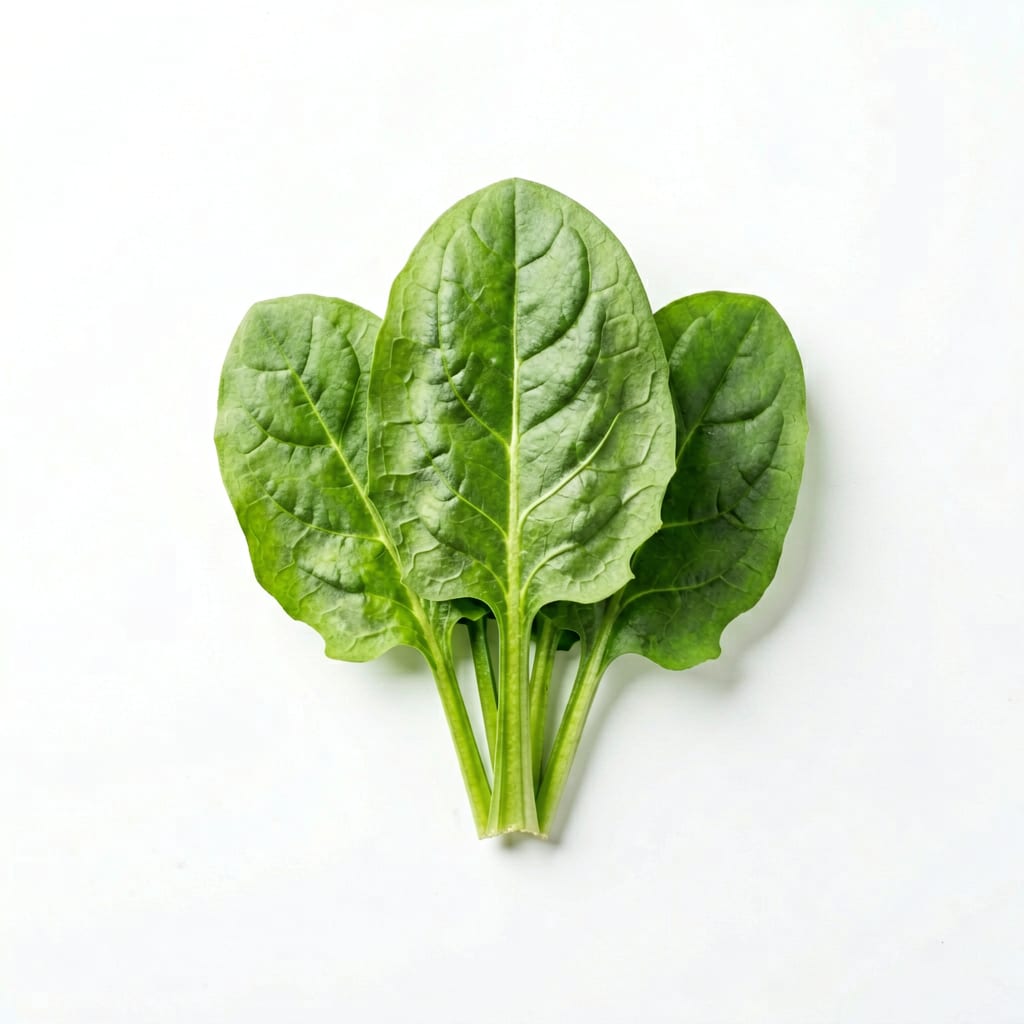
Leafy Green Vegetable
Spinach
A nutrient-dense, low-calorie leafy green high in vitamins A and K.
A nutrient-dense flowering plant native to central and western Asia, widely consumed for its dark green leaves that are rich in vitamins, minerals, and phytonutrients while being extremely low in calories.
high-volume low-calorie vegetable
Typical serving · 85g
Common varieties · savoy, flat-leaf, semi-savoy, baby spinach
Overall context score across nutrition, safety, and diet fit
At a glance
Quick facts
Simple indicators based on nutrition, processing, and diet fit.
The story
What makes it unique
Spinach is a low-energy-density food with high water and fiber content, resulting in slow gastric emptying and high satiety. Its macronutrient profile is predominantly carbohydrate with minimal fat and protein. Oxalates naturally present can bind minerals like iron and calcium, reducing their bioavailability unless cooked.
Varieties: savoy · flat-leaf · semi-savoy · baby spinach
Per 100g
Nutrition breakdown
Macro balance and key metrics at a glance.
Energy
Density 0.23 kcal/g
Protein
Carbs
Fat
Fiber
Sugar
0.4 g
Sodium
79 mg
Potassium
558 mg
Glycemic index
15
Glycemic load
1
Water content
91.4%
Standout compounds
Nutrient highlights
Vitamin K
highEssential for bone metabolism and blood clotting
Vitamin A
highSupports vision, immune function, and skin health
Folate
highCrucial for cell division and DNA synthesis
Iron
moderateOxygen transport in the blood
Dietary Nitrates
highVasodilation and blood pressure reduction
Wellness map
Health scores & processing
NOVA processing scale
Minimally processed · Whole food
Raw spinach is an unprocessed whole food. Bagged pre-washed spinach remains minimally processed.
Diet compatibility
- Weight loss
- Muscle gain
- Diabetes
- Gut health
- Low carb
- High protein
- Heart health
Relative standing
Food rankings
Qualitative ranks compared to similar whole foods.
- Satietyexcellent
- Blood sugarexcellent
- Nutrient densityexcellent
- Fitness fuelgood
- Processing qualityexcellent
Eat with confidence
Food safety profile
Spinach is vulnerable to pesticide residues and microbial contamination from soil and irrigation water. Heavy metal accumulation is possible but typically below harmful levels.
Evidence confidence 85%
- Pesticidesmoderate
- Antibioticslow
- Heavy metalsmoderate
- Contaminationmoderate
Watch for
- e. coli
- salmonella
- pesticide residues
- cadmium
Safer choices
Organic spinach reduces pesticide exposure. Cooked spinach reduces microbial risk and oxalates.
Prep tips
Wash thoroughly under running water, even if pre-washed, to remove soil and bacteria. Cooking further reduces potential pathogens.
Frequently appears on EWG's Dirty Dozen list for pesticide residues; FDA monitors leafy greens for microbial contamination from agricultural water.
Deep dive
Health analysis
How this food may fit different goals and preparation choices.
Weight loss
Extremely low energy density allows large portion sizes with minimal calories, promoting fullness without caloric surplus.
Blood sugar
Very low glycemic index and load; fiber content prevents blood sugar spikes and aids in glucose regulation.
Fitness & energy
Not a primary energy source, but natural dietary nitrates may improve blood flow and muscle efficiency during exercise.
Gut health
Provides fiber and polyphenols that support a healthy gut microbiome and regular digestion.
Processing quality
Whole, unprocessed food with maximal nutrient retention when fresh and properly handled.
Food safety
Requires careful washing to mitigate pesticide and bacterial contamination risks, particularly when consumed raw.
Common mistakes
Assuming the iron in spinach is highly absorbable without vitamin C pairing, or only eating it raw when cooking improves nutrient bioavailability.
Best preparation
Lightly sautéing or steaming with a healthy fat and vitamin C source (like lemon juice) maximizes nutrient absorption and reduces oxalates.
Practical guide
Best use cases
When and how this food fits real eating patterns.
High-volume low-calorie eating
Bulk up meals and salads with minimal caloric impact to support weight loss.
Nutrient-dense salad base
Use raw baby spinach as a foundation for salads to maximize vitamin intake.
Pre-workout nitrate boost
Consume spinach a few hours before exercise to leverage dietary nitrates for improved blood flow.
Vitamin K supplementation through food
Eat spinach regularly to maintain adequate vitamin K levels for bone and blood health.
Balance sheet
Pros & cons
Upsides
- Extremely low in calories
- Very high in vitamins A and K
- Contains blood-pressure-lowering nitrates
- Versatile for both raw and cooked dishes
- High water and fiber content promotes fullness
Trade-offs
- High oxalate content can inhibit mineral absorption
- Oxalates may trigger kidney stones in susceptible individuals
- Prone to pesticide residue requiring thorough washing
- Raw spinach carries a higher risk of bacterial contamination
- Requires large volumes to provide significant macronutrients
Fit check
Who is it for?
Great match
- high-volume eating
- blood sugar management
- nutrient density
- heart-healthy diets
Consider alternatives
- strict kidney stone avoidance diets
- primary protein source
- iron deficiency anemia without vitamin C pairing
Side by side
How it compares
Open the full head-to-head analysis for nutrition, safety, and practical tradeoffs.
This food
Spinach
VS90% alike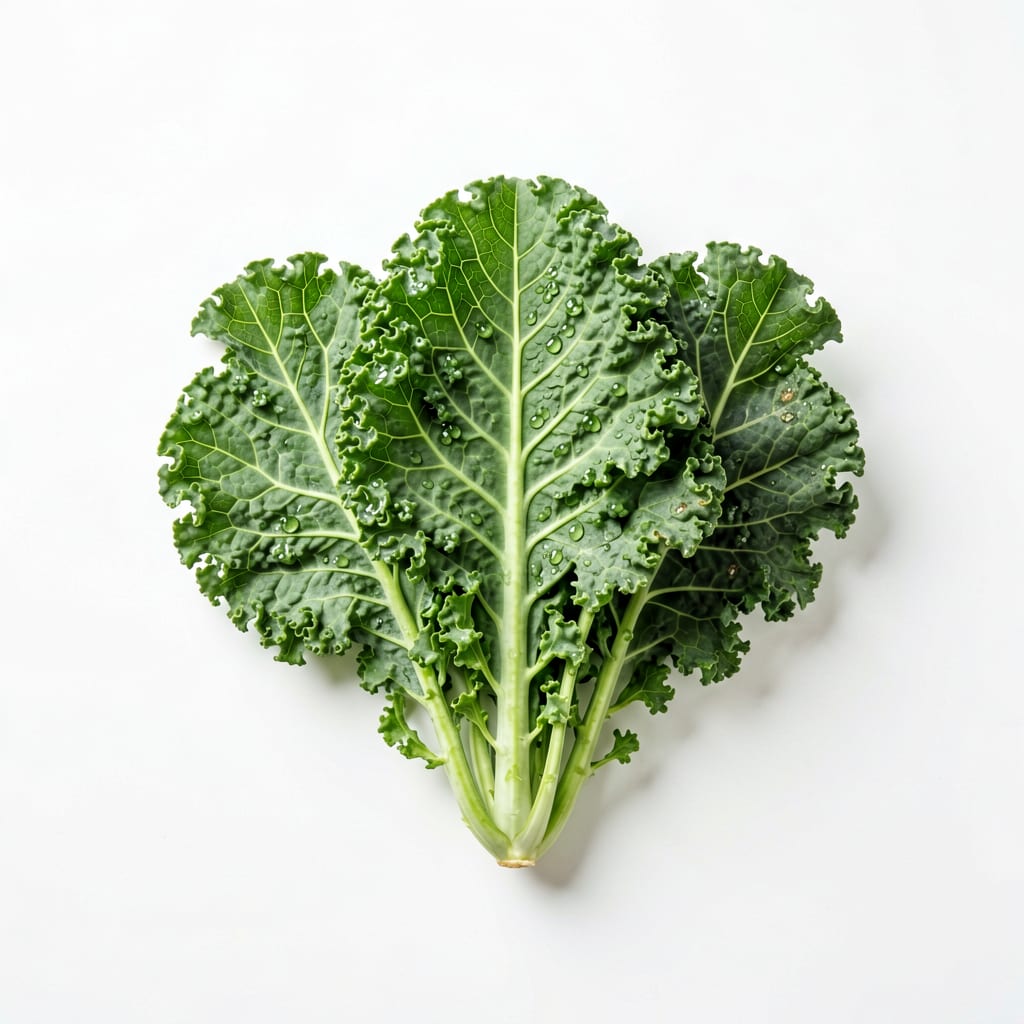
Compare with
Kale
Kale offers more vitamin C and crunch for salads, while spinach provides more folate and is easier to eat in large volumes due to its softer texture.
Kale provides more vitamin C and calcium, while spinach is higher in folate and easier to eat in bulk.
This food
Spinach
VS85% alike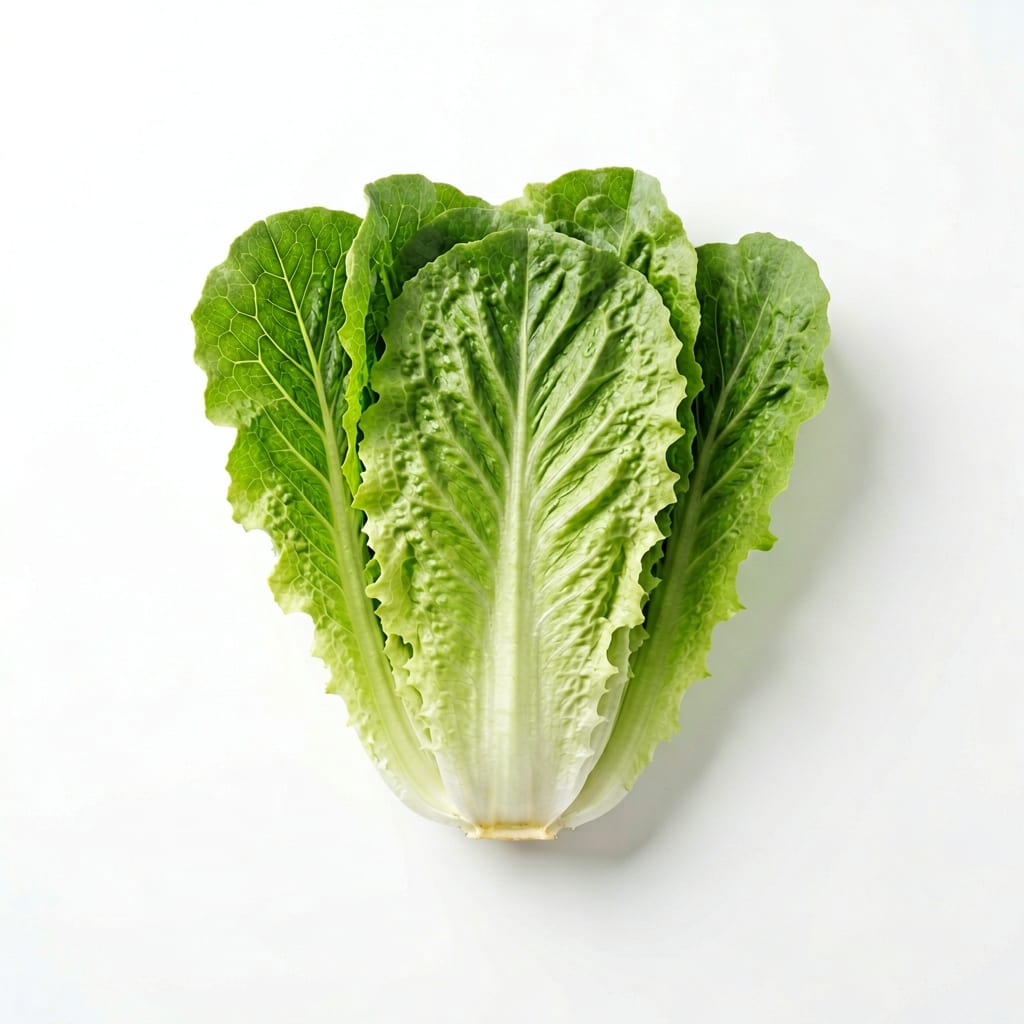
Compare with
Romaine Lettuce
Spinach is significantly richer in vitamins and minerals than romaine, making it the superior choice for nutrient density, though both are great for low-calorie eating.
Spinach is far more nutrient-dense than romaine, though both are excellent low-calorie salad bases.
This food
Spinach
VS88% alike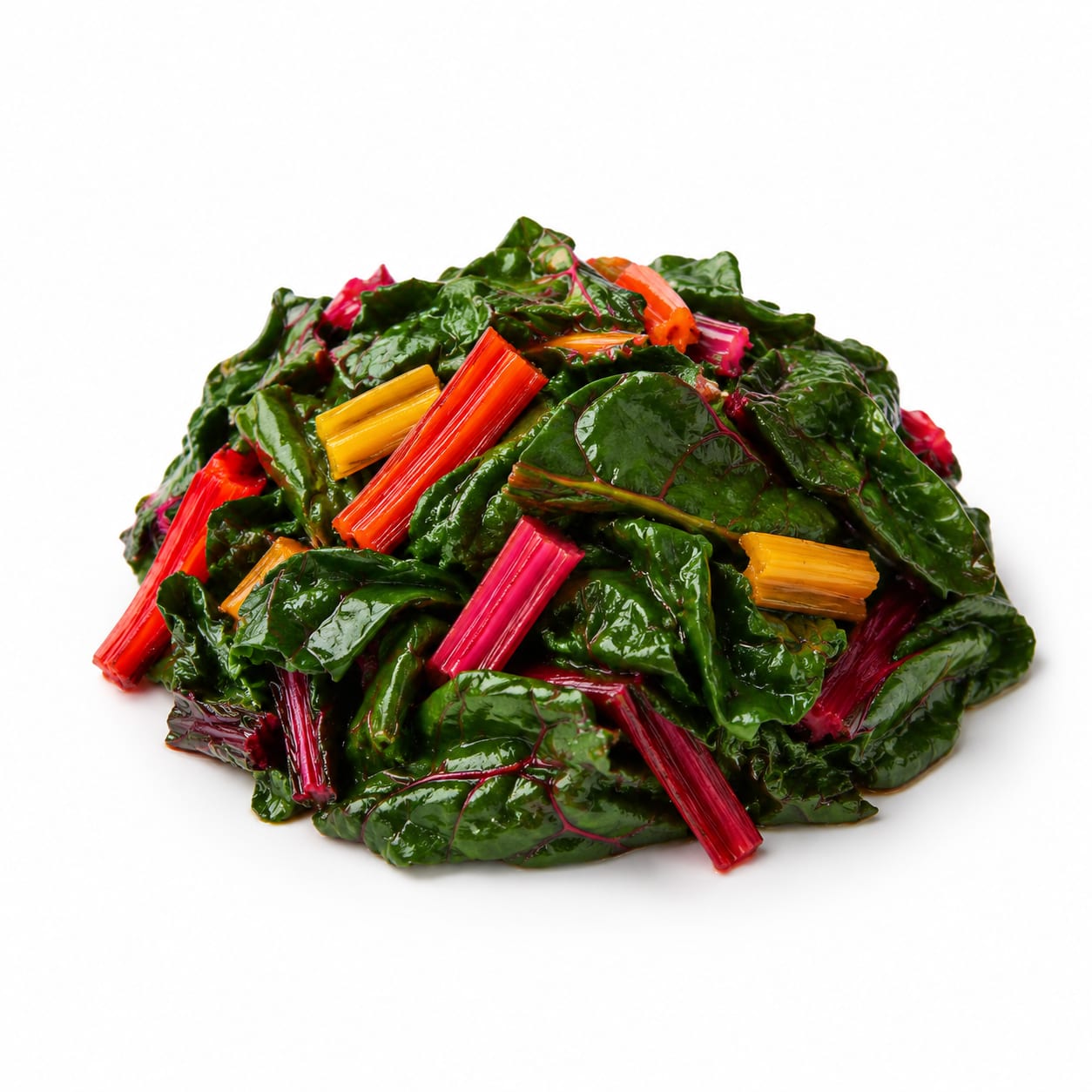
Compare with
Swiss Chard
Swiss chard and spinach are nutritional powerhouses, but chard contains less oxalate, making its minerals slightly more bioavailable.
Swiss chard is lower in oxalates than spinach, making its iron and calcium easier to absorb.
This food
Spinach
VS80% alike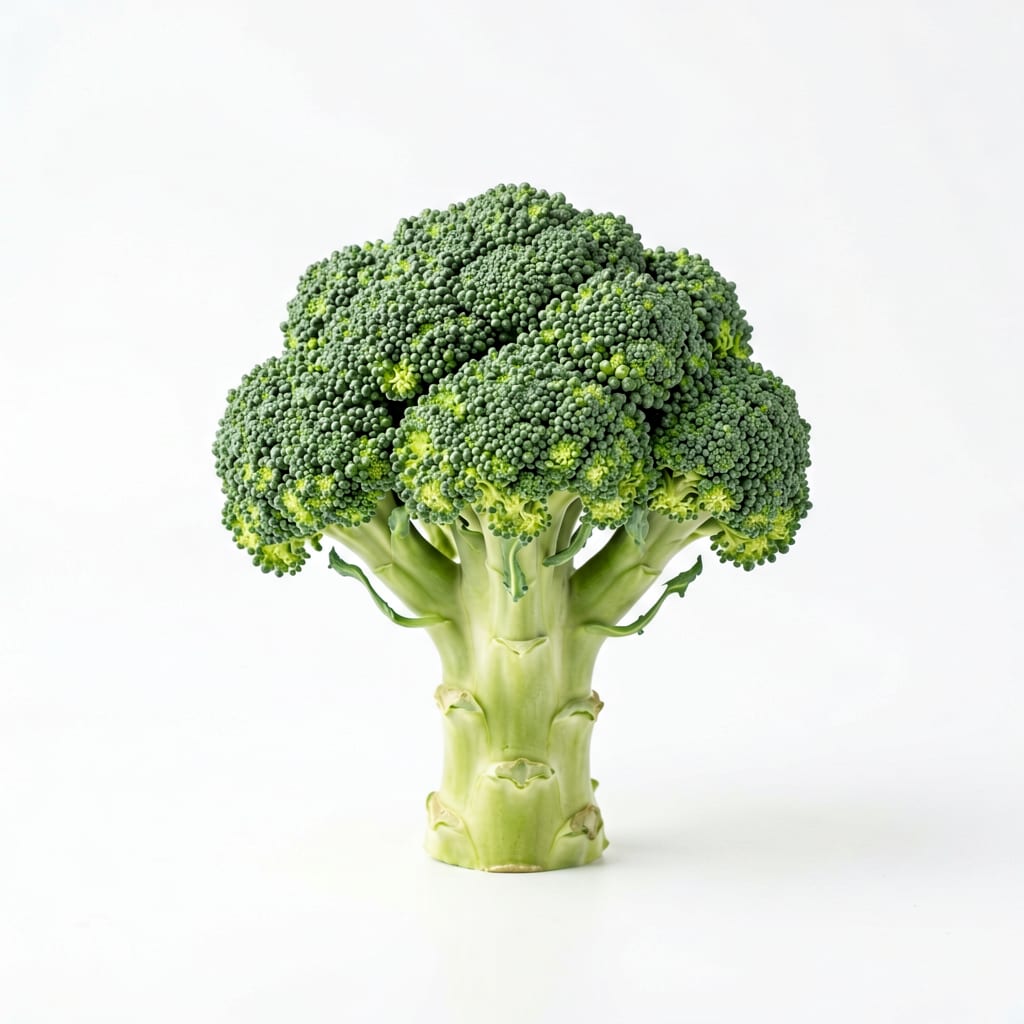
Compare with
Broccoli
Broccoli provides more protein and vitamin C per calorie, while spinach offers a softer texture and higher vitamin A and K concentrations.
Broccoli offers more protein and vitamin C, while spinach is richer in vitamins A and K.
This food
Spinach
VS82% alike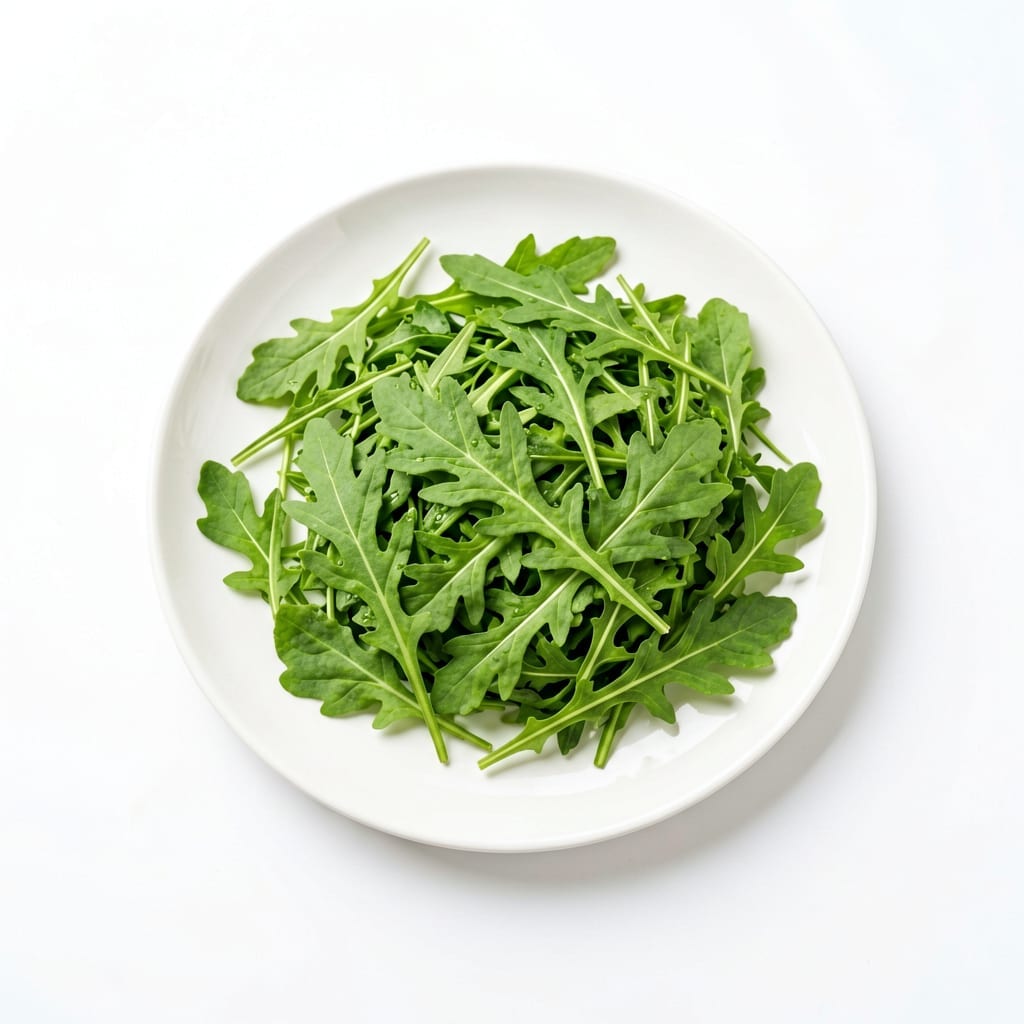
Compare with
Arugula
Spinach is higher in iron and folate than arugula, but arugula provides a distinct peppery flavor and slightly lower oxalate levels.
Spinach is more nutrient-dense and filling, while arugula provides a peppery flavor with fewer oxalates.
This food
Spinach
VS78% alike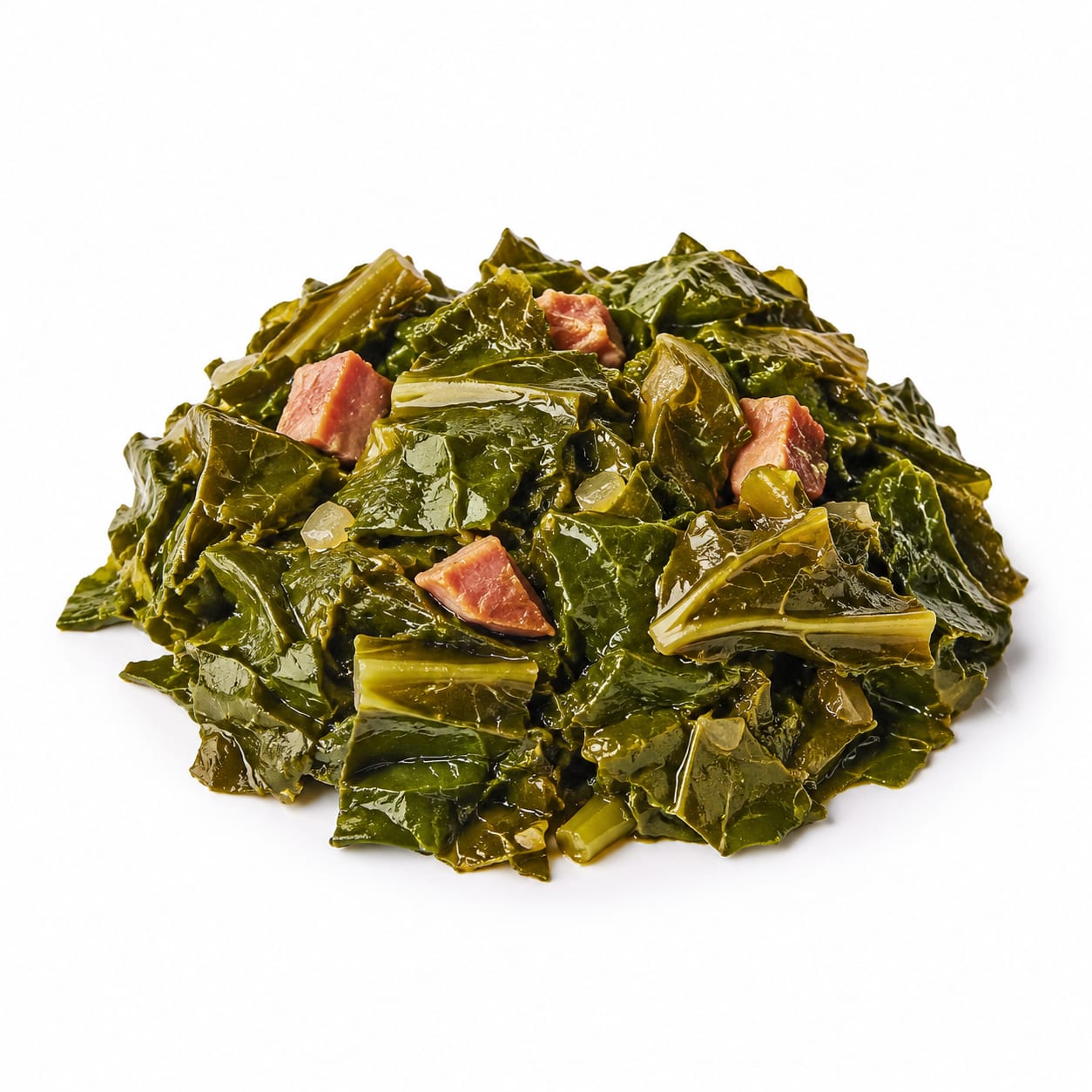
Compare with
Collard Greens
Collard greens offer more calcium and fiber per serving, while spinach is easier to eat raw and boasts higher folate levels.
Collard greens are higher in fiber and calcium, while spinach is more versatile for raw consumption.
This food
Spinach
VS75% alike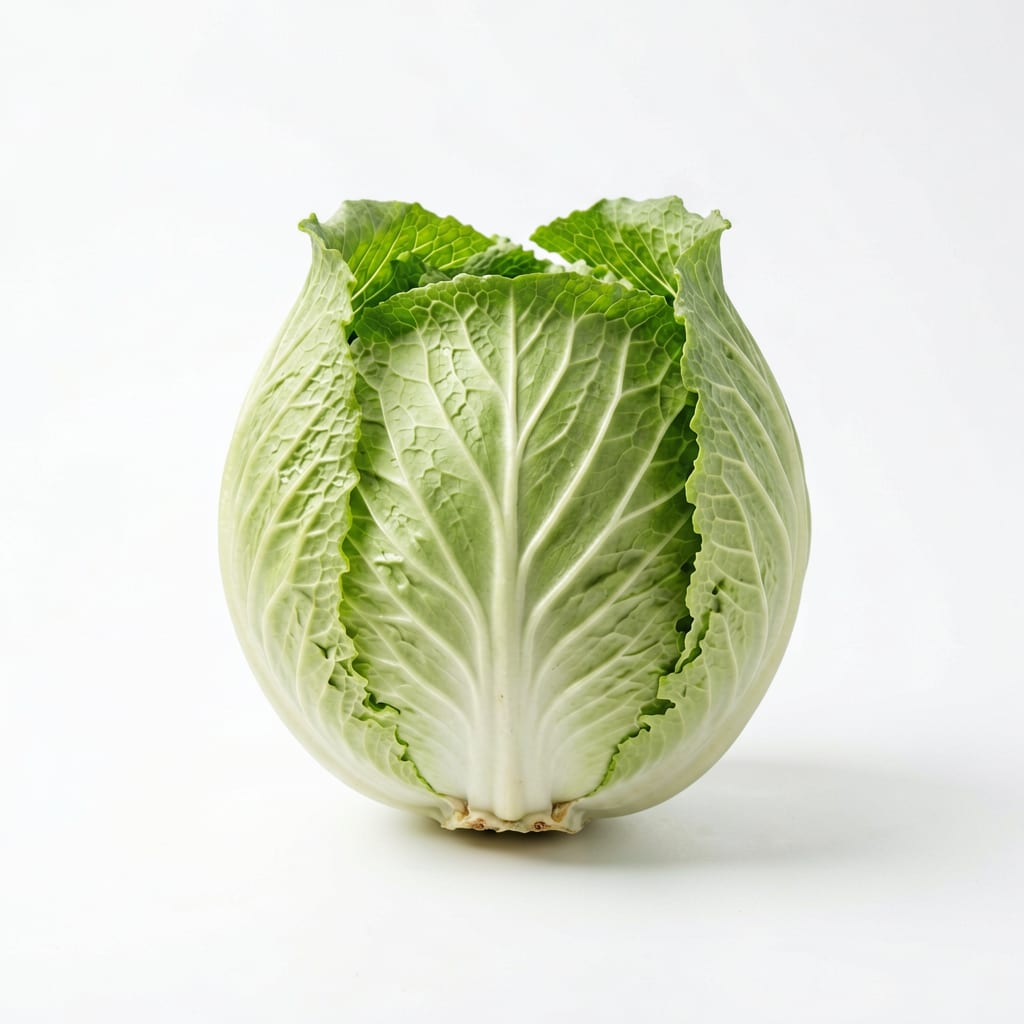
Compare with
Cabbage
Cabbage is a cost-effective, high-fiber option, but spinach wins on overall vitamin and mineral density.
Cabbage is cheaper and higher in fiber, while spinach is far richer in vitamins and minerals.
This food
Spinach
VS72% alike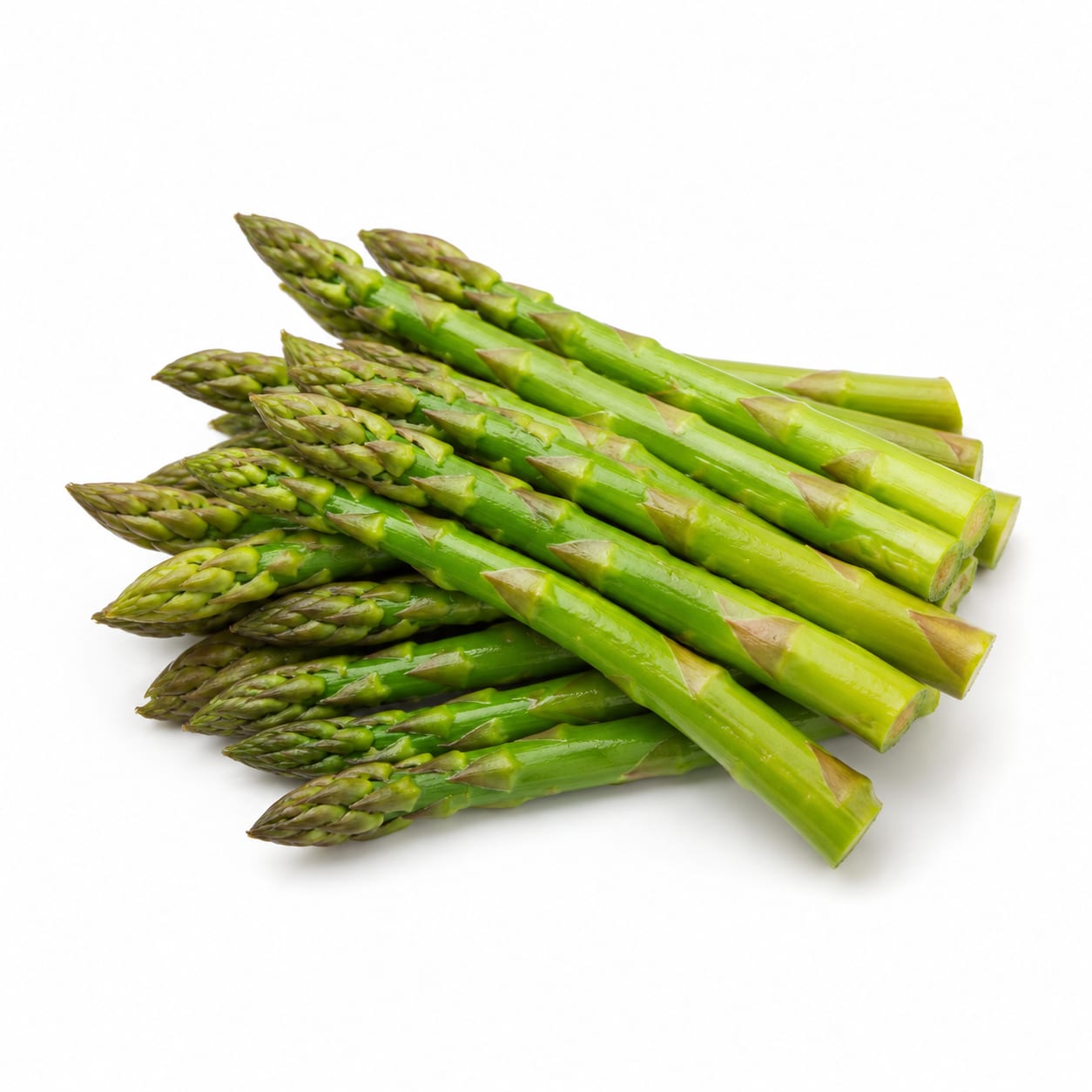
Compare with
Asparagus
Asparagus provides more protein and prebiotic fiber, while spinach is lower in calories and better for high-volume eating.
Asparagus offers more protein and prebiotic fiber, while spinach is better for low-calorie volume eating.
This food
Spinach
VS70% alike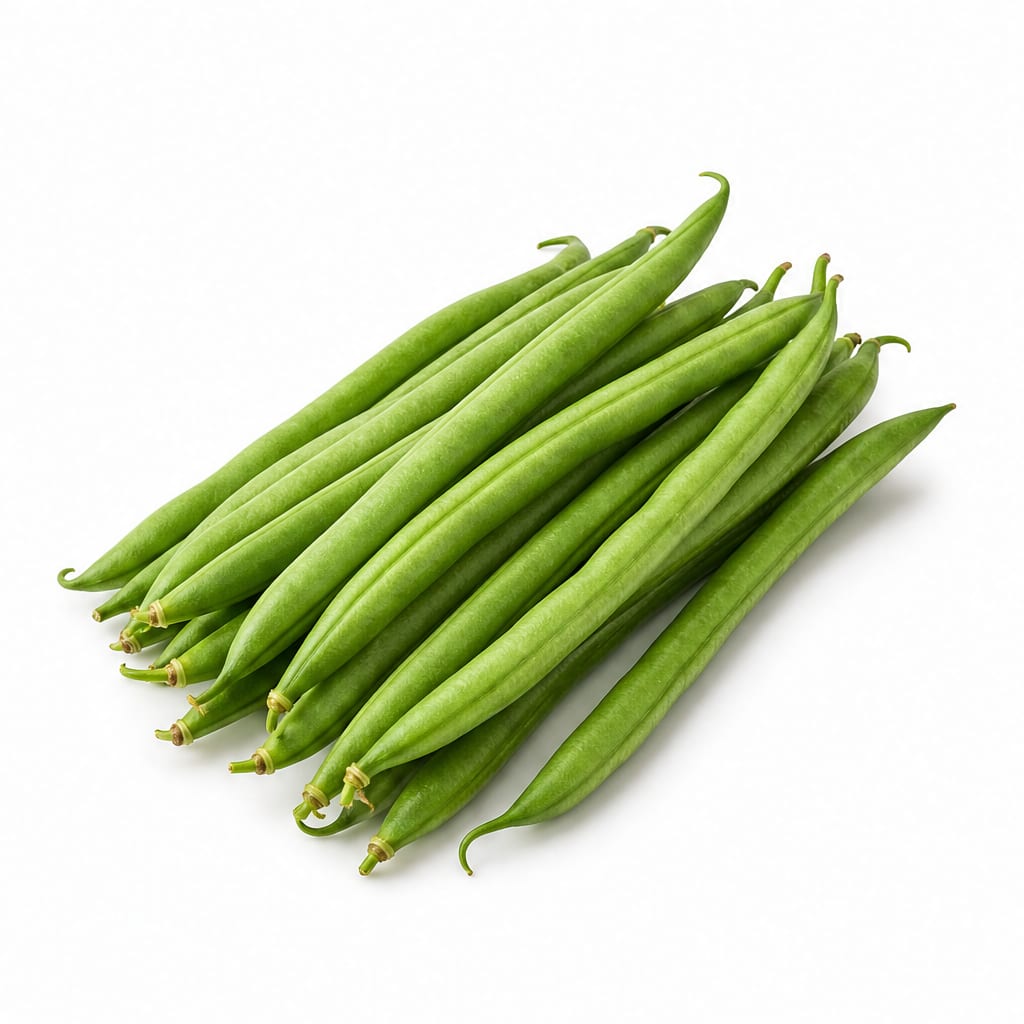
Compare with
Green Beans
Green beans are higher in carbohydrates and fiber, whereas spinach is drastically lower in calories and richer in fat-soluble vitamins.
Green beans are crunchier and higher in carbs, while spinach is much lower in calories and richer in vitamins.
This food
Spinach
VS68% alike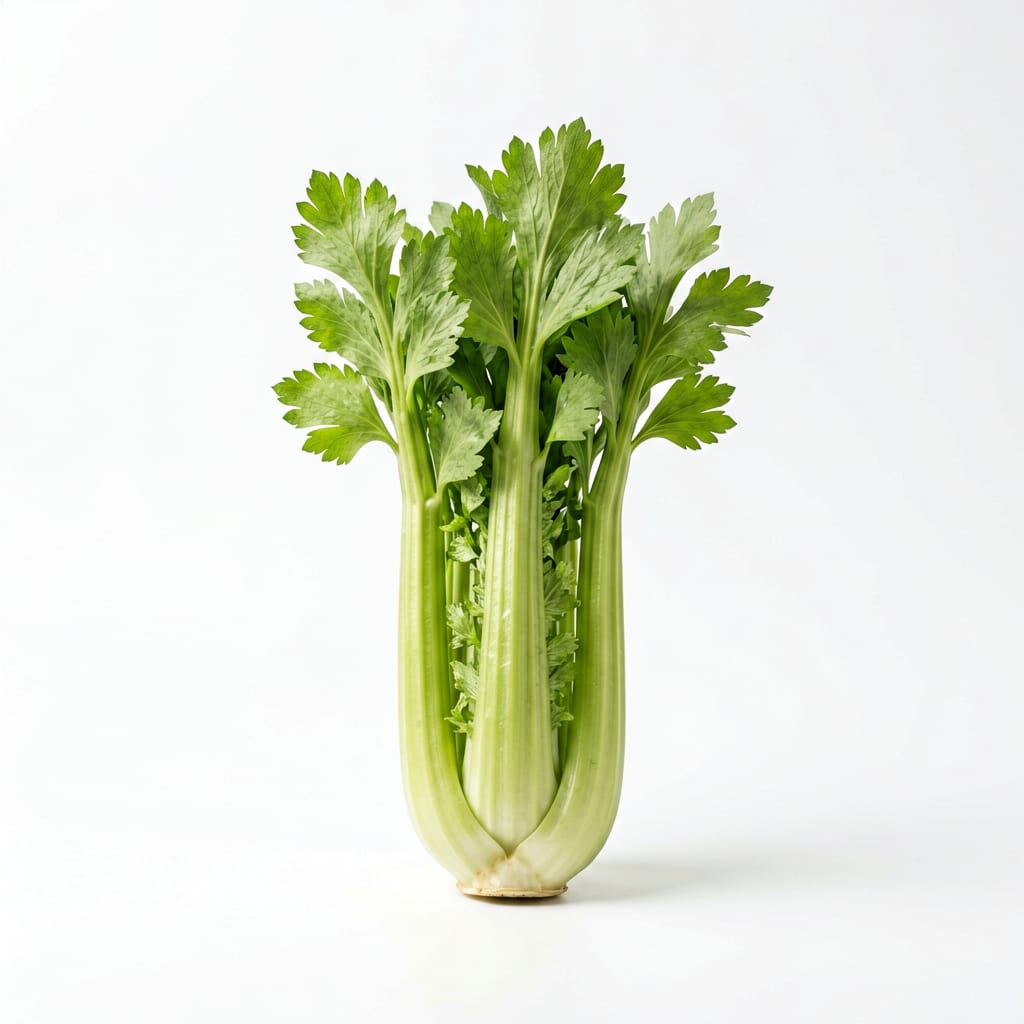
Compare with
Celery
Celery is lower in calories and higher in water, but spinach provides significantly more vitamins, minerals, and health-promoting nitrates.
Celery is lower in calories, but spinach is vastly superior in nutrient density and health benefits.
Common questions
FAQ
Answers aligned with how people search for this food.
Is spinach good for weight loss?
Yes, its extremely low calorie count and high water content allow you to eat large volumes, promoting satiety without excess calories.
Can diabetics eat spinach?
Yes, spinach has a very low glycemic index and load, making it highly suitable for blood sugar management.
Is raw or cooked spinach healthier?
Cooking spinach reduces oxalates and increases the bioavailability of iron, calcium, and magnesium, while raw spinach retains more vitamin C and folate.
Does spinach have a lot of protein?
While spinach contains about 3g of protein per 100g, you would need to eat a very large volume to get a significant amount of protein.
Why is spinach high in oxalates?
Oxalates are naturally occurring plant compounds that help regulate calcium and protect the plant from pests, but they can bind to minerals in your gut.
Can you eat spinach every day?
Yes, for most people, eating spinach daily is safe and beneficial, though those with a history of calcium oxalate kidney stones should moderate their intake.
Does spinach build muscle?
Spinach does not build muscle directly due to low protein, but its natural nitrates may improve blood flow and exercise performance.
Transparency
Data confidence
Estimated confidence for nutrition data, interpretation, safety notes, and comparisons.
Nutrition data
Health analysis
Food safety
Comparisons