
Nutrition comparison
Spinach vs Romaine Lettuce: Which Green Is Healthier for You?
Compare Spinach and Romaine Lettuce side by side. Discover which is more nutritious, which is safer for kidney stones, and which makes the better daily salad base.
Overall winner · Spinach
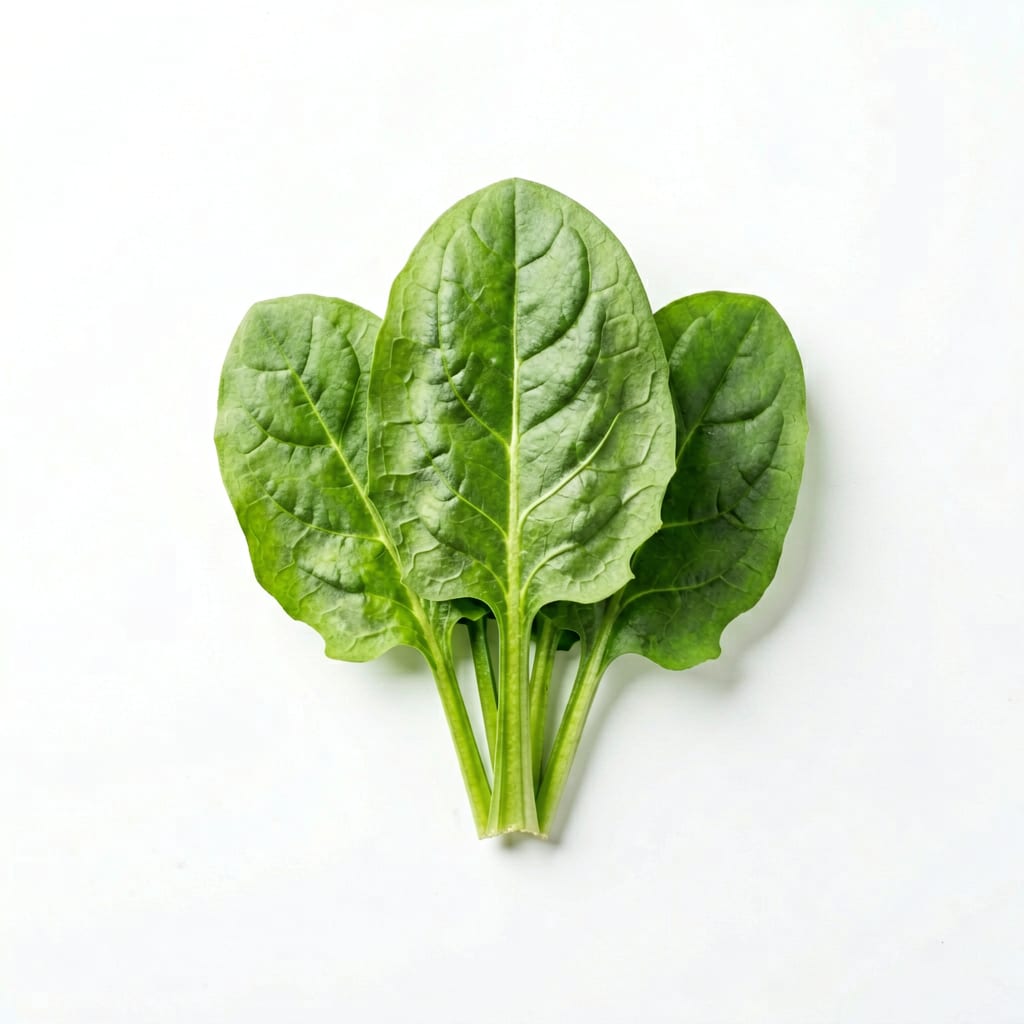
Spinach
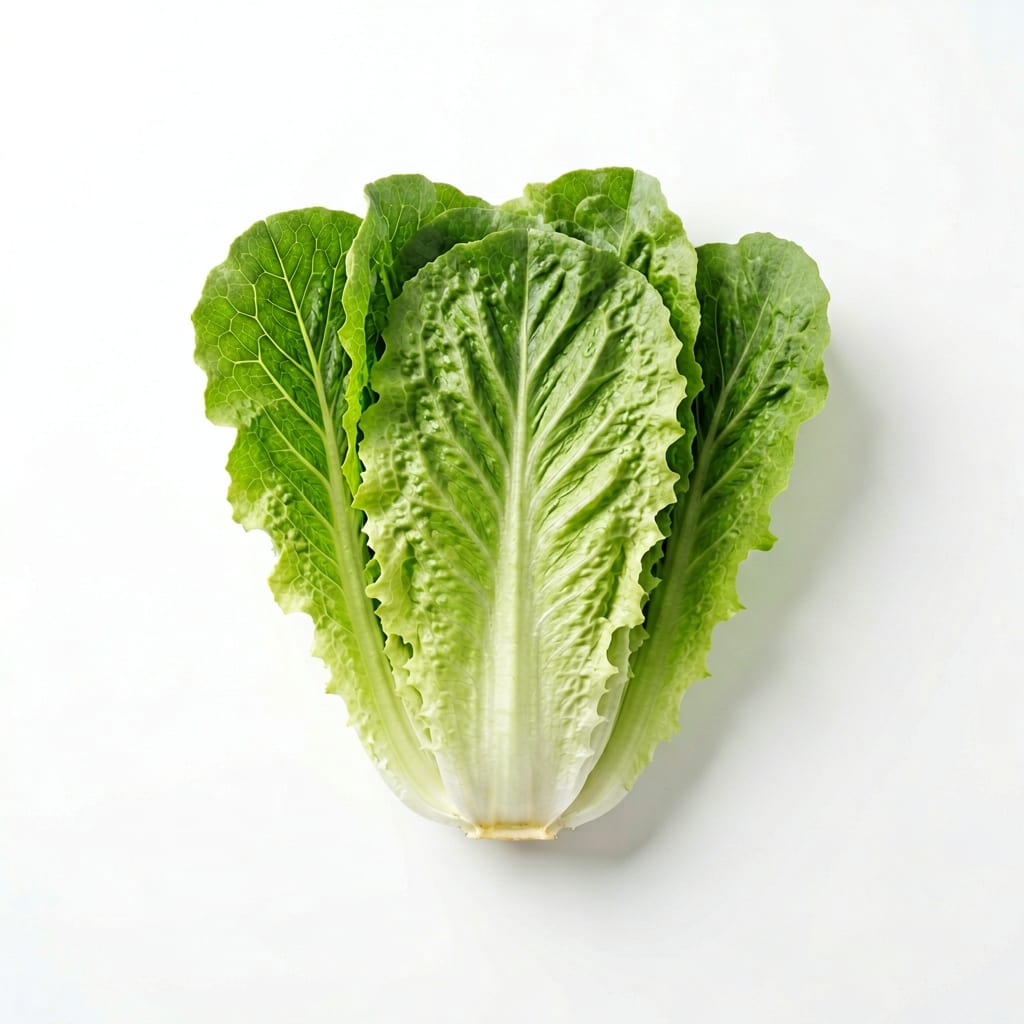
Romaine Lettuce
Spinach delivers far more nutrition per bite, but Romaine wins on crunch, hydration, and oxalate safety.
Spinach scores notably higher due to its exceptional micronutrient density, but Romaine remains a solid choice for those prioritizing hydration, crunch, and oxalate avoidance.
Nutritional powerhouse versus lighter, safer everyday salad base
At a glance
Executive summary
Overall
Spinach
Healthier
Spinach
More practical
Romaine Lettuce
Daily use
It depends
Key comparison lenses
nutrient density comparison
Spinach dramatically outperforms Romaine in vitamins and minerals per calorie, making this the central tradeoff
salad base selection
Users are likely choosing between these as a daily salad foundation
kidney stone risk
Spinach's high oxalate content is a meaningful concern for susceptible individuals
food safety contamination
Both leafy greens carry foodborne illness risk, but Romaine has had notable E. coli outbreaks
raw vs cooked versatility
Spinach works cooked or raw while Romaine is almost exclusively eaten raw
Best choice for
Spinach
- Maximizing vitamin and mineral intake
- Cooked vegetable dishes like sautés and soups
- Boosting iron and folate naturally
- Smoothie nutrient upgrades
Romaine Lettuce
- Classic crunchy salads
- People prone to kidney stones
- Staying hydrated in hot weather
- Meal prep that needs to last days in the fridge
Least suitable for
Spinach
- People with oxalate-sensitive kidney stones
- Those wanting a light, refreshing crunch
- Salads that sit for hours without wilting
Romaine Lettuce
- Anyone seeking concentrated nutrition per calorie
- Cooked vegetable recipes
- Significant iron or folate supplementation through food
Deep comparison
Dimension by dimension
Each lens scores both foods and breaks down who each option suits.
- Dimension 1 · Priority 95Spinach
Micronutrient Density
Spinach · 94Romaine Lettuce · 42Spinach is in a different nutritional league, offering far more iron, folate, vitamin K, magnesium, and potassium per serving.
Tradeoff
That nutrient density comes with oxalates that can block absorption of some minerals and trigger kidney stones.
Why it matters
If you eat greens primarily for health benefits, Spinach delivers substantially more per calorie.
Real-world impact
A cup of Spinach covers roughly half your daily vitamin K needs; Romaine covers about a third of that.
Spinach
- Preventing iron deficiency
- Pregnancy folate needs
- Bone health through vitamin K
Better for
- Kidney stone formers
- Mineral absorption when eaten raw without vitamin C
Worse for
Romaine Lettuce
- Avoiding oxalate-related kidney issues
- Gentler digestion for sensitive stomachs
Better for
- Correcting nutrient gaps through greens alone
Worse for
- Dimension 2 · Priority 72Romaine Lettuce
Hydration and Refreshment
Spinach · 55Romaine Lettuce · 85Romaine is over 95% water with a satisfying crunch, making it more refreshing and hydrating.
Tradeoff
More water means fewer nutrients per volume, but better for hot days and light meals.
Why it matters
When you want a salad that feels light and crisp rather than dense and wilted, Romaine delivers the better experience.
Real-world impact
A Romaine salad feels like a refreshing starter; a Spinach salad feels more like a side dish with substance.
Spinach
- Getting more substance per serving
Better for
- Feeling heavy or wilted in warm salads
Worse for
Romaine Lettuce
- Hot summer meals
- Staying hydrated without drinking more water
- Feeling light after eating
Better for
- Feeling hungry again soon after eating
Worse for
- Dimension 3 · Priority 80Spinach
Versatility in Cooking
Spinach · 90Romaine Lettuce · 30Spinach works raw in salads, blended in smoothies, sautéed, added to soups, or baked into dishes. Romaine is almost exclusively a raw salad green.
Tradeoff
Spinach's cooking versatility means you can use it across many more meals, but it shrinks dramatically when cooked.
Why it matters
If you want one green that works across your whole weekly menu, Spinach is far more flexible.
Real-world impact
You can toss Spinach into eggs, pasta, smoothies, and stir-fries. Romaine really only shines in salads and wraps.
Spinach
- Cooked dishes of any kind
- Smoothies where nutrients blend in
- One green for the whole week's cooking
Better for
- Dishes where you want a firm crunch
Worse for
Romaine Lettuce
- Lettuce wraps
- Sandwiches and burger toppings
Better for
- Any cooked preparation
- Blended drinks
Worse for
- Dimension 4 · Priority 75Romaine Lettuce
Oxalate and Kidney Safety
Spinach · 35Romaine Lettuce · 88Spinach is one of the highest-oxalate foods commonly eaten. Romaine is very low in oxalates.
Tradeoff
For most people oxalates are harmless, but for kidney stone formers Spinach is a genuine risk factor.
Why it matters
If you have a history of calcium oxalate kidney stones, this dimension alone could make Romaine the better daily choice.
Real-world impact
A spinach salad can contain 750mg of oxalates; a Romaine salad has under 15mg.
Spinach
- People without kidney stone history get full nutritional benefit
Better for
- Recurrent kidney stone sufferers
- People who need low-oxalate diets
Worse for
Romaine Lettuce
- Kidney stone formers
- Anyone monitoring oxalate intake
- Long-term daily consumption without worry
Better for
- No real downside here for most people
Worse for
- Dimension 5 · Priority 68Spinach
Satiety and Fullness
Spinach · 74Romaine Lettuce · 52Spinach provides more fiber and protein per serving, making it slightly more filling despite being low-calorie.
Tradeoff
Neither green is a satiety powerhouse on its own, but Spinach gives you a bit more staying power.
Why it matters
If your salad is your whole meal, Spinach helps you feel satisfied slightly longer.
Real-world impact
A Spinach salad with dressing keeps you full about 30 minutes longer than a Romaine salad with the same toppings.
Spinach
- Light lunches where you want lasting fullness
- Reducing between-meal snacking
Better for
- People who find cooked Spinach too heavy
Worse for
Romaine Lettuce
- Situations where you want to eat light before a heavier meal
Better for
- Anyone relying on salad alone for satiety
Worse for
- Dimension 6 · Priority 62Romaine Lettuce
Meal Prep and Storage
Spinach · 48Romaine Lettuce · 78Romaine holds its crunch and structure for days in the fridge. Spinach wilts and gets slimy faster.
Tradeoff
Romaine is more reliable for batch prep; Spinach needs to be used within a couple of days.
Why it matters
If you prep salads on Sunday for the week, Romaine will still look good on Thursday. Spinach will not.
Real-world impact
Pre-washed Spinach often goes bad by day three. Romaine hearts easily last a week.
Spinach
- Quick use within a day or two of purchase
Better for
- Anyone who hates throwing away wilted greens
Worse for
Romaine Lettuce
- Weekly meal prep
- Buying in bulk without waste
- Dressed salads that sit in the fridge
Better for
- No significant downside for storage
Worse for
Timeline
Health impact over time
Short-term
Hours to days
Spinach
- Noticeable energy support from iron and B vitamins when eaten regularly
- Can cause mouth puckering from oxalates when eaten raw in large amounts
- Wilts down to almost nothing when cooked, making it easy to eat large volumes
Romaine Lettuce
- Refreshing hydration after physical activity or in hot weather
- Very gentle on the digestive system
- Unlikely to cause any adverse short-term reactions
Long-term
Months to years
Spinach
- Stronger bone density support from exceptional vitamin K content
- Potential kidney stone risk for susceptible individuals with daily high intake
- Better cardiovascular markers from folate and magnesium over time
Romaine Lettuce
- Consistent gentle hydration and fiber support
- Very safe long-term daily consumption profile
- Modest but reliable contribution to daily vitamin intake
Risk profile
Safety & processing
Both Spinach and Romaine are whole, unprocessed foods. Pre-washed bagged versions of either may carry slightly more handling risk but remain minimally processed.
Spinach
E. coli and Salmonella contamination
mediumLeafy greens are a common source of foodborne illness. Pre-washed Spinach has been linked to outbreaks. Always wash thoroughly.
Pesticide residue
mediumSpinach consistently appears on the EWG Dirty Dozen list with detectable pesticide residues. Organic reduces this risk significantly.
Romaine Lettuce
E. coli outbreaks
highRomaine has been linked to multiple large-scale E. coli recalls in recent years, more prominently than Spinach. Check origin before purchasing.
Pesticide residue
lowRomaine typically has lower pesticide residue levels than Spinach, though washing is still recommended.
Who wins for whom
Audience fit
Same foods, different winners depending on your goal.
children
Romaine LettuceRomaine's mild flavor and fun crunch make it more appealing to kids. Spinach can taste bitter or strange to young palates.
daily consumption
It dependsSpinach wins for nutrition but Romaine wins for safety and convenience. Alternating both throughout the week is the smartest approach.
diabetes
SpinachSpinach has more fiber and magnesium, both linked to better blood sugar regulation. Neither poses any glycemic concern.
elderly
SpinachOlder adults benefit most from Spinach's concentrated vitamin K for bone health and folate for cognitive support, provided kidney stones are not a concern.
muscle gain
SpinachSpinach offers more iron and magnesium, both important for muscle function and oxygen delivery during training.
weight loss
SpinachBoth are extremely low calorie, but Spinach provides more nutrients and slightly more satiety per calorie, helping prevent nutrient cravings.
Your move
Decision guide
Choose Spinach
- You want maximum nutritional value from your greens
- You cook vegetables regularly and need a versatile green
- You have no history of kidney stones
- You blend green smoothies
- You need to boost iron or folate intake naturally
Choose Romaine Lettuce
- You are prone to calcium oxalate kidney stones
- You want a crunchy, refreshing salad base
- You meal prep salads days in advance
- You prefer milder flavors in raw dishes
- You need a reliable green that lasts all week in the fridge
Either works if
- You just want a low-calorie vegetable to fill your plate
- You are making a mixed salad and can use both
- You have no specific health restrictions
Avoid both if
- You are on a strict vitamin K restriction for blood-thinning medication
- You have severe digestive issues with raw leafy greens
- You cannot verify the source during an active E. coli advisory
Final recommendation
Eat Spinach when you want nutrient density and cooking versatility. Choose Romaine when you want crunch, refreshment, and oxalate safety. The healthiest approach is rotating both throughout your week so you get Spinach's micronutrient boost and Romaine's reliable everyday safety.
Practical
Consumer tips
- 1
Pair raw Spinach with lemon juice or vinaigrette — the vitamin C helps your body absorb the iron that oxalates would otherwise block
- 2
Buy organic Spinach when possible since it consistently ranks high for pesticide residue
- 3
Check Romaine origin labels during known E. coli advisory periods — this simple step significantly reduces risk
- 4
Store Romaine hearts unwashed in a damp paper towel inside a bag for maximum fridge life
- 5
Freeze Spinach that is about to go bad — it works perfectly in smoothies and cooked dishes later
- 6
If you have kidney stone concerns, boiling Spinach and discarding the water removes roughly half the oxalates