
Nutrition comparison
Spinach vs Collard Greens: Which Leafy Green Is Healthier?
Compare Spinach vs Collard Greens. Discover which green offers better calcium absorption, lower oxalates, and the best nutritional benefits for your diet.
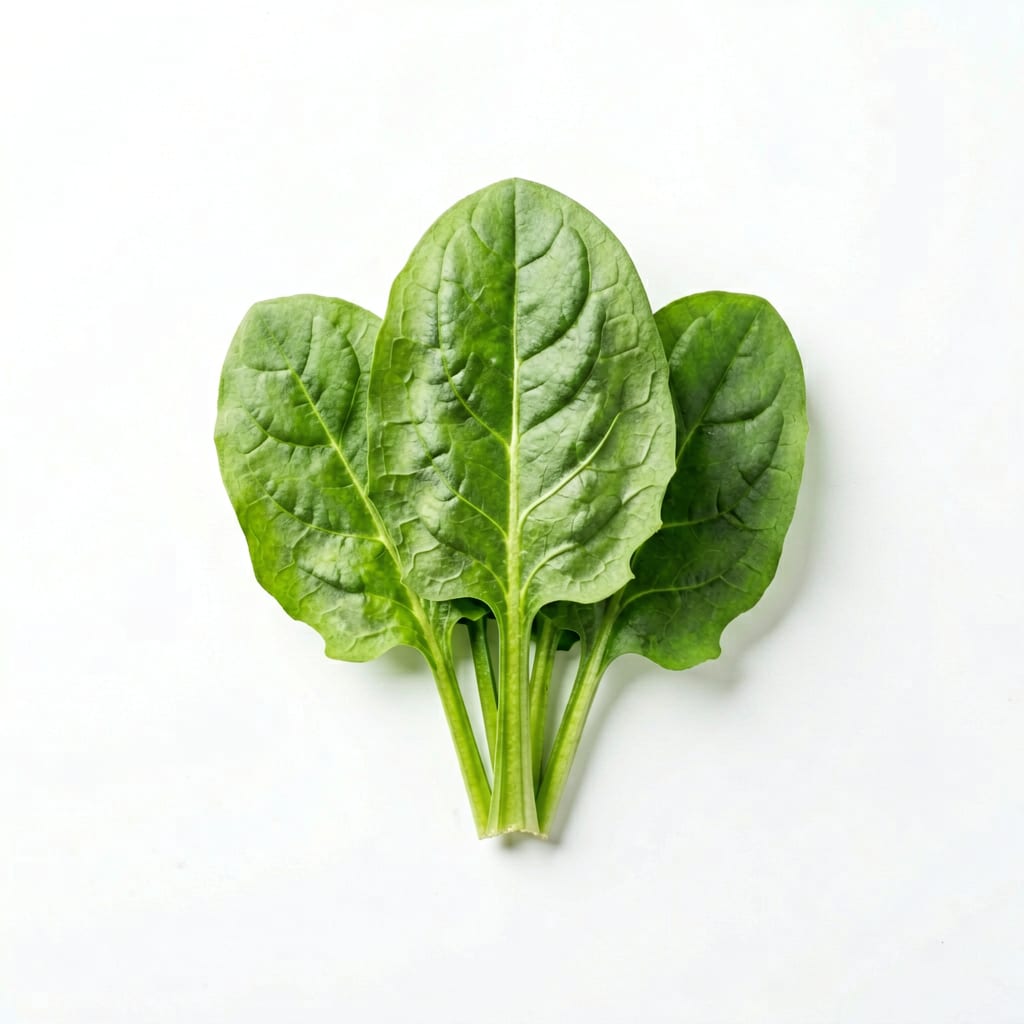
Spinach
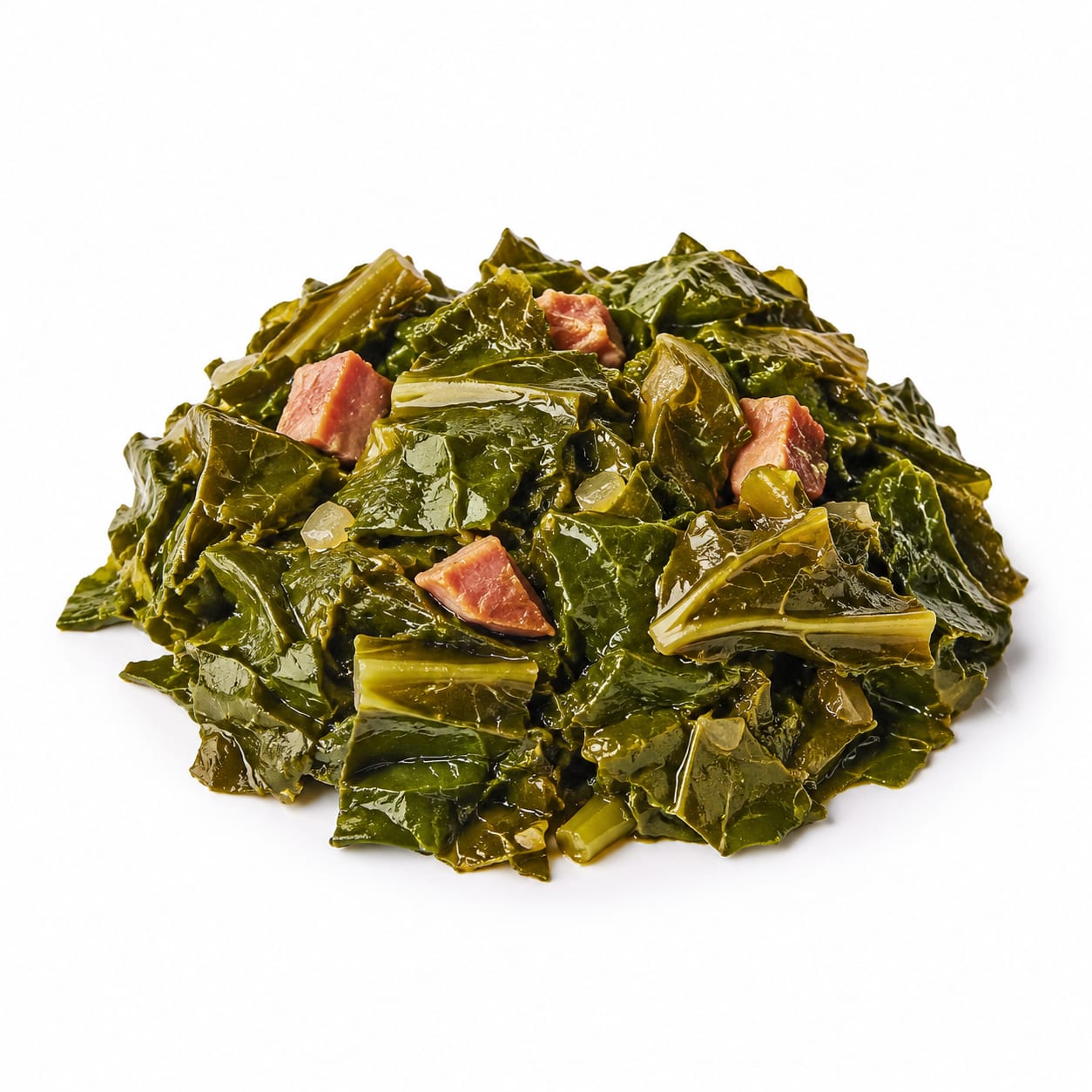
Collard Greens
Spinach offers more folate and eye-protecting antioxidants, while Collard Greens deliver far more absorbable calcium and cancer-fighting compounds without the kidney-stone risks.
Collard Greens edge out Spinach slightly due to better mineral bioavailability and lack of oxalates, making them safer for daily consumption, though both are nutritional powerhouses.
Raw convenience and eye health from Spinach versus superior calcium absorption and kidney-friendly mineral profiles from Collard Greens.
At a glance
Executive summary
Overall
It depends
Healthier
It depends
More practical
Spinach
Daily use
Collard Greens
Key comparison lenses
Mineral Bioavailability and Oxalate Impact
Spinach is notoriously high in oxalates which block calcium and iron absorption, while Collard Greens offer highly bioavailable calcium.
Bone Health and Calcium Sourcing
Collard Greens are a top-tier dairy-free calcium source, whereas the calcium in Spinach is largely unusable by the body.
Culinary Versatility and Preparation
Spinach is easy to eat raw or lightly cooked, while Collard Greens require longer cooking times to become palatable.
Targeted Antioxidant Benefits
Spinach excels in lutein for eye health, while Collard Greens provide glucosinolates for cellular detox and cancer defense.
Best choice for
Spinach
- Smoothie enthusiasts looking for a mild, raw green
- Pregnant women needing extra folate
- People focused on screen-time eye strain relief
Collard Greens
- People avoiding dairy who need highly absorbable calcium
- Individuals prone to kidney stones needing low-oxalate greens
- Those seeking hearty, filling cooked vegetables
Least suitable for
Spinach
- People with a history of calcium oxalate kidney stones
- Those relying on leafy greens as their primary calcium source
Collard Greens
- Fans of quick, raw salads or green smoothies
- People wanting a fast-cooking weeknight vegetable
Deep comparison
Dimension by dimension
Each lens scores both foods and breaks down who each option suits.
- Dimension 1 · Priority 95Collard Greens
Mineral Bioavailability & Absorption
Spinach · 55Collard Greens · 95Collard Greens provide calcium your body actually absorbs, whereas Spinach's oxalates bind up most of its calcium and iron.
Tradeoff
You get more total iron and folate from Spinach, but the oxalates mean you absorb far less of the minerals than you'd expect.
Why it matters
Eating high-oxalate foods for their mineral content can be misleading if your body cannot access those nutrients.
Real-world impact
If you need calcium for your bones, a serving of Collard Greens delivers, while the calcium in Spinach mostly passes through you.
Spinach
- Total iron content in Spinach
- Folate intake from Spinach
Better for
- Calcium absorption blocked by Spinach oxalates
- Kidney health risks from Spinach oxalates
Worse for
Collard Greens
- Bioavailable calcium from Collard Greens
- Kidney stone prevention due to low oxalates in Collard Greens
Better for
- Raw convenience, as Collard Greens need cooking to unlock minerals
Worse for
- Dimension 2 · Priority 80It depends
Disease-Fighting Compounds
Spinach · 88Collard Greens · 86Spinach leads in lutein for eye health, while Collard Greens offer glucosinolates for deep cellular detox and cancer defense.
Tradeoff
Eye protection versus cellular detox—both are valuable but act on completely different systems in the body.
Why it matters
Different antioxidants support different organs, so your priority should dictate your plate.
Real-world impact
Staring at screens all day? Spinach helps. Wanting general long-term cellular defense? Collard Greens are excellent.
Spinach
- Eye health from lutein in Spinach
- Screen users benefiting from Spinach
Better for
- Cellular detox pathways not targeted by Spinach
Worse for
Collard Greens
- Liver detox support from Collard Greens
- Cancer prevention from glucosinolates in Collard Greens
Better for
- Macular degeneration defense is lower in Collard Greens
Worse for
- Dimension 3 · Priority 78Spinach
Culinary Versatility & Convenience
Spinach · 92Collard Greens · 65Spinach is effortless to eat raw in salads or blend into smoothies, while Collard Greens require cooking to become tender and palatable.
Tradeoff
Quick, no-cook prep for Spinach versus a hearty, filling cooked green that takes time for Collard Greens.
Why it matters
Convenience heavily dictates what you actually eat consistently on busy days.
Real-world impact
Throwing Spinach into a morning smoothie takes seconds; Collard Greens need 20-45 minutes of simmering or steaming.
Spinach
- Quick meals using raw Spinach
- Smoothies blended with Spinach
- Cold salads featuring Spinach
Better for
- Spinach lacks the substantial texture of a cooked green
Worse for
Collard Greens
- Hearty side dishes using Collard Greens
- Meal prep batches of Collard Greens
Better for
- Quick snacks are impossible with Collard Greens
- Raw consumption of Collard Greens is unpleasant
Worse for
- Dimension 4 · Priority 85Collard Greens
Digestive & Kidney Safety
Spinach · 50Collard Greens · 90Spinach's high oxalates can trigger kidney stones and irritate sensitive stomachs, whereas Collard Greens are gentle on the kidneys and gut.
Tradeoff
A tender raw green with a hidden kidney risk versus a tough green that is safer for long-term daily use.
Why it matters
Kidney stones are painful and easily recurrent if oxalate intake is consistently high.
Real-world impact
If you have ever had a kidney stone, Spinach is a dietary risk, but Collard Greens are a safe, nutrient-dense alternative.
Spinach
- Quick digestion when Spinach is cooked down
Better for
- Kidney stone risk from Spinach
- Oxalate sensitivity triggered by Spinach
Worse for
Collard Greens
- Kidney health supported by Collard Greens
- Gout management aided by Collard Greens
- Low-oxalate diets utilizing Collard Greens
Better for
- Gas from high fiber in Collard Greens if your body is not used to it
Worse for
Timeline
Health impact over time
Short-term
Hours to days
Spinach
- Quick energy from easily digested carbs when Spinach is eaten raw
- Potential stomach discomfort from raw Spinach oxalates in sensitive individuals
Collard Greens
- Very filling due to the dense fiber in Collard Greens
- Requires cooking to avoid digestive strain from tough Collard Greens leaves
Long-term
Months to years
Spinach
- Excellent eye health maintenance from Spinach lutein
- Risk of kidney stones with high daily Spinach intake
Collard Greens
- Stronger bones from the highly absorbable calcium in Collard Greens
- Lower cancer risk from glucosinolates in Collard Greens
Risk profile
Safety & processing
Both are whole, natural vegetables. The main concern is how Collard Greens are traditionally cooked—with bacon or ham—which adds sodium and saturated fat, whereas Spinach is usually prepared with less added fat.
Spinach
Oxalate accumulation
highHigh oxalate content in Spinach can lead to kidney stones in susceptible individuals, especially when consumed raw in large amounts.
Pesticide residue
mediumSpinach consistently ranks high on the EWG's Dirty Dozen list for pesticide residue; washing thoroughly or buying organic is strongly advised.
Collard Greens
Pesticide residue
mediumWhile not as notorious as Spinach, conventional Collard Greens can still carry significant pesticide residue and should be washed well.
Sodium from traditional preparation
mediumCollard Greens are often cooked with smoked meat, which can drastically increase the sodium content of the final dish.
Who wins for whom
Audience fit
Same foods, different winners depending on your goal.
children
SpinachSpinach is easier to hide in smoothies and pasta sauces for picky eaters, though Collard Greens can be finely chopped if needed.
daily consumption
Collard GreensCollard Greens can be eaten daily without oxalate accumulation risks, making them safer for long-term staple use compared to Spinach.
diabetes
Collard GreensCollard Greens have a slightly firmer fiber structure that slows digestion more effectively, stabilizing blood sugar better than tender Spinach.
elderly
Collard GreensThe highly bioavailable calcium in Collard Greens is crucial for preventing osteoporosis, and the low oxalate load is gentler on aging kidneys.
muscle gain
It dependsNeither is a primary muscle-building food, but Spinach offers more iron for blood oxygenation, while Collard Greens offer calcium for muscle contraction.
weight loss
SpinachSpinach is extremely low in calories and easy to bulk meals with raw, helping with volume eating without adding significant energy density.
Your move
Decision guide
Choose Spinach
- You want a quick smoothie or salad green like Spinach
- Eye health and screen-strain relief are top priorities for you
- You need more folate in your diet from Spinach
- You have no history of kidney stones and want a versatile raw vegetable
Choose Collard Greens
- You need dairy-free calcium that actually absorbs from Collard Greens
- You are prone to kidney stones and need low-oxalate greens
- You enjoy cooked, hearty greens like Collard Greens
- You want cancer-fighting glucosinolates in your daily diet
Either works if
- You just need more leafy greens in your overall diet
- You are looking to boost your daily fiber intake
- You want low-calorie volume to help fill your plate
Avoid both if
- You are on a strict vitamin K restriction due to blood thinners
- You have severe gastrointestinal issues that cannot handle roughage
Final recommendation
Rotate both for the broadest benefits: use Spinach raw for eye health and folate, and cook Collard Greens for safe, absorbable calcium and cellular detox.
Practical
Consumer tips
- 1
Boil Spinach briefly and discard the water to reduce oxalates by up to 50% if kidney stones are a concern.
- 2
Pair Spinach with a source of vitamin C, like lemon juice, to significantly improve iron absorption.
- 3
Skip the ham hock when cooking Collard Greens; use smoked paprika, garlic, and broth for flavor without the sodium.
- 4
Buy organic Spinach when possible, as it is one of the most pesticide-heavy vegetables available.
- 5
Use large, lightly steamed Collard Green leaves as a wrap instead of tortillas for a low-carb, high-calcium meal.