
Nutrition comparison
Spinach vs Kale: Which Leafy Green Is Actually Better for You?
Complete nutrition comparison of Spinach vs Kale covering oxalates, kidney stone risk, thyroid impact, pesticide concerns, and practical everyday use. Find out which green fits your health goals.
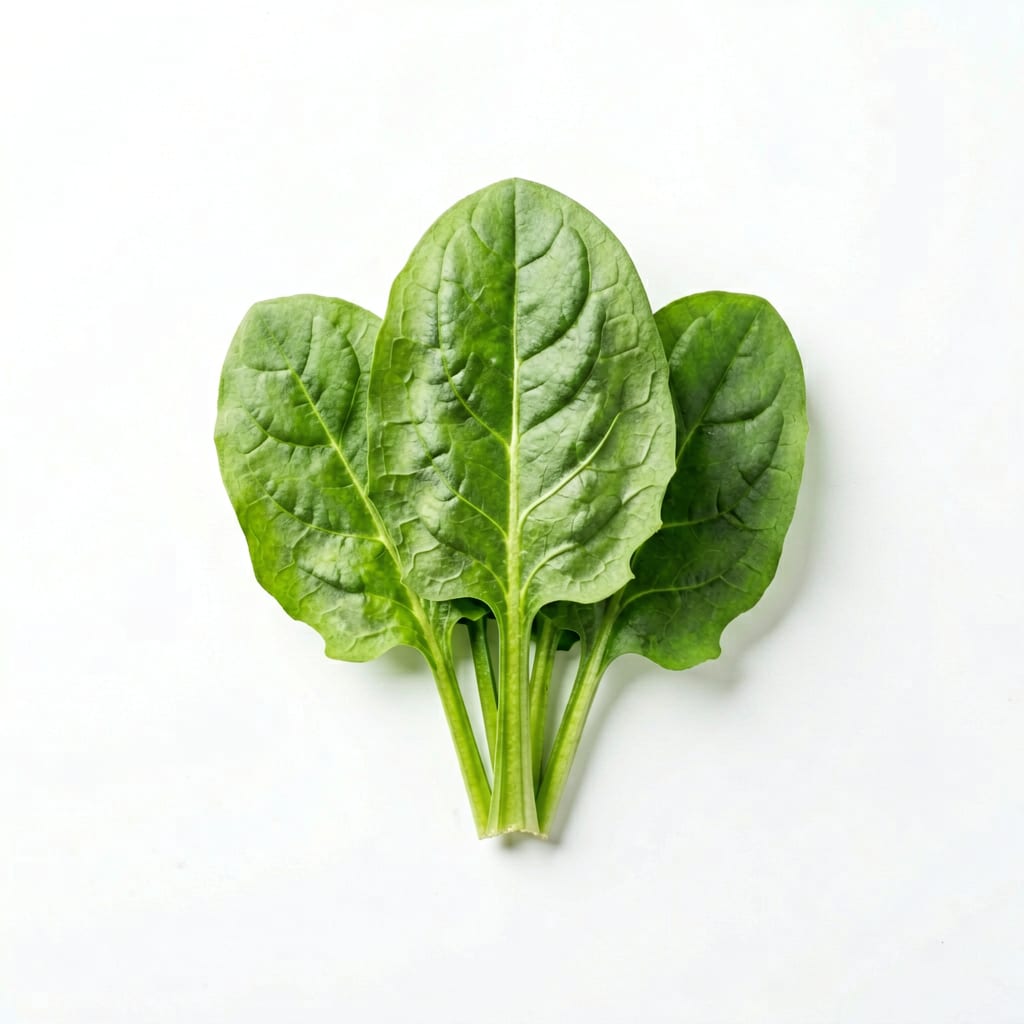
Spinach
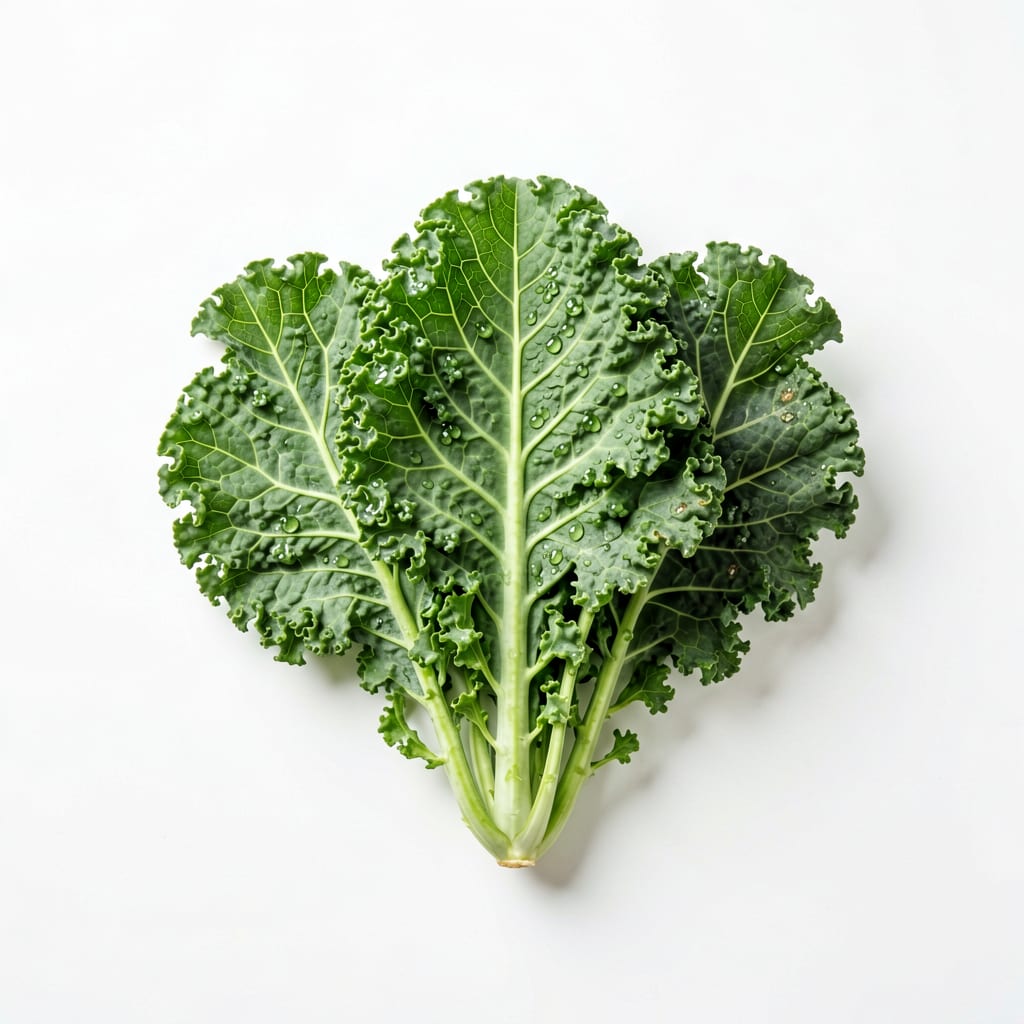
Kale
Kale packs more raw nutrition per calorie, but Spinach is far easier to live with daily. Your best pick depends on kidney health, cooking habits, and how much chewing you're willing to do.
Kale wins on raw nutrient density and mineral bioavailability, but Spinach stays competitive thanks to ease of use, broader recipe compatibility, and fewer thyroid concerns. The gap is small because both are elite vegetables.
Kale gives you more bioavailable calcium and vitamin K with fewer oxalate concerns, while Spinach offers superior versatility, milder flavor, and easier digestion for most people.
At a glance
Executive summary
Overall
It depends
Healthier
Kale
More practical
Spinach
Daily use
Spinach
Key comparison lenses
nutrient density supremacy
Both are legendary superfoods; users want to know which delivers more nutrition per bite
oxalate and mineral absorption
Spinach's high oxalates block calcium and iron absorption, a critical differentiator
everyday versatility and ease
Spinach melts into anything; kale requires more effort and technique
kidney stone risk
Oxalate content makes this a genuine health concern for susceptible individuals
pesticide exposure
Kale consistently appears on the Dirty Dozen list with concerning residue levels
thyroid safety
Kale's goitrogens matter for people with thyroid conditions
Best choice for
Spinach
- People prone to kidney stones
- Anyone wanting an easy daily green for smoothies or quick cooking
- Those with sensitive digestion who find raw kale too rough
- Busy home cooks who want greens that cook in seconds
- Families with picky eaters who reject bitter flavors
Kale
- People maximizing vitamin K and calcium intake
- Anyone avoiding oxalates for kidney or absorption reasons
- Those who enjoy hearty, chewy textures in salads and bowls
- Meal preppers who want greens that hold up for days
- Anyone seeking the highest antioxidant density per calorie
Least suitable for
Spinach
- People needing high bioavailable calcium from greens
- Those on blood thinners who must monitor vitamin K closely
- Anyone already overconsuming oxalate-rich foods
Kale
- People with hypothyroidism who are sensitive to goitrogens
- Those who find bitter flavors intolerable
- Anyone with jaw or dental issues making chewing difficult
- People who cannot afford or access organic produce regularly
Deep comparison
Dimension by dimension
Each lens scores both foods and breaks down who each option suits.
- Dimension 1 · Priority 95Kale
nutrient_density
Spinach · 78Kale · 88Kale delivers more vitamin K, vitamin C, and calcium per calorie. Spinach leads in folate and iron, but the iron is poorly absorbed due to oxalates.
Tradeoff
Spinach has impressive numbers on paper, but oxalates block much of its iron and calcium from actually reaching your body. Kale's nutrients are more bioavailable.
Why it matters
Eating nutrients your body cannot absorb is wasted effort. Kale's calcium absorption rate is roughly 5x higher than Spinach's.
Real-world impact
If you're relying on greens for bone-supporting calcium, Kale actually delivers where Spinach mostly cannot.
Spinach
- Folate needs during pregnancy
- Eye health via lutein and zeaxanthin
Better for
- Iron supplementation expectations due to poor absorption
- Calcium reliability from plant sources
Worse for
Kale
- Vitamin K for blood clotting and bone health
- Bioavailable calcium for bones
- Vitamin C for immune support and iron absorption
Better for
- Overconsumption of vitamin K for those on blood thinners
Worse for
- Dimension 2 · Priority 85Spinach
digestibility_and_tolerance
Spinach · 82Kale · 62Spinach cooks down to almost nothing and blends seamlessly. Kale stays tough, fibrous, and can cause bloating if not prepared properly.
Tradeoff
Kale's rugged fiber is great for gut health but demands more chewing and often causes gas in sensitive people. Spinach is gentle and almost disappears into meals.
Why it matters
The healthiest green does nothing if you avoid eating it because it hurts your stomach or ruins the texture of your meal.
Real-world impact
A handful of Spinach vanishes into a smoothie or omelet. Raw Kale needs massaging with oil, and even cooked Kale retains chewy stems many people pick around.
Spinach
- Smoothies where you want zero texture
- Quick weeknight cooking
- People with IBS or sensitive digestion
Better for
- Anyone wanting a substantial, filling salad base
Worse for
Kale
- Slow-cooked soups and stews where toughness is an advantage
- Meal prep since Kale holds texture for days
Better for
- Smoothie drinkers who hate gritty texture
- People who get bloated from cruciferous vegetables
- Anyone eating on the go who needs easy chewing
Worse for
- Dimension 3 · Priority 90Kale
kidney_and_oxalate_safety
Spinach · 45Kale · 90Spinach is one of the highest-oxalate foods commonly eaten. Kale is remarkably low in oxalates, making it far safer for kidney health.
Tradeoff
If you have any history of kidney stones, Spinach is genuinely risky while Kale is a safe choice. This is the starkest health difference between them.
Why it matters
Calcium oxalate kidney stones are extremely painful and recurrent. Spinach can directly contribute to stone formation in susceptible people.
Real-world impact
A single cup of raw Spinach contains roughly 750mg of oxalates. Most kidney stone formers are advised to stay under 100mg per day total.
Spinach
- Kidney stone formers
- People prone to urinary oxalate issues
- Anyone taking high-dose calcium supplements with meals
Worse for
Kale
- Anyone with a kidney stone history
- People who want calcium they can actually absorb
- Those concerned about mineral absorption interference
Better for
- Dimension 4 · Priority 75Spinach
pesticide_and_contamination_risk
Spinach · 65Kale · 50Kale frequently lands on the EWG Dirty Dozen list with detectable pesticide residues including concerning compounds. Spinach also appears but with somewhat lower risk profiles recently.
Tradeoff
Both greens should ideally be bought organic, but Kale's pesticide profile is more alarming and harder to wash off due to its curly texture.
Why it matters
Leafy greens have large surface areas that trap sprays. Kale's ruffled leaves hold residues more stubbornly than Spinach's smooth leaves.
Real-world impact
If organic is not available or affordable, Spinach is easier to wash thoroughly. Kale's curls hide pesticides that simple rinsing cannot reach.
Spinach
- Conventional produce buyers on a budget
- Easier washing and cleaning
Better for
Kale
- Anyone who cannot afford organic regularly
- People concerned about cumulative pesticide exposure
Worse for
- Dimension 5 · Priority 70Spinach
thyroid_impact
Spinach · 80Kale · 55Kale contains goitrogens that can interfere with thyroid function when eaten raw in large amounts. Spinach has minimal goitrogenic compounds.
Tradeoff
Cooking reduces Kale's goitrogens significantly, but raw Kale smoothies and salads could be problematic for those with hypothyroidism.
Why it matters
Thyroid issues affect roughly 12% of the population, and many are undiagnosed. Regular raw Kale consumption could worsen subclinical conditions.
Real-world impact
If your thyroid is sluggish, that daily raw Kale salad might be working against your energy levels. Cooking Kale mostly solves this.
Spinach
- People with hypothyroidism
- Anyone consuming large volumes of raw greens daily
Better for
Kale
- Those with diagnosed or suspected thyroid issues eating raw Kale
- People who do not cook their greens
Worse for
- Dimension 6 · Priority 80Spinach
versatility_and_culinary_ease
Spinach · 90Kale · 65Spinach works in virtually any dish from smoothies to curries to eggs. Kale has a narrower range and often requires specific preparation techniques.
Tradeoff
Kale's sturdy texture makes it excellent for certain dishes like soups and chips, but it refuses to cooperate in many quick-cooking recipes.
Why it matters
Convenience drives consistency. The green you can add to anything is the green you will actually eat regularly.
Real-world impact
Spinach wilts into pasta in 30 seconds. Kale needs stems removed, leaves chopped, and several minutes of cooking to become tender.
Spinach
- Smoothies and blended drinks
- Egg dishes and quick stir-fries
- Dips and creamy preparations
- Any recipe where greens should disappear into the background
Better for
- Recipes where you want the green to be the star ingredient with body
Worse for
Kale
- Hearty winter soups and stews
- Baked kale chips as a snack
- Robust salads that need to hold dressing for hours
- Grain bowls where texture is desired
Better for
- Any quick-cooking meal under 5 minutes
- Smoothies unless you have a high-powered blender
- Dishes where bitterness would clash with delicate flavors
Worse for
Timeline
Health impact over time
Short-term
Hours to days
Spinach
- Quick energy from easily digested carbohydrates
- Mild satiety due to low calorie density and fast digestion
- Possible stomach comfort from soft texture
- Risk of temporary mineral absorption interference from oxalates
Kale
- Longer-lasting fullness from dense fiber and tough texture
- Potential bloating or gas if eaten raw in large quantities
- Steadier blood sugar from high fiber content
- Slight bitter taste that may reduce overeating naturally
Long-term
Months to years
Spinach
- Excellent eye health support from lutein and zeaxanthin
- Possible kidney stone accumulation risk for susceptible people
- Consistent folate intake supporting cell repair and DNA synthesis
- Iron deficiency risk if relying on Spinach as primary iron source
Kale
- Stronger bone density from bioavailable calcium and vitamin K
- Reduced oxidative stress from high antioxidant concentration
- Potential thyroid suppression if consumed raw in excess daily
- Better long-term mineral status due to low oxalate interference
Risk profile
Safety & processing
Both Spinach and Kale are whole, unprocessed foods in their natural state. Neither typically contains additives when sold fresh or frozen. The main concern is pesticide residue rather than processing.
Spinach
Oxalate-related kidney stones
highSpinach contains extremely high levels of oxalates that bind calcium and can form stones in susceptible individuals. This is the most medically significant risk for regular Spinach consumers.
E. coli contamination
mediumPre-washed Spinach has been linked to foodborne illness outbreaks. Always wash thoroughly, even pre-washed packages.
Pesticide residues
mediumSpinach regularly appears on the Dirty Dozen list. Smooth leaves make washing somewhat effective but not foolproof.
Kale
Pesticide residues including concerning compounds
highKale has tested positive for multiple pesticide residues including some flagged for neurotoxicity. Curly leaves make thorough washing very difficult. Organic is strongly recommended.
Goitrogenic effects on thyroid
mediumRaw Kale contains goitrogens that can suppress thyroid function. Cooking reduces this significantly. People with thyroid conditions should limit raw Kale intake.
Digestive discomfort from raw consumption
lowRaw Kale's tough fiber can cause bloating and gas, especially when eaten in large amounts without proper preparation.
Who wins for whom
Audience fit
Same foods, different winners depending on your goal.
children
SpinachSpinach's mild flavor and soft texture when cooked make it far easier to hide in kid-friendly meals. Most children reject Kale's bitterness and chewiness.
daily consumption
SpinachSpinach's versatility makes daily consumption realistic and enjoyable. Kale's stronger flavor and tougher texture lead to more fatigue and abandonment over time.
diabetes
KaleKale's higher fiber slows glucose absorption more effectively. Both have minimal impact on blood sugar, but Kale's denser fiber profile gives it a slight edge for glycemic control.
elderly
SpinachSpinach is easier to chew and digest, which matters greatly for older adults. However, those on blood thinners should monitor Spinach's vitamin K content carefully.
muscle gain
KaleKale's superior vitamin K content supports bone health under training stress, and its anti-inflammatory antioxidants aid recovery. Neither is a significant protein source.
weight loss
KaleKale's higher fiber and tougher texture create more satiety per calorie, making it easier to feel full on fewer calories. The bitterness also discourages overeating.
Your move
Decision guide
Choose Spinach
- You have a history of kidney stones or want to avoid oxalate-related risks
- You want a green that works in everything from smoothies to stir-fries without fuss
- You are feeding children or picky eaters who reject bitter flavors
- You have a thyroid condition and want to avoid goitrogenic vegetables
- You cook quick meals and need greens that wilt in under a minute
Choose Kale
- You want maximum nutrient density and bioavailable calcium per calorie
- You are not sensitive to oxalates and want a nutritional powerhouse
- You enjoy meal prepping and want greens that hold texture for days
- You can afford organic produce to avoid pesticide concerns
- You like hearty, substantial salads and robust flavors
Either works if
- You simply want more leafy greens in your diet regardless of type
- You rotate between multiple vegetables anyway and enjoy variety
- You cook your greens, which reduces both oxalate and goitrogen concerns
- You buy organic and wash thoroughly regardless of the green
Avoid both if
- You are on warfarin or similar blood thinners and have not consulted your doctor about vitamin K intake
- You have severe digestive conditions that make any raw leafy greens painful
- You cannot access organic produce and are highly concerned about pesticide exposure
Final recommendation
Eat both, but let your body decide the ratio. Use Spinach for daily ease and quick meals. Use Kale when you want a nutritional upgrade and have time to prepare it properly. If kidney stones are any concern, lean heavily toward Kale. If thyroid issues are present, lean toward Spinach or cook your Kale. The best green is always the one you will actually eat consistently.
Practical
Consumer tips
- 1
Boiling Spinach for 1-2 minutes and discarding the water reduces oxalate content by up to 40%, making its minerals more absorbable
- 2
Massaging raw Kale with olive oil and salt for 2 minutes breaks down tough fibers and dramatically improves texture and flavor
- 3
Buying both organic is ideal, but if you must choose, prioritize organic Kale due to its worse pesticide profile and harder-to-clean curly leaves
- 4
Freezing Spinach is an excellent way to preserve it, and frozen Spinach works perfectly in smoothies and cooked dishes
- 5
Remove Kale stems before eating as they are the toughest, most bitter part and contribute to digestive discomfort
- 6
Pair Spinach with vitamin C sources like lemon juice to improve iron absorption despite oxalate interference
- 7
Alternate between Spinach and Kale throughout the week to get the benefits of both while minimizing each one's drawbacks