
Nutrition comparison
Cabbage vs Spinach: Nutrition, Digestion, and Which is Healthier
Compare Cabbage vs Spinach for weight loss, kidney stone risk, and nutrient density. Find out which green is better for your specific health goals.
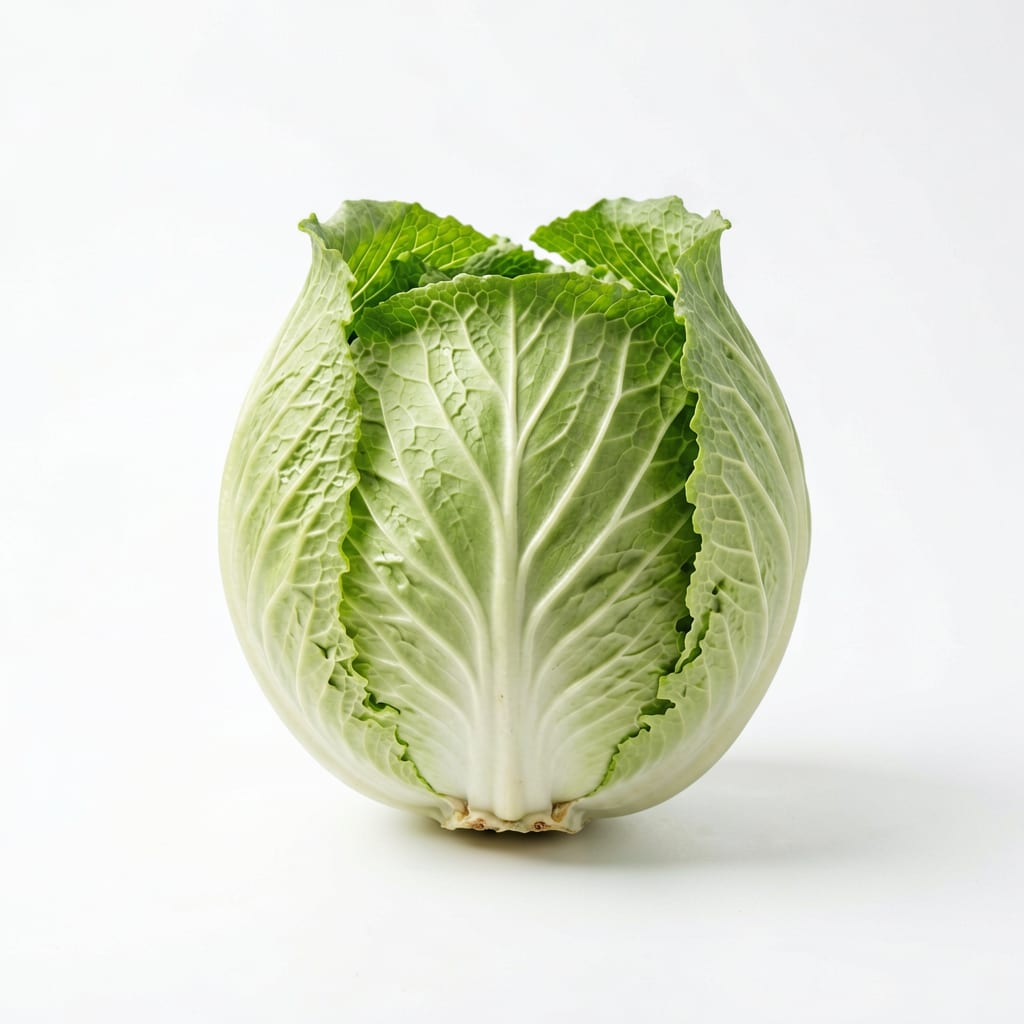
Cabbage
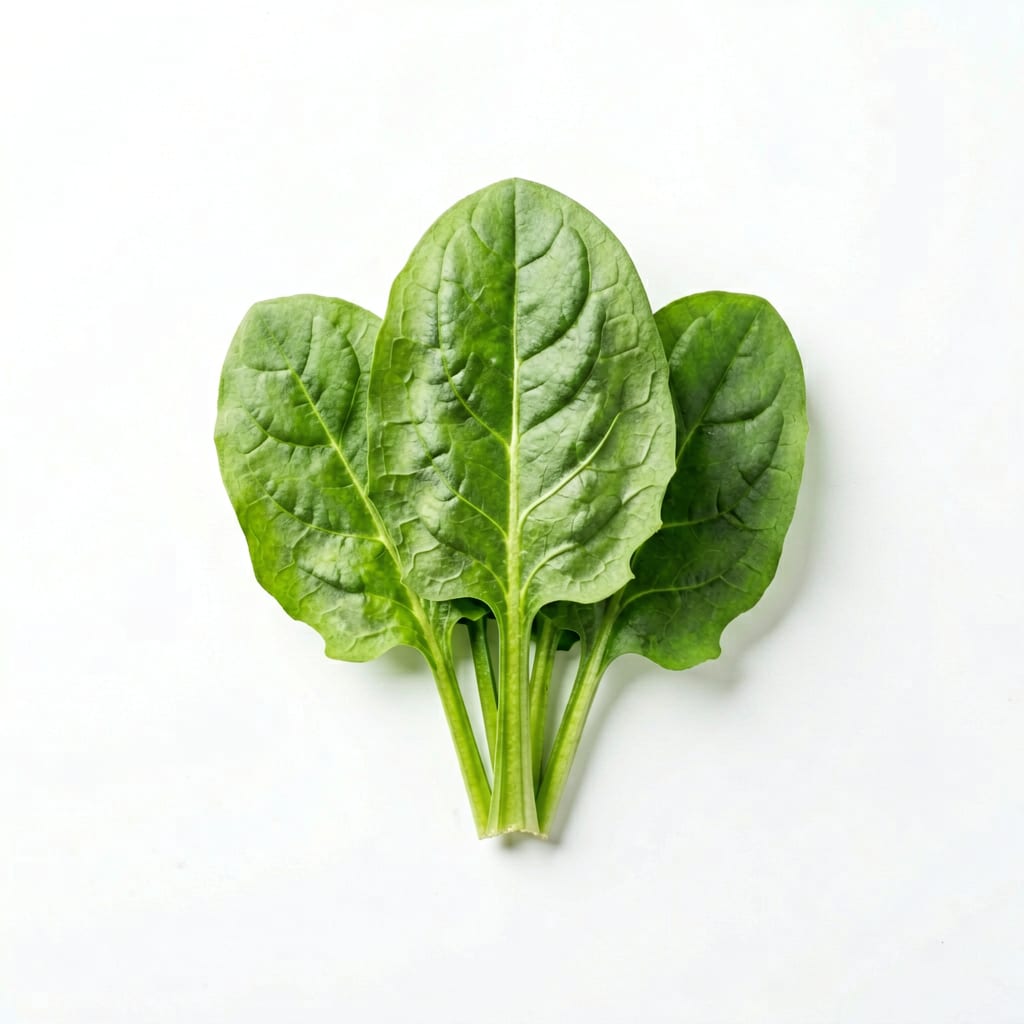
Spinach
Spinach packs more vitamins and minerals per bite, but Cabbage offers more volume, better digestion, and easier meal prep for daily use.
Spinach edges out Cabbage in micronutrient density, but Cabbage's superior digestibility, volume, and practicality keep the scores very close.
Spinach delivers higher iron and folate but brings oxalate concerns, while Cabbage is gentler on the stomach and more filling but less micronutrient-dense.
At a glance
Executive summary
Overall
It depends
Healthier
It depends
More practical
Cabbage
Daily use
Cabbage
Key comparison lenses
Nutrient density vs. volume eating
Spinach offers more vitamins per bite, while Cabbage provides more physical fullness per calorie.
Oxalate vs. goitrogen concerns
Spinach's oxalates block mineral absorption and risk kidney stones, whereas Cabbage's goitrogens only affect thyroid if eaten raw in extreme amounts.
Meal prep practicality and shelf life
Cabbage lasts weeks in the fridge and is cheap, while Spinach wilts quickly and costs more per serving.
Raw vs. cooked suitability
Cabbage is excellent raw as a crunchy slaw, while raw Spinach can cause digestive distress due to oxalates.
Best choice for
Cabbage
- Budget meal prep where Spinach would spoil
- Eating large filling portions for fewer calories than Spinach
- Avoiding kidney stones linked to Spinach
Spinach
- Boosting iron and folate beyond what Cabbage offers
- Pregnancy nutrition needing dense vitamins
- Quick-cooking dishes where Cabbage would take too long
Least suitable for
Cabbage
- Correcting iron deficiency where Spinach excels
- Tender raw salads that Spinach provides
Spinach
- People with oxalate sensitivity unlike Cabbage
- Those wanting a raw crunch without cooking unlike Cabbage
Deep comparison
Dimension by dimension
Each lens scores both foods and breaks down who each option suits.
- Dimension 1 · Priority 95Spinach
Nutrient Density
Cabbage · 65Spinach · 92Spinach is a micronutrient powerhouse, especially for Vitamin A, Vitamin K, Folate, and Iron.
Tradeoff
You get more vitamins and minerals with Spinach, but its iron is poorly absorbed due to oxalates.
Why it matters
If you need a quick nutrient boost, Spinach delivers more per calorie than Cabbage.
Real-world impact
Adding Spinach to a smoothie or omelet significantly boosts your daily vitamin intake compared to Cabbage.
Cabbage
- Getting more Vitamin C than Spinach
- Benefiting from glucosinolates for detox support
Better for
- Matching Spinach's iron levels
- Providing the folate density needed for pregnancy
Worse for
Spinach
- Higher iron and folate than Cabbage
- Meeting Vitamin A and K needs more efficiently
Better for
- Absorbing its own iron due to oxalates
- Avoiding mineral blocking unlike Cabbage
Worse for
- Dimension 2 · Priority 90Cabbage
Digestive Health & Tolerance
Cabbage · 88Spinach · 60Cabbage is easier on the digestive system and actively supports gut health, while Spinach can cause issues for sensitive people.
Tradeoff
Spinach's oxalates can irritate the gut and block mineral absorption, whereas Cabbage's fiber feeds beneficial gut bacteria.
Why it matters
Good digestion means you actually absorb the nutrients you eat, giving Cabbage a practical advantage.
Real-world impact
Eating large Spinach salads might leave you bloated, while a Cabbage slaw feels light and refreshing.
Cabbage
- Avoiding kidney stones compared to Spinach
- Feeding gut bacteria with prebiotic fiber
Better for
- Experiencing gas if eating raw in larger amounts than Spinach
Worse for
Spinach
- Lower fiber load if you need a very gentle cooked green
Better for
- Triggering kidney stones unlike Cabbage
- Dealing with mineral malabsorption from oxalates
Worse for
- Dimension 3 · Priority 80Cabbage
Satiety & Volume
Cabbage · 90Spinach · 55Cabbage provides far more physical volume and crunch per calorie, making it much more filling than Spinach.
Tradeoff
A huge bowl of raw Spinach cooks down to almost nothing, leaving you hungry, while Cabbage retains its bulk.
Why it matters
Volume eating helps control hunger without overconsuming calories.
Real-world impact
A Cabbage-based stir-fry feels like a full meal; the same calories of Spinach feels like a garnish.
Cabbage
- Eating a large filling meal for few calories unlike Spinach
- Getting a satisfying crunch
Better for
- Feeling overly stuffed if you eat the same volume as cooked Spinach
Worse for
Spinach
- Adding nutrients to smoothies without making them thick
Better for
- Getting enough physical fullness compared to Cabbage
- Lacking chewing satisfaction
Worse for
- Dimension 4 · Priority 75Cabbage
Practicality & Meal Prep
Cabbage · 92Spinach · 65Cabbage lasts weeks in the fridge and is incredibly cheap, while Spinach wilts quickly and costs more per serving.
Tradeoff
Spinach requires careful storage and quick use, whereas Cabbage is a set-it-and-forget-it staple.
Why it matters
Food that goes bad in the fridge is a waste of money and nutrition.
Real-world impact
You can chop Cabbage on Sunday and it will still be crisp on Friday; Spinach might turn slimy by Wednesday.
Cabbage
- Prepping days in advance since it outlasts Spinach
- Saving money as a budget staple
Better for
- Dealing with more prep work than bagged Spinach
Worse for
Spinach
- Cooking quickly as a fast side dish
- Skipping chopping for smoothies
Better for
- Worrying about spoilage unlike hardy Cabbage
- Paying more per edible serving
Worse for
- Dimension 5 · Priority 70Cabbage
Safety & Anti-nutrients
Cabbage · 80Spinach · 55Spinach's high oxalates and pesticide residue contrast with Cabbage's mild goitrogen content and low pesticide load.
Tradeoff
Spinach's oxalates can form kidney stones and block nutrient absorption, while Cabbage's goitrogens only affect thyroid if eaten raw in extreme amounts.
Why it matters
Hidden anti-nutrients can undermine the health benefits of your food choices.
Real-world impact
If you have had kidney stones, Spinach is a risk; Cabbage is much safer unless you have a thyroid condition and eat it raw by the pound.
Cabbage
- Staying safe from kidney stones unlike Spinach
- Lower pesticide residue risk
Better for
- Thyroid concerns if eaten raw in massive amounts
Worse for
Spinach
- Avoiding goitrogens that affect thyroid in raw Cabbage
Better for
- High oxalate load unlike Cabbage
- Higher pesticide exposure as a Dirty Dozen crop
Worse for
Timeline
Health impact over time
Short-term
Hours to days
Cabbage
- Quick fullness from physical volume unlike Spinach
- Mild bloating if unaccustomed to raw cruciferous fiber
Spinach
- Rapid nutrient infusion into meals unlike Cabbage
- Possible stomach upset from oxalates if eaten raw in large amounts
Long-term
Months to years
Cabbage
- Sustained gut health from prebiotic fiber
- Thyroid suppression only if raw intake is extreme, unlike Spinach's oxalate risks
Spinach
- Improved blood health from higher folate and iron than Cabbage
- Increased kidney stone risk for susceptible individuals unlike Cabbage
Risk profile
Safety & processing
Both Cabbage and Spinach are whole, minimally processed foods with no artificial additives when bought fresh, making them equally clean choices compared to packaged greens.
Cabbage
Goitrogens
lowRaw Cabbage contains goitrogens that can interfere with thyroid function, but cooking neutralizes them and moderate raw intake is safe for most.
Pesticide Residue
lowCabbage is on the Clean Fifteen list, meaning it typically has low pesticide residue even when conventionally grown.
Spinach
Oxalates
highSpinach is very high in oxalates, which can bind to minerals and contribute to kidney stone formation in prone individuals.
Pesticide Residue
mediumSpinach frequently appears on the Dirty Dozen list, so washing thoroughly or buying organic is recommended.
Foodborne Illness
mediumLeafy greens like Spinach are common carriers of E. coli and Salmonella, requiring careful washing.
Who wins for whom
Audience fit
Same foods, different winners depending on your goal.
children
SpinachSpinach is easier to hide in smoothies, pasta sauces, and scrambled eggs than Cabbage, making it a more practical way to get nutrients into picky eaters.
daily consumption
CabbageCabbage is gentler on the kidneys, lasts longer in the fridge, and is more versatile for daily bulk eating without oxalate buildup.
diabetes
It dependsBoth Cabbage and Spinach are extremely low in carbohydrates and will not spike blood sugar; Cabbage is slightly more filling which helps with cravings.
elderly
SpinachSpinach provides more bioavailable nutrients per bite than Cabbage, which is helpful for older adults with smaller appetites, and is easier to chew when cooked.
muscle gain
SpinachSpinach offers more magnesium and iron per calorie than Cabbage, which are crucial for oxygen transport and muscle function during training.
weight loss
CabbageCabbage provides far more volume and crunch per calorie than Spinach, making it easier to eat large satisfying portions while staying in a deficit.
Your move
Decision guide
Choose Cabbage
- You want to feel full on fewer calories than Spinach provides
- You have a history of kidney stones from oxalates
- You need a budget-friendly green that lasts longer than Spinach
- You meal prep days in advance
Choose Spinach
- You need to boost your iron or folate intake beyond Cabbage's levels
- You are pregnant or trying to conceive
- You want a quick-cooking green for eggs or smoothies where Cabbage would not work
- You have a thyroid condition and eat lots of raw greens
Either works if
- You just need a low-carb side dish
- You want to increase your daily vegetable intake
- You are making a mixed green salad
Avoid both if
- You are on blood thinners like Warfarin without consulting a doctor, as both are high in Vitamin K
Final recommendation
Keep both in your rotation: use Cabbage for hearty, filling meals and meal prep, and use Spinach for nutrient-dense quick additions like smoothies and omelets. If you are prone to kidney stones, stick primarily to Cabbage.
Practical
Consumer tips
- 1
Cook Spinach to reduce its oxalate content and improve mineral absorption, unlike Cabbage which is safe raw.
- 2
Buy organic Spinach to avoid high pesticide residues, while conventional Cabbage is generally safe.
- 3
Lightly steam or ferment Cabbage to get the benefits of glucosinolates without the goitrogenic effects of eating it completely raw.
- 4
Massage raw Cabbage with olive oil and salt to soften the leaves, making it easier to digest than tough raw leaves.