
Nutrition comparison
Spinach vs Swiss Chard: Which Leafy Green Is Better for You?
Compare spinach and Swiss chard nutrition, oxalate content, vitamins, and minerals. Find out which green is better for kidney health, eye health, and daily use.
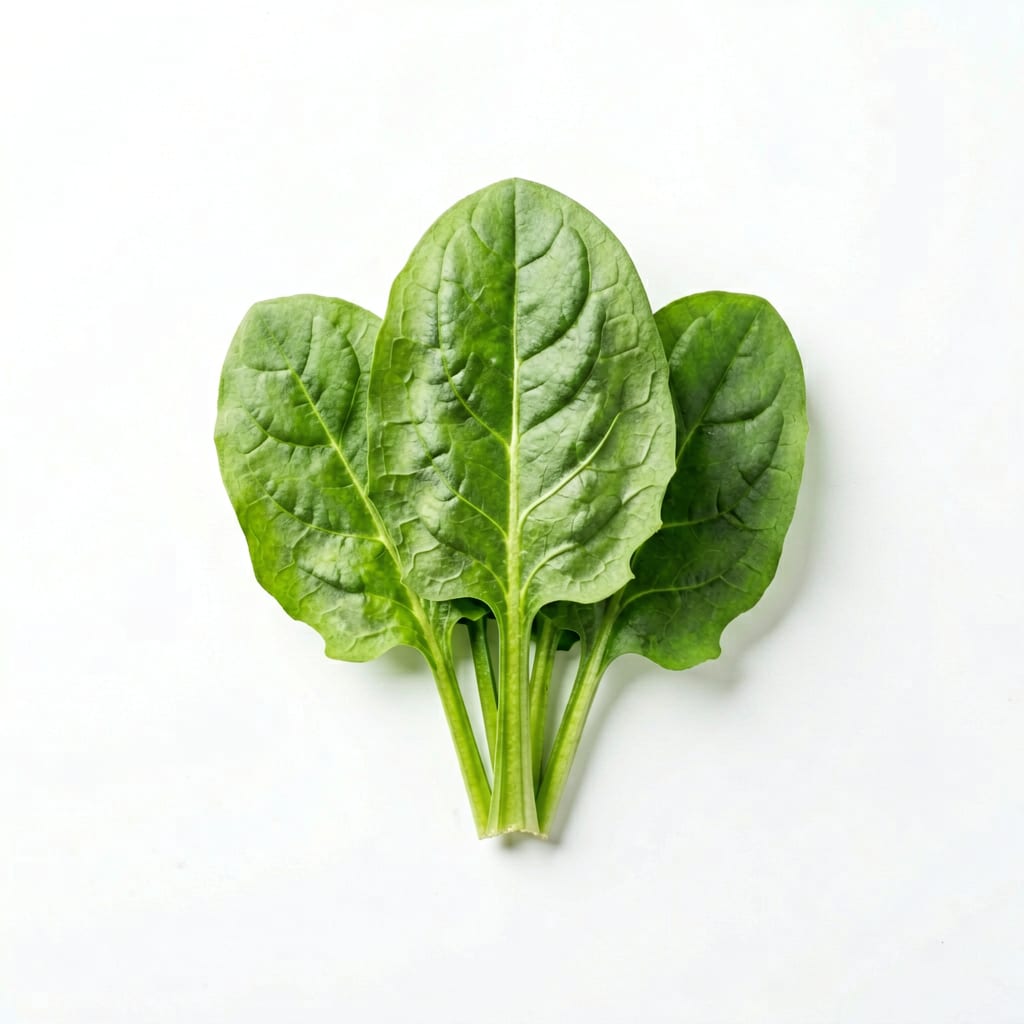
Spinach
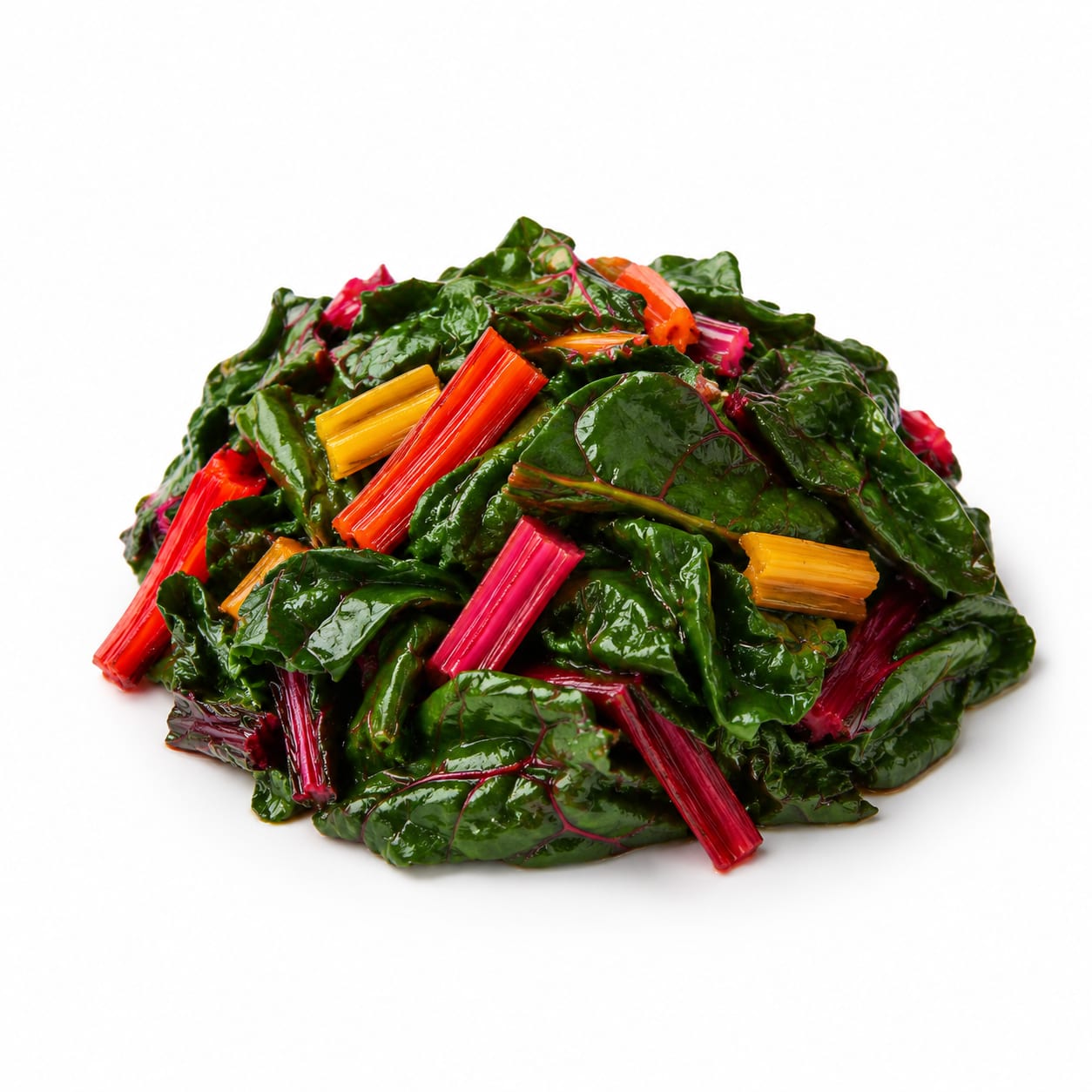
Swiss Chard
Spinach wins for folate, iron, and eye health; Swiss Chard wins for magnesium, potassium, and lower oxalate load. Both are exceptional greens with complementary strengths.
Scores are nearly tied because both are elite leafy greens. Spinach edges ahead slightly for vitamin density and raw versatility, but Swiss Chard's mineral advantage and lower oxalate content keep it competitive. The right choice depends entirely on your health priorities.
Spinach offers more vitamins but carries significantly more oxalates; Swiss Chard delivers more minerals with less oxalate baggage but is less convenient raw.
At a glance
Executive summary
Overall
It depends
Healthier
It depends
More practical
Spinach
Daily use
Swiss Chard
Key comparison lenses
nutrient density comparison
Both are powerhouse leafy greens, so users want to know which delivers more nutritional value per bite
oxalate and kidney stone risk
Spinach is notoriously high in oxalates, a major concern for kidney stone formers and calcium absorption
raw vs cooked versatility
Spinach works easily in salads; Swiss Chard needs cooking more often, affecting daily usability
mineral availability
Swiss Chard offers more magnesium and potassium, critical minerals many people lack
eye health and antioxidants
Spinach is a top source of lutein for vision; Swiss Chard brings unique betalain antioxidants
Best choice for
Spinach
- People prioritizing eye health and lutein intake
- Pregnant women needing extra folate
- Anyone who wants a salad-friendly green
- Those seeking more iron from plant sources
Swiss Chard
- People prone to kidney stones who must limit oxalates
- Anyone needing more magnesium for sleep or muscle recovery
- Those wanting more potassium for blood pressure support
- People who enjoy cooking and using stems for zero waste
Least suitable for
Spinach
- Kidney stone formers due to very high oxalates
- People on blood thinners who must monitor vitamin K tightly
- Those with iron absorption issues from oxalate interference
Swiss Chard
- People who want a raw salad green that's pleasant uncooked
- Anyone unfamiliar with preparing the tougher stems
- Those who dislike slightly earthy, bitter flavors
Deep comparison
Dimension by dimension
Each lens scores both foods and breaks down who each option suits.
- Dimension 1 · Priority 92Spinach
Vitamin Density
Spinach · 90Swiss Chard · 72Spinach delivers significantly more folate, vitamin A, and vitamin K per serving than Swiss Chard.
Tradeoff
Spinach's vitamin advantage comes bundled with much higher oxalates, which can block absorption of some of those same nutrients.
Why it matters
Folate supports cell repair and is critical during pregnancy. Vitamin A boosts immunity and skin health. Vitamin K is essential for bone density and blood clotting.
Real-world impact
A spinach salad gives you a noticeable folate and vitamin A bump that Swiss Chard simply cannot match in the same serving size.
Spinach
- Pregnant women or women planning pregnancy
- Anyone with low vitamin A intake
- People wanting maximum vitamin K for bone health
Better for
- Those whose oxalate levels reduce the actual absorption of these vitamins
Worse for
Swiss Chard
- People who get enough vitamins from other sources already
- Anyone prioritizing mineral intake over vitamin intake
Better for
- Anyone relying on a single green for broad vitamin coverage
Worse for
- Dimension 2 · Priority 88Swiss Chard
Mineral Content
Spinach · 70Swiss Chard · 89Swiss Chard provides substantially more magnesium and potassium, two minerals most people under-consume.
Tradeoff
Spinach has more iron on paper, but its high oxalate content means much of that iron is poorly absorbed. Swiss Chard's minerals are more bioavailable.
Why it matters
Magnesium supports sleep, muscle recovery, and stress resilience. Potassium helps regulate blood pressure and fluid balance. These are common dietary gaps.
Real-world impact
Eating Swiss Chard regularly can meaningfully move the needle on your magnesium and potassium intake in a way spinach cannot.
Spinach
- People taking iron supplements who want a complementary food source
Better for
- Those counting on spinach for iron but absorbing very little due to oxalates
Worse for
Swiss Chard
- Anyone with muscle cramps or poor sleep needing more magnesium
- People managing blood pressure through diet
- Athletes losing minerals through sweat
Better for
- People who specifically need more folate or vitamin A instead
Worse for
- Dimension 3 · Priority 90Swiss Chard
Oxalate Load and Kidney Safety
Spinach · 35Swiss Chard · 60Spinach is one of the highest-oxalate foods commonly eaten. Swiss Chard also contains oxalates but at notably lower levels.
Tradeoff
Neither green is truly low-oxalate, but Swiss Chard is the safer choice if kidney stones are a concern. Both become safer when boiled and drained.
Why it matters
High oxalate intake can contribute to kidney stones and reduces calcium and iron absorption from the same meal.
Real-world impact
If you have had kidney stones, replacing spinach with Swiss Chard is a practical swap that still gives you a nutrient-dense green with less risk.
Spinach
- People with no kidney stone history who absorb oxalates without issue
Better for
- Recurrent kidney stone sufferers
- People relying on spinach as their primary calcium source
Worse for
Swiss Chard
- Kidney stone formers or those at risk
- People concerned about calcium absorption being blocked
- Anyone eating large volumes of greens daily
Better for
- Those who assume Swiss Chard is oxalate-free and overconsume it
Worse for
- Dimension 4 · Priority 78It depends
Antioxidant Diversity
Spinach · 85Swiss Chard · 83Spinach leads in lutein and zeaxanthin for eye health; Swiss Chard brings unique betalain pigments with distinct anti-inflammatory properties.
Tradeoff
You get different antioxidant families from each. Spinach protects vision more directly; Swiss Chard fights inflammation through a rarer pathway.
Why it matters
Lutein accumulates in the retina and protects against macular degeneration. Betalains support liver detoxification and reduce inflammatory markers.
Real-world impact
For eye health specifically, spinach is the stronger choice. For general inflammation and liver support, Swiss Chard offers something spinach cannot.
Spinach
- Adults over 40 concerned about macular degeneration
- People with family history of vision problems
- Anyone spending long hours on screens
Better for
- People who only eat spinach and miss out on other antioxidant families
Worse for
Swiss Chard
- People with inflammatory conditions seeking dietary support
- Those wanting to diversify their antioxidant sources beyond the usual suspects
Better for
- Anyone specifically targeting lutein for eye health
Worse for
- Dimension 5 · Priority 82Spinach
Raw Versatility and Convenience
Spinach · 90Swiss Chard · 55Spinach is tender and mild enough for salads, smoothies, and sandwiches. Swiss Chard is tougher and more bitter, almost always needing cooking.
Tradeoff
Spinach's convenience means you will likely eat it more often and in more ways. Swiss Chard requires more effort but rewards you with heartier texture and edible stems.
Why it matters
The best green nutritionally is the one you actually eat consistently. Convenience drives consistency.
Real-world impact
Throwing raw spinach into a smoothie or salad takes seconds. Swiss Chard demands sautéing or steaming, which adds 10-15 minutes to meal prep.
Spinach
- Busy people who need quick meal assembly
- Smoothie drinkers who want greens without texture issues
- Anyone building salads regularly
Better for
- People who find raw spinach too bland or watery
Worse for
Swiss Chard
- Home cooks who enjoy preparing vegetables
- People who like the substantial chew of cooked greens
- Anyone wanting to use the whole plant including stems
Better for
- Anyone short on time who needs grab-and-go greens
Worse for
- Dimension 6 · Priority 75Swiss Chard
Blood Sugar and Metabolic Support
Spinach · 72Swiss Chard · 82Swiss Chard's higher magnesium and unique betalain compounds give it a slight edge for blood sugar regulation and metabolic health.
Tradeoff
Both greens are excellent for blood sugar since they are essentially non-starchy with minimal calories. The difference is small but meaningful over time.
Why it matters
Magnesium is directly involved in insulin sensitivity. Betalains may help reduce oxidative stress that worsens metabolic dysfunction.
Real-world impact
For someone managing prediabetes or insulin resistance, Swiss Chard offers a marginal but real advantage as a daily green choice.
Spinach
- People who rotate greens and get magnesium from other sources
Better for
- People relying solely on spinach who may miss the magnesium benefit
Worse for
Swiss Chard
- People with insulin resistance or prediabetes
- Anyone with low magnesium levels affecting blood sugar
- Those seeking metabolic support from food rather than supplements
Better for
- Those who will not cook greens regularly enough to get the benefit
Worse for
Timeline
Health impact over time
Short-term
Hours to days
Spinach
- Quick folate and vitamin A boost from a single serving
- May cause mouth tingling from oxalates if eaten raw in large amounts
- Very filling per calorie due to volume, helpful for portion control
Swiss Chard
- Noticeable magnesium intake supporting muscle relaxation and sleep if eaten at dinner
- Slight diuretic effect from potassium content
- Requires cooking for best digestion and nutrient availability
Long-term
Months to years
Spinach
- Consistent lutein intake protects against age-related macular degeneration
- High oxalate consumption may increase kidney stone risk over years
- Folate supports cardiovascular health and healthy aging
Swiss Chard
- Better long-term magnesium status supports bone density and heart rhythm
- Betalain antioxidants may lower chronic inflammation markers over time
- Lower oxalate load makes it safer for sustained daily consumption at higher volumes
Risk profile
Safety & processing
Both spinach and Swiss Chard are whole, unprocessed vegetables typically sold fresh or frozen without additives. Neither raises processing concerns when bought as whole greens.
Spinach
Oxalate-related kidney stones
highSpinach contains 750-970mg oxalates per 100g, among the highest of any food. This is a serious concern for anyone with a history of calcium oxalate kidney stones.
Pesticide residue
mediumSpinach consistently appears on the EWG's Dirty Dozen list with detectable pesticide residues. Washing helps but does not eliminate all residues. Organic spinach significantly reduces this concern.
Contamination from raw handling
lowLike all raw leafy greens, spinach can carry bacteria from farm handling. Pre-washed bagged spinach has been linked to occasional E. coli outbreaks.
Swiss Chard
Oxalate content
mediumSwiss Chard contains oxalates, though less than spinach. Still a concern for kidney stone formers, especially if consumed in large quantities raw.
Nitrate accumulation
lowSwiss Chard can accumulate nitrates from soil, particularly when grown with high-nitrogen fertilizers. This is generally not harmful and may even benefit blood pressure, but excessive intake from very large servings could be a concern for infants.
Pesticide residue
lowSwiss Chard is not typically flagged for high pesticide residues, making it a relatively cleaner conventional choice compared to spinach.
Who wins for whom
Audience fit
Same foods, different winners depending on your goal.
children
SpinachSpinach blends invisibly into smoothies, pasta sauces, and scrambled eggs, making it far easier to sneak nutrients into picky eaters. Swiss Chard's bitterness and tougher texture are harder sells.
daily consumption
Swiss ChardSwiss Chard's lower oxalate content makes it safer to eat in larger quantities every day without accumulating kidney stone risk. Spinach is best rotated with other greens rather than eaten daily in large amounts.
diabetes
Swiss ChardSwiss Chard's magnesium content directly supports insulin sensitivity, and its betalains offer anti-inflammatory benefits relevant to metabolic health. Both are excellent low-carb choices.
elderly
Swiss ChardSwiss Chard's lower oxalate load is safer for older adults with kidney concerns, and its magnesium supports bone density and sleep quality, both critical for aging populations.
muscle gain
Swiss ChardSwiss Chard's higher magnesium supports muscle recovery and contraction, and its potassium helps with electrolyte balance after training. Both are low-protein, so the difference is supplementary.
weight loss
SpinachSpinach's raw versatility means you can bulk up meals with it more easily, creating volume and fullness with almost no calories. Convenience drives consistency, which drives results.
Your move
Decision guide
Choose Spinach
- You want a salad green that works raw without cooking
- You are focused on eye health and lutein intake
- You are pregnant or trying to conceive and need extra folate
- You want an easy smoothie addition with mild flavor
- You have no history of kidney stones and absorb oxalates well
Choose Swiss Chard
- You have a history of kidney stones or want to reduce oxalate intake
- You need more magnesium for sleep, muscle recovery, or stress management
- You want more potassium to support healthy blood pressure
- You enjoy cooking and want a green with hearty texture and edible stems
- You eat greens daily and want a safer option for high-volume consumption
Either works if
- You simply want more leafy greens in your diet regardless of type
- You are rotating greens to diversify your nutrient intake
- You are cooking a dish where either green works interchangeably
- You have no specific health concerns and enjoy both flavors
Avoid both if
- You are on a strict low-oxalate diet prescribed for kidney stone prevention
- You are taking blood thinners and have been told to limit vitamin K intake
- You have a specific allergy or sensitivity to leafy greens
Final recommendation
The smartest approach is rotating both. Use spinach raw in salads and smoothies for its vitamin and lutein benefits. Use Swiss Chard cooked as a side dish or in soups for its mineral and antioxidant advantages. This way you get complementary nutrition while limiting oxalate exposure from either one. If you must pick just one for daily use, Swiss Chard is the safer long-term choice due to lower oxalates and higher magnesium.
Practical
Consumer tips
- 1
Boiling either green and discarding the water reduces oxalate content by 30-87%, making both much safer for kidney stone formers
- 2
Pair spinach with vitamin C sources like lemon juice or bell peppers to significantly improve iron absorption
- 3
Swiss Chard stems are fully edible and delicious when sliced and sautéed, adding crunch and extra fiber
- 4
Buy organic spinach when possible since it consistently ranks high for pesticide residue on conventional farms
- 5
Freeze fresh spinach before it wilts to preserve nutrients for smoothies and cooked dishes
- 6
Swiss Chard comes in colorful varieties like rainbow chard, which indicates different betalain antioxidant profiles
- 7
Avoid eating very large quantities of raw spinach daily. Rotate with other greens to manage oxalate intake
- 8
Add a splash of olive oil when cooking either green to improve absorption of fat-soluble vitamins A and K