
Nutrition comparison
Spinach vs Green Beans: Nutrition, Oxalates, and Best Uses
Compare Spinach vs Green Beans to see which is healthier. Learn about oxalates, nutrient density, and which green is better for weight loss and kidney health.
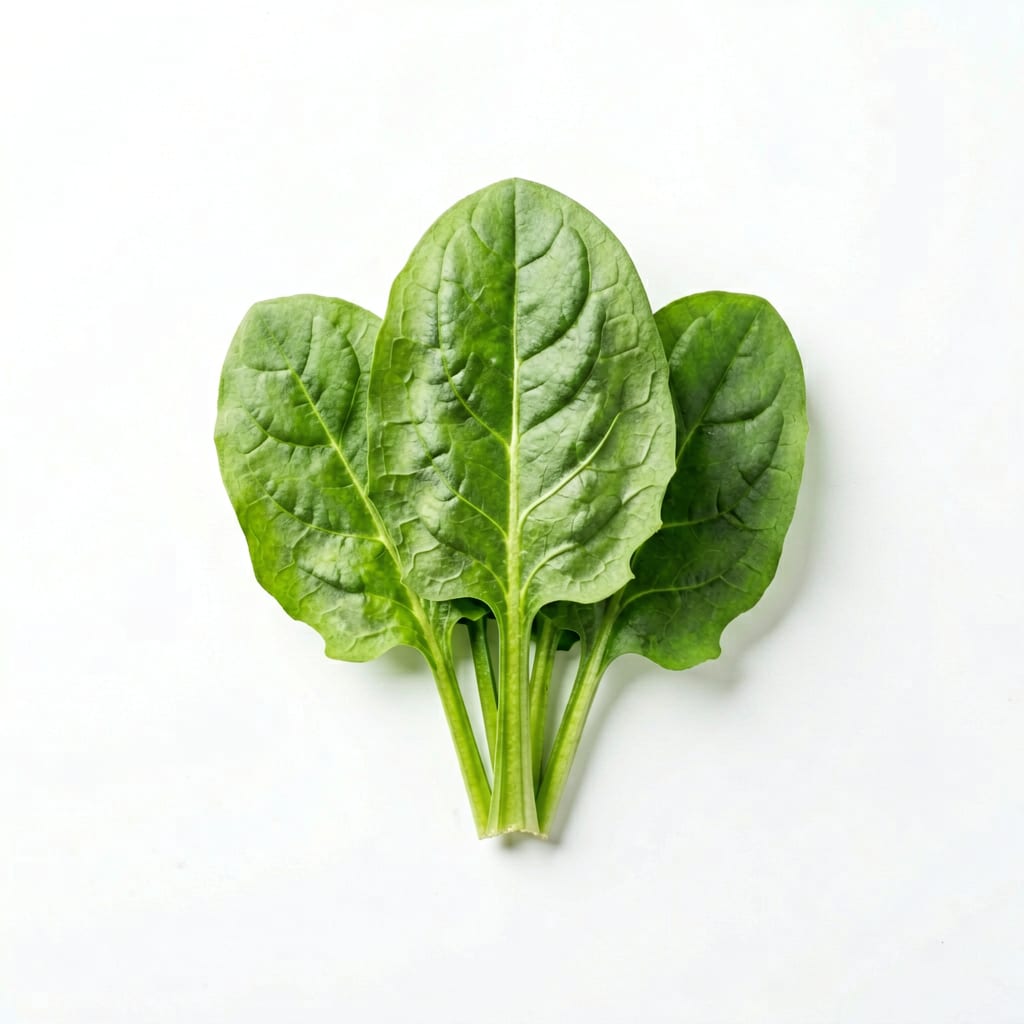
Spinach
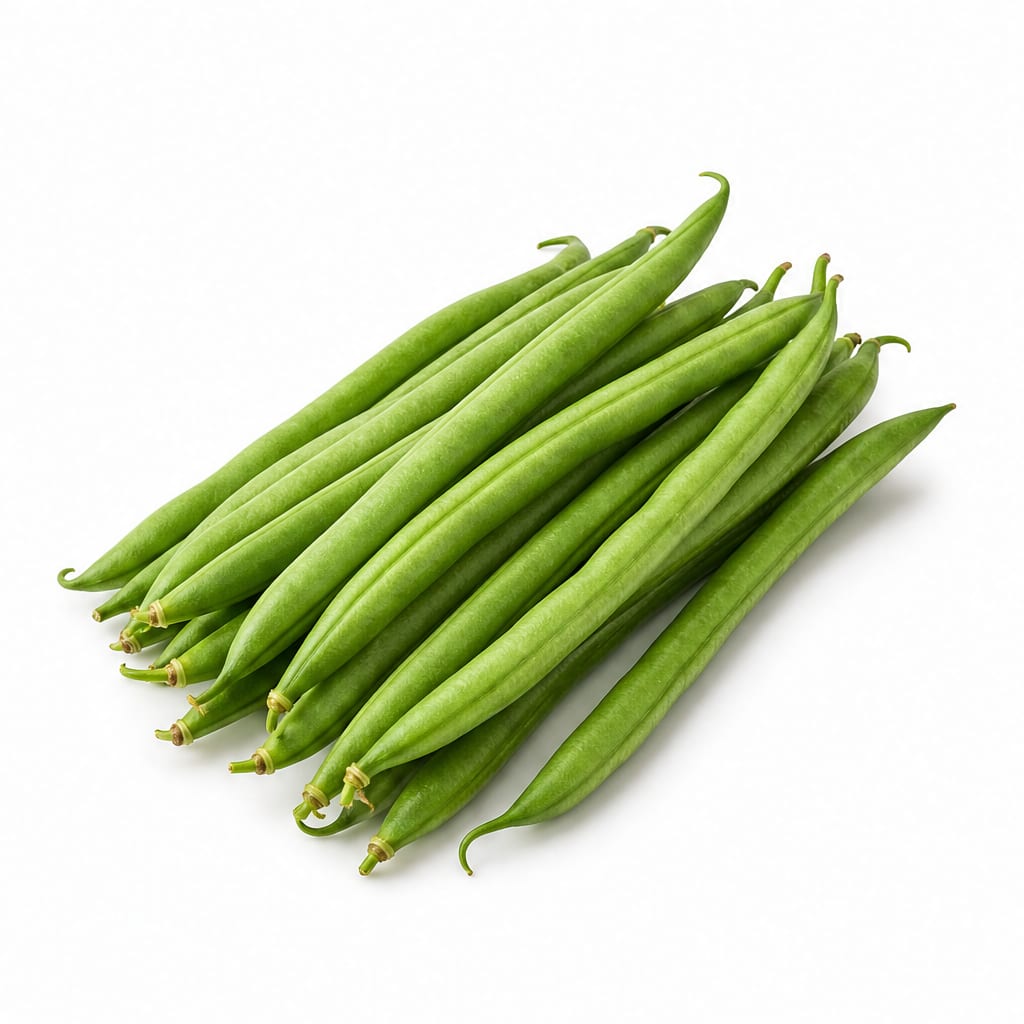
Green Beans
Spinach offers more micronutrients per calorie, but Green Beans provide more filling volume and are safer for kidney health due to low oxalates.
Spinach scores slightly higher for raw nutrient density, but Green Beans close the gap due to better digestibility, lower oxalates, and higher practical volume.
Concentrated nutrients with absorption blockers versus lower nutrient density but better digestibility and volume.
At a glance
Executive summary
Overall
It depends
Healthier
It depends
More practical
Green Beans
Daily use
Green Beans
Key comparison lenses
Nutrient density versus bioavailability
Spinach has high raw nutrient levels but contains oxalates that block absorption, while Green Beans offer more bioavailable nutrition.
Kidney health and oxalate risk
Spinach is notoriously high in oxalates which can cause kidney stones, making Green Beans a safer choice for susceptible individuals.
Satiety and physical volume
Green Beans maintain their volume when cooked, providing a much more filling side dish than Spinach which shrinks dramatically.
Best choice for
Spinach
- Boosting iron and folate intake
- Adding greens to smoothies or salads
- Vitamin K support for bone health
Green Beans
- Large, filling side dishes
- Kidney stone prevention diets
- Low-oxalate dietary needs
Least suitable for
Spinach
- People prone to kidney stones
- Those needing high volume for satiety
- People on blood thinners needing stable Vitamin K
Green Beans
- Those needing high iron intake
- Smoothies or raw salads where a tender green is required
Deep comparison
Dimension by dimension
Each lens scores both foods and breaks down who each option suits.
- Dimension 1 · Priority 95Spinach
Nutrient Density & Bioavailability
Spinach · 92Green Beans · 75Spinach is packed with iron, folate, and Vitamin K, though its oxalates block some absorption. Green Beans offer steady nutrition without the absorption interference.
Tradeoff
Spinach gives you more raw nutrients, but Green Beans let you actually absorb a higher percentage of theirs.
Why it matters
Eating nutrients does not always equal absorbing them.
Real-world impact
You might need to eat Spinach with vitamin C to get the iron benefits, while Green Beans work well on their own.
Spinach
- Folate needs
- Vitamin K needs
- Pairing with vitamin C sources
Better for
- Calcium absorption
- Kidney stone risk
Worse for
Green Beans
- Calcium absorption
- Iron absorption without pairing
- Simpler nutrient uptake
Better for
- High-dose micronutrient needs
Worse for
- Dimension 2 · Priority 85Green Beans
Satiety & Volume
Spinach · 65Green Beans · 90Green Beans maintain their volume when cooked, making them far more filling. Spinach shrinks dramatically, leaving you hungry sooner.
Tradeoff
Spinach is lighter and easier to blend, but Green Beans actually fill your plate and your stomach.
Why it matters
Volume eating helps control calories without feeling deprived.
Real-world impact
A bowl of cooked Green Beans feels like a real side dish; a bowl of cooked Spinach feels like a garnish.
Spinach
- Smoothies
- Quick sautés
- Laying under a protein
Better for
- Feeling stuffed
- Meal bulk
Worse for
Green Beans
- Volume eating
- Feeling physically full
- Meal prep sides
Better for
- Blending into drinks
- Eating raw in large quantities
Worse for
- Dimension 3 · Priority 90Green Beans
Digestive & Kidney Health
Spinach · 55Green Beans · 95Spinach is high in oxalates, which can cause kidney stones and digestive upset in sensitive people. Green Beans are very gentle on the gut and kidneys.
Tradeoff
Superfood status comes with a superfood downside for Spinach; Green Beans are the safer everyday staple.
Why it matters
Kidney stones are incredibly painful and easily preventable with diet changes.
Real-world impact
If you have ever had a kidney stone, Spinach is a risk, while Green Beans are a safe bet.
Spinach
- Those with healthy kidneys and good gut tolerance
Better for
- History of kidney stones
- Oxalate sensitivity
- Gout flare-ups
Worse for
Green Beans
- Kidney stone prevention
- Sensitive stomachs
- Low-oxalate diets
Better for
- None significant
Worse for
- Dimension 4 · Priority 75It depends
Versatility & Convenience
Spinach · 85Green Beans · 80Spinach is incredibly versatile raw or cooked, but Green Beans are a more substantial, predictable side dish.
Tradeoff
Spinach melts into anything, while Green Beans hold their shape and texture.
Why it matters
Convenience dictates what you actually eat on a busy Tuesday.
Real-world impact
Spinach is perfect for tossing into a soup last minute; Green Beans are ideal for roasting or steaming as a standalone side.
Spinach
- Smoothies
- Salads
- Hiding veggies in pasta sauce
Better for
- Grilling
- Standalone side dish volume
Worse for
Green Beans
- Roasting
- Casseroles
- Standalone side dishes
Better for
- Blending
- Raw salads
Worse for
Timeline
Health impact over time
Short-term
Hours to days
Spinach
- Quick boost of folate and iron
- Possible stomach upset if eaten in large raw quantities due to oxalates
Green Beans
- Steady energy from fiber
- Feeling full and satisfied after meals
Long-term
Months to years
Spinach
- Supports bone health via Vitamin K
- Increased risk of kidney stones if consumed excessively without calcium pairing
Green Beans
- Consistent digestive regularity
- Safe long-term kidney health
Risk profile
Safety & processing
Both Spinach and Green Beans are whole, natural vegetables with minimal processing concerns when bought fresh or frozen.
Spinach
Oxalate accumulation
mediumHigh oxalates can bind to calcium and contribute to kidney stones in susceptible individuals.
Pesticide residue
mediumSpinach consistently ranks high on the EWG's Dirty Dozen list for pesticide residue; washing thoroughly or buying organic is advised.
Green Beans
Pesticide residue
lowGreen Beans generally have moderate pesticide risk, but less than Spinach.
Lectin content (raw)
lowRaw Green Beans contain lectins which can cause digestive upset, but cooking neutralizes them completely.
Who wins for whom
Audience fit
Same foods, different winners depending on your goal.
children
Green BeansGreen Beans are easier for kids to eat as a finger food and lack the bitter taste or oxalate concerns of Spinach.
daily consumption
Green BeansLower oxalate content makes Green Beans safer to eat every day in large quantities without kidney risk.
diabetes
It dependsBoth are low-glycemic, high-fiber choices that stabilize blood sugar effectively.
elderly
Green BeansGreen Beans are gentler on the kidneys and easier to digest in the volumes needed for satiety.
muscle gain
It dependsNeither is a primary muscle-building food, but Spinach offers slightly more iron for oxygen transport during workouts.
weight loss
Green BeansGreen Beans provide more physical volume and fiber per serving, helping you feel full on fewer calories.
Your move
Decision guide
Choose Spinach
- You want to boost iron and folate intake
- You make smoothies or salads and need a tender green
- You have no history of kidney stones and want maximum micronutrients
Choose Green Beans
- You want a filling, substantial side dish
- You are prone to kidney stones or follow a low-oxalate diet
- You need a low-maintenance vegetable that holds up to roasting
Either works if
- You just need more greens in your diet
- You are managing blood sugar and need low-carb options
Avoid both if
- You are looking for a high-protein food source
Final recommendation
Use Spinach for nutrient density and blending, but rely on Green Beans for everyday volume, satiety, and kidney safety. Rotating both is the best approach.
Practical
Consumer tips
- 1
Cook Spinach to reduce oxalate levels, and pair it with a vitamin C source like lemon juice to boost iron absorption.
- 2
Buy organic Spinach when possible, as it typically carries higher pesticide residues.
- 3
Steam or roast Green Beans rather than boiling to preserve their fiber and nutrients.
- 4
If you have had kidney stones, limit Spinach and choose Green Beans or cauliflower instead.