
Nutrition comparison
Spinach vs Arugula: Which Leafy Green is Healthier?
Compare Spinach vs Arugula for nutrition, oxalates, and taste. Learn why Arugula is better for raw salads and kidney health, while Spinach wins for cooking.
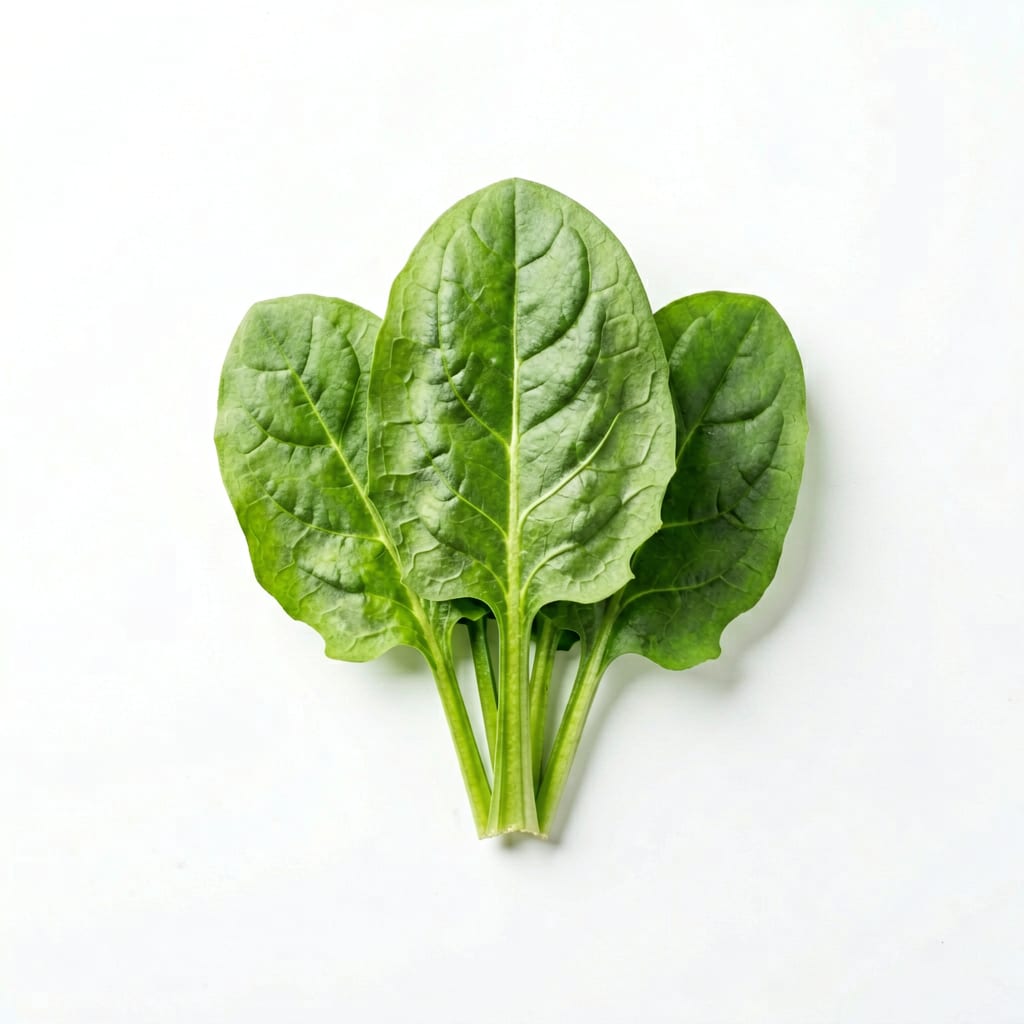
Spinach
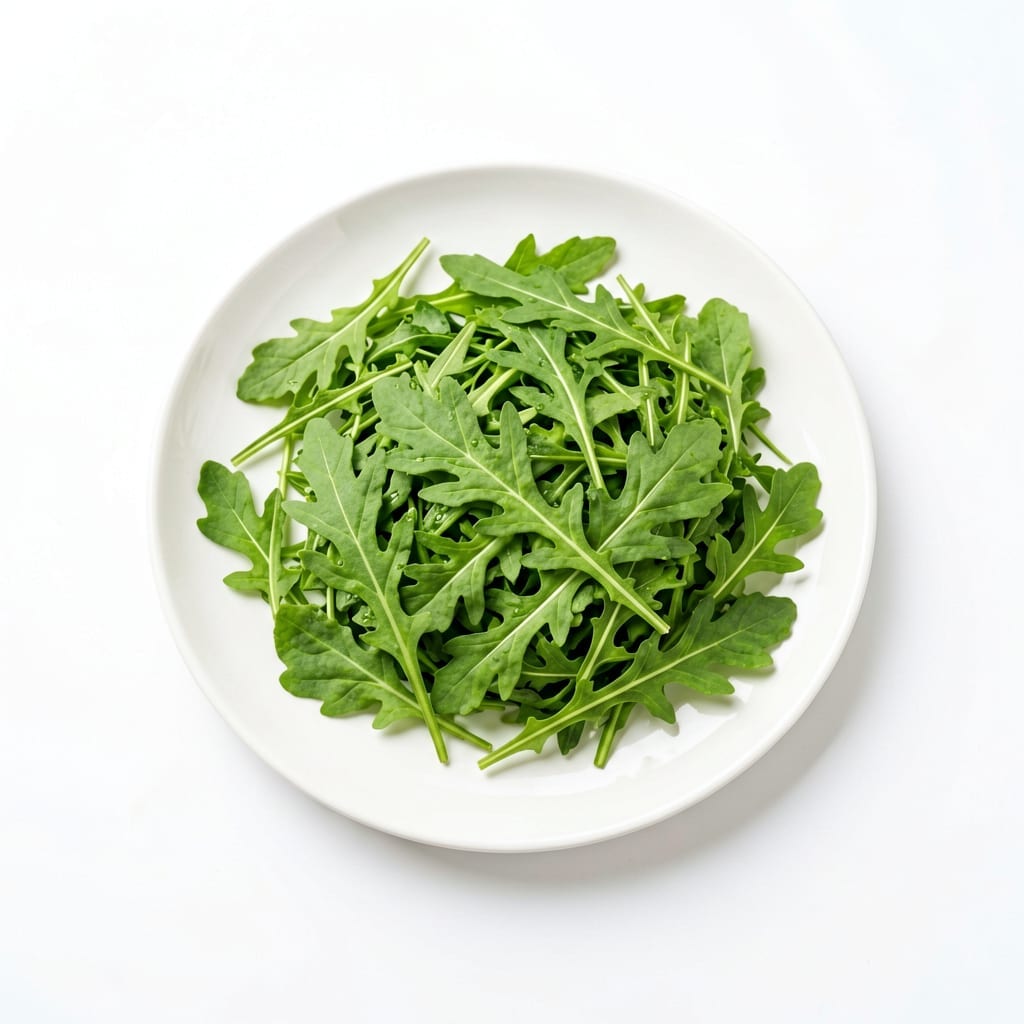
Arugula
Spinach offers more total nutrients but blocks its own mineral absorption with oxalates; Arugula is the safer, easier choice for daily raw salads.
Arugula scores slightly higher for daily use because its nutrients are more bioavailable and it carries fewer risks for kidney health. Spinach scores highly for total micronutrient volume and cooking versatility but is penalized for high oxalates.
Higher raw nutrient density and cooking versatility of Spinach versus the superior mineral absorption and kidney safety of Arugula.
At a glance
Executive summary
Overall
It depends
Healthier
It depends
More practical
Arugula
Daily use
Arugula
Key comparison lenses
Nutrient density and mineral absorption
Spinach is famous for iron and calcium, but its high oxalate levels block absorption, making Arugula's lower-oxalate profile a critical tradeoff.
Kidney stone risk and safety
Spinach is very high in oxalates, posing a real risk for kidney stone formers, whereas Arugula is a low-oxalate alternative.
Raw vs cooked culinary use
Spinach shrinks dramatically and works best cooked, while Arugula holds its shape and delivers a peppery bite raw.
Blood pressure and circulation
Both are rich in dietary nitrates, but Arugula is often consumed in larger raw volumes, making its blood-pressure-lowering effects more accessible.
Best choice for
Spinach
- People who cook their greens and want high folate and iron intake
- Anyone needing a mild-flavored green to blend into smoothies undetected
- Those looking to add bulk to warm dishes like soups and stews
Arugula
- People prone to kidney stones who must avoid oxalates
- Salad lovers wanting a flavorful, peppery base green
- Anyone focused on maximizing calcium and magnesium absorption from raw greens
Least suitable for
Spinach
- People with a history of calcium oxalate kidney stones
- Those wanting a crunchy, sturdy raw salad base
Arugula
- People who dislike bitter or peppery flavors
- Those looking for a green that melts down into warm cooked dishes
Deep comparison
Dimension by dimension
Each lens scores both foods and breaks down who each option suits.
- Dimension 1 · Priority 95Spinach
Micronutrient Density
Spinach · 92Arugula · 78Spinach packs more vitamins and minerals per leaf, especially folate, iron, and vitamin K.
Tradeoff
Spinach's high oxalate content binds to its iron and calcium, meaning your body actually absorbs very little of them raw.
Why it matters
Eating a nutrient-dense food doesn't guarantee nutrient absorption if anti-nutrients are present.
Real-world impact
You might think a raw Spinach salad is loading you with iron, but you are likely absorbing more usable calcium from a bowl of Arugula.
Spinach
- Total folate intake
- Vitamin K volume
- Iron intake when cooked (heat reduces some oxalates)
Better for
- Mineral absorption in raw form
Worse for
Arugula
- Bioavailable calcium
- Usable magnesium
- Vitamin K absorption without interference
Better for
- Total raw iron content
Worse for
- Dimension 2 · Priority 90Arugula
Kidney Safety and Oxalates
Spinach · 40Arugula · 95Arugula is exceptionally low in oxalates, while Spinach is one of the highest-oxalate foods available.
Tradeoff
Choosing Spinach means managing a significant dietary oxalate load; choosing Arugula removes this concern almost entirely.
Why it matters
High oxalate consumption can lead to kidney stones and mineral deficiencies in susceptible people.
Real-world impact
If you have ever passed a kidney stone, swapping Spinach for Arugula is one of the most impactful dietary changes you can make.
Spinach
- High risk for calcium oxalate kidney stone formers
- Can contribute to mineral deficiencies if consumed excessively raw
Worse for
Arugula
- Avoiding kidney stones
- Safe for daily high-volume consumption
- Better for those with compromised gut flora
Better for
- Dimension 3 · Priority 85It depends
Culinary Versatility and Taste
Spinach · 88Arugula · 82Spinach is a culinary chameleon that cooks down beautifully, while Arugula is a bold, peppery green best eaten raw.
Tradeoff
Spinach offers mildness and cooking flexibility; Arugula offers a distinct flavor punch and raw texture integrity.
Why it matters
A green you enjoy eating consistently is healthier than a green that sits in your fridge.
Real-world impact
Spinach wilts into pasta and bakes without altering the dish's flavor, whereas Arugula turns a simple salad into a flavorful experience with just lemon and oil.
Spinach
- Blending into smoothies undetected
- Cooking down into warm meals
- Mild flavor for picky eaters
Better for
- Turns slimy when cooked improperly
- Shrinks to a fraction of its volume when cooked
Worse for
Arugula
- Acting as a standalone salad base
- Adding flavor complexity to sandwiches and pizzas
- Maintaining crunch and structure in raw dishes
Better for
- Bitter taste intensifies with cooking
- Not ideal for green smoothies if you dislike earthy flavors
Worse for
- Dimension 4 · Priority 80Arugula
Blood Pressure and Circulation
Spinach · 80Arugula · 88Both are excellent sources of dietary nitrates, which help relax blood vessels, but Arugula delivers them more practically.
Tradeoff
Arugula's nitrates are more readily consumed in effective raw doses compared to Spinach, which is often cooked.
Why it matters
Dietary nitrates are converted to nitric oxide, which naturally lowers blood pressure and improves exercise performance.
Real-world impact
A large Arugula salad before a workout can genuinely improve blood flow and stamina, whereas eating enough raw Spinach for the same effect is tougher on the palate and kidneys.
Spinach
- Good nitrate source if consumed raw
Better for
- Large raw volumes carry high oxalate penalties
Worse for
Arugula
- Easier to consume in large raw quantities for nitric oxide boost
- Synergistic with vitamin C from salad dressings for better uptake
Better for
Timeline
Health impact over time
Short-term
Hours to days
Spinach
- Provides a quick folate and iron boost, especially when cooked
- Can cause a gritty mouthfeel when eaten raw due to oxalate crystals
Arugula
- Offers a rapid nitric oxide boost for better blood flow after eating
- Acts as a natural digestive bitter, stimulating stomach acid and appetite
Long-term
Months to years
Spinach
- Supports bone health and blood clotting via high Vitamin K
- Increases risk of kidney stones with frequent, high-volume raw consumption
Arugula
- Helps maintain healthy blood pressure and vascular function over time
- Supports bone density with highly absorbable calcium
Risk profile
Safety & processing
Both Spinach and Arugula are whole, natural leafy greens typically sold fresh or minimally processed in bags.
Spinach
Oxalate accumulation
highSpinach is extremely high in oxalates, which bind to calcium and can form painful kidney stones in susceptible individuals.
Pesticide residue
mediumSpinach consistently appears on the EWG's Dirty Dozen list, making organic washing or purchasing highly recommended.
Arugula
Pesticide residue
mediumWhile not as notorious as Spinach, Arugula can still carry pesticide residue, so washing thoroughly is important.
Nitrate accumulation
lowArugula is high in nitrates, which is mostly beneficial for blood pressure, but improper storage can convert nitrates to nitrites.
Who wins for whom
Audience fit
Same foods, different winners depending on your goal.
children
SpinachSpinach has a much milder flavor that can be hidden in smoothies, pasta sauces, and baked goods, making it easier to feed to kids.
daily consumption
ArugulaArugula is safer to eat every day in large quantities due to its low oxalate levels, whereas daily large servings of raw Spinach can build up problematic oxalate levels.
diabetes
It dependsBoth are non-starchy, ultra-low-carb greens that have negligible impacts on blood sugar; both are excellent choices.
elderly
ArugulaArugula provides highly absorbable calcium for bone health without the kidney stone risk, and its nitrates support healthy blood pressure.
muscle gain
It dependsNeither is a primary muscle-building food, but Spinach offers slightly more magnesium for muscle recovery, while Arugula's nitrates can improve workout pumps.
weight loss
ArugulaArugula's peppery flavor makes large, low-calorie raw salads more enjoyable, and its low oxalate content means you can eat massive volumes without kidney stress.
Your move
Decision guide
Choose Spinach
- You plan to cook your greens (cooking reduces oxalates and shrinks the leaves for easy consumption)
- You want a neutral-tasting green for fruit smoothies
- You have no history of kidney stones and want maximum folate intake
Choose Arugula
- You are prone to kidney stones or want to avoid high-oxalate foods
- You love eating big, flavorful raw salads
- You want to boost your nitric oxide levels for better blood pressure or athletic performance
Either works if
- You just need a nutritious, low-calorie green to round out a meal
- You are mixing a large salad and want a variety of textures and flavors
Avoid both if
- You are on a strict vitamin K-restricted diet due to blood thinners like Warfarin
Final recommendation
Keep both in your kitchen, but shift your daily raw salad base to Arugula for better mineral absorption and kidney safety. Save Spinach for your cooked dishes and smoothies where its oxalates are less of a concern and its mild flavor shines.
Practical
Consumer tips
- 1
Boiling Spinach and discarding the water can reduce its oxalate content by up to 87%, making the minerals much easier to absorb.
- 2
Buy organic Spinach when possible, as it is consistently ranked high for pesticide residue.
- 3
Store Arugula in a breathable container in the crisper drawer; it wilts faster than Spinach if trapped in condensation.
- 4
Pair Arugula with a vitamin C-rich dressing (like lemon juice) to further enhance its mineral absorption.
- 5
If you have a history of kidney stones, avoid adding raw Spinach to your daily green smoothie and use Arugula or kale instead.