
Nutrition comparison
Spinach vs Celery: Which Is Healthier for You?
Compare Spinach and Celery side by side. Spinach wins on nutrients like iron and vitamin K, while Celery excels as a low-calorie hydrating snack. Learn which fits your health goals.
Overall winner · Spinach
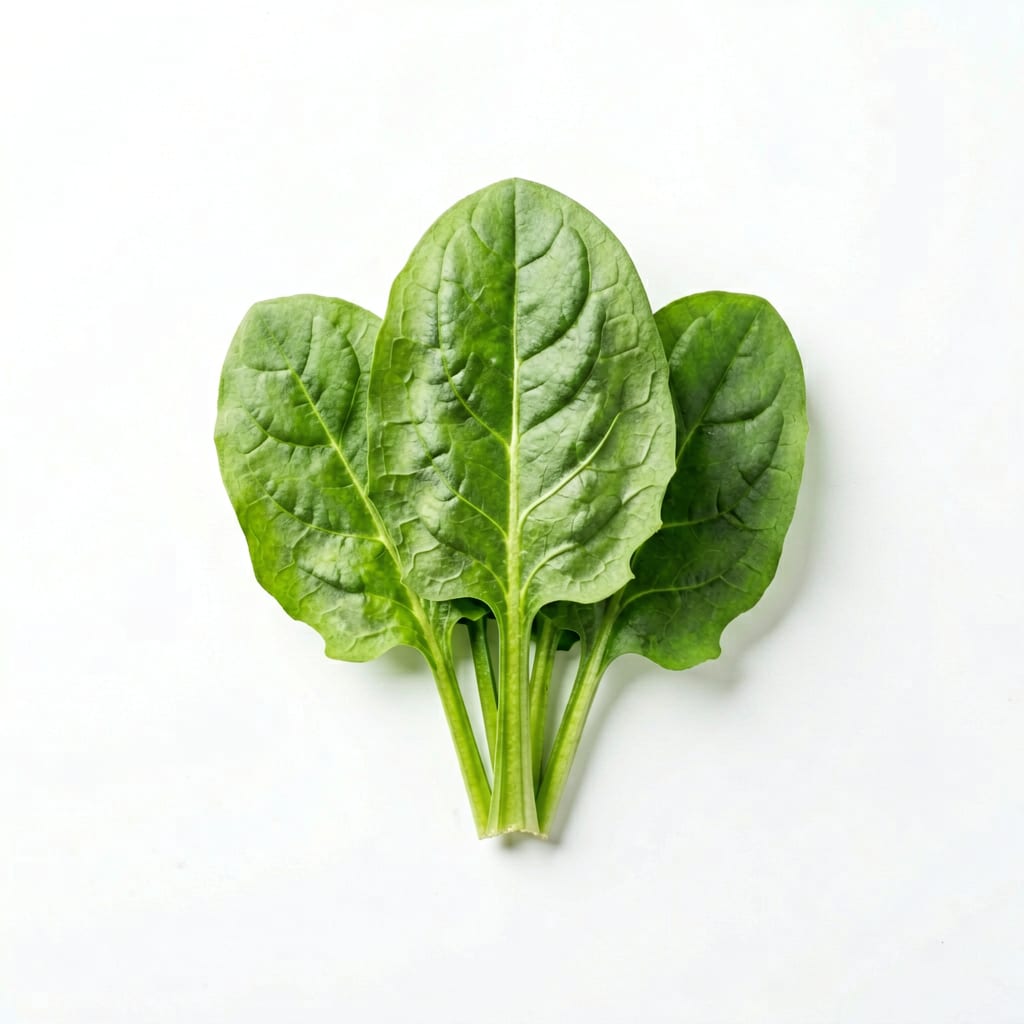
Spinach
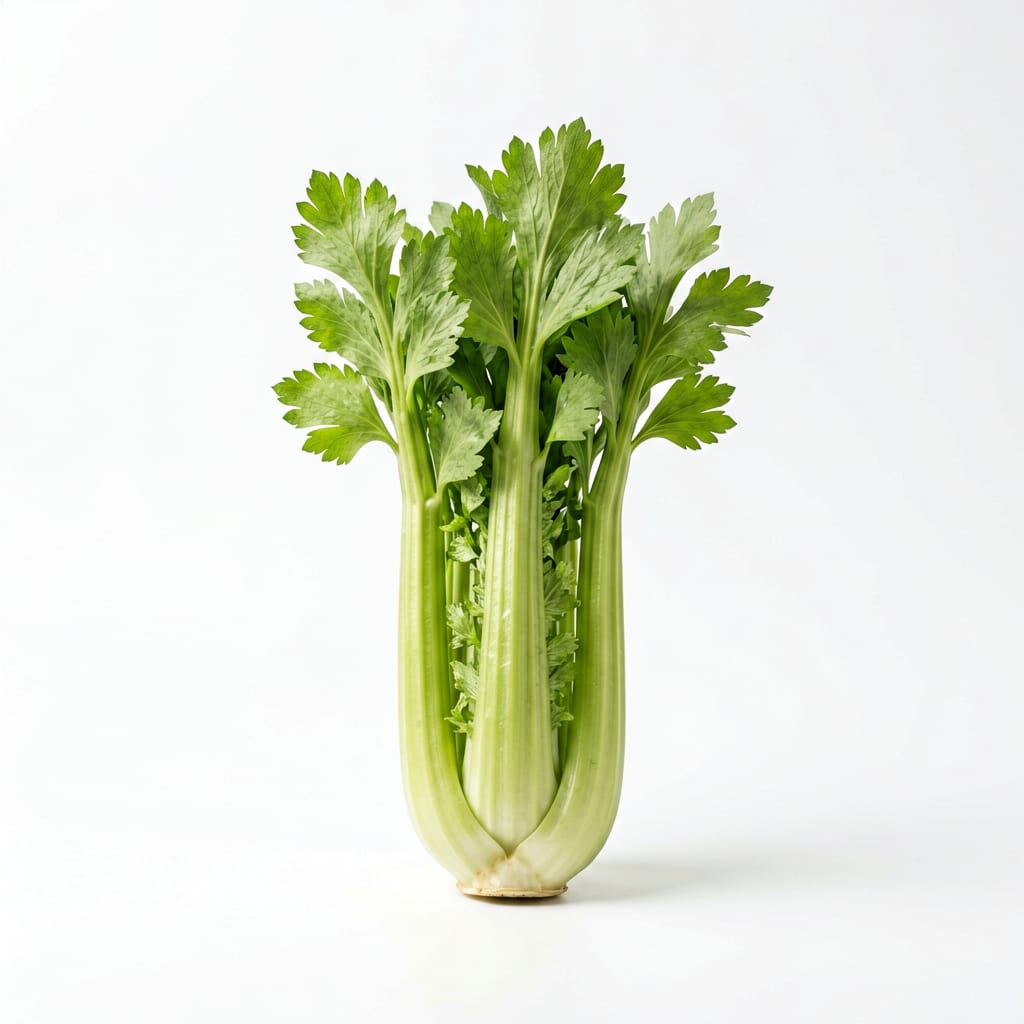
Celery
Spinach is the nutritional powerhouse, delivering far more vitamins and minerals per bite. Celery excels as a hydrating, crunchy low-calorie snack but offers minimal nutrition beyond water and fiber.
Spinach scores significantly higher due to its exceptional nutrient density, providing iron, folate, vitamin K, vitamin A, and magnesium in meaningful amounts. Celery's score reflects its real but limited strengths: hydration, crunch, and near-zero calories. The gap is large because Spinach delivers substantially more health value per serving.
Nutritional abundance versus snacking convenience — Spinach fuels your body; Celery satisfies your crunch with almost no calories.
At a glance
Executive summary
Overall
Spinach
Healthier
Spinach
More practical
Celery
Daily use
Spinach
Key comparison lenses
nutrient density comparison
Spinach dramatically outperforms Celery in vitamins and minerals per calorie, making this the most consequential difference
low calorie snacking
Both are go-to low-calorie foods, but Celery is often chosen specifically for its near-zero calorie crunch
kidney stone risk
Spinach's high oxalate content is a real concern for susceptible individuals, while Celery poses almost no such risk
weight loss strategy
Users commonly choose between these two when building low-calorie meal plans
pesticide exposure
Both appear on the EWG Dirty Dozen list, making organic selection relevant for both
Best choice for
Spinach
- People wanting to maximize nutrient intake per calorie
- Anyone needing more iron, folate, or vitamin K
- Smoothie and cooked meal preparers
- Those focused on bone and blood health
Celery
- Mindless snackers who want crunch without calories
- People needing hydration support in hot weather
- Anyone managing kidney stones or oxalate sensitivity
- Dippers wanting a low-calorie vehicle for hummus or nut butter
Least suitable for
Spinach
- People with a history of calcium oxalate kidney stones
- Those on blood thinners who must limit vitamin K
- Anyone seeking a convenient raw snack food
Celery
- Anyone relying on it as a meaningful nutrient source
- People needing satiety from their vegetables
- Those looking for versatile cooking ingredients
Deep comparison
Dimension by dimension
Each lens scores both foods and breaks down who each option suits.
- Dimension 1 · Priority 95Spinach
Nutrient Density
Spinach · 94Celery · 22Spinach is one of the most nutrient-dense foods available; Celery is mostly water with trace nutrients.
Tradeoff
You get dramatically more vitamins and minerals from Spinach, but it requires cooking or preparation to eat in meaningful quantities.
Why it matters
Nutrient density determines how much your body actually gets from what you eat. A cup of Spinach delivers over 800% of your daily vitamin K needs; Celery gives you about 15%.
Real-world impact
Eating Spinach regularly can meaningfully improve your iron status, bone health, and folate intake. Eating Celery regularly will keep you hydrated but won't move the needle on most nutrient gaps.
Spinach
- Preventing nutrient deficiencies
- Supporting pregnancy folate needs
- Boosting iron intake naturally
Better for
- Kidney stone formers who must limit oxalates
Worse for
Celery
- Days when you just need something to crunch on
- Staying hydrated during outdoor activities
Better for
- Anyone expecting real nutritional payoff from their vegetable intake
Worse for
- Dimension 2 · Priority 85Celery
Low-Calorie Snacking
Spinach · 60Celery · 90Celery is the ultimate low-calorie crunch food. Spinach works in meals but is awkward as a standalone snack.
Tradeoff
Celery gives you satisfying crunch and hand-to-mouth eating with almost no calories. Spinach requires preparation and doesn't satisfy the snack instinct as well.
Why it matters
When you want to snack out of habit or stress, having a nearly zero-calorie option that feels like eating matters for weight management.
Real-world impact
Reaching for Celery instead of chips saves you hundreds of calories per snacking session. Spinach can't replicate that crunchy, satisfying snack experience raw.
Spinach
- Adding bulk to meals without adding calories
Better for
- Situations calling for a quick handheld snack
Worse for
Celery
- Mindless snacking without calorie consequences
- Replacing chips or crackers as a dip vehicle
- Eating something while watching TV guilt-free
Better for
- Moments when you actually need sustained energy from your food
Worse for
- Dimension 3 · Priority 70Celery
Hydration and Digestion
Spinach · 65Celery · 85Celery is 95% water and provides gentle fiber, making it excellent for hydration and regular digestion. Spinach supports digestion through fiber and magnesium but is less hydrating.
Tradeoff
Celery hydrates better and is gentler on the digestive system. Spinach offers more fiber per calorie but can cause bloating in sensitive people, especially raw.
Why it matters
Many people are chronically under-hydrated. Eating water-rich foods like Celery contributes to daily fluid intake in a way Spinach cannot match.
Real-world impact
On a hot day or after exercise, Celery refreshes and rehydrates. Spinach supports bowel regularity more effectively due to magnesium, but won't quench anything.
Spinach
- Improving bowel regularity through magnesium
- Adding fiber to cooked meals
Better for
- Raw Spinach can cause bloating in some people
Worse for
Celery
- Hot weather hydration
- Post-exercise refreshing snack
- Gentle digestion for sensitive stomachs
Better for
- Not enough fiber to meaningfully support gut health alone
Worse for
- Dimension 4 · Priority 80Celery
Oxalate and Kidney Safety
Spinach · 35Celery · 90Spinach is extremely high in oxalates, which can contribute to kidney stones in susceptible people. Celery is oxalate-free and safe for kidney health.
Tradeoff
Spinach's nutritional riches come with a real risk for kidney stone formers. Celery offers peace of mind for anyone with oxalate sensitivity.
Why it matters
About 1 in 10 people will experience a kidney stone. For them, Spinach is one of the worst dietary choices possible despite its nutrient profile.
Real-world impact
If you've ever had a calcium oxalate kidney stone, eating Spinach regularly could contribute to recurrence. Celery poses virtually no such risk.
Spinach
- People with no kidney stone history who absorb its nutrients well
Better for
- Kidney stone formers
- People prone to oxalate-related joint pain
Worse for
Celery
- Anyone with a personal or family history of kidney stones
- People who need low-oxalate diets for other conditions
Better for
- Dimension 5 · Priority 65Spinach
Versatility and Cooking
Spinach · 88Celery · 45Spinach works raw, sautéed, blended, in soups, eggs, pasta, and smoothies. Celery is mostly eaten raw or used as an aromatic base.
Tradeoff
Spinach shrinks down when cooked and integrates into almost any dish. Celery maintains its fibrous structure and has a narrower culinary role.
Why it matters
A food you can use in many ways is more likely to become a consistent part of your diet. Versatility drives long-term dietary habits.
Real-world impact
You can hide Spinach in smoothies, fold it into eggs, or add it to soups. Celery mostly stays in salads, snacks, and mirepoix. Spinach simply appears in more meals.
Spinach
- Sneaking greens into picky eaters' meals
- Meal prep across multiple recipes
- Smoothie nutrient boosting
Better for
- Quick raw snacking situations
Worse for
Celery
- Raw snack plates and crudité
- Adding crunch to salads and tuna salad
Better for
- Cooked dishes where its texture becomes unpleasant
- Smoothies where its stringy fiber is problematic
Worse for
- Dimension 6 · Priority 72Spinach
Blood Sugar and Satiety
Spinach · 78Celery · 55Both are excellent for blood sugar stability, but Spinach provides more satiety per serving due to its protein and fiber density.
Tradeoff
Spinach actually fills you up modestly; Celery mostly fills your stomach with water temporarily.
Why it matters
Foods that create genuine satiety help prevent overeating later. Water-rich foods create temporary fullness that fades quickly.
Real-world impact
A Spinach salad with dressing will keep you satisfied longer than the same volume of Celery sticks. Celery's fullness is real but fleeting.
Spinach
- Building meals that sustain energy for hours
- Preventing afternoon energy crashes
Better for
Celery
- Immediate hunger distraction without blood sugar impact
Better for
- Dimension 7 · Priority 70It depends
Pesticide Exposure
Spinach · 50Celery · 50Both Spinach and Celery consistently rank on the EWG Dirty Dozen list, meaning both carry significant pesticide residue concerns when conventionally grown.
Tradeoff
Neither food is a clear winner here. Organic matters for both, especially since Spinach is often eaten cooked and Celery is eaten whole with no peel to remove.
Why it matters
Pesticide residues on leafy greens and stalk vegetables are hard to wash off completely. Choosing organic for both is the safest approach.
Real-world impact
If budget forces a choice, prioritize organic Spinach since you eat it in larger quantities when cooked down. But organic Celery matters too since you eat the entire stalk.
Spinach
- Conventionally grown Spinach often carries multiple pesticide residues
Worse for
Celery
- Conventionally grown Celery is also consistently high in residues
Worse for
Timeline
Health impact over time
Short-term
Hours to days
Spinach
- Provides noticeable energy support from iron and B vitamins
- Can cause temporary bloating if eaten raw in large amounts
- Supports immediate hydration though less than Celery
Celery
- Quickly satisfies thirst and hunger with water and crunch
- Very gentle on the stomach and unlikely to cause digestive upset
- Provides almost no caloric energy, which can be positive or negative depending on context
Long-term
Months to years
Spinach
- Consistently supports bone density through vitamin K and magnesium
- Helps maintain healthy iron levels, especially important for menstruating women
- May contribute to kidney stone formation in susceptible individuals if consumed excessively
- Supports eye health through lutein and zeaxanthin
Celery
- Supports long-term hydration habits
- Helps maintain healthy blood pressure through natural sodium and potassium balance
- Unlikely to cause any adverse long-term effects
- Will not meaningfully prevent nutrient deficiencies on its own
Risk profile
Safety & processing
Both Spinach and Celery are whole, unprocessed vegetables typically eaten in their natural state. Neither carries meaningful additive concerns unless purchased pre-cut or packaged with preservatives.
Spinach
Oxalate-related kidney stones
highSpinach contains extremely high levels of oxalates. For people with a history of calcium oxalate kidney stones, regular consumption significantly increases recurrence risk.
Pesticide residue
mediumConventionally grown Spinach frequently tests positive for multiple pesticide residues. Washing helps but does not eliminate all contamination.
Vitamin K interference with blood thinners
mediumSpinach's very high vitamin K content can interfere with warfarin and other anticoagulant medications, requiring careful portion management.
Foodborne illness from raw consumption
lowLeafy greens are occasionally linked to E. coli and listeria outbreaks. Cooking eliminates this risk.
Celery
Pesticide residue
mediumCelery consistently ranks among the most pesticide-contaminated vegetables. Its lack of a protective peel means residues penetrate deeply.
Foodborne illness
lowLike all raw vegetables, Celery can harbor bacteria on its surface, but outbreaks linked specifically to Celery are less common than with leafy greens.
Who wins for whom
Audience fit
Same foods, different winners depending on your goal.
children
CeleryCelery sticks with peanut butter or hummus are a kid-friendly snack that children actually enjoy eating. Spinach is often rejected by children despite its superior nutrition.
daily consumption
SpinachSpinach provides more cumulative health benefit when eaten daily. Its nutrients build up over time to support multiple body systems. Celery daily is harmless but offers less long-term payoff.
diabetes
SpinachBoth have negligible impact on blood sugar, but Spinach's higher magnesium content supports insulin sensitivity more meaningfully over time.
elderly
SpinachSpinach's vitamin K, folate, and lutein support bone health, cognitive function, and eye health — all critical concerns for aging adults. The oxalate risk should be assessed individually.
muscle gain
SpinachSpinach provides more protein per calorie and supports iron status, which is critical for oxygen delivery to working muscles. Celery contributes almost nothing to muscle-building nutrition.
weight loss
It dependsCelery is better for snacking with minimal calories, but Spinach is better for building satisfying low-calorie meals. The best choice depends on whether you need a snack tool or a meal builder.
Your move
Decision guide
Choose Spinach
- You want to maximize nutritional value from your vegetables
- You have no history of kidney stones and want to support bone, blood, and eye health
- You cook regularly and want a versatile green that works in everything
- You're building nutrient-dense smoothies or meals
- You need more iron, folate, or vitamin K in your diet
Choose Celery
- You're looking for a low-calorie snack to replace chips or crackers
- You have a history of kidney stones and must avoid high-oxalate foods
- You want something hydrating and refreshing during hot weather
- You need a dip vehicle that won't add calories or oxalates
- You're on blood thinners and need to limit vitamin K intake
Either works if
- You want low-calorie vegetables for weight management
- You're building a salad and want variety
- Both are affordable and accessible at your local store
Avoid both if
- You have severe oral allergy syndrome related to raw vegetables
- You can only access conventionally grown versions and are highly concerned about pesticide exposure
Final recommendation
Eat Spinach as your nutritional foundation and Celery as your snacking ally. Spinach delivers the vitamins and minerals your body actually needs, while Celery handles the moments when you just want to crunch on something. If kidney stones are a concern, shift toward Celery and other low-oxalate greens. Otherwise, a cup of cooked Spinach daily is one of the highest-return dietary habits you can build.
Practical
Consumer tips
- 1
Buy organic for both Spinach and Celery when possible — they're consistently among the most pesticide-contaminated vegetables
- 2
Cooking Spinach reduces oxalate content by 30-87% depending on the method — boiling is most effective but also loses some water-soluble nutrients
- 3
Pair Spinach with vitamin C sources like lemon juice to dramatically improve iron absorption
- 4
Store Celery wrapped in aluminum foil in the fridge — it stays crisp for weeks instead of going limp
- 5
Freeze Spinach before it wilts — it works perfectly in smoothies and cooked dishes later
- 6
If you have kidney stone concerns, boil Spinach and discard the water to remove most oxalates
- 7
Use Celery as a replacement for crackers when eating hummus, tuna salad, or nut butters to save hundreds of calories per week