
Nutrition comparison
Spinach vs Broccoli: Which Green Vegetable Is Actually Healthier?
Spinach has more nutrients on paper, but oxalates block absorption. Broccoli delivers usable nutrition with fewer risks. Compare their real health benefits, kidney stone risks, and pesticide concerns.
Overall winner · Broccoli
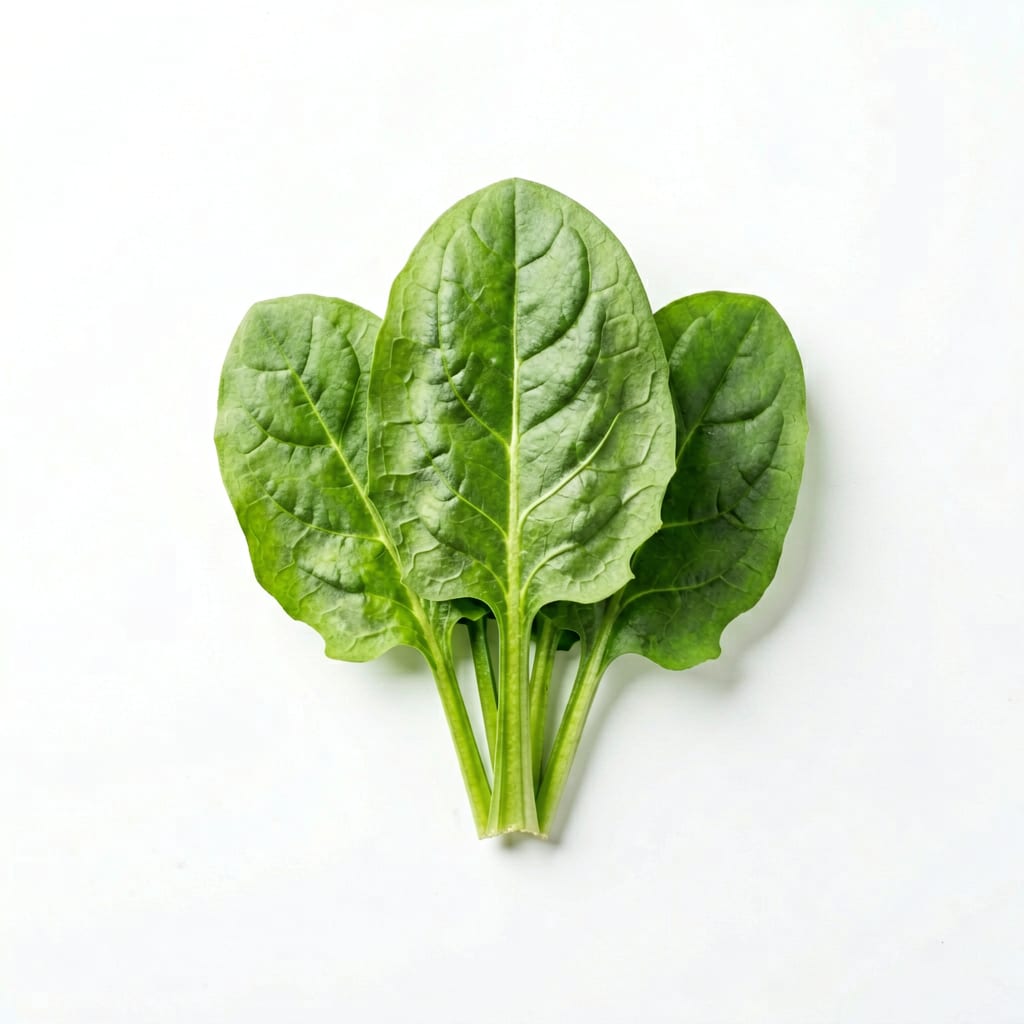
Spinach
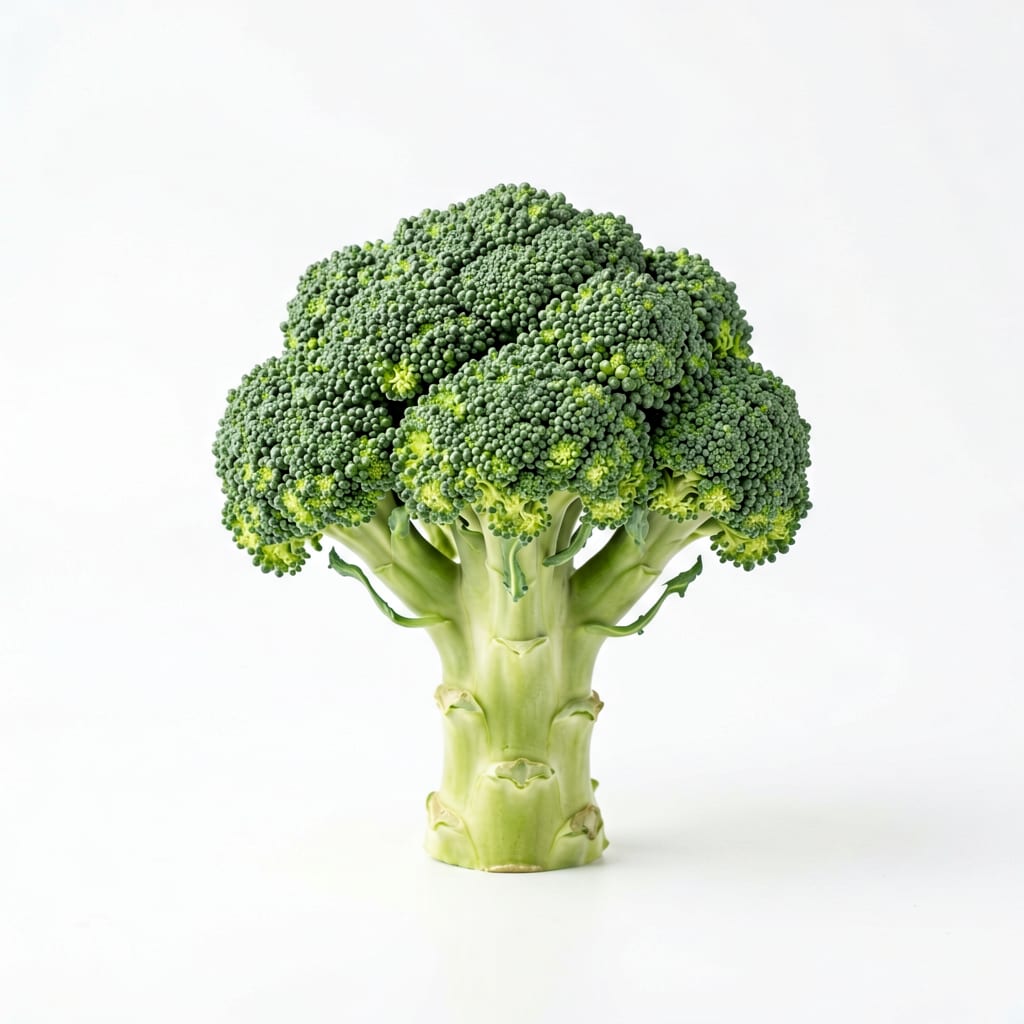
Broccoli
Broccoli wins on bioavailability, safety, and satiety, but Spinach shines for vitamin K, folate, and raw convenience
Broccoli scores higher because its nutrients are more bioavailable, it carries fewer contamination risks, and it provides better satiety. Spinach loses ground on oxalate interference, pesticide concerns, and the fact that its impressive iron and calcium numbers mislead consumers about what they actually absorb.
Spinach has more nutrients on paper but oxalates block absorption, while Broccoli delivers fewer nutrients that your body actually uses
At a glance
Executive summary
Overall
Broccoli
Healthier
Broccoli
More practical
It depends
Daily use
Broccoli
Key comparison lenses
nutrient density and bioavailability
Spinach boasts impressive numbers on paper but oxalates block absorption of its iron and calcium, while Broccoli delivers nutrients your body actually absorbs efficiently
kidney stone risk from oxalates
Spinach is extremely high in oxalates, making it a real concern for anyone prone to kidney stones, whereas Broccoli is safely low
cancer fighting compounds
Broccoli contains sulforaphane, one of the most studied natural anti-cancer compounds, giving it a unique protective edge
pesticide exposure
Spinach consistently ranks on the Dirty Dozen list for pesticide residues, while Broccoli is typically a Clean Fifteen vegetable
everyday versatility and satiety
Broccoli fills you up more and works as a hearty side, while Spinach wilts to almost nothing and leaves you hungry sooner
Best choice for
Spinach
- Smoothie addicts who want greens that blend invisibly
- People needing extra vitamin K for bone health
- Pregnant women seeking natural folate
- Anyone who struggles to eat vegetables and needs something mild-tasting
Broccoli
- People focused on cancer prevention and longevity
- Anyone with a history of kidney stones
- Those wanting a filling vegetable that actually satisfies hunger
- Families prioritizing low-pesticide produce on a budget
Least suitable for
Spinach
- People prone to kidney stones or with oxalate sensitivity
- Anyone on blood thinners like warfarin due to extreme vitamin K content
- Those concerned about pesticide exposure who cannot buy organic
Broccoli
- People with severe thyroid issues who eat it raw in large amounts
- Anyone who finds cruciferous vegetables cause bloating or gas
- Those wanting a leafy green for smoothies or salads
Deep comparison
Dimension by dimension
Each lens scores both foods and breaks down who each option suits.
- Dimension 1 · Priority 95Broccoli
nutrient_bioavailability
Spinach · 45Broccoli · 85Spinach looks like a nutritional powerhouse on paper but oxalates block most of its iron and calcium from being absorbed
Tradeoff
You get more total nutrients in Spinach but your body uses fewer of them compared to Broccoli
Why it matters
Eating high-oxalate Spinach for iron can feel misleading when only a fraction is actually absorbed
Real-world impact
If you are eating Spinach to fix low iron, you may not see results despite doing everything right
Spinach
- Vitamin K intake, where Spinach delivers over 400% of daily needs per cooked cup
Better for
- Iron supplementation expectations, since oxalates bind most of it
Worse for
Broccoli
- Iron absorption, since Broccoli's iron is not blocked by oxalates
- Calcium uptake, which is significantly more usable than Spinach's bound calcium
- Vitamin C, which Broccoli provides in abundance and which boosts iron absorption
Better for
- Raw vitamin K density compared to Spinach's exceptional levels
Worse for
- Dimension 2 · Priority 90Broccoli
cancer_and_disease_prevention
Spinach · 65Broccoli · 90Broccoli's sulforaphane is one of the most powerful naturally occurring cancer-fighting compounds studied
Tradeoff
Spinach offers strong antioxidant support but lacks the specific detoxification pathways that sulforaphane activates
Why it matters
Regular Broccoli consumption has been linked to reduced risks of several cancers in ways Spinach has not demonstrated
Real-world impact
Eating Broccoli a few times per week gives your cells a detox boost that most other vegetables cannot match
Spinach
- Lutein and zeaxanthin for eye health, where Spinach is among the best sources
Better for
- Lacks the specific glucosinolate compounds that make cruciferous vegetables unique
Worse for
Broccoli
- Sulforaphane for cellular detoxification and cancer risk reduction
- Broader anti-inflammatory effects through multiple pathways
- DNA protection mechanisms supported by cruciferous compounds
Better for
- Lower in specific eye-protective carotenoids compared to Spinach
Worse for
- Dimension 3 · Priority 88Broccoli
kidney_stone_and_oxalate_risk
Spinach · 25Broccoli · 90Spinach is one of the highest-oxalate foods commonly eaten, making it risky for kidney stone formers
Tradeoff
Spinach's nutrient density comes with a real urinary health cost that Broccoli avoids entirely
Why it matters
For the 1 in 10 people who will experience a kidney stone, Spinach is genuinely dangerous in regular amounts
Real-world impact
A large Spinach salad can deliver more oxalates than some people should consume in an entire day
Spinach
- No meaningful advantage in this dimension
Better for
- Extremely high oxalate levels that can contribute to stone formation
- Requires careful portion control for anyone with oxalate sensitivity
Worse for
Broccoli
- Virtually no oxalate content, making it safe for kidney stone sufferers
- Can be eaten freely without worrying about urinary oxalate load
Better for
- No significant downside in this dimension
Worse for
- Dimension 4 · Priority 82Broccoli
pesticide_and_contamination_risk
Spinach · 35Broccoli · 88Spinach consistently ranks among the most pesticide-contaminated vegetables, while Broccoli is naturally resistant and rarely sprayed heavily
Tradeoff
Choosing organic Spinach adds significant cost, whereas conventional Broccoli is usually clean enough
Why it matters
Pesticide exposure from daily Spinach consumption can add up, especially for children and pregnant women
Real-world impact
Buying conventional Spinach means ingesting residue from an average of 7 different pesticides per serving
Spinach
- No meaningful advantage in this dimension
Better for
- Appears on the Dirty Dozen list almost every year
- Leaf structure retains pesticide residues effectively
- Organic is significantly more expensive and still may carry some residue
Worse for
Broccoli
- Naturally pest-resistant, requiring far fewer pesticide applications
- Consistently appears on the Clean Fifteen list
- Safe to buy conventional without significant residue concerns
Better for
- No significant downside in this dimension
Worse for
- Dimension 5 · Priority 78Broccoli
satiety_and_meal_satisfaction
Spinach · 40Broccoli · 80Broccoli provides real volume and chewing satisfaction, while Spinach wilts down to almost nothing on your plate
Tradeoff
Spinach is easier to add to meals invisibly but does nothing to fill you up, whereas Broccoli actually contributes to feeling satisfied
Why it matters
Vegetables that leave you hungry defeat the purpose of healthy eating because you end up snacking later
Real-world impact
A cup of raw Spinach cooks down to a few bites, but a cup of Broccoli stays substantial and keeps you fuller longer
Spinach
- Easy to hide in smoothies, sauces, and eggs for picky eaters
- Adds nutrition without changing the character of a dish
Better for
- Vanishes when cooked, leaving plates looking empty
- Minimal fiber impact per serving compared to expectations
Worse for
Broccoli
- Significantly more fiber per serving for gut health and fullness
- Firm texture provides chewing satisfaction that signals satiety
- Works as a legitimate side dish that makes a meal feel complete
Better for
- Takes longer to cook and prepare than quick-wilting Spinach
Worse for
- Dimension 6 · Priority 72It depends
digestive_tolerance
Spinach · 65Broccoli · 60Both can cause digestive issues but for different people: Spinach bothers oxalate-sensitive individuals, Broccoli causes gas in some
Tradeoff
Spinach is gentler on the gut for most people but risky for kidneys, while Broccoli is harder to digest raw but safer overall
Why it matters
The best vegetable is one you can actually eat regularly without discomfort
Real-world impact
Raw Broccoli can cause bloating in sensitive people, while large Spinach portions can trigger kidney issues silently
Spinach
- Softer texture when cooked, easier on the digestive tract
- Less likely to cause gas and bloating compared to raw cruciferous vegetables
Better for
- Oxalates can irritate the urinary tract in sensitive individuals
Worse for
Broccoli
- No oxalate-related kidney risks
- Steaming eliminates most gas-causing compounds
Better for
- Raw Broccoli is a common trigger for bloating and flatulence
- Cruciferous fiber can be rough on irritable bowel syndrome
Worse for
- Dimension 7 · Priority 75It depends
vitamin_and_mineral_diversity
Spinach · 78Broccoli · 76Spinach dominates vitamin K and folate, while Broccoli excels in vitamin C and absorbable minerals
Tradeoff
Each vegetable offers a different nutritional specialty, making them complementary rather than directly competitive
Why it matters
Relying on only one green vegetable leaves gaps that the other would fill easily
Real-world impact
Eating both throughout the week gives you broader nutrient coverage than doubling down on either one
Spinach
- Exceptional vitamin K content for bone and blood health
- Superior folate levels important for pregnancy and cell repair
- Higher vitamin A as beta-carotene for skin and immune function
Better for
- Vitamin C content is modest compared to Broccoli
- Mineral absorption is undermined by oxalate binding
Worse for
Broccoli
- Outstanding vitamin C content that also enhances iron absorption
- More bioavailable calcium despite lower total amounts
- Better selenium and chromium content for metabolic health
Better for
- Lower folate and vitamin K compared to Spinach's exceptional levels
Worse for
Timeline
Health impact over time
Short-term
Hours to days
Spinach
- Quick energy boost from B vitamins and iron, though absorption is limited
- Mild digestive comfort due to soft texture when cooked
- Potential for oxalate-related discomfort in sensitive individuals after large servings
Broccoli
- Noticeable fullness after eating due to fiber density
- Possible gas or bloating if consumed raw in large amounts
- Vitamin C provides an immediate immune and energy lift
Long-term
Months to years
Spinach
- Excellent eye health protection from lutein and zeaxanthin
- Bone density support from vitamin K, but kidney stone risk increases with daily consumption
- Pesticide exposure accumulates if not buying organic
Broccoli
- Meaningful cancer risk reduction from regular sulforaphane intake
- Improved gut microbiome diversity from prebiotic fiber
- Better long-term iron status despite lower total iron, because absorption is efficient
Risk profile
Safety & processing
Both Spinach and Broccoli are whole, unprocessed vegetables with no additive concerns. The real difference is what happens before they reach your kitchen: Spinach carries significantly more pesticide residue from conventional farming, while Broccoli is naturally pest-resistant and cleaner even when conventionally grown.
Spinach
Pesticide residue exposure
highSpinach consistently tests positive for multiple pesticide residues, including some neurotoxic compounds. Washing helps but does not eliminate all residues. Organic significantly reduces this risk.
Oxalate accumulation and kidney stones
mediumA single cup of raw Spinach contains over 750mg of oxalates. For the 10% of people predisposed to kidney stones, regular consumption is a genuine medical concern.
Vitamin K interference with blood thinners
mediumSpinach's extreme vitamin K content can interfere with warfarin and other anticoagulants, requiring careful portion management for affected patients.
Broccoli
Goitrogenic effects from raw consumption
lowRaw Broccoli contains compounds that can interfere with thyroid function, but cooking neutralizes most of this risk. Only a concern for people with existing thyroid conditions eating large raw amounts daily.
Digestive discomfort from cruciferous fiber
lowSome people experience gas, bloating, or abdominal discomfort from Broccoli's fiber and sulfur compounds, especially when raw. Steaming significantly reduces this.
Who wins for whom
Audience fit
Same foods, different winners depending on your goal.
children
It dependsSpinach hides easily in smoothies and pasta sauces for picky eaters, but Broccoli trees are a classic kid-friendly shape when served with dip. Both work depending on the child's texture preferences.
daily consumption
BroccoliBroccoli can be eaten daily without oxalate accumulation concerns, pesticide worries, or medication interactions. Spinach is best rotated with other greens rather than consumed every single day.
diabetes
BroccoliBroccoli's higher fiber content slows glucose absorption more effectively, and sulforaphane has been shown to improve insulin sensitivity. Spinach is also excellent but offers less blood sugar stabilization.
elderly
BroccoliOlder adults are more susceptible to kidney stones and benefit from Broccoli's lower oxalate load. Its cancer-fighting compounds also address age-related disease risks more directly.
muscle gain
BroccoliBroccoli provides slightly more protein per serving and its vitamin C helps absorb iron from other foods in your meal. Neither is a significant protein source, but Broccoli complements a muscle-building diet better.
weight loss
BroccoliBroccoli's fiber and volume keep you fuller longer, reducing the urge to snack. Spinach's minimal calories sound ideal but its lack of satiety often leads to overeating later.
Your move
Decision guide
Choose Spinach
- You blend green smoothies every morning and want something that disappears into the mix
- Your doctor specifically recommended more folate or vitamin K
- You have no history of kidney stones and buy organic consistently
- You struggle to eat enough vegetables and need something mild and easy to add to anything
Choose Broccoli
- You want a filling vegetable that actually satisfies hunger at meals
- You or your family have any history of kidney stones
- Cancer prevention and longevity are top priorities for you
- You buy conventional produce and want to minimize pesticide exposure
- You want a vegetable that works as a legitimate main side dish
Either works if
- You are simply trying to eat more vegetables in general
- You rotate your greens throughout the week for nutrient diversity
- You have no specific health conditions that favor one over the other
Avoid both if
- You are on a strict low-fiber diet for digestive recovery
- You have severe IBS and cannot tolerate either oxalates or cruciferous fiber
- You are on warfarin and have not consulted your doctor about green vegetable intake
Final recommendation
Eat both, but make Broccoli your daily staple and Spinach your strategic supplement. Broccoli gives you reliable, absorbable nutrition with fewer risks, while Spinach adds vitamin K, folate, and eye-protective carotenoids as a bonus. If you can only choose one, Broccoli is the safer and more practical foundation for everyday health.
Practical
Consumer tips
- 1
Pair Spinach with vitamin C sources like lemon juice to improve iron absorption by up to 6 times
- 2
Buy organic Spinach whenever possible to avoid the Dirty Dozen pesticide exposure
- 3
Steam Broccoli lightly instead of boiling to preserve sulforaphane content and avoid mushy texture
- 4
Chop Broccoli and wait 40 minutes before cooking to maximize sulforaphane formation
- 5
If you are prone to kidney stones, boil Spinach and discard the water to reduce oxalate content by up to 87%
- 6
Freeze Spinach before it wilts in your fridge since it blends perfectly into smoothies from frozen
- 7
Roast Broccoli with olive oil and garlic to make it appealing even to vegetable skeptics