
Nutrition comparison
Spinach vs Asparagus: Nutrition, Iron Absorption, and Gut Health Compared
Spinach or asparagus? Compare nutrient density, oxalate risks, iron absorption, and gut health benefits to find which green vegetable fits your health goals better.
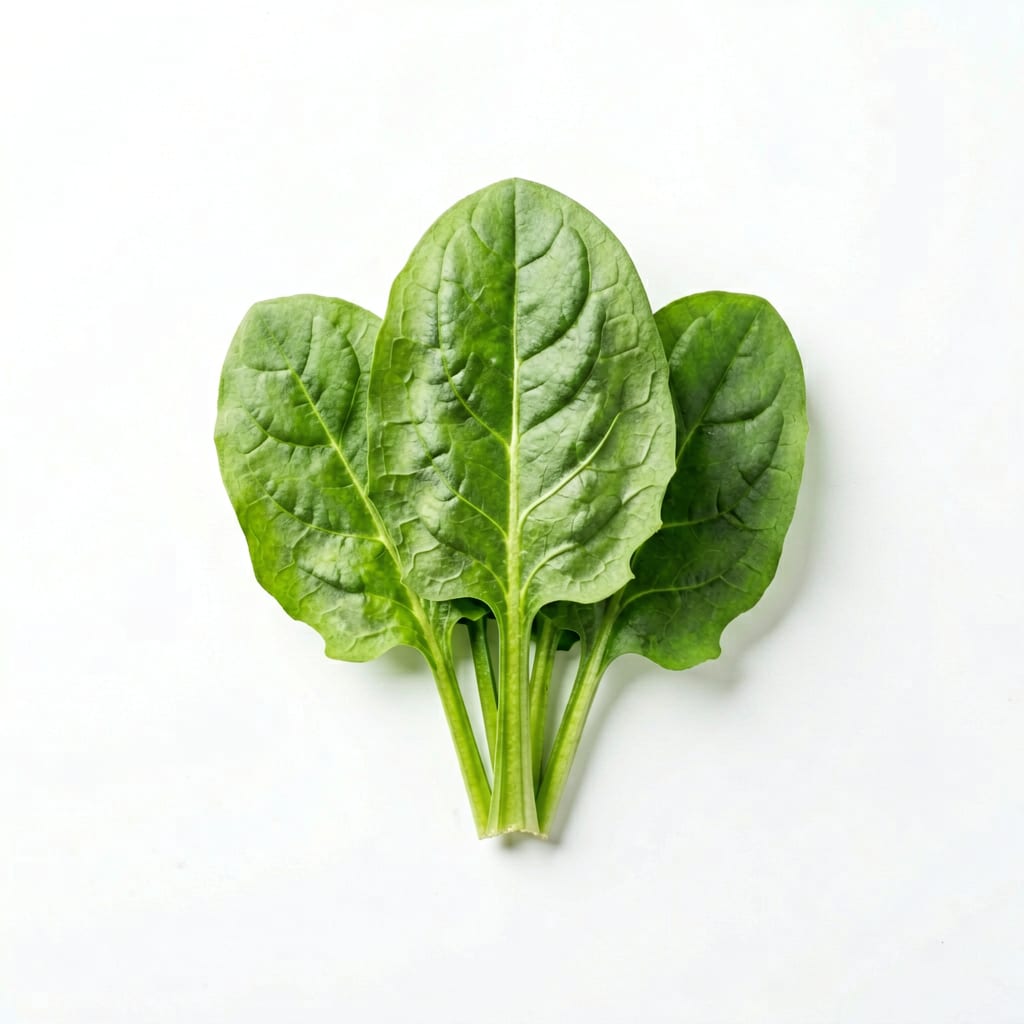
Spinach
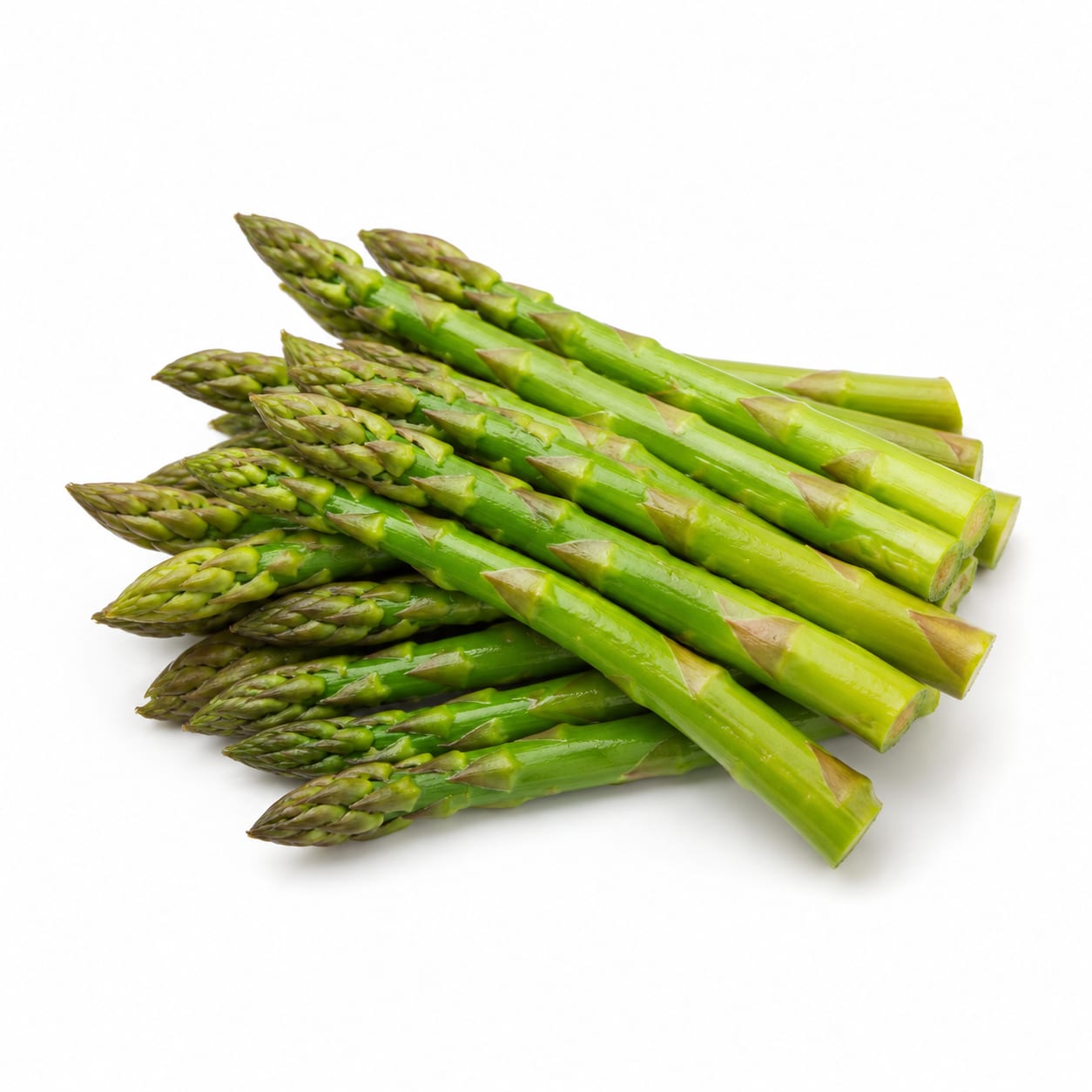
Asparagus
Spinach offers broader nutrient density and versatility, while asparagus delivers superior gut-friendly fiber and safer iron absorption.
Spinach scores slightly higher due to superior versatility and broader micronutrient coverage, but asparagus stays competitive thanks to better iron bioavailability and unique prebiotic benefits. The close scores reflect that neither is universally better.
Spinach gives you more vitamins per bite but blocks its own iron with oxalates; asparagus gives you less overall nutrition but absorbs better and feeds your gut bacteria.
At a glance
Executive summary
Overall
It depends
Healthier
It depends
More practical
Spinach
Daily use
Spinach
Key comparison lenses
nutrient density and vitamin profile
Both are nutrient powerhouses but with very different vitamin and mineral strengths
iron absorption and oxalate concerns
Spinach contains oxalates that block iron absorption, a common misconception and real tradeoff
digestive and gut health benefits
Asparagus offers unique prebiotic fiber that spinach lacks, making gut health a key differentiator
kidney stone risk from oxalates
Spinach is very high in oxalates, a serious concern for susceptible individuals
versatility and everyday practicality
Spinach is easier to incorporate into smoothies, salads, and cooked dishes; asparagus is more seasonal and side-dish oriented
Best choice for
Spinach
- People wanting maximum vitamin K and folate intake
- Anyone needing versatile greens for smoothies, salads, and cooking
- Those looking for low-calorie volume to fill meals
- Vegetarians trying to maximize nutrient diversity
Asparagus
- People prone to kidney stones who must avoid oxalates
- Anyone focused on gut health and prebiotic fiber intake
- Those wanting iron that actually absorbs efficiently
- Pregnant women needing well-absorbed folate alongside iron
Least suitable for
Spinach
- People with a history of calcium oxalate kidney stones
- Anyone on blood thinners who must monitor vitamin K closely
- Those with sensitive digestion bothered by raw leafy greens
Asparagus
- People who find its strong flavor unpleasant
- Anyone on a tight produce budget during off-season
- Those wanting a green they can eat raw in smoothies
Deep comparison
Dimension by dimension
Each lens scores both foods and breaks down who each option suits.
- Dimension 1 · Priority 92Spinach
Nutrient Density
Spinach · 88Asparagus · 76Spinach packs more vitamins and minerals per calorie, especially vitamin K, vitamin A, and manganese.
Tradeoff
Spinach wins on paper but its oxalates prevent you from absorbing much of that iron and calcium.
Why it matters
Eating nutrient-dense food only helps if your body can actually use those nutrients.
Real-world impact
A spinach salad looks incredibly nutritious, but you absorb far less iron from it than the label suggests.
Spinach
- Maximizing total vitamin intake across the board
- Getting abundant vitamin K for bone and blood health
Better for
- Overestimating actual iron and calcium absorption
- Risking kidney stones in susceptible people from oxalate load
Worse for
Asparagus
- Getting nutrients your body can actually absorb efficiently
- Avoiding the false confidence of high-oxalate nutrition labels
Better for
- Lower total vitamin content per serving
- Less vitamin A and vitamin C compared to spinach
Worse for
- Dimension 2 · Priority 85Asparagus
Digestive and Gut Health
Spinach · 65Asparagus · 88Asparagus contains inulin, a prebiotic fiber that feeds beneficial gut bacteria, while spinach offers mostly insoluble fiber.
Tradeoff
Spinach keeps things moving through your digestive tract, but asparagus actively nourishes the microbiome.
Why it matters
A healthy gut microbiome affects immunity, mood, and long-term disease risk far beyond simple digestion.
Real-world impact
Regular asparagus eaters may notice less bloating and better digestion over time, while spinach mainly helps with regularity.
Spinach
- Adding roughage to prevent constipation
- Bulking up meals with very low calorie fiber
Better for
- Does not provide significant prebiotic fiber
- Raw spinach can be hard to digest for some people
Worse for
Asparagus
- Feeding beneficial gut bacteria for long-term digestive health
- Supporting a more diverse and resilient microbiome
Better for
- Less total fiber volume per serving compared to spinach
- Can cause noticeable urine odor which bothers some people
Worse for
- Dimension 3 · Priority 82Asparagus
Iron Availability
Spinach · 45Asparagus · 78Spinach contains more iron on paper, but oxalates bind to it and block absorption. Asparagus has less iron but you absorb more of it.
Tradeoff
More iron that you cannot absorb versus less iron that actually enters your bloodstream.
Why it matters
Iron deficiency is common, especially among women, and choosing the wrong plant source can waste your dietary effort.
Real-world impact
Eating spinach for iron is one of the most common nutrition myths. Pairing it with vitamin C helps, but asparagus needs less help.
Spinach
- Situations where you pair spinach with vitamin C to boost absorption
- Getting a small iron boost alongside many other nutrients
Better for
- Oxalates can block up to 80-90% of iron absorption
- May create false confidence about meeting iron needs
Worse for
Asparagus
- Reliably increasing iron levels without needing strategic food pairing
- Avoiding the frustration of eating iron-rich food that barely absorbs
Better for
- Total iron content is modest compared to spinach
- Still a plant-based non-heme iron source with inherent absorption limits
Worse for
- Dimension 4 · Priority 80Asparagus
Kidney Stone Risk
Spinach · 35Asparagus · 85Spinach is one of the highest-oxalate foods commonly eaten, while asparagus is low in oxalates and safe for stone-formers.
Tradeoff
Spinach delivers outstanding nutrition at the cost of significant oxalate exposure; asparagus avoids this risk entirely.
Why it matters
For the roughly 10% of people who form kidney stones, high-oxalate foods are a real medical concern, not a theoretical one.
Real-world impact
If you have ever passed a kidney stone, your doctor likely told you to avoid spinach. Asparagus is almost always safe.
Spinach
- People with no history of kidney stones who tolerate oxalates well
Better for
- One of the top dietary sources of oxalates
- Boiling reduces oxalates but also reduces water-soluble vitamins
Worse for
Asparagus
- Anyone with a personal or family history of calcium oxalate kidney stones
- People who want a green vegetable without worrying about oxalate load
Better for
- No significant kidney stone concern, making this a non-issue
Worse for
- Dimension 5 · Priority 75Spinach
Versatility and Convenience
Spinach · 90Asparagus · 62Spinach works raw in smoothies, salads, and wraps, or cooked into virtually any dish. Asparagus is more limited in how you can use it.
Tradeoff
Spinach is the Swiss army knife of greens; asparagus is a more specialized ingredient with a narrower role.
Why it matters
The healthiest vegetable is the one you actually eat regularly. Versatility drives consistency.
Real-world impact
You can throw spinach into a morning smoothie without tasting it. Asparagus requires cooking and planning.
Spinach
- Blending into smoothies or green drinks undetected
- Adding to soups, stews, pasta, eggs, and stir-fries at the last minute
- Eating raw as a salad base or sandwich layer
Better for
- Can wilt and become slimy if stored too long
- Shrinks dramatically when cooked, which surprises some people
Worse for
Asparagus
- Serving as an elegant side dish for dinners
- Grilling or roasting as a standalone vegetable experience
Better for
- Cannot be eaten raw easily or blended into smoothies
- More seasonal and expensive outside of spring
- Tough woody ends require trimming and waste some of the purchase
Worse for
- Dimension 6 · Priority 70It depends
Blood Sugar Stability
Spinach · 82Asparagus · 80Both vegetables have minimal impact on blood sugar and are excellent choices for glucose management.
Tradeoff
Neither poses a blood sugar concern. The difference is negligible and should not drive your choice.
Why it matters
For people with diabetes or insulin resistance, both vegetables are safe and beneficial.
Real-world impact
You can eat generous portions of either vegetable without worrying about blood sugar spikes.
Spinach
- Slightly more magnesium which supports insulin sensitivity
Better for
- No meaningful blood sugar downside
Worse for
Asparagus
- Inulin fiber may help moderate blood sugar over time through gut health
Better for
- No meaningful blood sugar downside
Worse for
Timeline
Health impact over time
Short-term
Hours to days
Spinach
- Quick satiety from volume and fiber with almost no calories
- May cause stomach discomfort if eaten raw in large amounts
- Can make teeth feel gritty due to oxalate crystals
Asparagus
- Noticeable urine odor within hours due to asparagusic acid breakdown
- Mild diuretic effect that can help reduce water retention
- Gentle digestive support from prebiotic inulin fiber
Long-term
Months to years
Spinach
- Excellent bone and cardiovascular support from abundant vitamin K
- Potential kidney stone formation in susceptible individuals with regular high intake
- Consistent folate intake supports cell repair and healthy pregnancy
Asparagus
- Stronger gut microbiome diversity from regular prebiotic fiber consumption
- Better absorbed iron contributes to sustained energy over time
- Anti-inflammatory compounds may support reduced chronic disease risk
Risk profile
Safety & processing
Both spinach and asparagus are whole, minimally processed vegetables typically eaten close to their natural state. Neither raises processing concerns unless purchased canned or frozen with added sodium.
Spinach
Oxalate accumulation and kidney stones
highSpinach is one of the highest dietary oxalate sources. People with a history of calcium oxalate stones should limit or avoid it.
Pesticide residue
mediumSpinach consistently appears on the EWG Dirty Dozen list with frequent pesticide detections. Washing helps but does not remove all residues.
Vitamin K interference with blood thinners
mediumVery high vitamin K content can interfere with warfarin and other anticoagulant medications, requiring careful portion management.
Asparagus
Pesticide residue
lowAsparagus typically has lower pesticide residue and often appears on clean produce lists, making conventional options relatively safe.
Allergic reactions in sensitive individuals
lowRare but possible allergic reactions to asparagus have been documented, particularly in people with allergies to other lily family plants.
Urine odor confusion
lowNot a health risk, but asparagusic acid metabolites cause strong urine odor that can alarm people who are unaware it is harmless.
Who wins for whom
Audience fit
Same foods, different winners depending on your goal.
children
SpinachSpinach hides easily in smoothies, pasta sauces, and baked goods, making it far easier to feed to picky eaters who reject visible vegetables.
daily consumption
SpinachSpinach integrates into more meals throughout the day and is easier to find year-round at consistent quality and price.
diabetes
It dependsBoth have negligible glycemic impact and offer complementary benefits. Spinach adds magnesium for insulin sensitivity; asparagus adds inulin for gut-mediated glucose regulation.
elderly
AsparagusAsparagus avoids the oxalate concern common in older adults with kidney issues, and its prebiotic fiber supports the gut changes that come with aging.
muscle gain
AsparagusAsparagus provides better-absorbed iron to support oxygen delivery to muscles, and its prebiotic fiber improves nutrient absorption overall.
weight loss
SpinachSpinach provides more volume per calorie and can be added to almost any meal, making it easier to eat large satisfying portions while staying in a deficit.
Your move
Decision guide
Choose Spinach
- You want a versatile green that works in smoothies, salads, and cooked dishes
- You have no history of kidney stones and tolerate oxalates well
- You are trying to increase meal volume without adding calories
- You need an easy way to boost vitamin K and folate intake across many meals
Choose Asparagus
- You have a history of kidney stones or want to minimize oxalate intake
- Gut health and microbiome support are top priorities for you
- You want iron from a vegetable that your body can actually absorb
- You enjoy cooking and appreciate a vegetable with distinct flavor and texture
Either works if
- You simply want more vegetables in your diet and enjoy both
- You are focused on blood sugar management where both perform equally well
- You are eating a varied diet that rotates through different vegetables weekly
Avoid both if
- You are on a strict low-fiber diet for acute digestive conditions
- You have specific allergies to either vegetable
Final recommendation
Eat both, but let your health context decide the ratio. If kidney stones are a concern, lean heavily toward asparagus. If you want maximum everyday versatility, spinach wins. The ideal approach is rotating between them to get spinach's vitamin density and asparagus's gut benefits without overloading on oxalates.
Practical
Consumer tips
- 1
Boil spinach and discard the water to reduce oxalate content by 30-87%, though you will lose some water-soluble vitamins
- 2
Pair spinach with lemon juice or bell peppers to add vitamin C, which significantly improves iron absorption
- 3
Choose organic spinach when possible since it consistently ranks high for pesticide residue
- 4
Snap asparagus stems at the natural bend point rather than cutting to avoid woody tough ends
- 5
Store asparagus upright in water like flowers to keep it crisp for several days longer
- 6
Freeze spinach in portions for smoothies if you cannot use it before it wilts
- 7
Roast asparagus with olive oil at high heat to bring out natural sweetness without masking its flavor