
Whole Grain
Spelt
An ancient whole grain related to wheat that offers high fiber and protein with a nutty flavor.
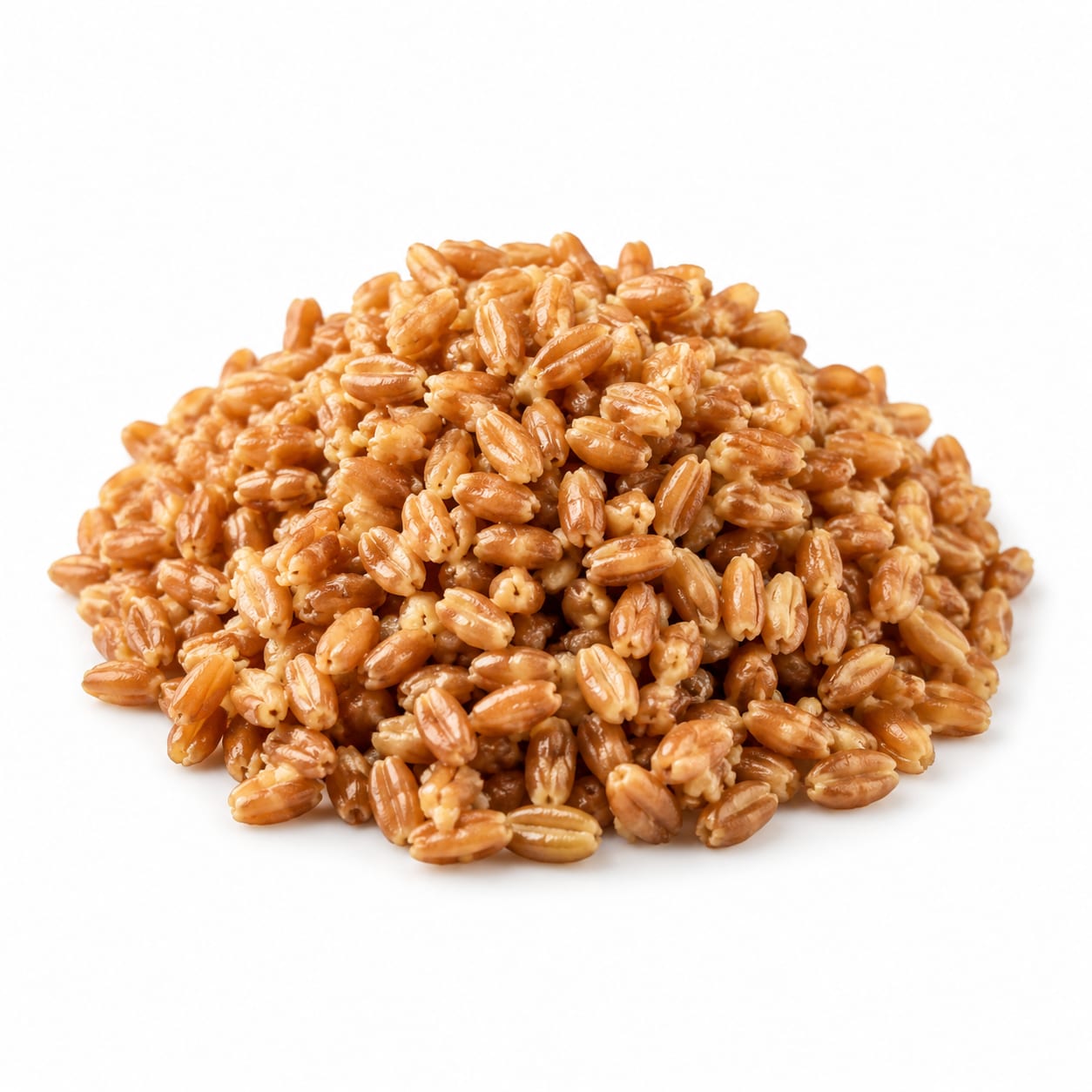
Spelt is an ancient whole grain closely related to wheat, recognized for its nutty flavor and chewy texture. It is commonly used in baking, grain bowls, and as a nutritious rice alternative.
fiber-rich ancient whole grain carbohydrate
Typical serving · 45g
Common varieties · Whole Spelt Berries, Spelt Flour (Light), Spelt Flour (Whole Grain), Sprouted Spelt, Pearled Spelt
Overall context score across nutrition, safety, and diet fit
At a glance
Quick facts
Simple indicators based on nutrition, processing, and diet fit.
The story
What makes it unique
Spelt provides a moderate glycemic carbohydrate source with significant dietary fiber and plant protein. Its digestion speed is slower than refined wheat due to the intact bran, which improves satiety. It contains gluten, though its gluten matrix is more fragile and water-soluble than modern wheat, making it easier to knead but unsuitable for celiacs.
Varieties: Whole Spelt Berries · Spelt Flour (Light) · Spelt Flour (Whole Grain) · Sprouted Spelt · Pearled Spelt
Per 100g
Nutrition breakdown
Macro balance and key metrics at a glance.
Energy
Density 3.38 kcal/g
Protein
Carbs
Fat
Fiber
Sugar
0.6 g
Sodium
5 mg
Potassium
330 mg
Glycemic index
55
Glycemic load
38
Water content
11%
Standout compounds
Nutrient highlights
Manganese
highSupports bone formation and metabolism
Dietary Fiber
highPromotes digestive regularity and gut microbiome health
Phosphorus
moderateEssential for bone health and cellular repair
Niacin (Vitamin B3)
moderateAids in converting food to energy
Wellness map
Health scores & processing
NOVA processing scale
Minimally processed · Whole food
Whole spelt berries are unprocessed seeds of the grass. Spelt flour is a processed derivative but typically retains more nutrients than refined white flour.
Diet compatibility
- Weight loss
- Muscle gain
- Diabetes
- Gut health
- Low carb
- High protein
- Heart health
Relative standing
Food rankings
Qualitative ranks compared to similar whole foods.
- Satietygood
- Blood sugarmoderate
- Nutrient densitygood
- Fitness fuelgood
- Processing qualityexcellent
Eat with confidence
Food safety profile
Spelt is generally safe, but conventional farming practices may involve pre-harvest desiccation with herbicides. Choosing organic spelt reduces this exposure.
Evidence confidence 85%
- Pesticidesmoderate
- Antibioticslow
- Heavy metalslow
- Contaminationlow
Watch for
- Mycotoxins
- Glyphosate residues
Safer choices
Organic whole spelt berries
Prep tips
Rinse spelt berries thoroughly under cold water before cooking to remove dust and potential agricultural residues.
Conventional wheat and spelt crops are often pre-harvest treated with glyphosate, increasing residue risk.
Deep dive
Health analysis
How this food may fit different goals and preparation choices.
Weight loss
High fiber content slows gastric emptying, promoting prolonged satiety, though portion control is needed due to high caloric density.
Blood sugar
Whole spelt has a moderate glycemic index, causing steadier blood sugar rises compared to refined grains, but large servings can spike glucose.
Fitness & energy
Provides sustained complex carbohydrates ideal for glycogen replenishment in endurance sports or heavy training.
Gut health
Rich in insoluble fiber which adds bulk to stool and feeds beneficial gut bacteria, supporting regular bowel movements.
Processing quality
Whole spelt berries are minimally processed; spelt flour varies in refinement, with whole grain versions retaining the bran and germ.
Food safety
Primary concern is gluten content for those with celiac disease, plus potential glyphosate residues in conventionally grown crops.
Common mistakes
Assuming spelt is gluten-free; it contains gluten and is unsafe for those with celiac disease or severe gluten intolerance.
Best preparation
Soak spelt berries overnight, then simmer in water or broth for a chewy, nutritious base for grain bowls and salads.
Practical guide
Best use cases
When and how this food fits real eating patterns.
Post-workout carb replenishment
Provides complex carbohydrates to restock glycogen stores after intense exercise.
High-fiber grain bowl base
Chewy spelt berries add texture, fiber, and plant protein to vegetable and protein grain bowls.
Nutritious baking alternative
Whole spelt flour can replace wheat flour for a denser, nuttier, and slightly more nutritious baked good.
Balance sheet
Pros & cons
Upsides
- High in dietary fiber supporting digestion
- Contains more protein than conventional wheat
- Rich in micronutrients like manganese and niacin
- Lower glycemic impact than refined grains
- Versatile for cooking and baking
Trade-offs
- Contains gluten, unsuitable for celiacs
- High in carbohydrates, not ideal for low-carb diets
- Calorie-dense, requiring portion awareness
- Can be harder to find than standard wheat products
- Takes longer to cook than refined grains
Fit check
Who is it for?
Great match
- endurance athletes carb-loading
- plant-based diet fiber supplementation
- whole grain baking
Consider alternatives
- celiac disease or gluten intolerance
- strict ketogenic diets
- low-calorie volume eating
Side by side
How it compares
Open the full head-to-head analysis for nutrition, safety, and practical tradeoffs.
This food
Spelt
VS95% alike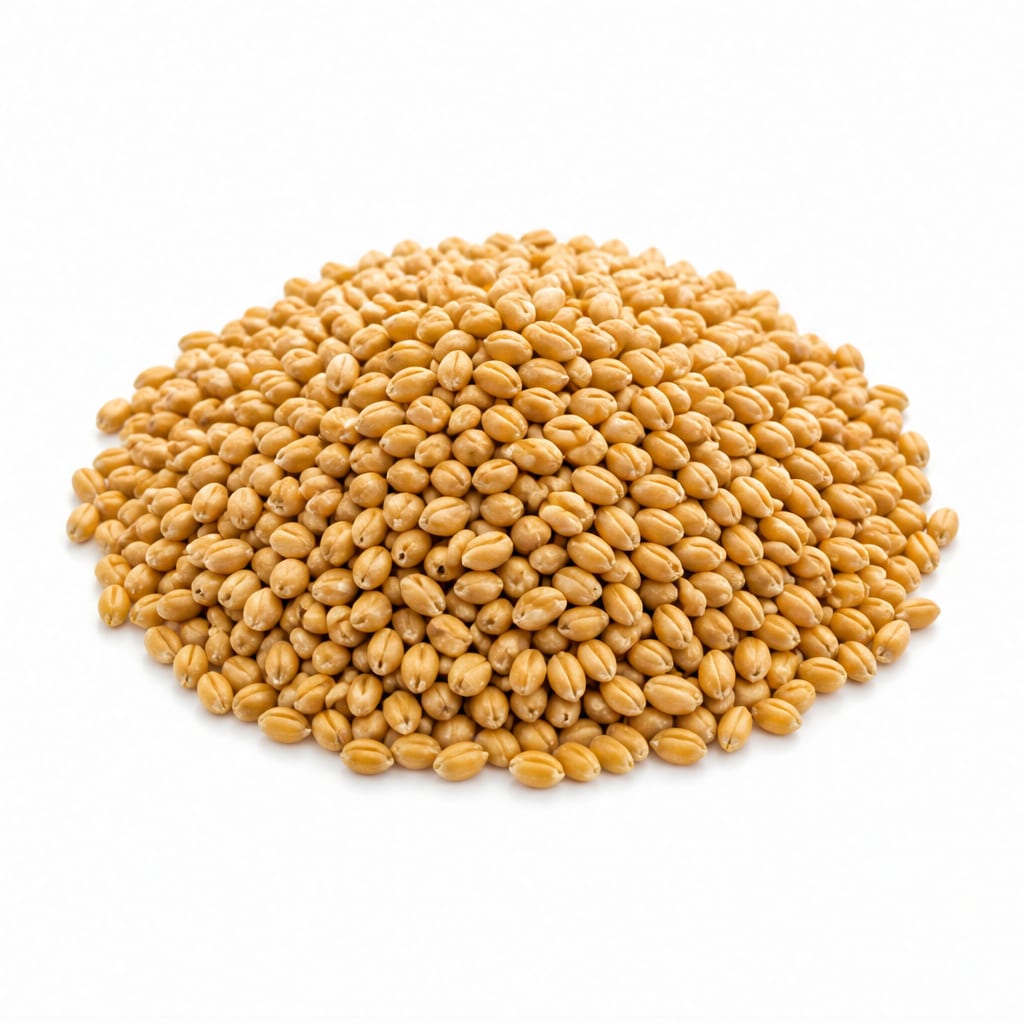
Compare with
Wheat Berries
Wheat berries are nearly identical nutritionally but spelt offers slightly more fiber and a nuttier flavor.
Spelt edges out wheat berries for weight loss and blood sugar due to slightly higher fiber, but both offer similar fitness fuel.
This food
Spelt
VS90% alike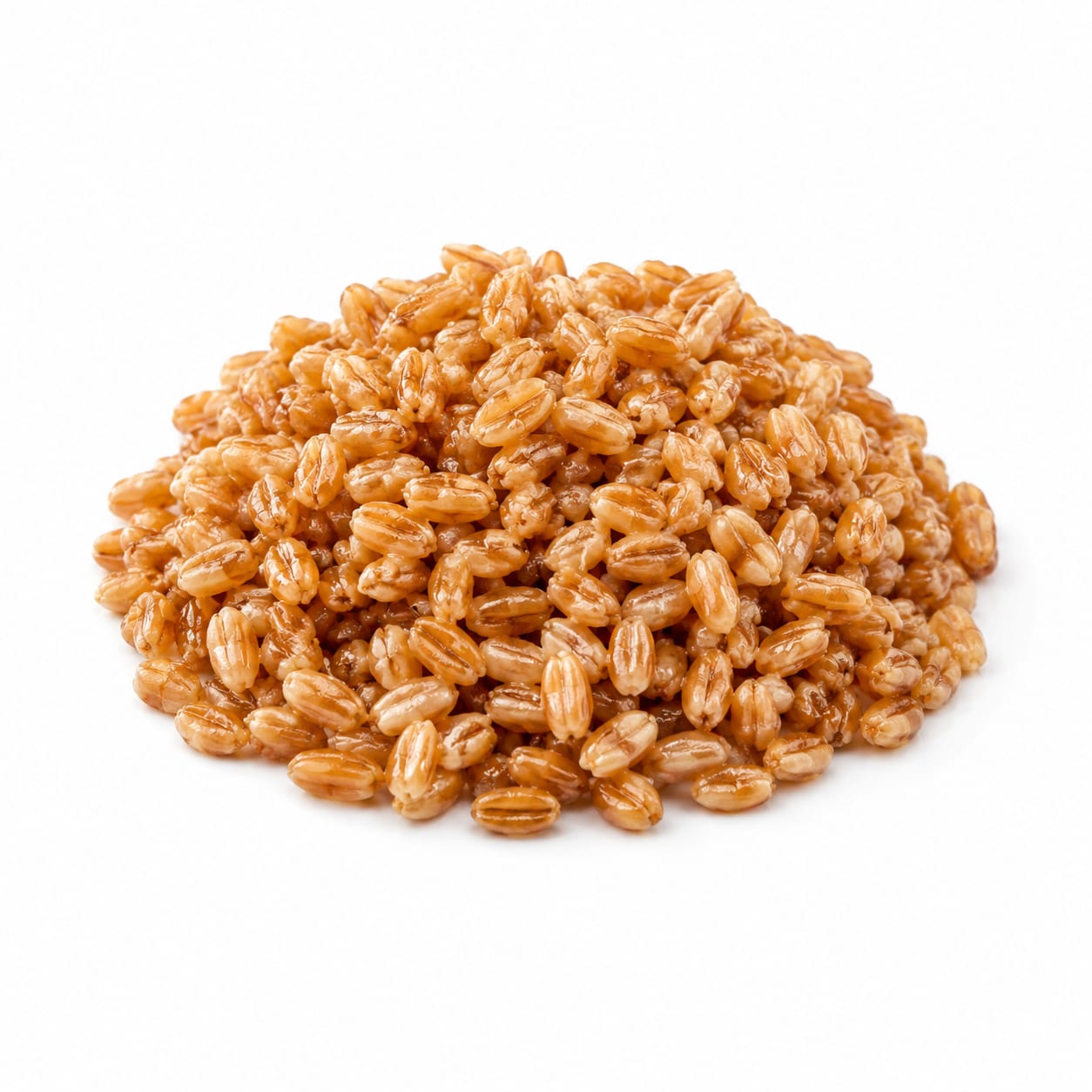
Compare with
Farro
Farro and spelt are closely related ancient wheat species; spelt usually has slightly more protein and fiber.
Spelt and farro are very similar, but spelt typically provides slightly more protein and fiber for better satiety.
This food
Spelt
VS75% alike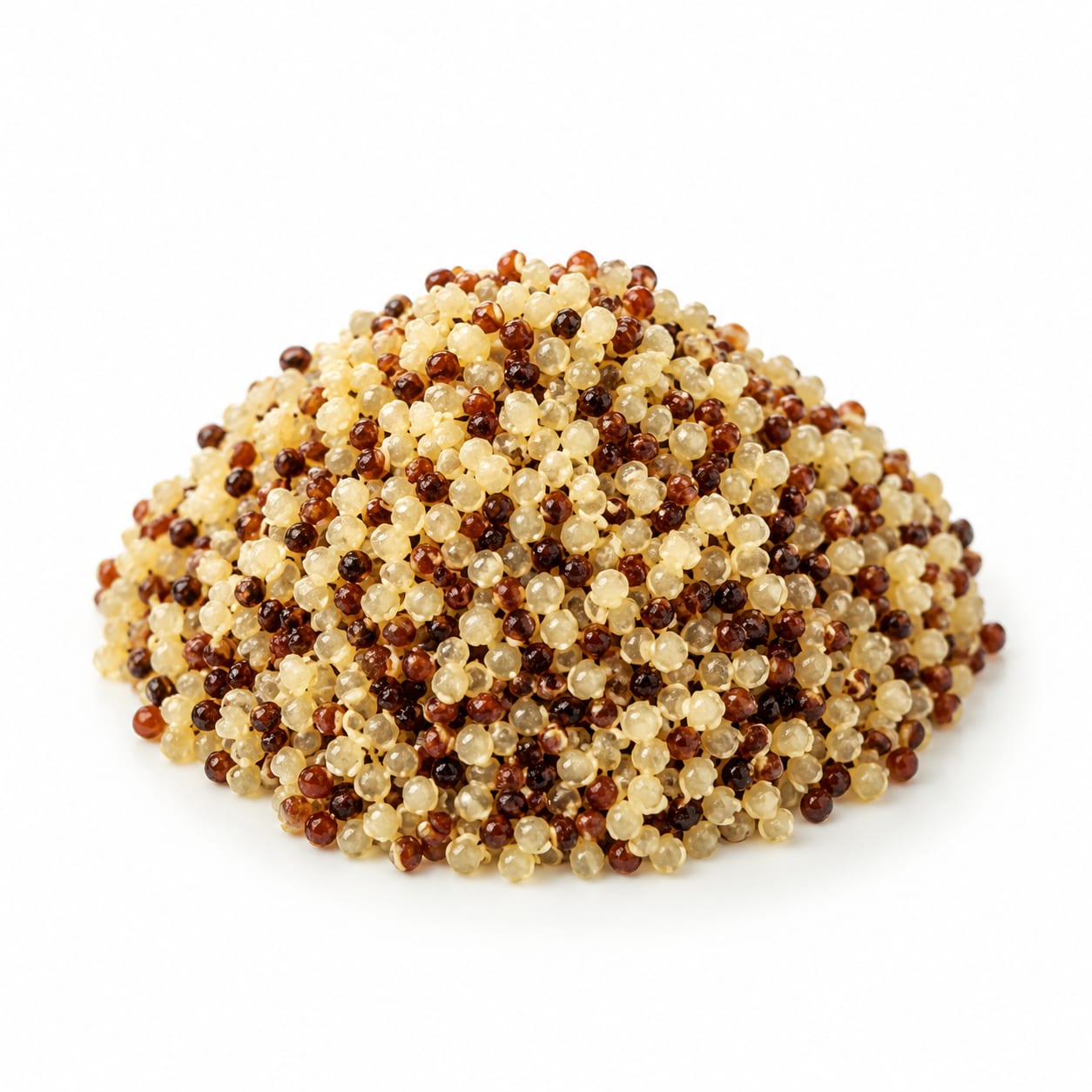
Compare with
Quinoa
Quinoa is a complete protein and gluten-free, while spelt offers more overall carbohydrates and fiber.
Quinoa wins for blood sugar control and being gluten-free, while spelt provides more dense carbs for energy.
This food
Spelt
VS70% alike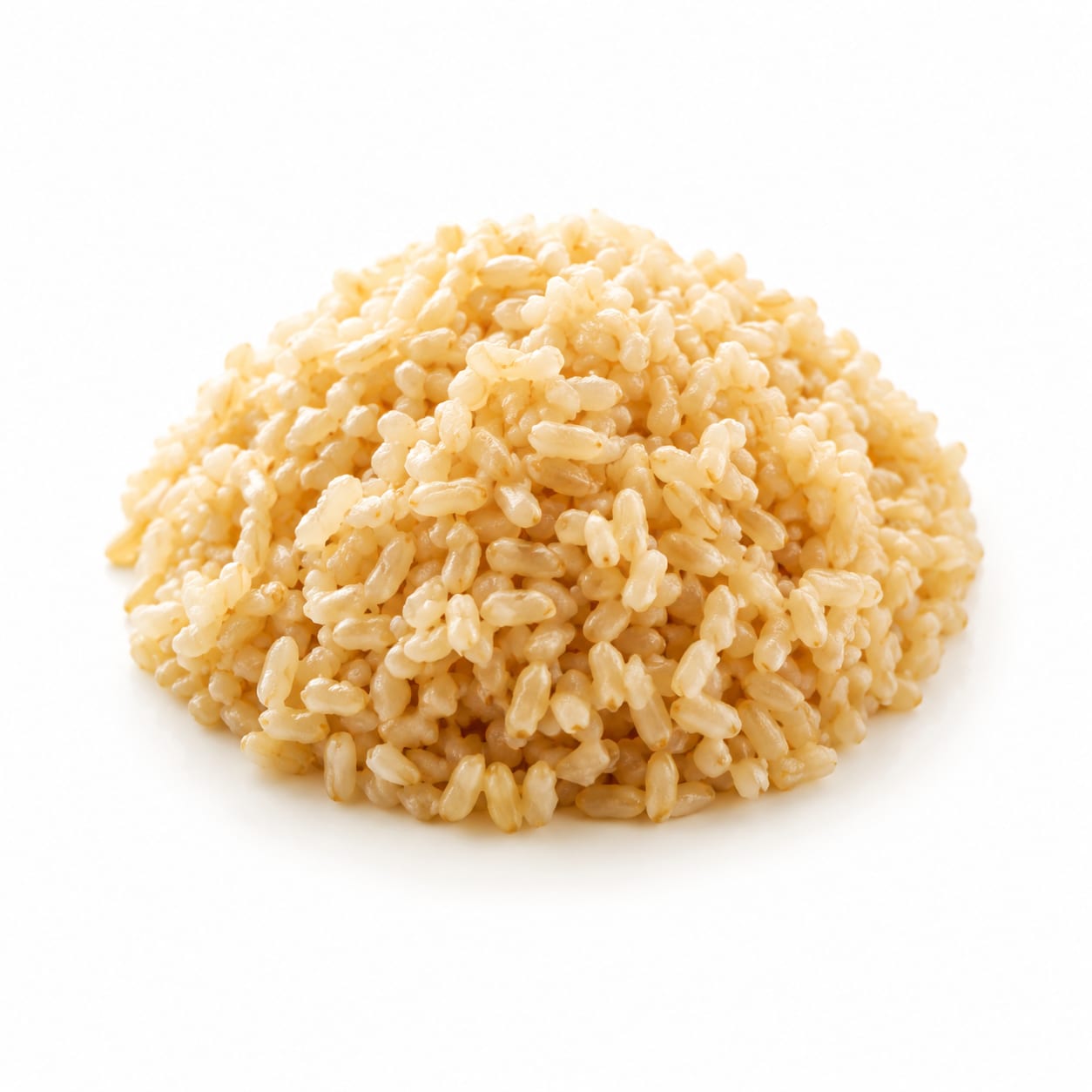
Compare with
Brown Rice
Brown rice is gluten-free and lower in calories, but spelt provides significantly more protein and fiber.
Brown rice is lower calorie and gluten-free, but spelt offers superior protein and fiber for satiety and muscle support.
This food
Spelt
VS75% alike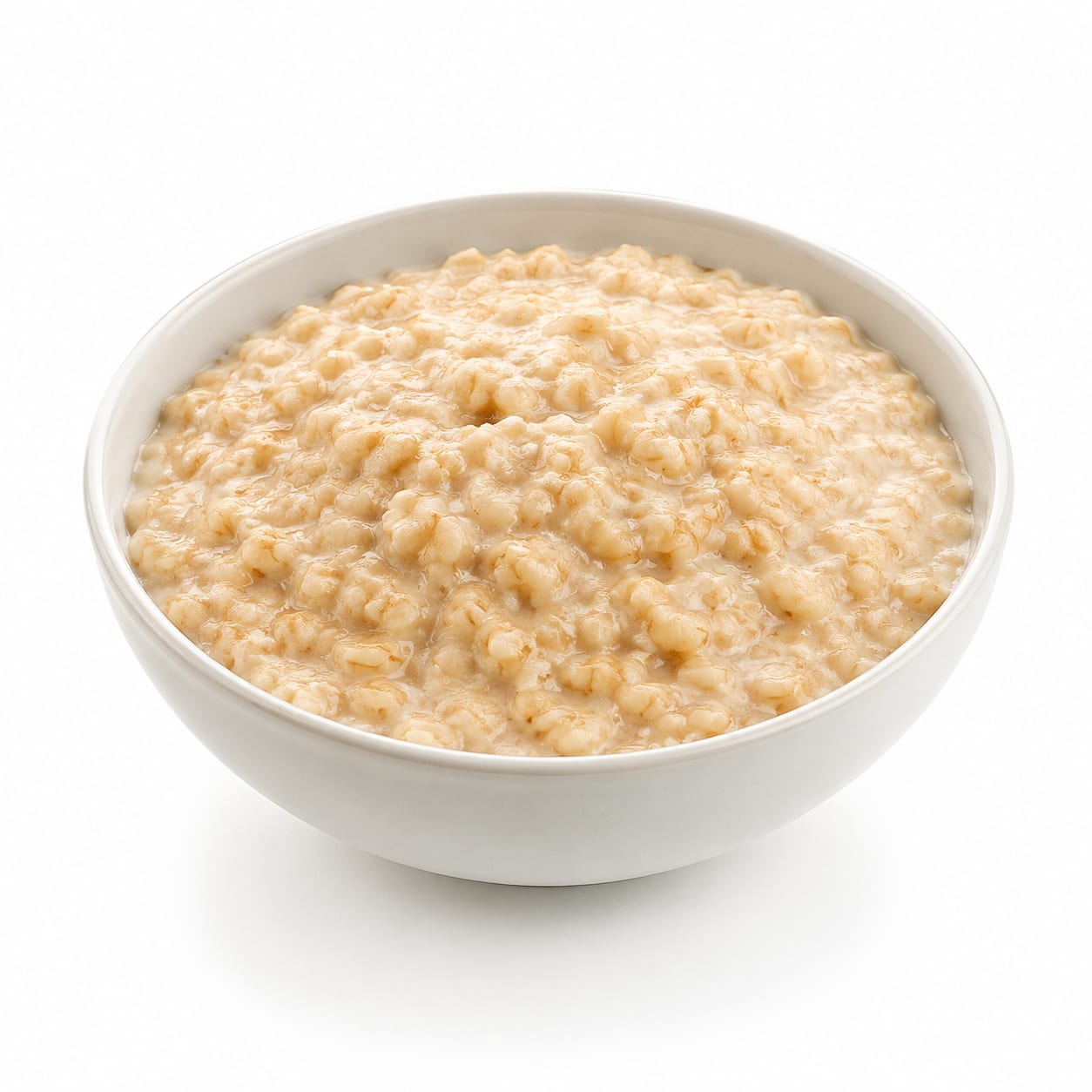
Compare with
Oats
Oats contain beta-glucan for heart health and are naturally gluten-free (if certified), whereas spelt offers chewier texture and more carbs.
Oats are better for satiety and blood sugar due to beta-glucan, while spelt provides denser complex carbs for heavy workout fuel.
This food
Spelt
VS80% alike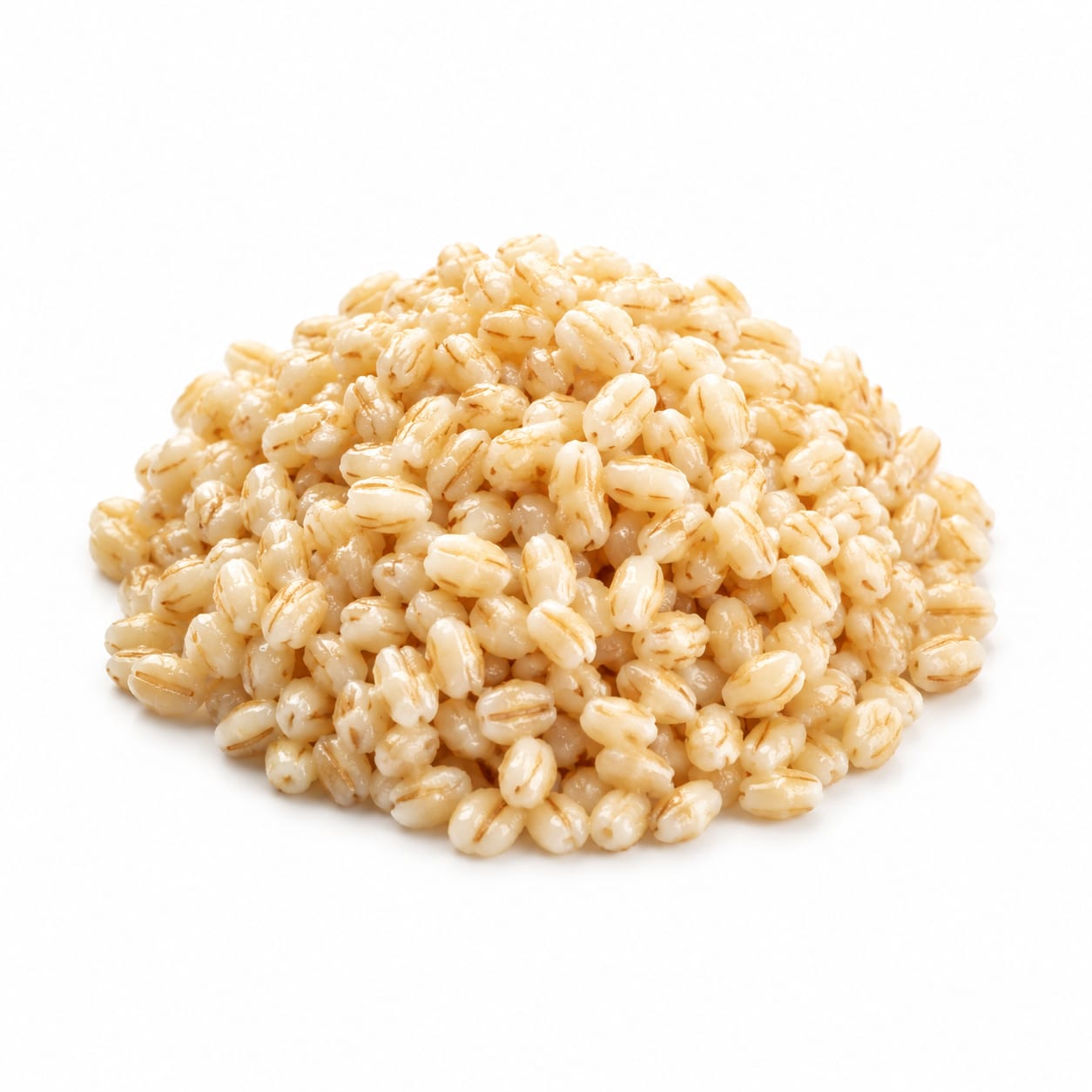
Compare with
Barley
Barley is extremely high in soluble fiber, lowering cholesterol more effectively, while spelt has a milder flavor and more protein.
Barley beats spelt for blood sugar control and satiety due to its exceptional soluble fiber, but spelt is better for baking.
This food
Spelt
VS85% alike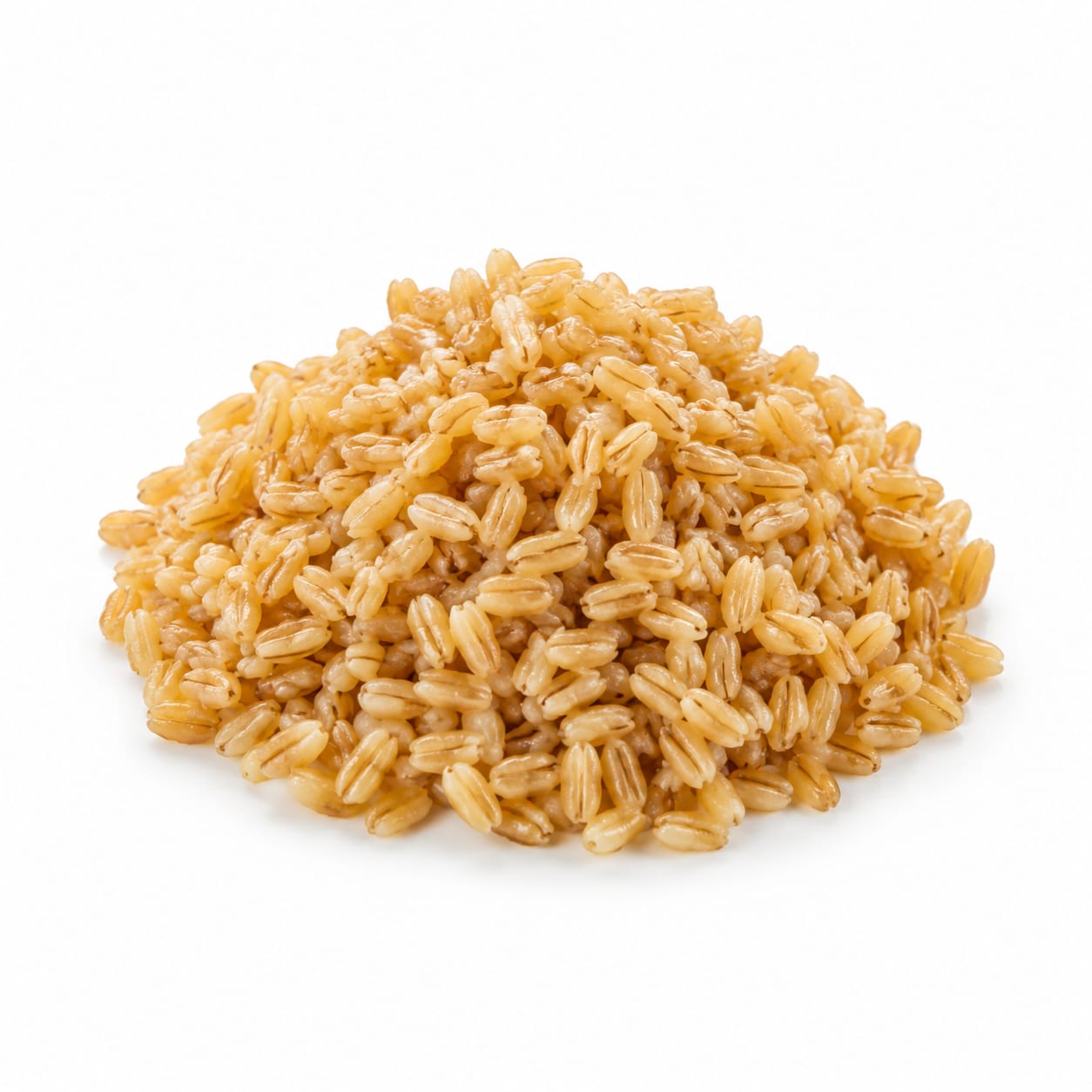
Compare with
Kamut
Kamut is larger and sweeter than spelt, with slightly more protein and selenium, while spelt is easier to bake with.
Kamut offers slightly more protein and selenium, but spelt has a lower glycemic impact and is more versatile for baking.
This food
Spelt
VS60% alike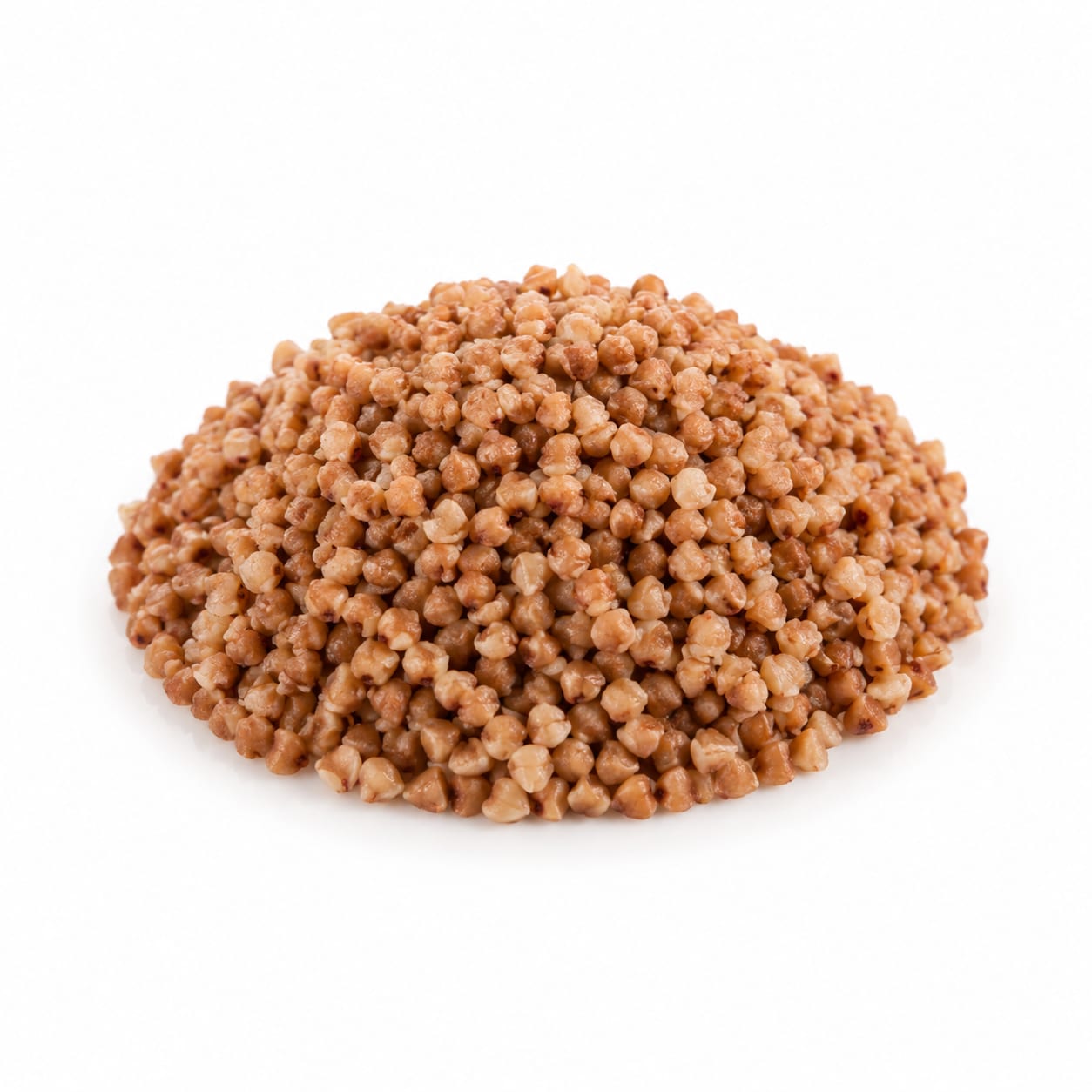
Compare with
Buckwheat
Buckwheat is gluten-free and richer in antioxidants, while spelt provides more carbohydrates and a traditional wheat-like baking profile.
Buckwheat is the clear choice for gluten-free diets and blood sugar, while spelt is better for traditional baking and carb-loading.
This food
Spelt
VS65% alike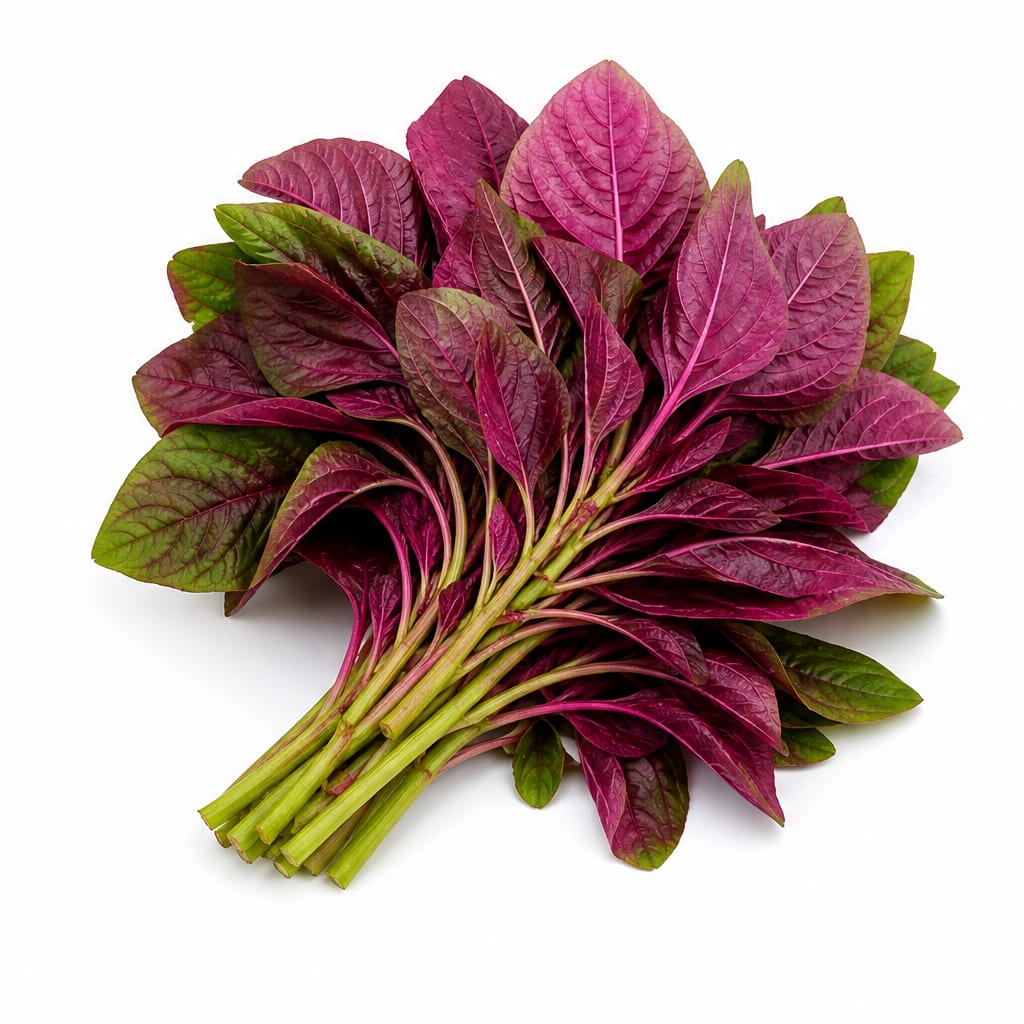
Compare with
Amaranth
Amaranth is a complete protein and gluten-free, whereas spelt is a true grain with gluten suitable for bread making.
Amaranth provides complete protein without gluten, making it healthier for diabetics, while spelt is superior for yeast baking.
This food
Spelt
VS65% alike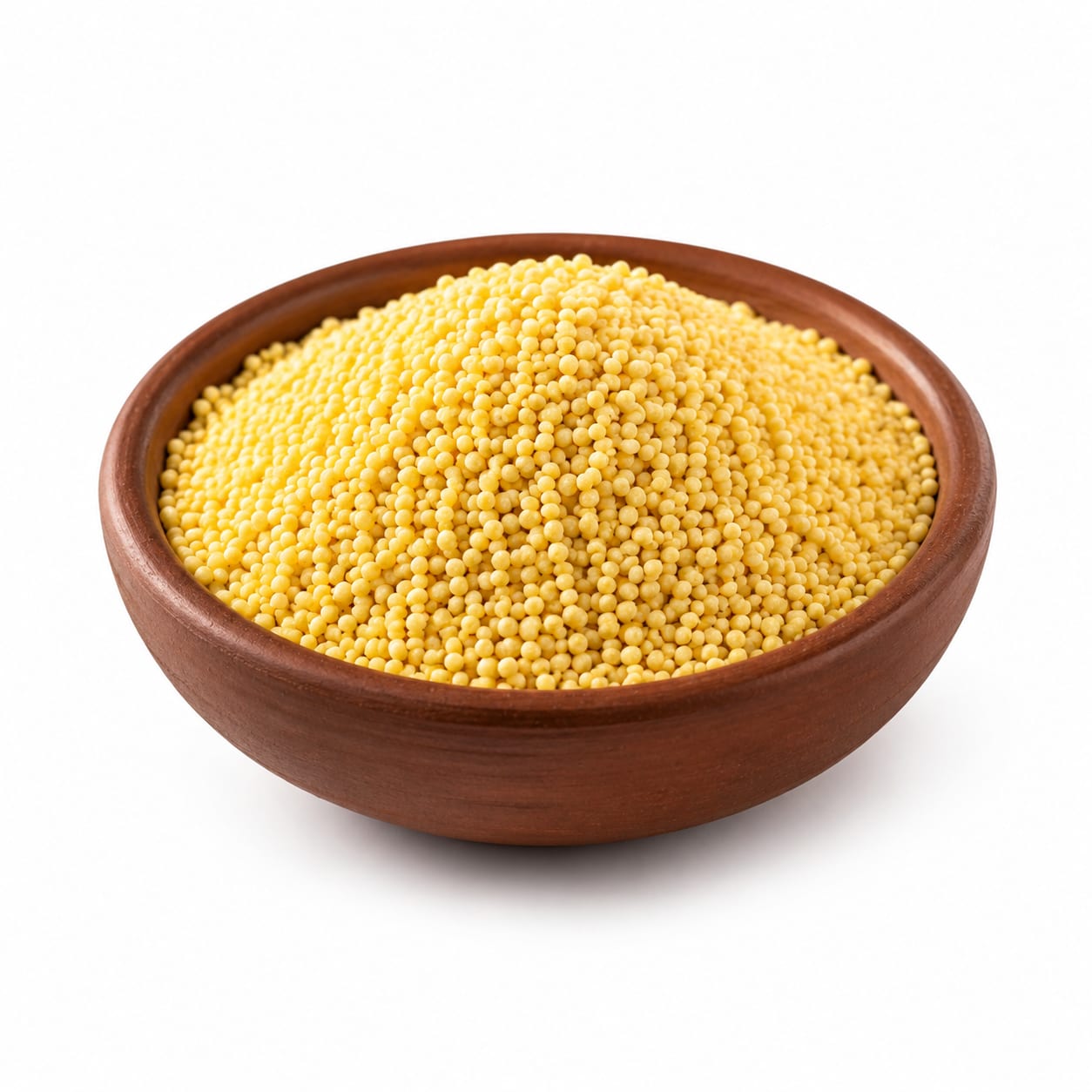
Compare with
Millet
Millet is an alkaline, gluten-free grain with a lighter texture, while spelt is denser, higher in protein, and contains gluten.
Millet is a lighter, gluten-free alternative better for blood sugar, while spelt offers more protein and dense carbs for athletes.
Common questions
FAQ
Answers aligned with how people search for this food.
Is spelt gluten free?
No, spelt contains gluten. It is an ancient species of wheat and is not safe for individuals with celiac disease or severe gluten intolerance.
Is spelt healthier than wheat?
Spelt offers slightly more protein and fiber than modern wheat, making it more satiating. However, both are nutritious whole grains when consumed in their unrefined form.
Can diabetics eat spelt?
Yes, whole spelt has a moderate glycemic index and high fiber, which helps manage blood sugar when portioned correctly. Refined spelt flour should be limited.
Is spelt good for weight loss?
Its high fiber content increases fullness, which can help with weight loss. However, it is calorie-dense, so portion control is necessary.
Does spelt cause inflammation?
Whole spelt is generally anti-inflammatory due to its fiber and micronutrients. However, for those with gluten sensitivity or celiac disease, it causes significant inflammation.
How do you cook spelt berries?
Soak them overnight, then simmer in water or broth for about 45-60 minutes until tender but chewy. Unsoaked berries take up to 90 minutes.
Is spelt keto friendly?
No, spelt is high in carbohydrates and is not suitable for a ketogenic diet.
Can I substitute spelt flour for all-purpose flour?
Yes, but spelt flour absorbs less water and has weaker gluten. You may need less liquid, and baked goods will be denser and slightly more crumbly.
Transparency
Data confidence
Estimated confidence for nutrition data, interpretation, safety notes, and comparisons.
Nutrition data
Health analysis
Food safety
Comparisons