
Nutrition comparison
Spelt vs Kamut: Which Ancient Grain is Healthier?
Compare Spelt and Kamut ancient grains. Discover which is better for protein, fiber, baking, and digestion, and find out which one fits your diet best.
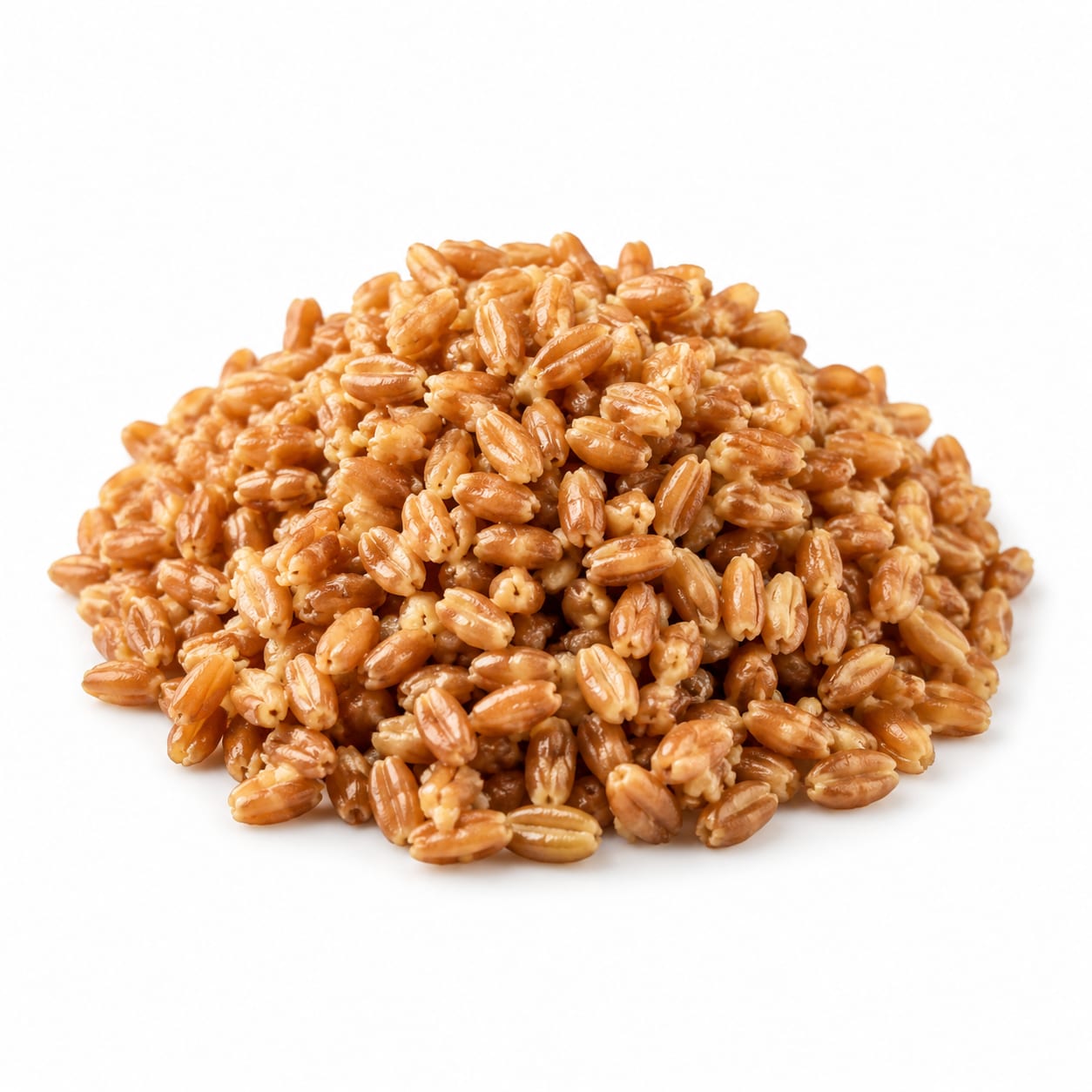
Spelt
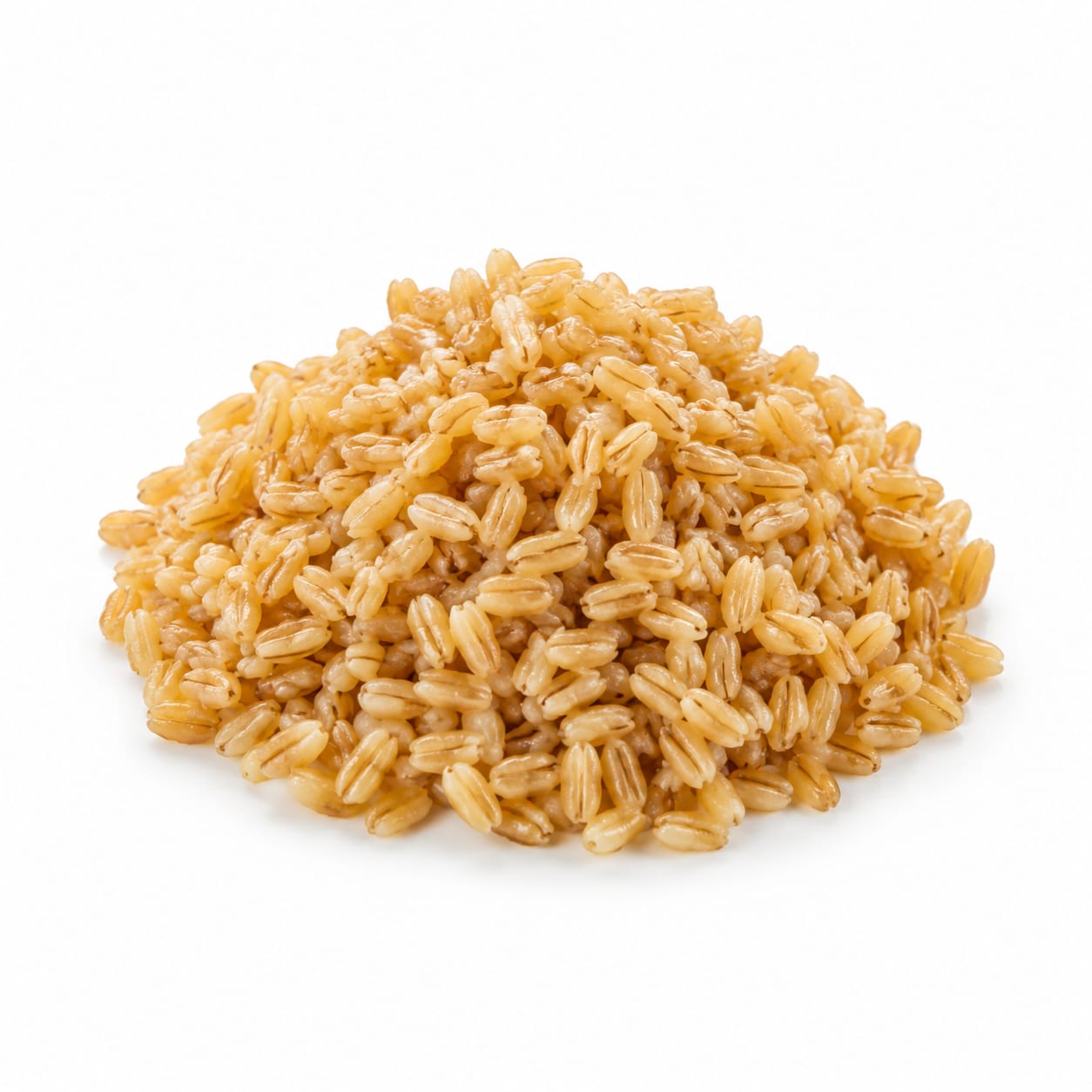
Kamut
Kamut edges ahead in protein and minerals, while Spelt offers more fiber and easier baking.
Kamut scores slightly higher due to its superior protein and mineral profile, but Spelt remains highly competitive with its fiber content and accessibility.
Higher protein and selenium in Kamut versus better fiber and wider availability in Spelt.
At a glance
Executive summary
Overall
It depends
Healthier
Kamut
More practical
Spelt
Daily use
It depends
Key comparison lenses
Ancient grain nutritional superiority
Users comparing these two are specifically seeking nutrient-dense alternatives to modern wheat.
Digestive tolerance and gluten sensitivity
Both are ancient wheats often chosen by people with mild modern wheat sensitivities, making digestibility a key decision factor.
Culinary and baking performance
Home cooks need to know how these flours behave differently in recipes compared to standard wheat.
Blood sugar management
Fiber content variations between the grains impact glucose response, which matters for daily energy.
Best choice for
Spelt
- Budget-conscious bakers
- Those prioritizing higher fiber intake
- People wanting a lighter texture in baked goods
Kamut
- Athletes needing more plant protein
- Those seeking a selenium and zinc boost
- People with mild non-celiac wheat sensitivity
Least suitable for
Spelt
- Those needing high protein from grains
- People looking for a robust, chewy grain bowl
Kamut
- Strict budget shoppers
- Those needing a direct 1:1 wheat flour substitute for delicate baking
Deep comparison
Dimension by dimension
Each lens scores both foods and breaks down who each option suits.
- Dimension 1 · Priority 95Kamut
Protein & Mineral Density
Spelt · 75Kamut · 90Kamut delivers significantly more protein per serving, along with higher selenium and zinc.
Tradeoff
You pay a premium for Kamut's nutrient density compared to Spelt.
Why it matters
More protein keeps you fuller longer, and selenium supports thyroid and immune health.
Real-world impact
A Kamut grain bowl will sustain your energy better through a busy afternoon than Spelt.
Spelt
- Casual side dishes where protein isn't the focus
Better for
- Muscle-building diets
Worse for
Kamut
- Post-workout meals
- Vegetarians boosting protein intake
- Immune support during winter
Better for
- Tight grocery budgets
Worse for
- Dimension 2 · Priority 85Spelt
Fiber & Blood Sugar Control
Spelt · 85Kamut · 75Spelt generally contains more fiber, leading to a slower release of carbohydrates.
Tradeoff
Kamut's higher protein helps blood sugar too, but Spelt's fiber gives it a slight edge for steady energy.
Why it matters
Higher fiber means fewer afternoon energy crashes and better digestive regularity.
Real-world impact
Spelt toast for breakfast is less likely to cause a mid-morning sugar dip.
Spelt
- Diabetics managing blood sugar
- People with sluggish digestion
Better for
- Low-fiber diet requirements post-surgery
Worse for
Kamut
- Those who get enough fiber from other sources
Better for
- Blood sugar management without sufficient fiber
Worse for
- Dimension 3 · Priority 90It depends
Digestive Tolerance & Gluten
Spelt · 80Kamut · 80Spelt has more fragile, water-soluble gluten, while Kamut is often tolerated better by those with mild wheat sensitivities.
Tradeoff
Neither is safe for celiacs, but both are often easier to digest than modern wheat for different reasons.
Why it matters
Bloating and fatigue after eating wheat can ruin your afternoon.
Real-world impact
If modern wheat makes you sluggish, trying Kamut might be a game-changer, while Spelt might be gentler on a sensitive stomach due to its softer gluten.
Spelt
- People who find modern wheat too heavy but want to bake
Better for
- Anyone with celiac disease
Worse for
Kamut
- Those with mild non-celiac wheat sensitivity
Better for
- Anyone with celiac disease
Worse for
- Dimension 4 · Priority 80Spelt
Culinary Versatility & Availability
Spelt · 88Kamut · 72Spelt flour is widely available and behaves closer to modern wheat in baking, whereas Kamut is denser and harder to find.
Tradeoff
Kamut's rich, buttery flavor is amazing for hearty breads, but Spelt is far more forgiving in cakes and pastries.
Why it matters
A grain is only healthy if you actually enjoy cooking and eating it.
Real-world impact
You can easily swap Spelt flour into your favorite pancake recipe; Kamut requires recipe adjustments.
Spelt
- Weekend baking projects
- Light pastries and cakes
Better for
- Creating a chewy, dense artisan loaf
Worse for
Kamut
- Artisan bread baking
- Hearty winter grain bowls
Better for
- Quick weeknight baking with limited time
Worse for
Timeline
Health impact over time
Short-term
Hours to days
Spelt
- Gentle on digestion due to soluble gluten
- Steady energy from higher fiber content
Kamut
- High satiety from dense protein
- Rich, nutty flavor makes meals more satisfying
Long-term
Months to years
Spelt
- Improved bowel regularity
- Better blood sugar management over time
Kamut
- Stronger immune function from selenium
- Better muscle maintenance with age
Risk profile
Safety & processing
Both Spelt and Kamut are ancient grains typically sold as whole grains or whole grain flour with no additives.
Spelt
Gluten content
highContains gluten; unsafe for anyone with celiac disease or severe gluten intolerance.
Kamut
Gluten content
highContains gluten; unsafe for anyone with celiac disease despite being an ancient wheat.
Who wins for whom
Audience fit
Same foods, different winners depending on your goal.
children
SpeltSpelt's lighter texture in baked goods is usually more appealing to kids, and its fiber supports healthy digestion.
daily consumption
SpeltSpelt is more affordable, easier to find, and more versatile for everyday cooking and baking.
diabetes
SpeltThe extra fiber in Spelt slows down glucose absorption, preventing sharp blood sugar spikes.
elderly
KamutKamut's higher selenium and zinc content supports immune health and muscle preservation in older adults.
muscle gain
KamutKamut provides significantly more protein per serving, supporting muscle repair and growth.
weight loss
SpeltSpelt's higher fiber content promotes greater fullness and steadier blood sugar, helping control cravings.
Your move
Decision guide
Choose Spelt
- You bake frequently and need a reliable wheat alternative
- You want to increase your daily fiber intake
- You are shopping on a budget
Choose Kamut
- You want to maximize protein and minerals from your grains
- You find modern wheat causes bloating but love the texture of wheat
- You are making artisan breads or robust grain salads
Either works if
- You are looking for a nutrient-dense alternative to modern wheat
- You want an ancient grain with a delicious nutty flavor
Avoid both if
- You have celiac disease or a severe gluten allergy
Final recommendation
Choose Spelt for everyday baking, better fiber, and budget-friendliness. Opt for Kamut when you need a protein punch, a rich buttery flavor for artisan bread, or if modern wheat upsets your stomach.
Practical
Consumer tips
- 1
Always buy whole grain versions of Spelt or Kamut to get the full fiber and mineral benefits.
- 2
If baking with Kamut flour, add a little extra liquid as it absorbs more than modern wheat.
- 3
Spelt dough requires less kneading than wheat dough because its gluten breaks down more easily.
- 4
Try Kamut berries in a salad; they have a uniquely chewy, satisfying texture.