
Nutrition comparison
Spelt vs Quinoa: Which Ancient Grain Is Healthier?
Compare Spelt and Quinoa on protein, gluten, digestion, and cooking uses. Find out which grain is better for weight loss, baking, and daily meals.
Overall winner · Quinoa
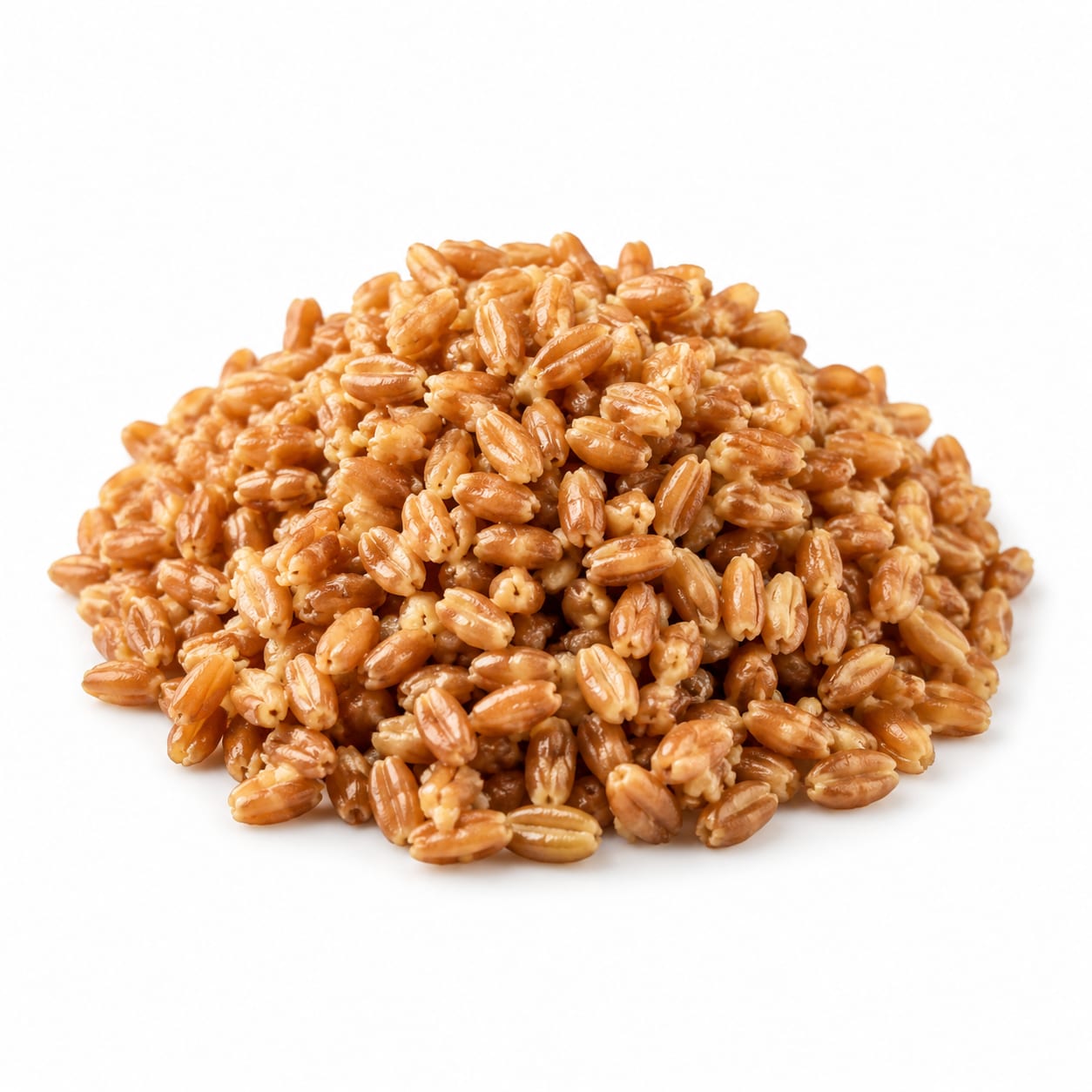
Spelt
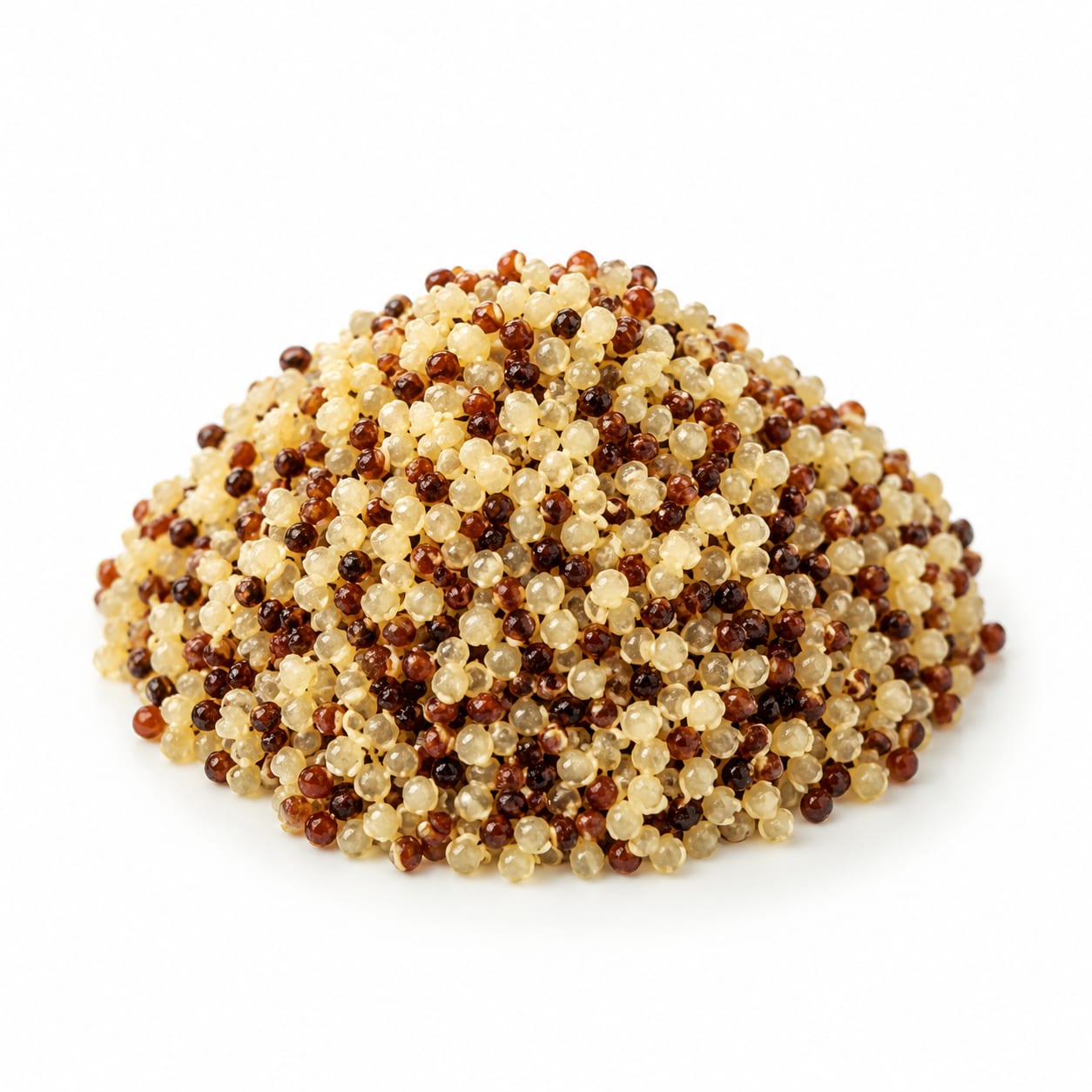
Quinoa
Quinoa edges out Spelt for its complete protein and gluten-free nature, though Spelt offers a superior baking experience for those who tolerate gluten.
Quinoa scores higher due to its complete amino acid profile and gluten-free status, making it suitable for a wider audience. Spelt remains a strong choice for baking and hearty meals but is held back by its gluten content.
Complete protein and gluten-free digestion versus superior baking texture and a heartier, chewier bite.
At a glance
Executive summary
Overall
Quinoa
Healthier
Quinoa
More practical
Quinoa
Daily use
Quinoa
Key comparison lenses
Gluten tolerance and digestive safety
Spelt contains gluten while Quinoa is naturally gluten-free, making this the primary deciding factor for many consumers.
Protein completeness for plant-based diets
Quinoa is a rare plant-based complete protein, whereas Spelt lacks sufficient lysine.
Culinary application and versatility
Spelt excels in baking, while Quinoa is better suited as a fluffy side dish or salad base.
Blood sugar management
Both are complex carbohydrates, but their fiber profiles and glycemic indices impact energy differently.
Best choice for
Spelt
- Sourdough bakers needing a nutritious flour
- People wanting a hearty, chewy grain bowl base
- Those who tolerate gluten and want a flavorful wheat alternative
Quinoa
- People with celiac disease or gluten sensitivity
- Vegans needing a complete protein source
- Meal preppers wanting a faster-cooking whole grain
Least suitable for
Spelt
- People with celiac disease or severe gluten intolerance
- Those seeking a quick-cooking weeknight grain
Quinoa
- Traditional yeast baking
- People sensitive to saponins who dislike the rinsing step
Deep comparison
Dimension by dimension
Each lens scores both foods and breaks down who each option suits.
- Dimension 1 · Priority 90Quinoa
Protein Quality & Completeness
Spelt · 65Quinoa · 92Quinoa provides all nine essential amino acids, making it a rare complete plant protein. Spelt is decent but falls short on lysine.
Tradeoff
Quinoa offers a complete protein profile, while Spelt requires pairing with legumes or nuts to fill its amino acid gaps.
Why it matters
Complete proteins are essential for muscle repair and cellular function, and they are uncommon in the plant kingdom.
Real-world impact
Eating Quinoa means you don't have to combine it with other proteins to get a balanced amino acid intake, unlike Spelt.
Spelt
- Hearty vegetarian dishes paired with beans
Better for
- Standalone protein sources
Worse for
Quinoa
- Vegans and vegetarians
- Post-workout recovery meals
Better for
- High-protein baking applications
Worse for
- Dimension 2 · Priority 95Quinoa
Digestive Tolerance & Gluten
Spelt · 40Quinoa · 90Quinoa is naturally gluten-free, making it safe for celiacs. Spelt contains gluten and is not safe for those with wheat allergies or celiac disease.
Tradeoff
Spelt offers the chewy, satisfying texture that gluten provides, while Quinoa offers safe digestion for those with gluten sensitivities.
Why it matters
Gluten triggers severe autoimmune responses in celiacs and discomfort in many others, making Quinoa a universally safer choice.
Real-world impact
Choosing Spelt at a dinner party requires checking guests for gluten intolerance, whereas Quinoa is a safe crowd-pleaser.
Spelt
- People wanting traditional wheat-like texture and chew
Better for
- Anyone with gluten sensitivity
Worse for
Quinoa
- People with celiac disease
- Those with irritable bowel syndrome triggered by gluten
Better for
- People who find gluten-free grains less satisfying
Worse for
- Dimension 3 · Priority 80It depends
Blood Sugar & Energy Stability
Spelt · 78Quinoa · 82Both offer steady energy due to solid fiber content, but Quinoa has a slightly lower glycemic index, giving it a minor edge for avoiding crashes.
Tradeoff
Quinoa provides slightly steadier energy, while Spelt offers a denser, longer-lasting feeling of fullness.
Why it matters
Stable blood sugar prevents the afternoon energy crash and reduces cravings for sugary snacks.
Real-world impact
A Quinoa lunch will keep your energy slightly more stable, while Spelt will feel heavier and more filling in your stomach.
Spelt
- Physically demanding days requiring heavy satiety
Better for
- Those needing a light, energizing pre-workout meal
Worse for
Quinoa
- Sedentary workdays needing light, steady energy
Better for
- Moments when you need dense, heavy comfort food
Worse for
- Dimension 4 · Priority 85It depends
Culinary Versatility & Baking
Spelt · 88Quinoa · 75Spelt flour excels in baking bread and pastries with a tender texture. Quinoa shines as a fluffy side dish or salad base but is less ideal for traditional baking.
Tradeoff
Spelt is a baker's dream, while Quinoa is a meal-prepper's best friend for quick savory bowls.
Why it matters
A food you enjoy cooking with is a food you will actually eat, making taste and texture crucial for long-term dietary habits.
Real-world impact
You will reach for Spelt flour on a Sunday baking day, but Quinoa on a Tuesday night for a fast dinner.
Spelt
- Artisan bread baking
- Making pancakes and pastries
Better for
- Fast 15-minute weeknight meals
Worse for
Quinoa
- Quick weeknight side dishes
- Cold grain salads
Better for
- Kneading dough for breads
Worse for
- Dimension 5 · Priority 85Quinoa
Nutrient Density
Spelt · 75Quinoa · 88Quinoa packs more iron, magnesium, and folate per serving. Spelt brings good manganese and phosphorus, but Quinoa covers more micronutrient bases.
Tradeoff
Quinoa delivers a broader spectrum of vitamins and minerals, while Spelt provides robust amounts of a narrower range of nutrients.
Why it matters
Higher nutrient density means you get more health benefits per calorie consumed.
Real-world impact
A single serving of Quinoa hits more of your daily mineral targets than Spelt, making it highly efficient.
Spelt
- Diets already rich in iron and magnesium but needing more phosphorus
Better for
- Those relying on a single grain for broad micronutrient coverage
Worse for
Quinoa
- Plant-based diets needing a mineral boost
- Pregnant women needing folate and iron
Better for
- Diets strictly monitoring iron intake
Worse for
Timeline
Health impact over time
Short-term
Hours to days
Spelt
- Provides sustained, heavy energy from complex carbs
- May cause bloating or brain fog in gluten-sensitive individuals
Quinoa
- Quick satiety from high protein and fiber without feeling weighed down
- Can cause mild stomach upset if the bitter saponins are not rinsed off
Long-term
Months to years
Spelt
- Supports gut health via prebiotic fiber if tolerated well
- Chronic inflammation risk for those with undiagnosed gluten sensitivity
Quinoa
- Supports muscle maintenance and metabolic health with complete protein
- Excellent for long-term blood sugar control and heart health
Risk profile
Safety & processing
Both Spelt and Quinoa are whole foods in their natural state. Spelt is often stone-ground into flour, while Quinoa is typically sold as whole seeds requiring only rinsing.
Spelt
Gluten exposure
highSpelt contains gluten; it is dangerous for those with celiac disease and can cause significant discomfort for those with wheat allergies or intolerances.
Quinoa
Saponin residue
mediumQuinoa has a naturally occurring bitter coating called saponins that can cause digestive upset and a soapy taste if not rinsed thoroughly before cooking.
Who wins for whom
Audience fit
Same foods, different winners depending on your goal.
children
QuinoaQuinoa is gluten-free and offers complete nutrition for growing bodies, though it must be rinsed well to remove bitter saponins.
daily consumption
QuinoaQuinoa has a broader nutritional profile and fewer digestive red flags, making it a safer daily staple for most people.
diabetes
QuinoaQuinoa has a slightly lower glycemic index and higher fiber, leading to more predictable blood sugar responses.
elderly
QuinoaQuinoa is easier to digest for aging digestive systems that may struggle with gluten, and its protein helps prevent muscle loss.
muscle gain
QuinoaQuinoa's complete protein profile supports muscle repair and growth more effectively than Spelt.
weight loss
QuinoaQuinoa's higher protein and lower calorie density keep you full longer with a lighter physical feeling than Spelt.
Your move
Decision guide
Choose Spelt
- You bake sourdough and want a nutritious, flavorful flour
- You love a chewy, hearty grain for risottos or bowls
- You tolerate gluten well and want a satisfying wheat alternative
Choose Quinoa
- You are gluten-free or cooking for someone who is
- You need a complete protein source on a plant-based diet
- You want a quick-cooking, fluffy grain for easy meal prep
Either works if
- You just want a nutrient-dense carb to round out a meal
- You are looking to diversify your whole grain intake
Avoid both if
- You are on a strict low-carb or keto diet
Final recommendation
Choose Quinoa for everyday nutrition, especially if you need gluten-free or complete protein options. Keep Spelt in your pantry for baking and hearty, comforting grain dishes when gluten isn't a concern.
Practical
Consumer tips
- 1
Always rinse Quinoa under cold water for 30 seconds to remove the bitter saponin coating.
- 2
Try Spelt berries in place of rice for a chewier, nuttier texture in grain bowls.
- 3
If baking with Spelt flour, use slightly less water than wheat flour recipes call for, as Spelt absorbs liquids differently.
- 4
Soak Spelt berries overnight to reduce cooking time and improve digestibility.