
Nutrition comparison
Spelt vs Brown Rice: Which Whole Grain Is Healthier?
Compare spelt and brown rice on protein, blood sugar impact, gluten, arsenic risk, and more. Find out which grain fits your health goals and dietary needs.
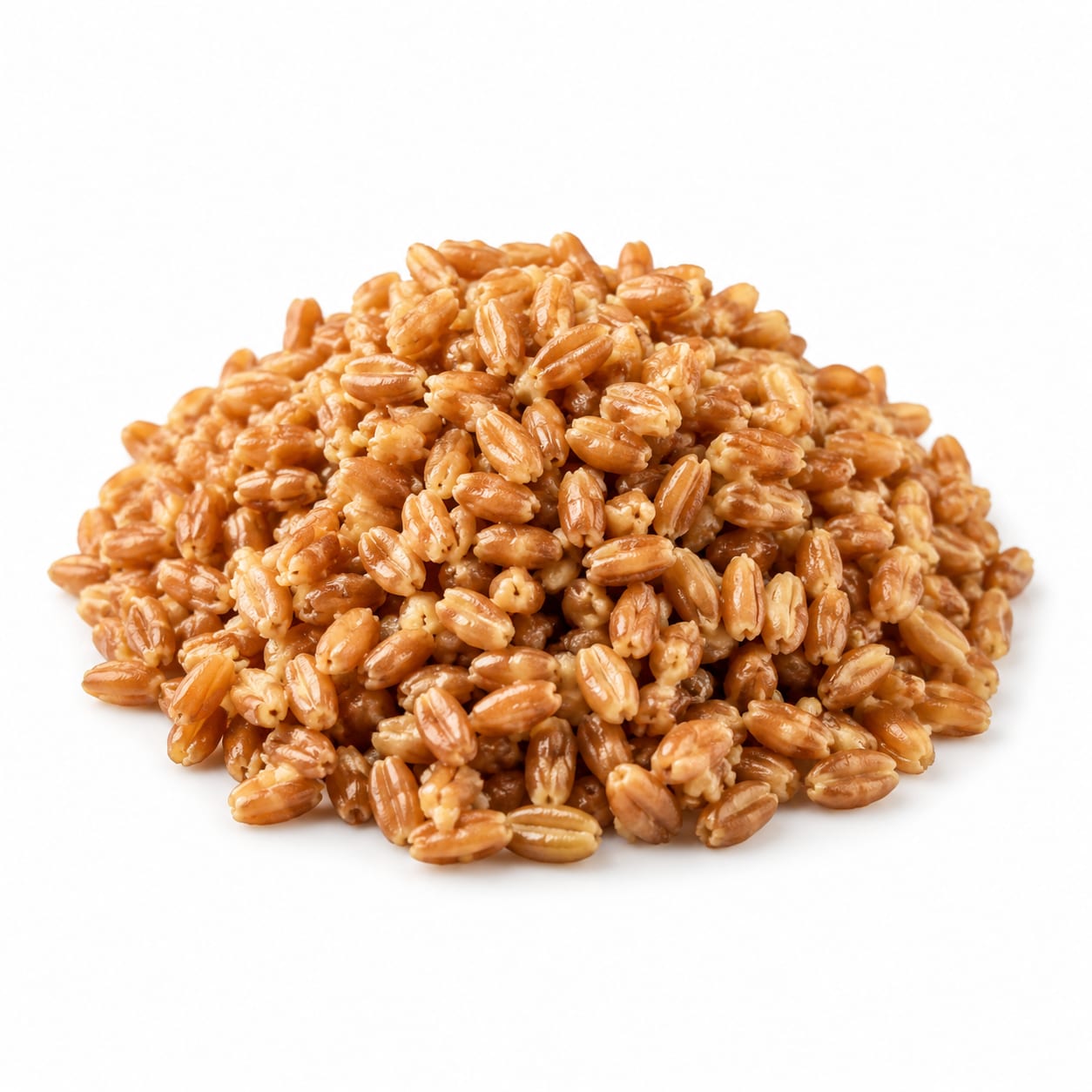
Spelt
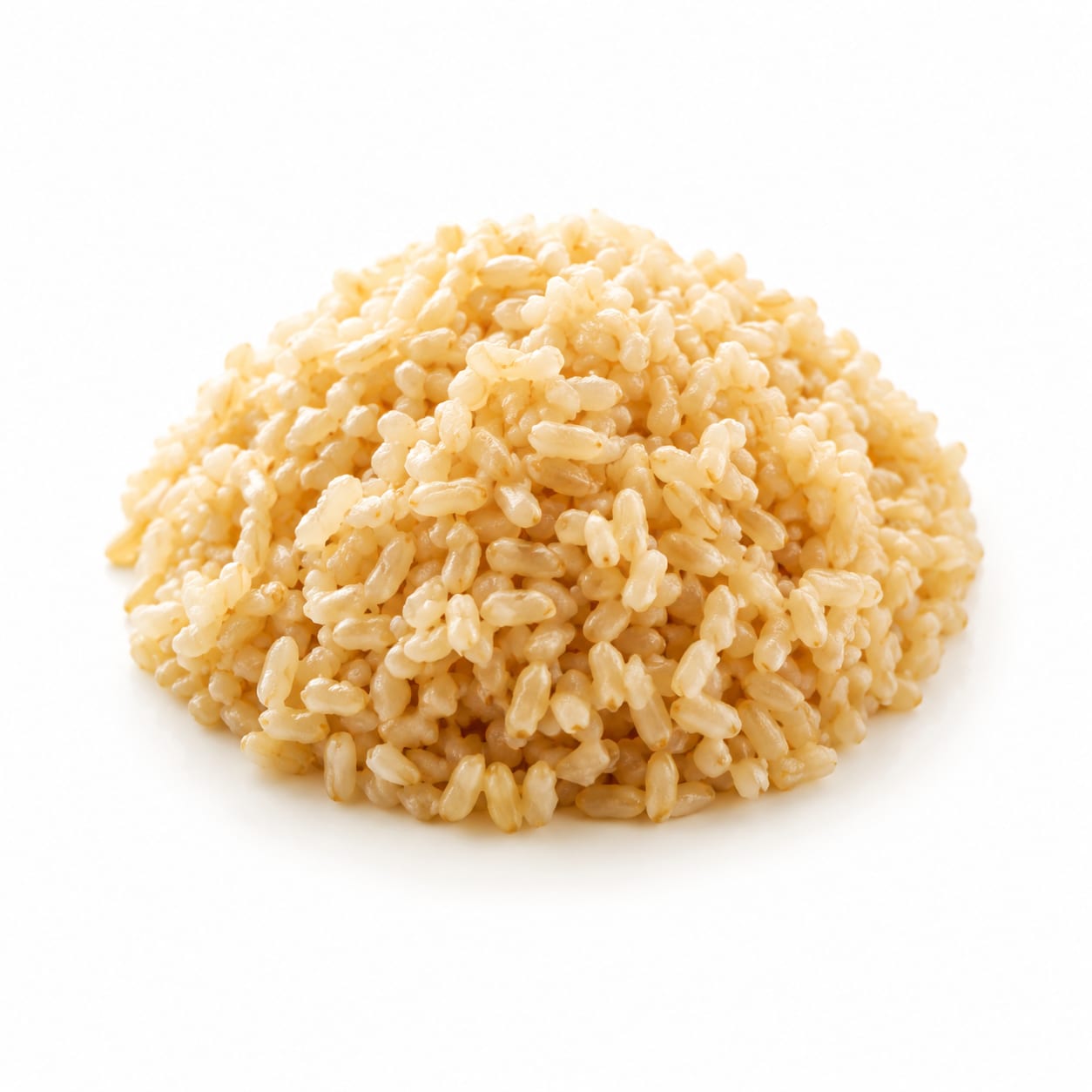
Brown Rice
Spelt is nutritionally superior with more protein and better blood sugar control, but brown rice wins on digestive safety and everyday convenience.
Spelt scores higher due to superior protein, fiber, micronutrients, and lower glycemic impact. Brown rice closes the gap with gluten-free safety and broader accessibility. The 8-point spread reflects a meaningful but not overwhelming nutritional advantage for spelt.
You gain protein, fiber, and steadier energy with spelt, but you sacrifice gluten-free compatibility and easy availability.
At a glance
Executive summary
Overall
It depends
Healthier
Spelt
More practical
Brown Rice
Daily use
It depends
Key comparison lenses
gluten tolerance and digestive compatibility
Spelt contains gluten while brown rice is naturally gluten-free, making this the single most decisive factor for many consumers
nutritional density and protein quality
Spelt significantly outperforms brown rice in protein and several micronutrients, which matters for plant-based eaters
blood sugar management
Both are whole grains but spelt has a notably lower glycemic index, making it more relevant for metabolic health decisions
heavy metal and contamination safety
Brown rice carries well-documented arsenic concerns that spelt avoids entirely
everyday practicality and availability
Brown rice is ubiquitous and easy to cook; spelt requires more sourcing effort and longer preparation
Best choice for
Spelt
- Athletes and active individuals needing more plant protein
- People managing blood sugar or insulin resistance
- Anyone seeking higher nutrient density per calorie
- Plant-based eaters relying on grains for protein
Brown Rice
- Anyone with celiac disease or gluten sensitivity
- People with sensitive digestion who find wheat-family grains irritating
- Households wanting a universally safe grain for mixed dietary needs
- Meal preppers who want a grain that stores and reheats easily
Least suitable for
Spelt
- People with celiac disease or wheat allergies
- Anyone with non-celiac gluten sensitivity
- Those following a strict gluten-free protocol for autoimmune conditions
Brown Rice
- People concerned about arsenic exposure, especially children
- Those prioritizing high protein intake from grain sources
- Anyone seeking the lowest possible glycemic impact
Deep comparison
Dimension by dimension
Each lens scores both foods and breaks down who each option suits.
- Dimension 1 · Priority 90Spelt
Protein Content and Quality
Spelt · 82Brown Rice · 55Spelt delivers roughly 50% more protein per serving than brown rice, making it a noticeably better plant protein source.
Tradeoff
Spelt's protein comes with gluten, which eliminates it for anyone with wheat-related disorders.
Why it matters
If grains are a primary protein source for you, spelt makes each serving count more toward daily targets.
Real-world impact
A bowl of spelt gets you closer to feeling full and fueled, while brown rice leaves you reaching for additional protein sooner.
Spelt
- Vegetarians counting on grains for protein
- Athletes recovering between meals
- Anyone trying to stay full longer on plant-based meals
Better for
- Celiacs and those with diagnosed wheat allergies
Worse for
Brown Rice
- People who cannot tolerate gluten under any circumstances
Better for
- Anyone relying heavily on grains to meet protein needs
Worse for
- Dimension 2 · Priority 85Spelt
Blood Sugar Stability
Spelt · 76Brown Rice · 62Spelt has a meaningfully lower glycemic index than brown rice, leading to steadier energy after meals.
Tradeoff
The difference matters most for people with metabolic concerns; healthy active people may not notice dramatically.
Why it matters
Fewer blood sugar spikes means less afternoon crashing and fewer cravings between meals.
Real-world impact
Spelt-based meals tend to carry you longer before hunger returns, while brown rice may leave you snacking sooner.
Spelt
- People with prediabetes or insulin resistance
- Anyone prone to energy crashes after carb-heavy meals
- Those trying to reduce between-meal snacking
Better for
- Those who need rapid glycogen replenishment post-workout
Worse for
Brown Rice
- Endurance athletes who actually want faster carbohydrate availability
Better for
- Anyone monitoring glycemic load closely
Worse for
- Dimension 3 · Priority 95Brown Rice
Digestive Tolerance and Allergen Safety
Spelt · 40Brown Rice · 92Brown rice is naturally gluten-free and well-tolerated by nearly everyone. Spelt contains gluten and is unsuitable for a significant portion of the population.
Tradeoff
Brown rice sacrifices nutritional richness but gains near-universal digestibility.
Why it matters
Gluten-related disorders affect roughly 5-7% of the population, and many more report sensitivity. This is not a niche concern.
Real-world impact
If you have any gluten issues, spelt is off the table entirely. Brown rice works for virtually everyone at the table.
Spelt
- People with no gluten sensitivity who want the nutritional edge
Better for
- Anyone with diagnosed gluten-related disorders
- People with wheat allergies
Worse for
Brown Rice
- Anyone with celiac disease
- People with non-celiac gluten sensitivity
- Families cooking for mixed dietary needs
- Those with irritable bowel syndrome triggered by wheat
Better for
- Those specifically seeking gluten-containing grains for texture or recipe needs
Worse for
- Dimension 4 · Priority 78Spelt
Contamination and Heavy Metal Safety
Spelt · 85Brown Rice · 55Brown rice is a known accumulator of inorganic arsenic, while spelt carries no comparable heavy metal concern.
Tradeoff
Arsenic risk can be reduced by rinsing and cooking brown rice in excess water, but it cannot be eliminated entirely.
Why it matters
Long-term arsenic exposure is linked to cancer and cardiovascular risk. This is especially relevant for children and frequent rice eaters.
Real-world impact
If brown rice is your daily grain, arsenic exposure accumulates. Rotating with spelt or other grains meaningfully reduces this burden.
Spelt
- Parents feeding young children
- People who eat grains multiple times daily
- Anyone concerned about long-term heavy metal exposure
Better for
- No significant contamination concerns
Worse for
Brown Rice
- Those who eat rice only occasionally and rotate grains regularly
Better for
- Daily consumers of brown rice, especially from high-arsenic regions
- Children under 5 with developing systems
Worse for
- Dimension 5 · Priority 75Spelt
Micronutrient Density
Spelt · 78Brown Rice · 65Spelt provides more iron, magnesium, zinc, and B vitamins per serving than brown rice.
Tradeoff
Brown rice offers more selenium and manganese, two minerals spelt provides less of.
Why it matters
If you eat grains as a nutritional staple, spelt gives you more per bite, especially for minerals many people are deficient in.
Real-world impact
Over months and years, the micronutrient gap adds up, particularly for iron and magnesium intake.
Spelt
- Women prone to iron deficiency
- Anyone with marginal magnesium intake
- Plant-based eaters needing to maximize mineral intake from grains
Better for
- Those relying on grain-based selenium intake
Worse for
Brown Rice
- People specifically seeking selenium support for thyroid health
Better for
- Anyone already low in iron or magnesium
Worse for
- Dimension 6 · Priority 70Brown Rice
Convenience and Availability
Spelt · 50Brown Rice · 88Brown rice is available everywhere, easy to cook, and fits into nearly any recipe. Spelt requires specialty stores and longer cooking times.
Tradeoff
Spelt's nutritional advantages come with more effort to source and prepare.
Why it matters
The healthiest grain only works if you actually eat it. Accessibility often determines what ends up on your plate.
Real-world impact
Brown rice can be picked up at any grocery store and cooked without soaking. Spelt berries need planning and sometimes overnight soaking.
Spelt
- Home cooks who enjoy batch-preparing grains for the week
- People with access to health food stores or online ordering
Better for
- People who need weeknight meals ready fast
- Those without reliable access to specialty grains
Worse for
Brown Rice
- Busy households needing quick meal solutions
- Anyone shopping at conventional grocery stores
- Travelers and people without specialty food access
Better for
- None significant for convenience
Worse for
Timeline
Health impact over time
Short-term
Hours to days
Spelt
- More sustained energy after meals due to lower glycemic impact
- Greater satiety and fullness from higher protein and fiber
- Potential bloating or discomfort for those with undiagnosed gluten sensitivity
Brown Rice
- Gentle on digestion for most people, including those with gluten issues
- Faster energy availability, which can feel either energizing or briefly spiking depending on the person
- May leave you hungry sooner than spelt-based meals
Long-term
Months to years
Spelt
- Better cumulative nutrient intake, especially iron and magnesium
- Lower long-term blood sugar stress if consumed regularly
- Risk of ongoing gluten exposure if undiagnosed celiac or sensitivity is present
Brown Rice
- Arsenic accumulation risk with daily consumption, particularly concerning for children
- Lower overall protein intake if grains are a dietary staple
- Selenium support for thyroid and antioxidant function over time
Risk profile
Safety & processing
Both spelt and brown rice are whole, minimally processed grains when purchased as berries or whole grain. Neither typically contains additives. Spelt is sometimes sold as flour which is still minimally processed. Both are clean choices by processing standards.
Spelt
Gluten exposure for sensitive individuals
highSpelt contains gluten and is not safe for anyone with celiac disease or wheat allergy. Even trace exposure causes intestinal damage in celiacs.
Cross-contamination in processing facilities
lowSpelt is often processed alongside wheat, so those with severe allergies should verify dedicated processing lines.
Brown Rice
Inorganic arsenic accumulation
mediumBrown rice absorbs arsenic from soil and water more than most grains. Regular daily consumption increases cumulative exposure. Rinsing and cooking in excess water reduces but does not eliminate this risk.
Bacillus cereus contamination in leftover rice
lowCooked rice left at room temperature can harbor Bacillus cereus. Proper refrigeration and reheating eliminates this concern for most people.
Who wins for whom
Audience fit
Same foods, different winners depending on your goal.
children
It dependsBrown rice is safer for gluten-sensitive children, but spelt avoids arsenic concerns. The choice depends on which risk profile matters more for the specific child.
daily consumption
It dependsSpelt is nutritionally richer for daily use if you tolerate gluten. Brown rice is safer for daily use if arsenic intake is managed through grain rotation.
diabetes
SpeltLower glycemic index and higher fiber make spelt gentler on blood sugar, though portion control matters for both grains.
elderly
Brown RiceOlder adults often have more digestive sensitivities and may benefit from the gentler, gluten-free profile of brown rice.
muscle gain
SpeltSpelt provides meaningfully more protein per serving, supporting muscle maintenance and growth when paired with other protein sources.
weight loss
SpeltHigher protein and fiber in spelt create more fullness per calorie, making it easier to eat less overall without feeling deprived.
Your move
Decision guide
Choose Spelt
- You tolerate gluten well and want the most nutritious whole grain option
- Blood sugar management is a priority for you
- You eat a plant-forward diet and need more protein from grain sources
- You want to reduce arsenic exposure from daily rice consumption
Choose Brown Rice
- You have celiac disease, gluten sensitivity, or wheat allergy
- You cook for a household with mixed dietary restrictions
- You need a grain that is easy to find and quick to prepare
- You have digestive issues that make wheat-family grains uncomfortable
Either works if
- You rotate grains regularly and want variety in your diet
- You are generally healthy and simply want a whole grain base for meals
- You pair grains with plenty of vegetables, protein, and healthy fats
Avoid both if
- You are on a strict low-carb or ketogenic diet
- You have severe grain allergies beyond gluten
- You are looking for a high-protein food and should be eating legumes or animal protein instead
Final recommendation
If you tolerate gluten, spelt is the nutritionally stronger choice with better protein, steadier energy, and no arsenic concerns. If gluten is off the table for any reason, brown rice is a solid whole grain that works for nearly everyone, just rotate it with other gluten-free grains to manage arsenic exposure.
Practical
Consumer tips
- 1
Reduce arsenic in brown rice by rinsing thoroughly and cooking in 6 parts water to 1 part rice, then draining excess water
- 2
Soak spelt berries overnight to cut cooking time in half and improve digestibility
- 3
Rotate between spelt, brown rice, quinoa, and millet to get diverse nutrients and avoid overexposure to any single contaminant
- 4
If buying spelt flour, look for whole grain versions to retain the fiber and mineral advantages
- 5
Brown rice stored in the freezer stays fresh longer and avoids rancidity from its natural oils