
Nutrition comparison
Spelt vs Oats: Which Grain is Healthier for You?
Compare Spelt vs Oats to discover which grain is better for weight loss, heart health, and digestion. Learn the key nutritional differences and which to choose.
Overall winner · Oats
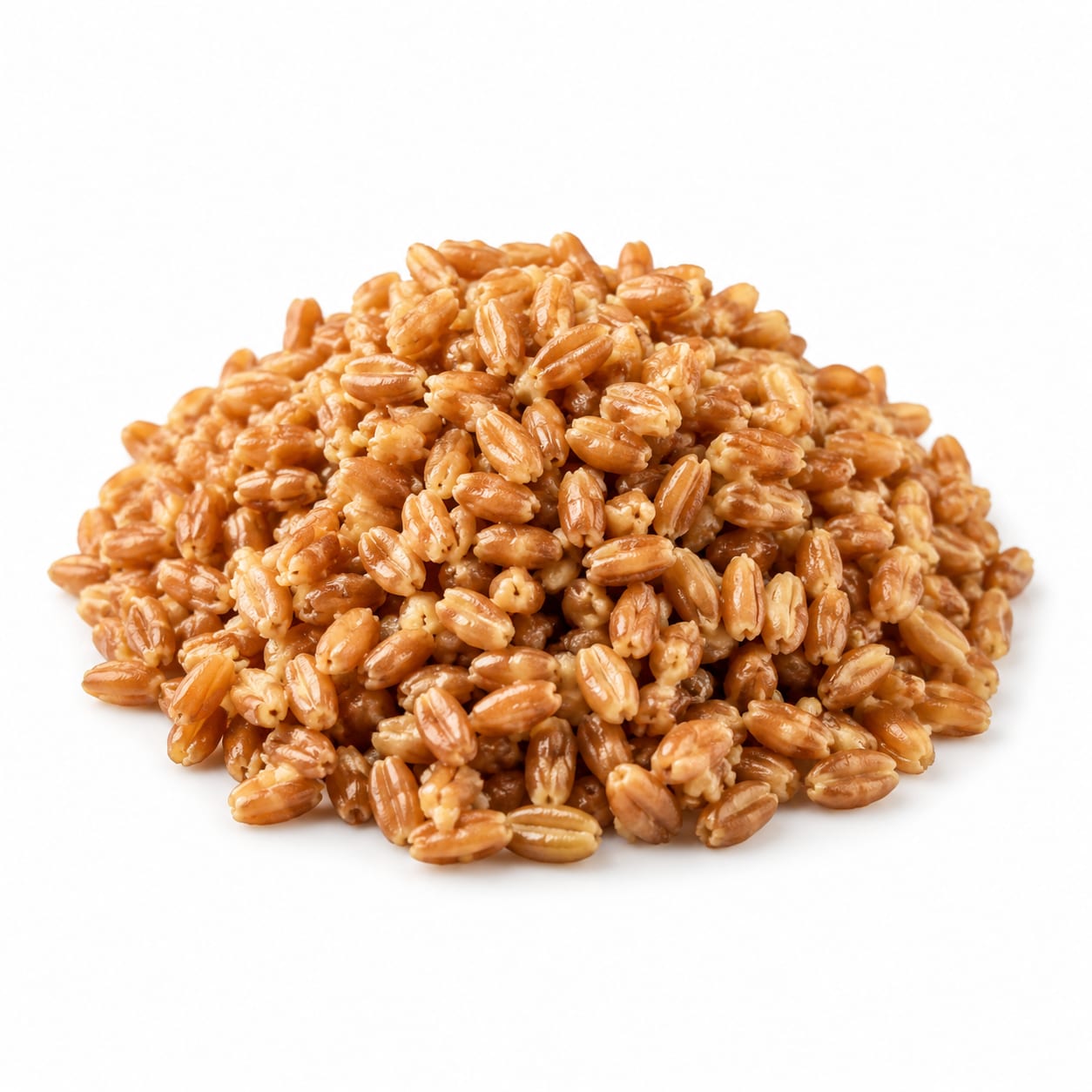
Spelt
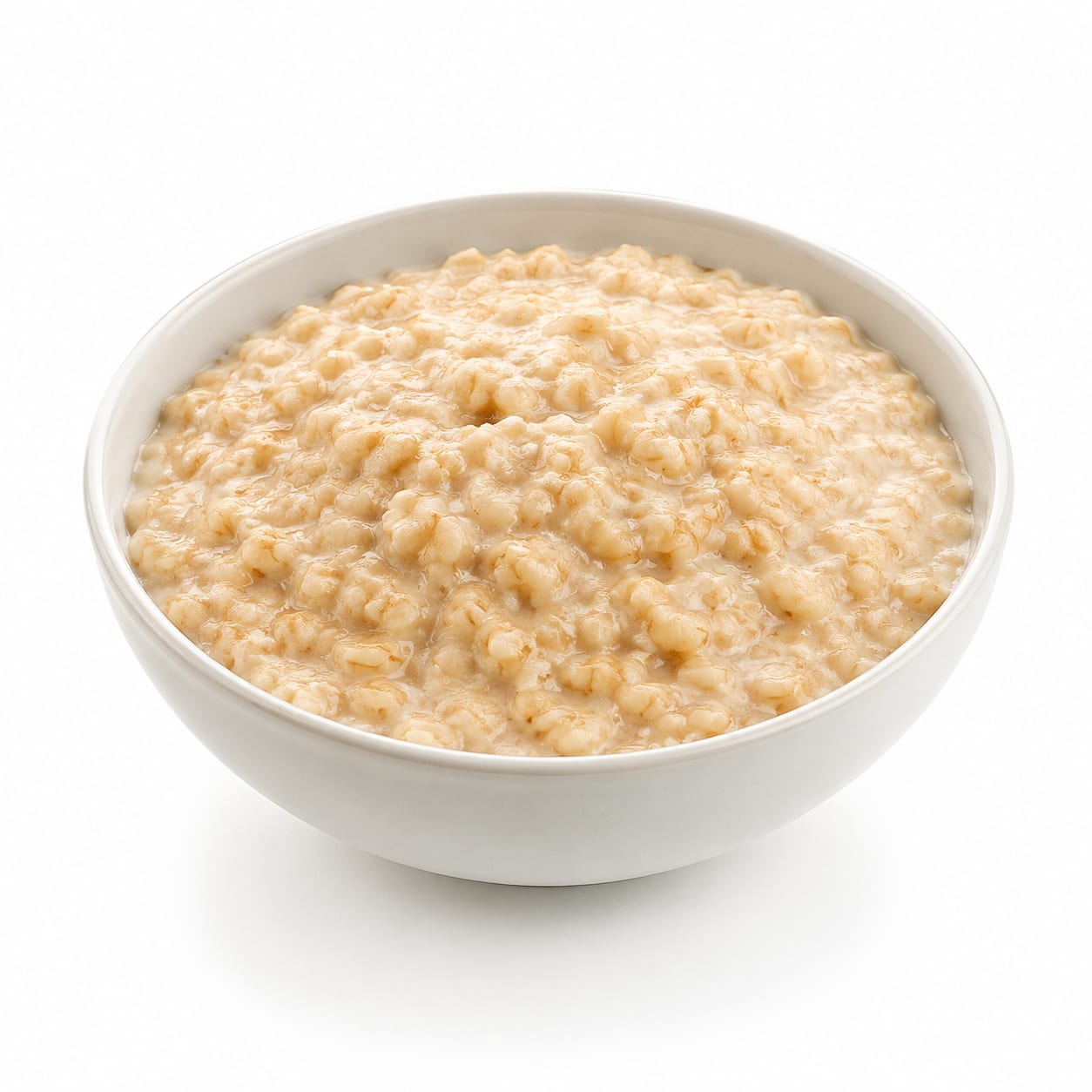
Oats
Oats win for daily convenience and heart health, but spelt is a fantastic high-protein ancient grain for those who tolerate gluten.
Oats score higher due to their unique heart-health benefits, faster cooking time, and broader digestive tolerance. Spelt remains a strong choice for protein and variety but loses points for gluten content and inconvenience.
You trade the quick cooking and cholesterol-lowering power of oats for the chewier texture and higher protein of spelt.
At a glance
Executive summary
Overall
Oats
Healthier
Oats
More practical
Oats
Daily use
Oats
Key comparison lenses
Gluten and digestive tolerance
Spelt contains gluten while oats are naturally gluten-free, making this the biggest deciding factor for many people.
Heart health and cholesterol management
Oats are famous for beta-glucan, a soluble fiber that actively lowers cholesterol, whereas spelt lacks this specific compound.
Convenience and meal prep time
Oats cook in minutes, while spelt berries require soaking and long cooking times, impacting daily practicality.
Protein and mineral density
Spelt offers slightly more protein and certain minerals, making it attractive for nutrient density.
Best choice for
Spelt
- People looking for a high-protein ancient grain for salads or bowls
- Bakers wanting a nutritious, slightly nutty flour alternative to wheat
- Those with non-celiac gluten sensitivity who tolerate spelt better than modern wheat
Oats
- Anyone prioritizing heart health and cholesterol management
- Busy individuals needing a quick, filling breakfast in under 5 minutes
- People avoiding gluten who can buy certified gluten-free oats
Least suitable for
Spelt
- People with celiac disease or severe gluten intolerance
- Anyone looking for a quick-cooking breakfast grain
Oats
- Individuals with avenin sensitivity (an oat protein similar to gluten)
- Those strictly limiting carbohydrate intake
Deep comparison
Dimension by dimension
Each lens scores both foods and breaks down who each option suits.
- Dimension 1 · Priority 95Oats
Heart Health & Cholesterol
Spelt · 70Oats · 95Oats are a powerhouse for cardiovascular health, while spelt offers general whole-grain benefits.
Tradeoff
Spelt provides solid fiber, but it lacks the specific beta-glucan found in oats that actively sweeps cholesterol from the body.
Why it matters
Heart disease is a leading health concern, and daily oat consumption has proven clinical benefits for lowering LDL cholesterol.
Real-world impact
Eating oats regularly can lead to measurably better cholesterol bloodwork over a few months, whereas spelt acts more like a standard healthy whole grain.
Spelt
- Adding variety to a heart-healthy diet
Better for
- Targeted cholesterol reduction
Worse for
Oats
- Actively lowering high cholesterol
- Supporting healthy blood pressure
Better for
- Dietary variety if eaten every single day
Worse for
- Dimension 2 · Priority 90Oats
Digestive Tolerance & Gluten
Spelt · 55Oats · 85Oats are inherently gluten-free, while spelt contains gluten, limiting who can safely eat it.
Tradeoff
Spelt's gluten makes it great for baking but unsafe for celiacs. Oats are safe for most, but cross-contamination is a risk unless certified.
Why it matters
Gluten sensitivity and celiac disease are common, making spelt a non-starter for a significant portion of the population.
Real-world impact
If you have celiac disease, spelt will trigger an immune response. Certified gluten-free oats will not, making them a safer everyday staple.
Spelt
- Baking fluffy breads and pastries that require gluten structure
Better for
- Celiac disease
- Wheat allergies
Worse for
Oats
- Gluten-free diets (when certified)
- Sensitive stomachs that struggle with heavy gluten loads
Better for
- People with avenin sensitivity
Worse for
- Dimension 3 · Priority 80Spelt
Protein & Nutrient Density
Spelt · 88Oats · 78Spelt edges out oats with slightly more protein and a richer mineral profile per serving.
Tradeoff
You get a bit more nutritional bang for your buck with spelt, but you have to endure the longer prep time to access it.
Why it matters
For plant-based eaters, every gram of protein and iron counts, making spelt a valuable addition to the rotation.
Real-world impact
A bowl of spelt berries will keep you slightly fuller for longer due to the higher protein content compared to a bowl of oatmeal.
Spelt
- Plant-based diets needing extra protein
- Boosting iron and zinc intake naturally
Better for
- Quick post-workout recovery meals
Worse for
Oats
- Balancing nutrients with easy digestion
Better for
- Maximizing protein per calorie
Worse for
- Dimension 4 · Priority 85Oats
Convenience & Versatility
Spelt · 50Oats · 95Oats are incredibly fast and easy to prepare, while spelt requires planning and patience.
Tradeoff
Spelt offers a delightful chewy texture for grain bowls, but oats can be ready in the microwave in two minutes.
Why it matters
If a healthy food takes too long to cook, you are less likely to eat it on a busy Tuesday morning.
Real-world impact
Oats are a realistic everyday breakfast. Spelt berries are usually a weekend meal prep project or require buying pre-cooked versions.
Spelt
- Hearty grain bowls and salads
- Artisan baking projects
Better for
- Last-minute meal needs
Worse for
Oats
- Rushed mornings
- Meal prep in bulk with minimal effort
Better for
- Chewy, risotto-style dinner sides
Worse for
Timeline
Health impact over time
Short-term
Hours to days
Spelt
- Provides long-lasting, steady energy due to complex carbs
- Can cause bloating or brain fog in those sensitive to gluten
Oats
- Highly filling and satisfying, reducing mid-morning snacking
- Gentle on the digestive tract for most people
Long-term
Months to years
Spelt
- Supports sustained nutrient intake and energy stability
- Continued gluten exposure could trigger inflammation in sensitive individuals
Oats
- Clinically proven to reduce cardiovascular disease risk
- Supports a healthy gut microbiome through soluble fiber fermentation
Risk profile
Safety & processing
Both spelt berries and steel-cut or rolled oats are whole, minimally processed grains. The main concern is flavored instant oat packets, which add sugars and processing, unlike plain oats.
Spelt
Gluten exposure
highSpelt contains gluten and is strictly unsafe for anyone with celiac disease or a severe wheat allergy.
Oats
Gluten cross-contamination
mediumOats are often grown and processed alongside wheat. Only certified gluten-free oats are safe for celiacs.
Avenin sensitivity
lowA small percentage of people with celiac disease also react to avenin, a protein in oats similar to gluten.
Who wins for whom
Audience fit
Same foods, different winners depending on your goal.
children
OatsOatmeal is soft, easy to digest, quick to make, and naturally sweet, making it a kid-friendly staple that spelt berries cannot easily match.
daily consumption
OatsThe combination of fast prep, proven daily heart benefits, and broad digestive tolerance makes oats the superior everyday grain.
diabetes
OatsThe soluble fiber in oats slows down carbohydrate absorption, leading to more stable blood sugar and lower insulin spikes compared to spelt.
elderly
OatsOats are easier to chew, gentler on aging digestive systems, and provide crucial heart-health benefits that become more important with age.
muscle gain
SpeltSpelt has a slightly higher protein content per serving, which is beneficial when you are trying to hit higher daily protein targets.
weight loss
OatsOats' beta-glucan creates a thick, gel-like substance in the gut that keeps you feeling full for hours, making it easier to avoid overeating.
Your move
Decision guide
Choose Spelt
- You tolerate gluten well and want a chewy, high-protein grain for salads and bowls
- You are baking bread and want a nutritious ancient grain flour
- You are tired of oats and need dietary variety
Choose Oats
- You need a quick, comforting breakfast before work
- You are focused on lowering your cholesterol or improving heart health
- You are sensitive to gluten and can buy certified gluten-free oats
Either works if
- You simply want a whole-grain carbohydrate source to round out a meal
- You are meal-prepping a big batch of grains for the week
Avoid both if
- You are strictly following a ketogenic or very low-carb diet
- You have severe grain intolerances that trigger both gluten and avenin reactions
Final recommendation
Keep oats as your reliable daily staple for breakfast and heart health, but buy spelt berries for weekend meal prep to add variety and a protein boost to your lunches.
Practical
Consumer tips
- 1
If you need gluten-free oats, always look for the certified gluten-free label to avoid cross-contamination.
- 2
Soak spelt berries overnight to cut down on the long cooking time and improve digestibility.
- 3
Avoid instant flavored oatmeal packets; they are packed with sugar and strip away the natural benefits of whole oats.
- 4
Try swapping half your wheat flour for spelt flour in baking for a nuttier flavor and higher nutrient density.