
Nutrition comparison
Spelt vs Barley: Which Ancient Grain is Healthier?
Compare spelt and barley to find out which grain is better for blood sugar, protein, baking, and heart health. Discover the nutritional tradeoffs.
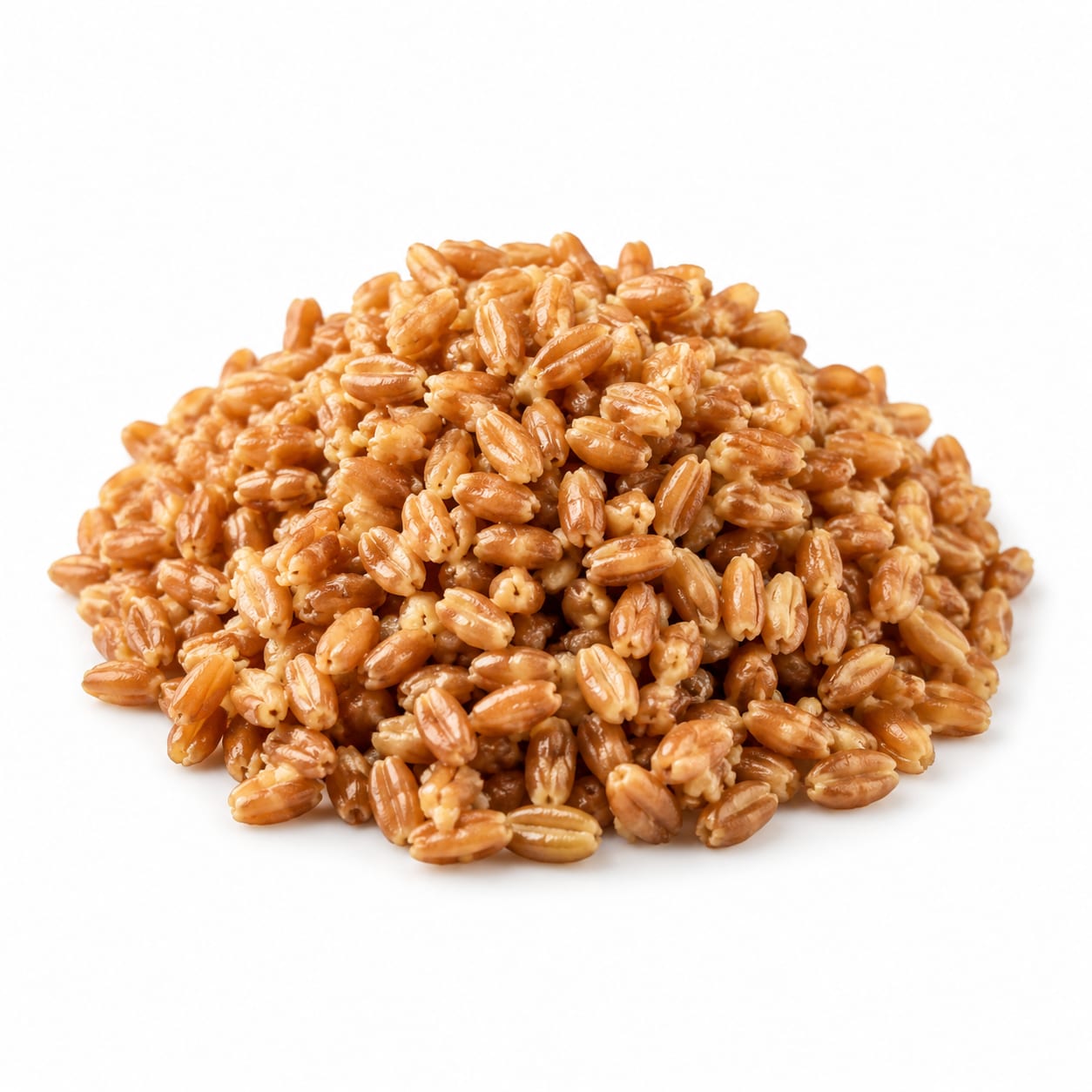
Spelt
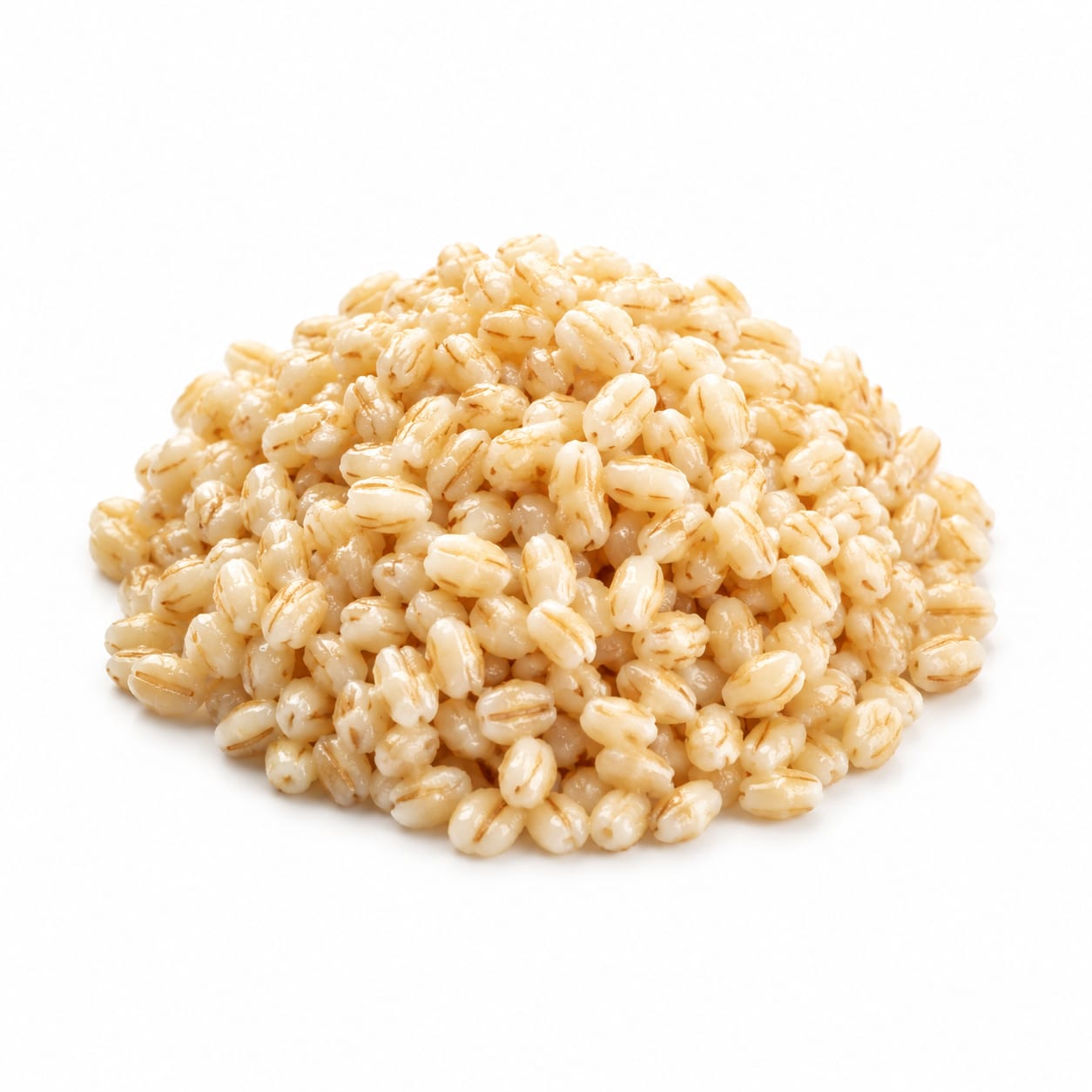
Barley
Barley edges out Spelt for heart and blood sugar benefits, while Spelt wins for protein content and baking versatility.
Barley takes a slight lead due to its exceptional beta-glucan content for heart and metabolic health, though Spelt's higher protein and baking flexibility keep it highly competitive.
Barley offers superior soluble fiber for cholesterol and blood sugar, whereas Spelt delivers more protein and works better in baked goods.
At a glance
Executive summary
Overall
It depends
Healthier
Barley
More practical
Spelt
Daily use
It depends
Key comparison lenses
Blood sugar management
Barley's beta-glucan is legendary for glucose control, making this a key differentiator.
Heart health and cholesterol
Barley is clinically proven to lower LDL cholesterol, a major factor for older adults.
Protein quality and baking versatility
Spelt offers significantly more protein and behaves like modern wheat, making it a baking favorite.
Gluten tolerance and digestibility
Both contain gluten, but spelt's fragile gluten is often easier on the stomach for those with mild sensitivities.
Best choice for
Spelt
- Baking whole-grain breads and pastries
- Higher protein vegetarian diets
- People wanting a nutty wheat alternative that digests easily
Barley
- Lowering cholesterol naturally
- Managing blood sugar spikes
- Adding chewy texture to soups and stews
Least suitable for
Spelt
- Celiac disease or severe gluten intolerance
- Those seeking massive soluble fiber intake
Barley
- Celiac disease or severe gluten intolerance
- Yeast bread baking
- Quick-cooking weeknight meals (unless using pearled barley)
Deep comparison
Dimension by dimension
Each lens scores both foods and breaks down who each option suits.
- Dimension 1 · Priority 95Barley
Blood Sugar Stability
Spelt · 70Barley · 94Barley is a powerhouse for steady energy thanks to its high beta-glucan content.
Tradeoff
Spelt provides good complex carbs but lacks the same dramatic blood sugar-stabilizing effect.
Why it matters
Less dramatic blood sugar swings mean fewer afternoon energy crashes and reduced cravings.
Real-world impact
A barley-based lunch keeps you feeling steadier and less hungry by 3 PM compared to spelt.
Spelt
- Those needing strict glucose control
Worse for
Barley
- Pre-diabetics
- People prone to afternoon energy crashes
Better for
- Dimension 2 · Priority 85Spelt
Protein & Satiety
Spelt · 86Barley · 72Spelt packs more protein per serving, making it more filling for its calorie count.
Tradeoff
You get more muscle-supporting amino acids from Spelt, but less of the soluble fiber that Barley offers.
Why it matters
Higher protein grains help maintain muscle and keep you full longer between meals.
Real-world impact
A spelt grain bowl will keep you satisfied slightly longer after a workout than a barley one.
Spelt
- Vegetarians needing plant protein
- Active individuals
Better for
Barley
- Those relying on grains as a primary protein source
Worse for
- Dimension 3 · Priority 90Barley
Heart Health & Cholesterol
Spelt · 70Barley · 92Barley's beta-glucan is clinically proven to lower LDL cholesterol.
Tradeoff
Spelt supports heart health through general fiber and nutrients, but lacks the targeted cholesterol-lowering punch of barley.
Why it matters
Soluble fiber binds to cholesterol in the gut, actively removing it from the body.
Real-world impact
Eating barley regularly can meaningfully improve cholesterol numbers over time.
Spelt
- Those actively trying to lower cholesterol through diet
Worse for
Barley
- People with high LDL cholesterol
- Those with a family history of heart disease
Better for
- Dimension 4 · Priority 80Spelt
Culinary Versatility & Baking
Spelt · 88Barley · 60Spelt behaves much like wheat, making it excellent for breads and pastries; barley is mostly limited to soups and side dishes.
Tradeoff
Spelt gives you baking flexibility, while barley is mostly a savory side or soup thickener.
Why it matters
A grain you can bake with easily becomes a daily staple rather than an occasional ingredient.
Real-world impact
You can easily swap spelt flour into your weekend pancake recipe, but barley flour would make them gummy.
Spelt
- Home bakers
- Families wanting kid-friendly whole grains
Better for
Barley
- Anyone wanting to bake yeast breads
- People who dislike gummy textures in baking
Worse for
- Dimension 5 · Priority 75It depends
Digestive Tolerance
Spelt · 78Barley · 75Both contain gluten, but some with mild wheat sensitivity tolerate spelt better; barley's soluble fiber feeds gut bacteria beautifully.
Tradeoff
Spelt's gluten is more fragile and often easier to digest, but barley's fiber is better for microbiome health.
Why it matters
Choosing the right grain can mean the difference between a comfortable afternoon and bloating.
Real-world impact
If regular wheat makes you sluggish, spelt might feel lighter; if you need regularity, barley's fiber is superior.
Spelt
- People with mild wheat sensitivity (not celiac)
Better for
- Those who need high soluble fiber for gut healing
Worse for
Barley
- Those needing a fiber boost for regularity
Better for
- People with sensitive stomachs who struggle with high fiber loads
Worse for
Timeline
Health impact over time
Short-term
Hours to days
Spelt
- Steady energy from complex carbs
- Mildly easier digestion than modern wheat for some
Barley
- High fullness factor from soluble fiber
- Reduced post-meal blood sugar spike
Long-term
Months to years
Spelt
- Better muscle maintenance from higher protein
- Support for healthy digestion through insoluble fiber
Barley
- Lower LDL cholesterol levels
- Improved insulin sensitivity over time
Risk profile
Safety & processing
Both are whole grains when purchased in their hulled or whole-berry form. Watch out for pearled barley, which strips away the bran and much of the fiber.
Spelt
Gluten content
highContains gluten and is not safe for those with celiac disease.
Barley
Gluten content
highContains gluten and is not safe for those with celiac disease.
Processing variation
mediumPearled barley loses most of its nutritional benefits and fiber, acting more like a refined grain.
Who wins for whom
Audience fit
Same foods, different winners depending on your goal.
children
SpeltSpelt is more palatable and easier to use in kid-friendly baked goods like muffins and pancakes.
daily consumption
It dependsSpelt is better if you bake often; barley is better if you eat savory grain bowls or soups regularly.
diabetes
BarleyBarley is one of the best grains for blood sugar control due to its viscous soluble fiber.
elderly
BarleyThe cholesterol-lowering and blood sugar-stabilizing effects of barley are highly beneficial for aging metabolisms.
muscle gain
SpeltSpelt has significantly more protein to support muscle repair and growth.
weight loss
BarleyBarley's beta-glucan creates immense satiety and stabilizes blood sugar, reducing overall calorie intake.
Your move
Decision guide
Choose Spelt
- You bake your own bread or pastries
- You want a higher protein grain
- Modern wheat makes you feel slightly sluggish but you tolerate gluten
Choose Barley
- You want to lower your cholesterol
- You need to manage blood sugar levels
- You love hearty soups and stews
Either works if
- You need a satisfying whole grain for lunch bowls
- You are looking for an alternative to rice or oats
Avoid both if
- You have celiac disease or a strict gluten intolerance
- You are on a strict ketogenic or low-carb diet
Final recommendation
Choose Barley if metabolic health and heart health are your top priorities, as its soluble fiber is a game-changer. Opt for Spelt if you want a versatile, higher-protein grain that shines in home baking.
Practical
Consumer tips
- 1
Always choose hulled barley over pearled barley to keep the fiber and nutrients intact.
- 2
Spelt flour can usually replace wheat flour 1:1 in recipes, though you may need slightly less liquid.
- 3
Soak both grains overnight to reduce cooking time and improve digestibility.
- 4
If you have a wheat allergy, do not eat spelt—it is not a safe substitute.