
Nutrition comparison
Spelt vs Buckwheat: Which Ancient Grain Is Healthier?
Complete nutrition comparison of Spelt and Buckwheat — protein, gluten, antioxidants, blood sugar impact, and which grain fits your diet best.
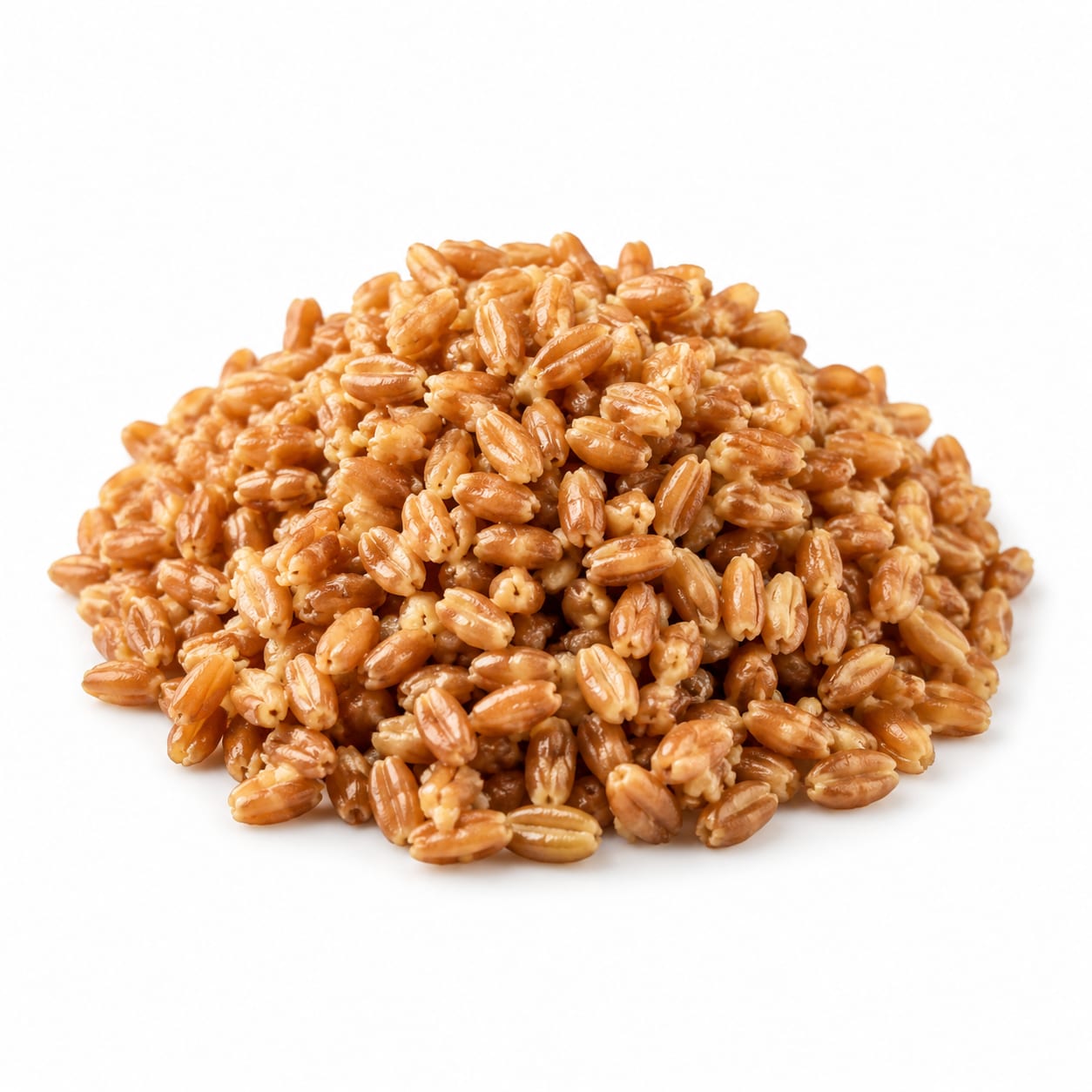
Spelt
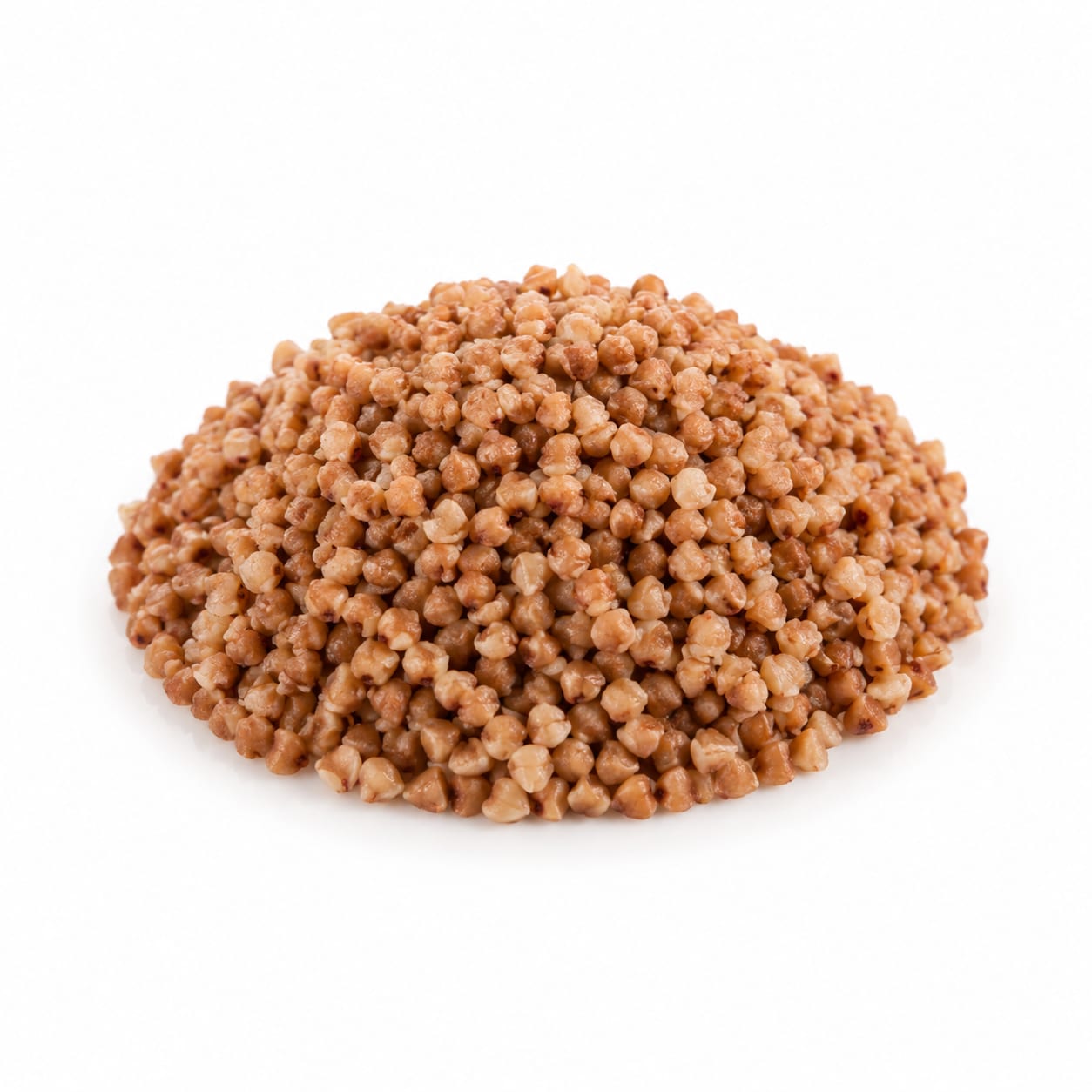
Buckwheat
Buckwheat wins for gluten-free diets and antioxidant power; Spelt wins for baking versatility and higher protein content.
Buckwheat edges ahead due to its gluten-free nature, complete protein, and exceptional antioxidant content. Spelt scores well for protein quantity and baking practicality but loses ground because gluten limits its audience significantly.
Spelt gives you better texture and more protein but contains gluten; Buckwheat is gluten-free with superior antioxidants but behaves poorly in baking alone.
At a glance
Executive summary
Overall
It depends
Healthier
Buckwheat
More practical
Spelt
Daily use
It depends
Key comparison lenses
gluten sensitivity and digestive tolerance
The single biggest differentiator: Spelt contains gluten, Buckwheat is naturally gluten-free
blood sugar management
Both are whole grains often chosen by people seeking steadier energy and lower glycemic impact
protein quality and completeness
Buckwheat offers a rare complete plant protein; Spelt has more total protein but is incomplete
ancient grain vs pseudocereal nutrition
Users comparing these are often exploring alternatives to modern wheat and want to know which delivers more nutrition
culinary versatility and baking performance
Spelt behaves like wheat in recipes; Buckwheat has distinct limitations and flavor that affect usability
Best choice for
Spelt
- People who tolerate gluten and want a wheat alternative for bread and baking
- Home bakers seeking easier substitution for regular flour
- Anyone wanting higher total protein per serving
- Those who prefer a milder, more familiar grain flavor
Buckwheat
- Anyone with celiac disease or gluten sensitivity
- People focused on heart health and circulation
- Those seeking a complete plant protein source
- Anyone wanting maximum antioxidant intake from grains
Least suitable for
Spelt
- People with celiac disease or non-celiac gluten sensitivity
- Anyone strictly avoiding wheat-family grains
- Those with wheat allergies
Buckwheat
- People who want light, fluffy baked goods without blending flours
- Anyone sensitive to buckwheat's strong earthy flavor
- Those seeking high-gluten baking performance
Deep comparison
Dimension by dimension
Each lens scores both foods and breaks down who each option suits.
- Dimension 1 · Priority 95Buckwheat
gluten_and_digestive_tolerance
Spelt · 30Buckwheat · 100Buckwheat is naturally gluten-free; Spelt contains moderate gluten levels that trigger reactions in sensitive individuals.
Tradeoff
Spelt's gluten gives it superior baking texture but excludes anyone with celiac or gluten sensitivity.
Why it matters
Roughly 6-7% of the population has gluten-related disorders, and many more avoid gluten for perceived health benefits.
Real-world impact
If you have any gluten sensitivity, Spelt will cause bloating, brain fog, or digestive distress. Buckwheat lets you enjoy grain-based meals worry-free.
Spelt
- People with confirmed gluten tolerance who want traditional baking performance
Better for
- Gluten-sensitive individuals who experience bloating or fatigue after wheat-family grains
Worse for
Buckwheat
- Anyone with celiac disease
- People with non-celiac gluten sensitivity
- Households with mixed gluten tolerance needs
Better for
- Bakers who need gluten structure for bread rising and chewiness
Worse for
- Dimension 2 · Priority 80Buckwheat
protein_quality_and_completeness
Spelt · 65Buckwheat · 85Spelt has slightly more total protein per serving, but Buckwheat provides all nine essential amino acids, making it a complete protein.
Tradeoff
More protein total versus better protein quality — Buckwheat's completeness matters more for vegetarians and vegans.
Why it matters
Incomplete proteins require food combining to get all essential amino acids, which adds meal planning complexity.
Real-world impact
A buckwheat bowl gives you muscle-supporting amino acids without needing to pair it with beans or dairy. Spelt needs a complementary protein source for the same effect.
Spelt
- Those eating varied diets who already get complete proteins from other sources
Better for
- Plant-based eaters relying on grains as a primary protein source
Worse for
Buckwheat
- Vegetarians and vegans needing reliable complete protein
- Anyone eating grain-forward meals with limited protein variety
Better for
- Those wanting maximum protein grams per serving for muscle building
Worse for
- Dimension 3 · Priority 82Buckwheat
antioxidant_and_anti_inflammatory_value
Spelt · 50Buckwheat · 92Buckwheat is exceptionally rich in rutin, a flavonoid that strengthens blood vessels and reduces inflammation. Spelt has modest antioxidant content.
Tradeoff
Buckwheat delivers medicinal-level antioxidants; Spelt offers basic whole grain benefits without the standout compounds.
Why it matters
Rutin specifically supports vascular health, reduces blood pressure, and fights chronic inflammation — benefits most grains cannot match.
Real-world impact
Regular buckwheat consumption is linked to better circulation and lower blood pressure. Spelt supports general health but lacks targeted cardiovascular benefits.
Spelt
- Those seeking general whole grain nutrition without specific antioxidant goals
Better for
- People specifically seeking anti-inflammatory food choices
Worse for
Buckwheat
- People concerned about heart health and circulation
- Anyone managing chronic inflammation
- Those with family history of cardiovascular disease
Better for
- Those who dislike the earthy flavor that comes with high antioxidant content
Worse for
- Dimension 4 · Priority 85Buckwheat
blood_sugar_stability
Spelt · 68Buckwheat · 82Both are better than refined grains, but Buckwheat has a lower glycemic index and contains D-chiro-inositol, which improves insulin sensitivity.
Tradeoff
Buckwheat actively helps insulin function; Spelt simply causes less spike than modern wheat.
Why it matters
D-chiro-inositol is rare in foods and directly supports glucose metabolism, making Buckwheat uniquely valuable for blood sugar management.
Real-world impact
A buckwheat breakfast keeps energy steadier through the morning compared to spelt. For prediabetics, this difference compounds over time.
Spelt
- Those who tolerate gluten and want a moderate-GI grain for occasional use
Better for
- People who need aggressive blood sugar management
Worse for
Buckwheat
- People with prediabetes or type 2 diabetes
- Anyone prone to afternoon energy crashes
- Those seeking the most blood-sugar-friendly grain option
Better for
- Those who prefer milder-flavored grains and find the taste barrier unsustainable
Worse for
- Dimension 5 · Priority 70Spelt
mineral_density
Spelt · 80Buckwheat · 75Spelt delivers more iron, zinc, and selenium per serving. Buckwheat excels in magnesium and copper but falls short on iron and zinc.
Tradeoff
Spelt better supports immune function and oxygen transport; Buckwheat better supports muscle relaxation and energy production.
Why it matters
Iron and zinc deficiencies are common, especially in plant-based eaters, making Spelt's higher content practically relevant.
Real-world impact
If you are prone to low iron or frequent illness, Spelt provides more of the minerals that directly address those concerns.
Spelt
- Women prone to iron deficiency
- Anyone needing immune support through zinc
- Plant-based eaters concerned about selenium intake
Better for
- Those who get ample iron and zinc from other sources
Worse for
Buckwheat
- People with muscle cramps or tension who benefit from extra magnesium
- Those wanting support for energy metabolism through copper
Better for
- Anyone at risk for iron deficiency anemia
Worse for
- Dimension 6 · Priority 70Spelt
culinary_versatility_and_baking_performance
Spelt · 88Buckwheat · 55Spelt bakes like wheat — good rise, pleasant texture, mild flavor. Buckwheat is dense, crumbly, and strongly flavored, requiring blending with other flours.
Tradeoff
Spelt is easy to cook with; Buckwheat demands more skill and recipe adaptation but offers unique flavor depth.
Why it matters
If a grain is hard to cook with, you will use it less, reducing its nutritional benefits regardless of how healthy it is.
Real-world impact
Spelt flour swaps into most wheat recipes with minimal adjustment. Buckwheat pancakes or soba noodles are delicious but limiting — try making buckwheat sandwich bread and you will be disappointed.
Spelt
- Home bakers wanting straightforward flour substitution
- Families needing familiar-tasting baked goods
- Anyone new to alternative grains
Better for
- Those avoiding all gluten-containing ingredients
Worse for
Buckwheat
- Adventurous cooks embracing distinct flavors
- People making pancakes, crepes, or soba noodles
- Those willing to blend flours for better results
Better for
- Busy people who want simple baking with predictable results
Worse for
Timeline
Health impact over time
Short-term
Hours to days
Spelt
- Provides steady energy with moderate glycemic impact
- Gluten may cause bloating or fatigue in sensitive individuals
- More filling due to higher protein content per serving
Buckwheat
- Delivers sustained energy with minimal blood sugar fluctuation
- Completely safe for gluten-sensitive individuals — no digestive distress
- Rutin may cause a mild blood pressure lowering effect noticeable in some people
Long-term
Months to years
Spelt
- Regular consumption supports mineral status, particularly iron and zinc
- Continued gluten exposure may trigger sensitivity development in susceptible individuals
- Whole grain fiber supports digestive health and reduces chronic disease risk
Buckwheat
- Rutin accumulation strengthens blood vessels and may reduce cardiovascular disease risk over years
- D-chiro-inositol intake improves long-term insulin sensitivity
- Consistent consumption supports healthy blood pressure maintenance
Risk profile
Safety & processing
Both Spelt and Buckwheat are typically sold as whole grains or stone-ground flours with minimal processing. Neither commonly contains artificial additives when purchased as raw grain. The main concern is checking that buckwheat products are not cross-contaminated with wheat in shared facilities.
Spelt
Gluten exposure for sensitive individuals
highSpelt contains gluten proteins that trigger autoimmune reactions in celiac patients and symptoms in gluten-sensitive individuals. Not safe for this population.
FODMAP content
mediumSpelt contains fructans that may trigger IBS symptoms in sensitive individuals, especially when consumed in large portions.
Buckwheat
Cross-contamination with wheat
mediumMany buckwheat products are processed in facilities that also handle wheat. Celiacs must verify certified gluten-free labeling.
Rare buckwheat allergy
lowBuckwheat is a known allergen in some individuals, particularly in East Asian populations. Reactions can be severe but are uncommon.
Who wins for whom
Audience fit
Same foods, different winners depending on your goal.
children
SpeltSpelt's milder flavor and familiar texture make it more acceptable to picky eaters. Its higher iron content also supports childhood development.
daily consumption
It dependsIf you tolerate gluten, Spelt is easier to incorporate daily due to its versatility. If you avoid gluten, Buckwheat is the clear daily choice.
diabetes
BuckwheatBuckwheat's D-chiro-inositol directly improves insulin sensitivity, and its lower glycemic index provides more stable blood sugar control.
elderly
BuckwheatBuckwheat's rutin supports vascular health and its magnesium content helps with muscle cramps and sleep quality — both common elderly concerns.
muscle gain
SpeltSpelt provides more total protein per serving, which matters when you are eating large quantities to support muscle growth.
weight loss
BuckwheatBuckwheat's lower glycemic index and higher satiety per calorie help control hunger longer, making it easier to maintain a calorie deficit.
Your move
Decision guide
Choose Spelt
- You tolerate gluten and want the most versatile ancient grain for everyday cooking
- Baking bread, pizza, or pastries is important to you
- You need higher iron and zinc intake from your grains
- You prefer mild, familiar flavors over earthy intensity
Choose Buckwheat
- You have celiac disease, gluten sensitivity, or cook for someone who does
- Heart health and circulation are top priorities for you
- You want a complete plant protein without food combining
- You enjoy robust, earthy flavors and are willing to adapt recipes
Either works if
- You simply want a nutritious whole grain alternative to refined wheat
- Both fit your dietary restrictions and you want variety
- You are rotating grains to diversify your nutrient intake
Avoid both if
- You are on a strict low-carb or ketogenic diet
- You have grain sensitivities beyond gluten that trigger symptoms
Final recommendation
For most health-conscious eaters, Buckwheat is the nutritionally superior choice — its complete protein, rutin antioxidants, and gluten-free nature make it uniquely valuable. However, if you bake regularly and tolerate gluten, Spelt deserves a place in your kitchen for its superior texture and mineral content. The ideal approach is keeping both: Buckwheat for porridge and pancakes, Spelt for bread and pasta.
Practical
Consumer tips
- 1
If buying Buckwheat for gluten-free needs, always check for certified gluten-free labeling to avoid cross-contamination
- 2
Spelt flour can replace wheat flour in most recipes at a 1:1 ratio, but reduce liquid slightly as it absorbs more water
- 3
Buckwheat flour works best blended with other gluten-free flours — try mixing with rice flour or oat flour for better texture
- 4
Soak whole buckwheat groats overnight to reduce cooking time and improve digestibility
- 5
Toast buckwheat groats (kasha) in a dry pan before cooking to mellow the earthy flavor if you find it too intense
- 6
Spelt sourdough is easier to digest than regular spelt bread — the fermentation breaks down gluten and FODMAPs
- 7
Store both flours in the refrigerator or freezer to prevent rancidity, as their natural oils go stale faster than refined flour