
Nutrition comparison
Spelt vs Millet: Which Ancient Grain Is Healthier?
Compare Spelt vs Millet to find out which grain is better for gluten-free diets, protein intake, and thyroid health. Discover the nutritional tradeoffs.
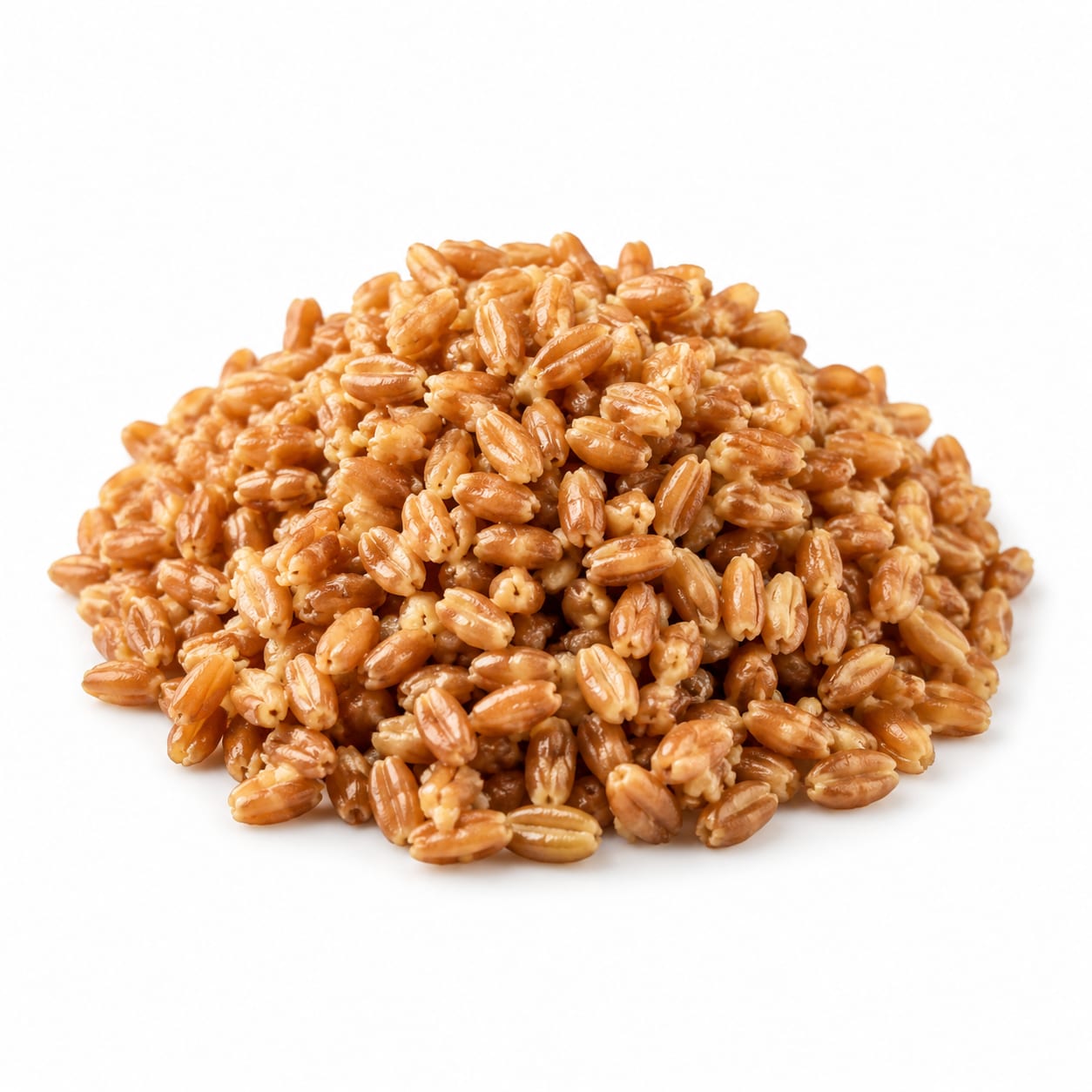
Spelt
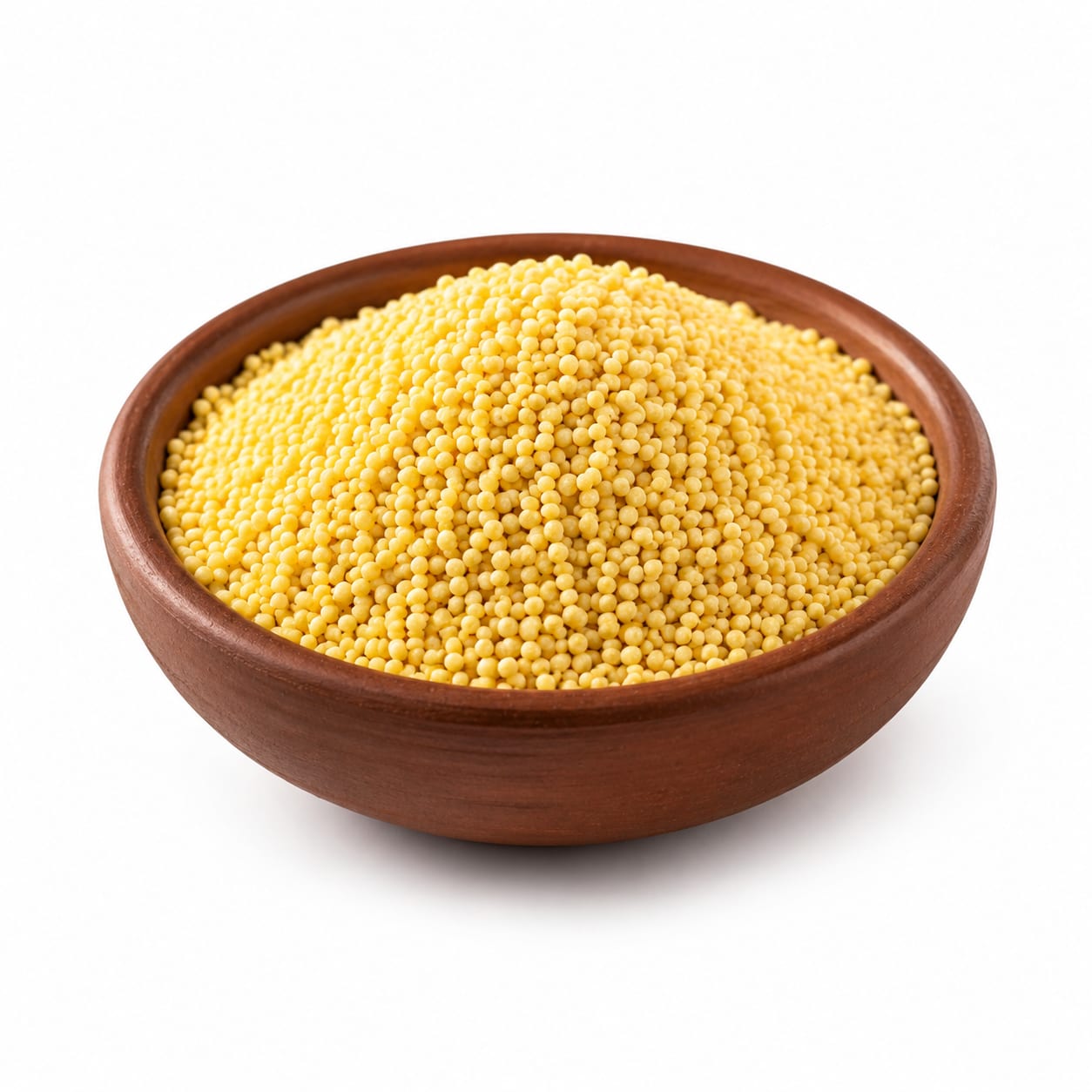
Millet
Spelt delivers more protein and a satisfying chew, while Millet is a gluten-free, light grain that is easier on the stomach but requires caution for thyroid health.
Millet edges ahead slightly due to its gluten-free nature and wider digestibility, but Spelt's superior protein content keeps it highly competitive depending on your dietary needs.
Protein and fiber density in Spelt versus gluten-free, lighter digestion in Millet.
At a glance
Executive summary
Overall
It depends
Healthier
It depends
More practical
It depends
Daily use
It depends
Key comparison lenses
Gluten sensitivity and digestive comfort
Spelt contains gluten while Millet is naturally gluten-free, making this the primary deciding factor for many consumers.
Blood sugar management
Both are whole grains praised for steady energy, but their different fiber profiles and carb densities impact glucose differently.
Thyroid health considerations
Millet contains goitrogens which can affect thyroid function, a unique risk not present in Spelt.
Protein and nutrient density
Spelt offers significantly more protein, making it better for satiety and muscle maintenance.
Best choice for
Spelt
- People wanting higher protein intake from grains
- Those tolerant to gluten seeking a hearty, filling ancient grain
- Baking rustic breads and hearty dishes
Millet
- People with celiac disease or gluten sensitivity
- Those seeking a light, easily digestible grain
- People looking for an alkaline-forming food
Least suitable for
Spelt
- People with celiac disease or severe gluten intolerance
- Those seeking a light, low-calorie grain
Millet
- People with underactive thyroid issues
- Those needing high protein from grain sources
Deep comparison
Dimension by dimension
Each lens scores both foods and breaks down who each option suits.
- Dimension 1 · Priority 95Millet
Digestive Comfort & Allergens
Spelt · 60Millet · 90Millet is naturally gluten-free and very gentle on the digestive system, whereas Spelt contains gluten and can trigger sensitivities.
Tradeoff
Spelt provides a chewier, more satisfying texture for baking, but Millet avoids the bloating and inflammation that gluten can cause in sensitive individuals.
Why it matters
Digestive discomfort can negate the nutritional benefits of any food, making gluten content a primary deciding factor.
Real-world impact
Choosing Millet means a lighter, bloat-free meal, while Spelt might leave someone with a mild gluten sensitivity feeling sluggish or gassy.
Spelt
- Hearty, satisfying meals
- Traditional baking textures
Better for
- Celiac disease
- Gluten intolerance
Worse for
Millet
- Sensitive stomachs
- Gluten-free diets
Better for
- Those preferring chewy, dense grains
Worse for
- Dimension 2 · Priority 85Millet
Blood Sugar & Energy Stability
Spelt · 75Millet · 82Both grains have a moderate glycemic index, but Millet's high magnesium content and lower carbohydrate density give it a slight edge for steady energy.
Tradeoff
Spelt's fiber slows sugar absorption well, but Millet's overall lighter carb load makes it slightly better for avoiding afternoon energy crashes.
Why it matters
Stable blood sugar prevents cravings and fatigue, which is crucial for long-term energy management.
Real-world impact
A Millet lunch keeps you light and alert, while a Spelt meal provides sustained energy but feels heavier in the stomach.
Spelt
- Sustained energy for physical labor
- Fiber-rich meals
Better for
- Those needing very low carb intake
Worse for
Millet
- Avoiding energy crashes
- Lighter meals
Better for
- High-calorie needs
Worse for
- Dimension 3 · Priority 75Spelt
Nutrient Density & Protein
Spelt · 85Millet · 75Spelt packs significantly more protein and fiber per serving, making it more filling and nutritionally robust for building and repairing tissue.
Tradeoff
You get more muscle-supporting protein and gut-healthy fiber from Spelt, but you have to deal with the gluten it comes with.
Why it matters
Protein and fiber are the two biggest drivers of fullness, making Spelt a better choice for staying satisfied between meals.
Real-world impact
A Spelt salad will keep you full for hours, whereas a Millet bowl might have you reaching for a snack sooner.
Spelt
- Muscle maintenance
- Staying full longer
Better for
- Low-protein diet requirements
Worse for
Millet
- Lighter caloric intake
Better for
- High-protein dietary needs
Worse for
- Dimension 4 · Priority 80Spelt
Thyroid & Hormonal Impact
Spelt · 85Millet · 65Millet contains goitrogens that can interfere with thyroid function if consumed in large amounts, whereas Spelt does not pose this risk.
Tradeoff
While Millet is great for a gluten-free diet, eating it daily could suppress thyroid activity, a risk Spelt doesn't carry.
Why it matters
Thyroid health regulates metabolism and energy; disrupting it can lead to weight gain and fatigue.
Real-world impact
Eating Millet every single day might worsen an underactive thyroid, while Spelt can be eaten daily without this specific hormonal concern.
Spelt
- People with hypothyroidism
- Daily consumption safety
Better for
- Severe gluten allergy
Worse for
Millet
- Occasional gluten-free meals
Better for
- Those with thyroid conditions
- Daily staple diets
Worse for
Timeline
Health impact over time
Short-term
Hours to days
Spelt
- Provides long-lasting fullness due to high fiber
- May cause bloating or brain fog in gluten-sensitive individuals
Millet
- Feels light and easy to digest
- Provides quick, steady energy without heaviness
Long-term
Months to years
Spelt
- Supports muscle maintenance with higher protein
- Potential for chronic gut inflammation if gluten-sensitive
Millet
- Supports heart health with high magnesium
- Risk of thyroid suppression if heavily overconsumed
Risk profile
Safety & processing
Both Spelt and Millet are whole, ancient grains typically sold with minimal processing and no artificial additives.
Spelt
Gluten-related inflammation
mediumFor those with celiac or non-celiac gluten sensitivity, Spelt can trigger significant immune responses and gut damage.
Millet
Goitrogenic compounds
mediumMillet contains goitrogens that can interfere with iodine uptake, potentially worsening thyroid issues if eaten as a daily staple.
Who wins for whom
Audience fit
Same foods, different winners depending on your goal.
children
SpeltSpelt offers more protein and iron for growing bodies, assuming the child has no gluten sensitivity.
daily consumption
It dependsSpelt is safe daily for those tolerant to gluten, but Millet should be rotated with other grains to avoid thyroid issues from goitrogens.
diabetes
It dependsBoth are good choices with moderate glycemic indices, but Spelt's higher fiber slows glucose release, while Millet's magnesium improves insulin sensitivity.
elderly
MilletMillet is easier to digest and gentler on the stomach, which is often beneficial for older adults with slowing digestion.
muscle gain
SpeltSpelt has a notably higher protein content, which is essential for muscle repair and growth.
weight loss
MilletMillet is lighter and slightly lower in calories, making it easier to fit into a calorie-controlled diet without feeling heavy.
Your move
Decision guide
Choose Spelt
- You want a grain with more protein and fiber to stay full
- You have no issues with gluten and prefer a chewier texture
- You have a history of thyroid issues and want to avoid goitrogens
Choose Millet
- You are gluten-free or have celiac disease
- You want a light, easily digestible grain for sensitive stomachs
- You need an alkaline-forming food for your diet
Either works if
- You are looking for healthy whole grains to rotate in your diet
- You want a nutrient-dense alternative to rice or modern wheat
Avoid both if
- You are on a strict low-carb or ketogenic diet
Final recommendation
Choose Spelt for protein and satiety, or Millet for gluten-free lightness, but rotate them to get the best of both worlds while avoiding Millet's thyroid risks and Spelt's gluten.
Practical
Consumer tips
- 1
Soak Millet before cooking to reduce goitrogenic compounds and improve digestibility.
- 2
If trying Spelt, sourdough fermentation can break down gluten and make it much easier to tolerate.
- 3
Rotate your grains! Don't rely solely on Millet or Spelt; mix in quinoa, rice, or oats for broad nutrient coverage.
- 4
Millet cooks faster and fluffs up like couscous, making it great for quick weeknight dinners.