
Nutrition comparison
Spelt vs Amaranth: Which Ancient Grain Is Healthier?
Compare Spelt and Amaranth nutrition, protein quality, and gluten content. Find out which ancient grain is better for baking, weight loss, and gluten-free diets.
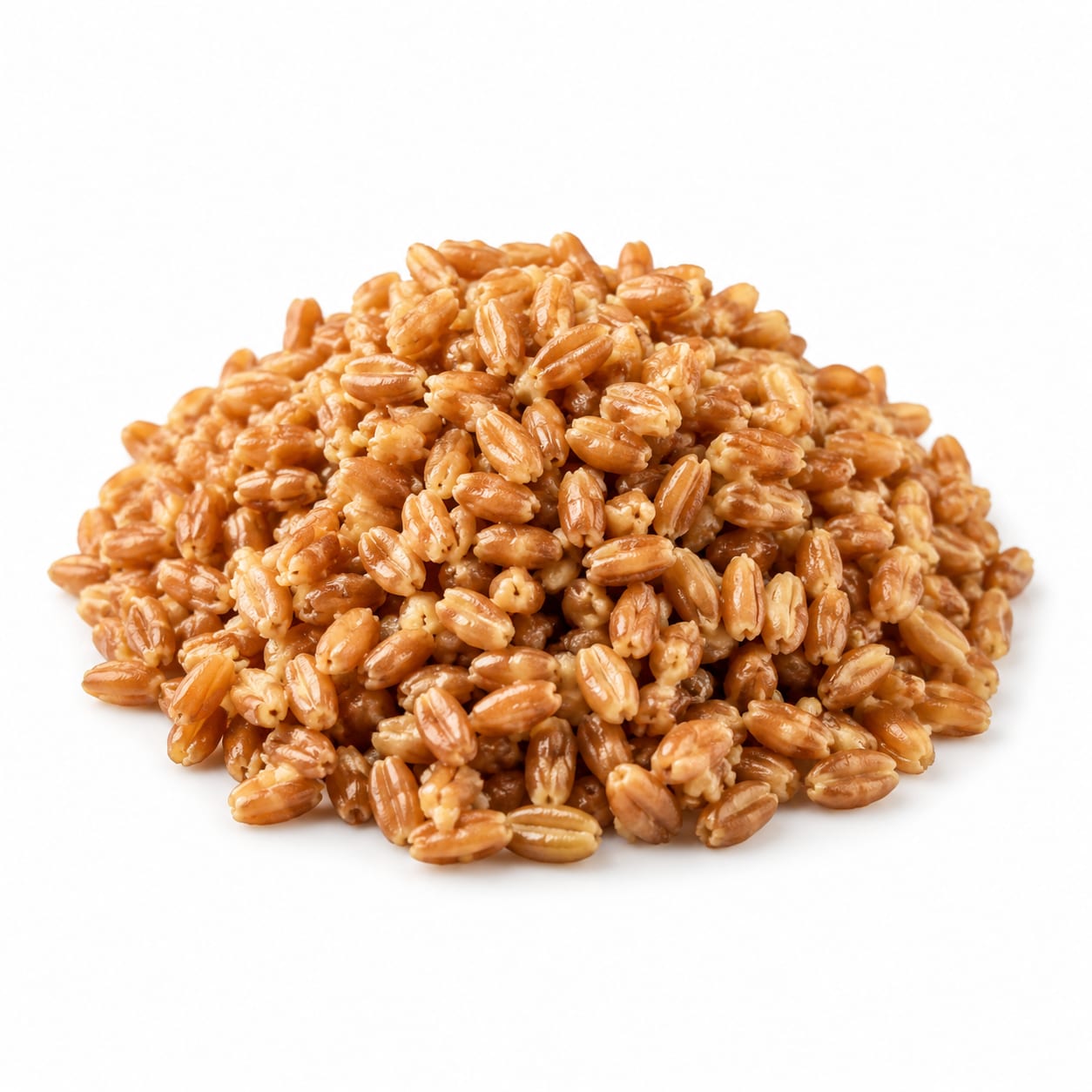
Spelt
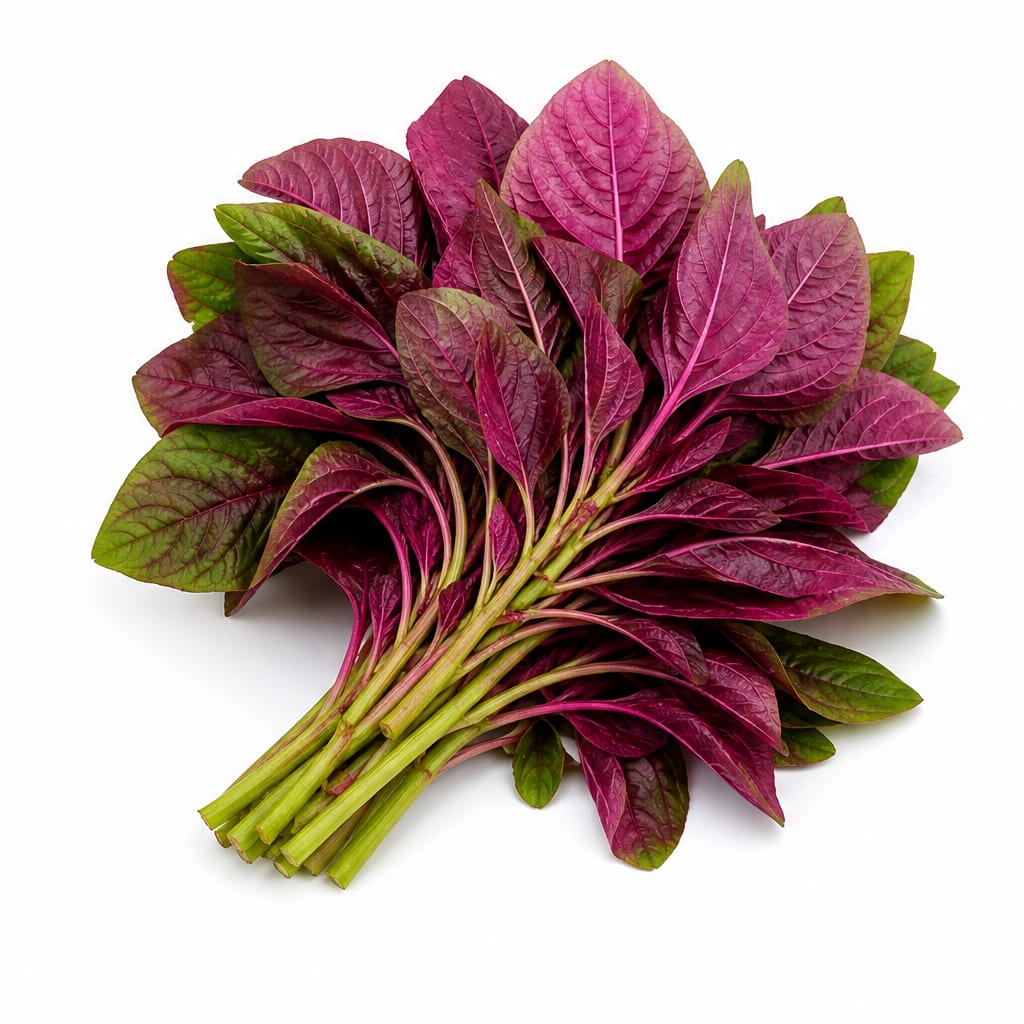
Amaranth
Amaranth wins for gluten-free diets and complete protein, while Spelt is superior for baking bread and pasta.
Amaranth scores slightly higher due to its complete protein profile and gluten-free nature, though Spelt remains an excellent choice for those who tolerate gluten and prioritize baking versatility.
Nutritional completeness and gluten-free benefits of Amaranth versus the baking flexibility and familiar texture of Spelt.
At a glance
Executive summary
Overall
It depends
Healthier
Amaranth
More practical
Spelt
Daily use
It depends
Key comparison lenses
Gluten-free diet compatibility
Amaranth is naturally gluten-free while Spelt contains gluten, making this the primary deciding factor for many consumers.
Protein quality and completeness
Amaranth offers a complete protein profile with lysine, which Spelt lacks, making it crucial for plant-based eaters.
Culinary application and baking performance
Spelt forms gluten networks ideal for bread, whereas Amaranth behaves very differently in recipes.
Best choice for
Spelt
- Bread baking
- Pasta making
- Those who tolerate gluten well
Amaranth
- Gluten-free diets
- Complete plant protein
- Iron deficiency
Least suitable for
Spelt
- Celiac disease
- Gluten intolerance
- Low-carb diets
Amaranth
- Yeast bread baking
- Quick weeknight pasta
Deep comparison
Dimension by dimension
Each lens scores both foods and breaks down who each option suits.
- Dimension 1 · Priority 90Amaranth
Nutrient Density & Protein Quality
Spelt · 75Amaranth · 92Amaranth provides a rare complete plant protein and significantly more iron and magnesium than Spelt.
Tradeoff
You gain lysine and minerals with Amaranth, but lose the chewy, satisfying texture Spelt provides in baked goods.
Why it matters
Complete proteins support muscle repair better, and higher iron is crucial for plant-based eaters.
Real-world impact
Eating Amaranth regularly makes it easier to hit protein and iron targets without combining different foods.
Spelt
- Familiar wheat-like nutrition in Spelt
- Moderate protein intake from Spelt
Better for
- Spelt is missing lysine
- Lower overall mineral density in Spelt
Worse for
Amaranth
- Complete amino acid profile in Amaranth
- Higher iron and magnesium in Amaranth
Better for
- Amaranth's dense texture can feel heavy
Worse for
- Dimension 2 · Priority 95Amaranth
Digestive Tolerance & Allergens
Spelt · 40Amaranth · 95Spelt contains gluten, making it unsuitable for celiacs, while Amaranth is naturally gluten-free and easy to digest.
Tradeoff
Amaranth is safe for almost everyone, whereas Spelt can cause inflammation and digestive distress for those with gluten sensitivity.
Why it matters
Gluten reactions can severely impact gut health and daily comfort.
Real-world impact
Choosing Amaranth eliminates bloating and brain fog for gluten-sensitive individuals.
Spelt
- Familiar digestion for those who tolerate Spelt well
Better for
- Spelt triggers gluten intolerance
- Celiac trigger
- Bloating for sensitive individuals
Worse for
Amaranth
- Celiac safety with Amaranth
- Gluten-free diets
- Sensitive stomachs
Better for
- Amaranth's high fiber can initially cause gas if introduced too fast
Worse for
- Dimension 3 · Priority 85Spelt
Culinary Versatility & Baking
Spelt · 90Amaranth · 65Spelt forms gluten, making it far superior for baking breads and making pasta, whereas Amaranth is best as a porridge or popped.
Tradeoff
Spelt gives you fluffy bread and chewy pasta, but Amaranth requires blending with other flours or sticking to porridge.
Why it matters
If you bake at home, Spelt behaves like whole wheat, while Amaranth behaves like a dense seed.
Real-world impact
You can easily swap Spelt into your favorite bread recipes, but Amaranth requires special recipes to taste good.
Spelt
- Spelt works for yeast bread baking
- Pasta dough
- Cookies and muffins
Better for
- Spelt dough needs kneading and resting
Worse for
Amaranth
- Amaranth is great for breakfast porridge
- Popped snacks
- Thickening soups
Better for
- Amaranth is terrible alone for bread
- Gummy texture if overcooked
Worse for
- Dimension 4 · Priority 80It depends
Blood Sugar Stability
Spelt · 78Amaranth · 75Both are whole grains that provide steady energy, though Amaranth can spike blood sugar slightly faster when eaten as a porridge.
Tradeoff
Spelt's chewier texture slows down digestion a bit more, but both are solid choices over refined grains.
Why it matters
Steady blood sugar prevents afternoon crashes and cravings.
Real-world impact
Both keep you full for hours, but pair them with protein and fat for the best results.
Spelt
- Spelt digests slightly slower when baked
Better for
- Spelt can spike blood sugar if highly milled
Worse for
Amaranth
- Amaranth has high fiber content
- Good for morning fuel
Better for
- Amaranth porridge digests faster than whole berries
Worse for
Timeline
Health impact over time
Short-term
Hours to days
Spelt
- Sustained energy from Spelt's complex carbs
- Possible bloating from Spelt if gluten-sensitive
Amaranth
- Highly filling due to Amaranth's protein and fiber
- Amaranth's earthy flavor takes getting used to
Long-term
Months to years
Spelt
- Good heart health from Spelt's fiber
- Risk of chronic inflammation from Spelt if gluten-intolerant
Amaranth
- Improved iron levels from Amaranth
- Better muscle maintenance from Amaranth's complete protein
Risk profile
Safety & processing
Both Spelt and Amaranth are ancient grains sold as whole berries or flours with minimal processing and no additives.
Spelt
Gluten exposure
highSpelt contains gluten, which triggers autoimmune responses in people with celiac disease.
Amaranth
Oxalates
lowAmaranth contains moderate oxalates, which might be a concern for those prone to kidney stones.
Who wins for whom
Audience fit
Same foods, different winners depending on your goal.
children
SpeltSpelt's milder flavor and familiar texture in baked goods make it much easier to get kids to eat it.
daily consumption
It dependsSpelt is great daily for bakers and gluten-tolerant individuals, while Amaranth is better daily for plant-based eaters needing complete protein.
diabetes
It dependsBoth have moderate glycemic loads, but Spelt's slower digestion when baked gives it a slight edge, while Amaranth's protein helps stabilize blood sugar.
elderly
AmaranthAmaranth's higher iron and calcium content supports bone density and prevents anemia in older adults.
muscle gain
AmaranthAmaranth is a complete protein containing all essential amino acids, supporting muscle repair better.
weight loss
AmaranthAmaranth's higher protein and fat content increase fullness, making it easier to eat smaller portions.
Your move
Decision guide
Choose Spelt
- You bake your own bread or make pasta
- You tolerate gluten well
- You want a direct substitute for whole wheat
Choose Amaranth
- You are gluten-free or cooking for someone who is
- You follow a plant-based diet and need complete proteins
- You want to boost your iron intake naturally
Either works if
- You want a nutrient-dense breakfast porridge
- You are looking to diversify your whole grain intake
Avoid both if
- You are on a strict keto or low-carb diet
Final recommendation
Keep both in your pantry: use Spelt for your baking needs and Amaranth for gluten-free porridge or protein boosting.
Practical
Consumer tips
- 1
Soak Amaranth overnight to reduce oxalates and improve digestion.
- 2
When baking with Spelt, use less water than wheat recipes as it absorbs less liquid.
- 3
Try popping Amaranth in a dry skillet for a crunchy, protein-rich topping.
- 4
Mix Amaranth flour with Spelt flour if you tolerate gluten for a nutrient-dense baking blend.