
Nutrition comparison
Spelt vs Wheat Berries: Which Whole Grain Is Better for You?
Compare spelt and wheat berries on fiber, digestion, blood sugar, and cooking time. Find out which ancient grain fits your health goals and kitchen routine.
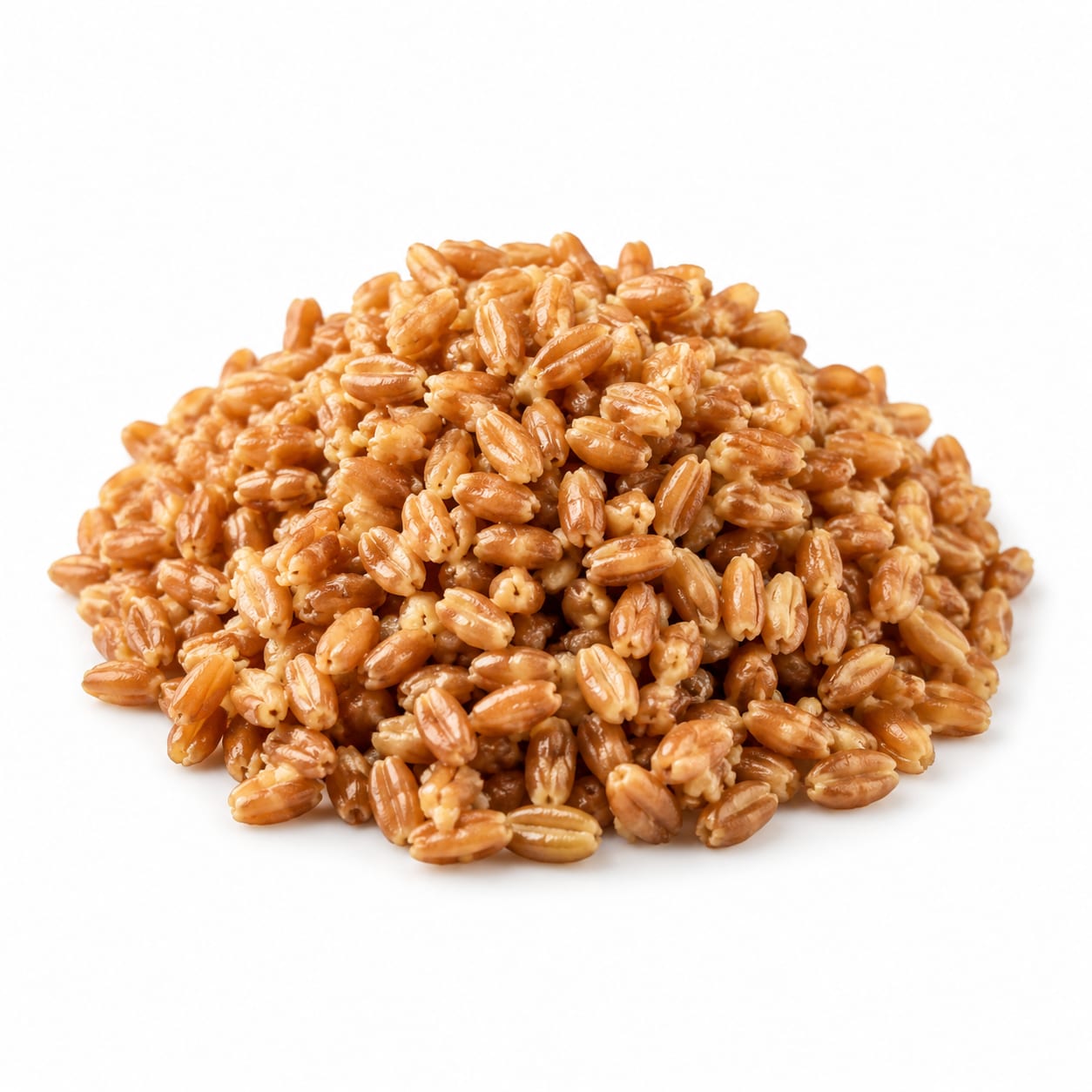
Spelt
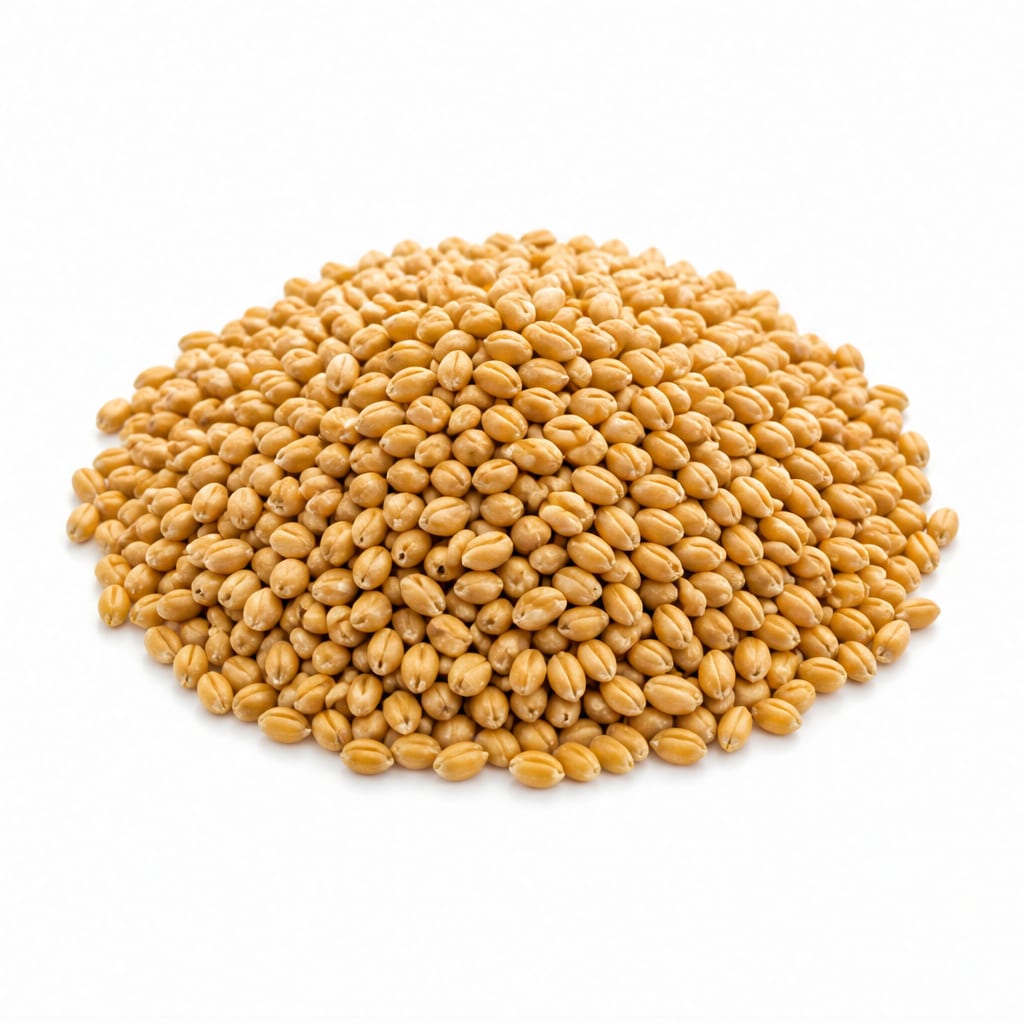
Wheat Berries
Wheat berries edge out spelt on pure nutrition and fullness, but spelt wins on versatility and digestibility. Your choice depends on whether you value maximum fiber or kitchen flexibility.
Wheat berries score slightly higher due to superior fiber and mineral density, but spelt stays competitive thanks to better practicality and broader kitchen usefulness. The small gap reflects that nutrition alone does not determine which grain people will actually eat regularly.
Wheat berries deliver more fiber and a stronger satiety punch, while spelt offers easier digestion, faster cooking, and baking versatility that wheat berries cannot match.
At a glance
Executive summary
Overall
It depends
Healthier
Wheat Berries
More practical
Spelt
Daily use
Spelt
Key comparison lenses
ancient grain vs whole wheat kernel nutritional superiority
Users comparing these two are usually deciding which whole grain offers better nutrition and digestibility
gluten sensitivity and digestive tolerance differences
Spelt is often sought by people with mild wheat issues, making tolerance a key decision factor
cooking practicality and weeknight feasibility
Wheat berries require long cooking times, which heavily influences whether people actually eat them
blood sugar management and satiety
Both are whole grains but differ in fiber content and glycemic impact enough to matter
versatility across recipes and meal types
Spelt flour enables baking while wheat berries are limited to grain bowls and salads
Best choice for
Spelt
- People with mild wheat sensitivity seeking an alternative grain
- Home bakers wanting a nutritious flour for bread and pasta
- Busy cooks needing a grain that cooks in under 30 minutes
- Anyone wanting a lighter-tasting whole grain for everyday meals
Wheat Berries
- Those prioritizing maximum fiber intake and gut health
- People focused on blood sugar stability and long-lasting fullness
- Meal preppers who cook big batches once a week
- Anyone wanting the most nutrient-dense whole wheat option available
Least suitable for
Spelt
- People avoiding all gluten, including those with celiac disease
- Anyone seeking the absolute highest fiber grain option
- Those wanting a grain that keeps them full for 5+ hours
Wheat Berries
- People with limited weeknight cooking time
- Anyone who dislikes chewy, dense grain textures
- Those wanting a grain they can also use for baking flour
Deep comparison
Dimension by dimension
Each lens scores both foods and breaks down who each option suits.
- Dimension 1 · Priority 95Wheat Berries
Fiber and Satiety
Spelt · 70Wheat Berries · 92Wheat berries deliver substantially more fiber per serving, keeping you fuller for longer and supporting better digestion.
Tradeoff
You gain superior fullness with wheat berries but sacrifice the lighter eating experience that spelt provides.
Why it matters
Fiber is the single biggest differentiator between grains for weight management and gut health. Wheat berries offer roughly 6-8g more fiber per cup cooked than spelt.
Real-world impact
A wheat berry bowl at lunch can keep you satisfied until dinner. A spelt bowl may leave you reaching for a snack by mid-afternoon.
Spelt
- Lighter meals where you do not want to feel overly stuffed
Better for
- Situations requiring maximum satiety from a single meal
Worse for
Wheat Berries
- Weight management through natural appetite control
- Gut health and regular digestion
- Long workdays where you cannot snack between meals
Better for
- Small appetites where excessive fullness feels uncomfortable
Worse for
- Dimension 2 · Priority 90Spelt
Digestive Tolerance
Spelt · 82Wheat Berries · 65Spelt is often easier to digest than modern wheat, making wheat berries tougher on sensitive stomachs despite their fiber advantage.
Tradeoff
Spelt offers gentler digestion but still contains gluten. Wheat berries provide more gut-feeding fiber but can cause bloating in sensitive people.
Why it matters
Many people exploring spelt do so because common wheat causes discomfort. Spelt has a more fragile gluten structure that some find easier to break down.
Real-world impact
If regular wheat leaves you bloated or sluggish, spelt may feel noticeably lighter after meals. Wheat berries might cause gas if your body is not used to high-fiber whole kernels.
Spelt
- People with mild wheat sensitivity who still tolerate gluten
- Those transitioning from refined grains who need a gentler whole grain
Better for
- Anyone with celiac disease or confirmed gluten intolerance
Worse for
Wheat Berries
- People with ironclad digestion who thrive on high-fiber foods
Better for
- People prone to bloating or irritable bowel symptoms from high fiber
Worse for
- Dimension 3 · Priority 88Wheat Berries
Nutritional Density
Spelt · 75Wheat Berries · 88Wheat berries retain the complete kernel with bran, germ, and endosperm fully intact, delivering more iron, zinc, magnesium, and B vitamins per serving.
Tradeoff
Wheat berries pack more micronutrients but require longer cooking that can degrade some heat-sensitive vitamins like folate.
Why it matters
The intact bran layer in wheat berries preserves minerals that get partially lost even in whole spelt flour. If you eat grains partly for their mineral contribution, wheat berries deliver more reliably.
Real-world impact
Over months, consistently choosing wheat berries could contribute more meaningatively to your iron and magnesium intake compared to spelt, especially if you rely on grains as a primary mineral source.
Spelt
- Getting a broader range of B vitamins, particularly niacin
Better for
- Relying on it as a primary iron or magnesium source
Worse for
Wheat Berries
- Iron and magnesium intake
- Zinc for immune support
- Overall mineral contribution to a plant-based diet
Better for
- Preserving heat-sensitive nutrients during long cooking
Worse for
- Dimension 4 · Priority 85Spelt
Cooking Practicality
Spelt · 85Wheat Berries · 50Spelt berries cook in 20-30 minutes and spelt flour is widely available for baking. Wheat berries need 45-60 minutes and have no flour equivalent.
Tradeoff
Spelt fits into a busy weeknight. Wheat berries demand planning ahead or a pressure cooker to be practical.
Why it matters
The best grain nutritionally is worthless if you never cook it. Cooking time is the biggest barrier to whole grain adoption.
Real-world impact
You can decide to make spelt at 6pm and eat by 6:30. Wheat berries require soaking overnight or accepting a longer wait, which makes spontaneous cooking difficult.
Spelt
- Weeknight dinners with limited prep time
- Spontaneous meal decisions
- Baking bread, pancakes, muffins, and pasta from flour
Better for
- Nothing significant, spelt is clearly more convenient
Worse for
Wheat Berries
- Weekend meal prep sessions where you cook large batches
Better for
- Last-minute cooking
- Anyone without a pressure cooker or 60 minutes to spare
Worse for
- Dimension 5 · Priority 82Wheat Berries
Blood Sugar Stability
Spelt · 72Wheat Berries · 84Wheat berries have a lower effective glycemic impact thanks to higher fiber slowing glucose absorption more significantly.
Tradeoff
Both grains are far better than refined wheat, but wheat berries provide steadier energy over more hours.
Why it matters
For anyone monitoring blood sugar, the extra fiber in wheat berries creates a meaningfully slower and lower glucose response.
Real-world impact
After wheat berries, you are less likely to experience the energy dip that can follow even whole grain meals. Spelt is still steady, just not quite as flat on the glucose curve.
Spelt
- Still a strong choice compared to any refined grain
Better for
- Those needing the tightest blood sugar control possible
Worse for
Wheat Berries
- Prediabetes or diabetes management
- Avoiding afternoon energy crashes
- Sustained energy for long physical workdays
Better for
- Nothing significant for this dimension
Worse for
- Dimension 6 · Priority 78Spelt
Versatility and Kitchen Usefulness
Spelt · 90Wheat Berries · 55Spelt works as a whole grain, flour, pasta, and bread ingredient. Wheat berries are limited to grain bowls, salads, and porridge.
Tradeoff
Spelt opens up your entire baking repertoire. Wheat berries lock you into savory grain dishes only.
Why it matters
A grain you can use five ways gets eaten five times more often than a grain you can use one way.
Real-world impact
With spelt, you can make morning pancakes, lunch salads with spelt berries, and dinner pasta all from the same grain. Wheat berries are excellent but confine you to one style of eating.
Spelt
- Baking bread and pastries
- Making homemade pasta
- Sweet and savory applications equally
Better for
- Nothing significant, spelt is clearly more versatile
Worse for
Wheat Berries
- Hearty grain bowls and salads
- Warm breakfast porridge with rich texture
Better for
- Baking anything
- Making flour-based dishes
Worse for
Timeline
Health impact over time
Short-term
Hours to days
Spelt
- Gentler post-meal digestion compared to modern wheat
- Moderate sustained energy for 3-4 hours
- Less bloating than wheat berries for sensitive stomachs
Wheat Berries
- Strong feeling of fullness lasting 4-5 hours
- Possible gas or bloating if transitioning from low-fiber diet
- Very stable energy with minimal crash risk
Long-term
Months to years
Spelt
- Better mineral absorption than refined grains but less than wheat berries
- Supports heart health through moderate fiber intake
- May help maintain wheat tolerance in those with mild sensitivity
Wheat Berries
- Significant improvement in gut microbiome diversity from high fiber
- Stronger cardiovascular protection from consistent high fiber intake
- Better long-term blood sugar regulation and diabetes risk reduction
Risk profile
Safety & processing
Both spelt and wheat berries are whole, minimally processed grains with no artificial additives. The key difference is that spelt is more commonly available as flour, which involves milling but still retains whole grain status if labeled whole spelt flour.
Spelt
Gluten exposure for celiacs
highSpelt contains gluten and is absolutely not safe for anyone with celiac disease, despite common misconceptions that it is a gluten-free ancient grain.
Cross-contamination in processing facilities
lowSpelt is often processed alongside modern wheat, so trace contamination is possible if you have severe wheat allergy.
Wheat Berries
Gluten exposure for celiacs
highWheat berries are pure wheat kernels and contain the full complement of wheat gluten. Completely unsafe for celiac or gluten-intolerant individuals.
Phytic acid reducing mineral absorption
mediumThe intact bran in wheat berries contains phytic acid that can bind to iron, zinc, and calcium, reducing absorption. Soaking before cooking mitigates this significantly.
Who wins for whom
Audience fit
Same foods, different winners depending on your goal.
children
SpeltSpelt has a milder, slightly nutty flavor and softer texture that children accept more readily than the dense chewiness of wheat berries.
daily consumption
SpeltSpelt's versatility across flour and whole grain forms makes it far easier to incorporate into daily meals without monotony.
diabetes
Wheat BerriesThe superior fiber content in wheat berries creates a flatter, more predictable blood sugar response that is easier to manage with medication or insulin timing.
elderly
SpeltSpelt is easier to chew and digest, which matters significantly for older adults with dental concerns or slowing digestion.
muscle gain
SpeltSpelt provides slightly more protein per calorie and is easier to eat in larger quantities due to lighter digestion, supporting higher carbohydrate intake for training.
weight loss
Wheat BerriesHigher fiber and greater satiety from wheat berries naturally reduce overall calorie intake by keeping you fuller longer between meals.
Your move
Decision guide
Choose Spelt
- You want one grain that works for baking, cooking, and everything in between
- Modern wheat bothers your stomach but you are not celiac
- You have 30 minutes or less for weeknight grain cooking
- You prefer a lighter, less dense eating experience
- You want to introduce whole grains to picky eaters or children
Choose Wheat Berries
- Maximum fiber and gut health is your top priority
- You meal prep on weekends and cook grains in large batches
- Blood sugar management is a daily concern
- You love chewy, hearty textures in grain bowls and salads
- You have a pressure cooker and want the most nutritious whole wheat possible
Either works if
- You are avoiding refined grains and want a whole grain upgrade
- You tolerate gluten well and just want a nutritious staple
- You rotate grains for dietary diversity
Avoid both if
- You have celiac disease or confirmed gluten intolerance
- You are following a strict low-carb or ketogenic diet
- You have a severe wheat allergy
Final recommendation
Keep both in your pantry if possible. Use wheat berries for weekend meal prep and grain bowls where their fiber and chewiness shine. Use spelt for everyday cooking and baking where convenience and versatility matter more. If you must choose one, spelt is the more practical daily staple, but wheat berries are the nutritional powerhouse.
Practical
Consumer tips
- 1
Soak wheat berries overnight to cut cooking time in half and reduce phytic acid for better mineral absorption
- 2
If spelt flour is your primary baking flour, start by replacing half your regular flour to adjust to its slightly sweeter, nuttier flavor
- 3
Pressure cook wheat berries for 25 minutes instead of simmering for 60 to make them weeknight-feasible
- 4
Freeze cooked wheat berries in portioned bags so you always have ready-to-use grains without the wait
- 5
Look for whole spelt flour rather than refined spelt flour to get the full fiber benefit
- 6
Rinse both grains before cooking to remove any debris and reduce surface starch that can make them gummy