
Nutrition comparison
Spelt vs Farro: Which Ancient Grain Is Better for You?
Compare spelt and farro nutrition, protein, fiber, glycemic impact, and best uses. Learn which ancient grain fits your cooking style and health goals.
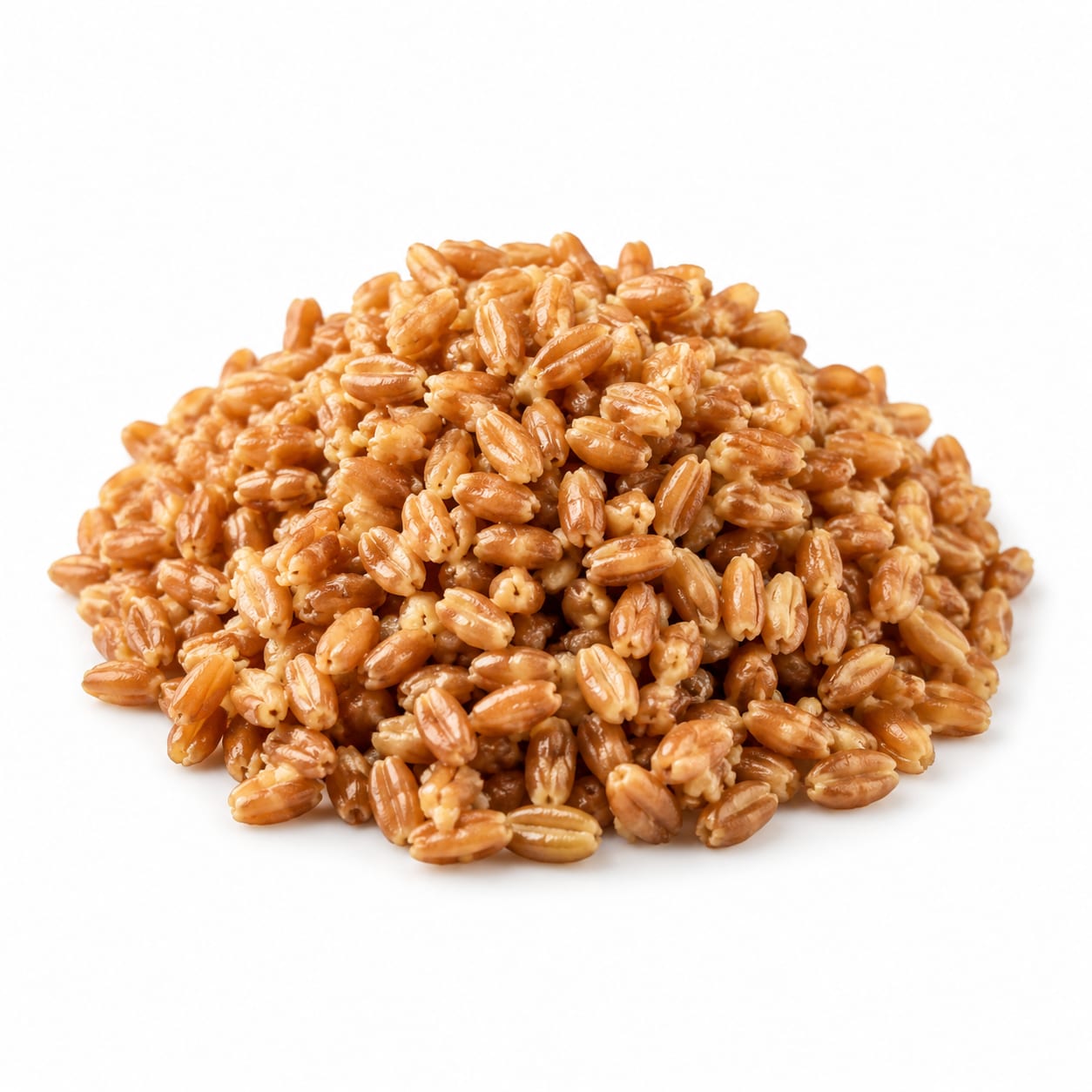
Spelt
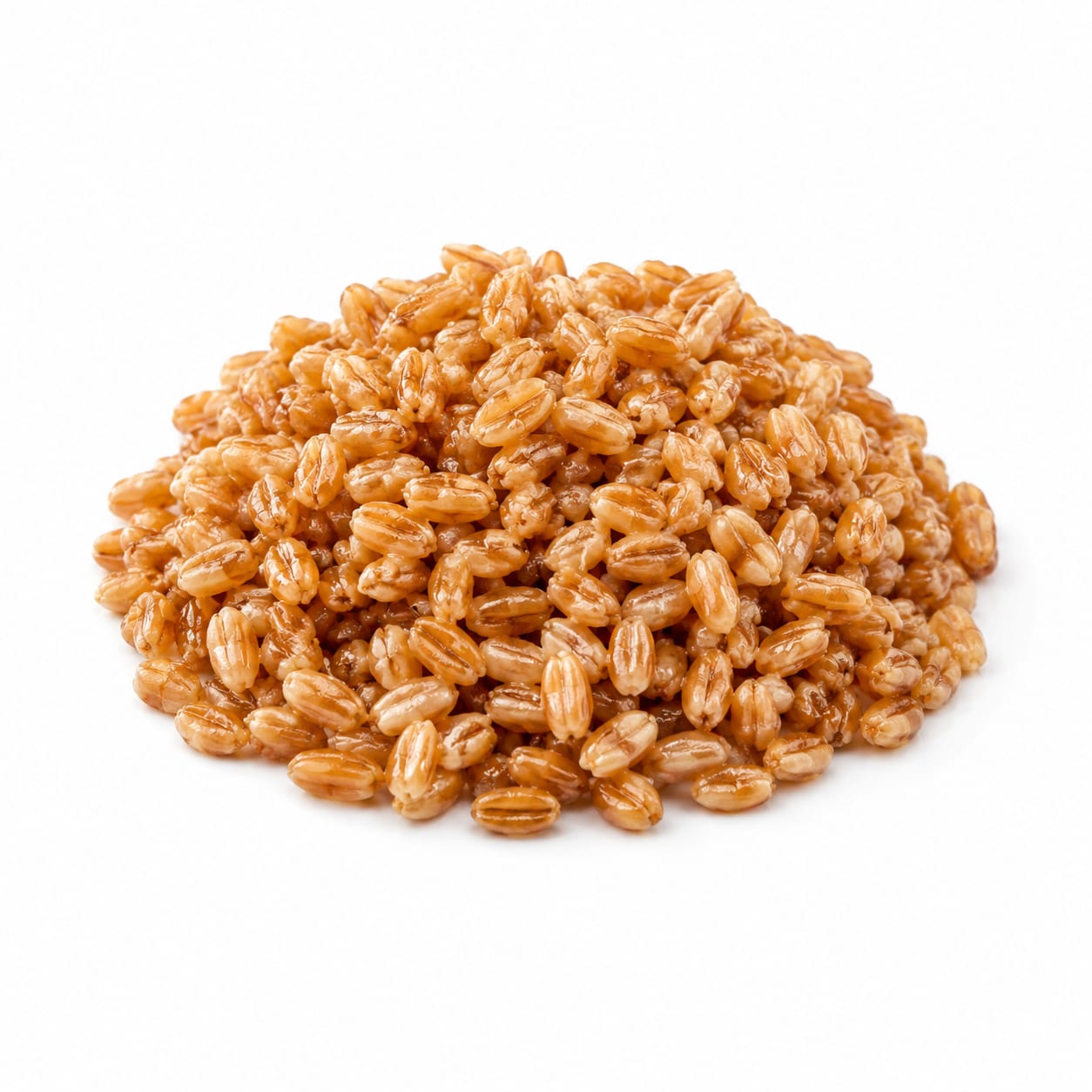
Farro
Spelt and farro are nutritional siblings with distinct personalities. Spelt wins for baking and protein; farro wins for texture, fiber, and salads. Choose based on how you cook, not which is healthier.
Farro edges ahead slightly due to better fiber content, lower glycemic impact as a whole grain, and superior satiety. Spelt matches or exceeds farro in protein and baking versatility. The two-point gap reflects farro's small but real advantage for everyday whole-grain eating, not a decisive victory.
Spelt offers more protein and better baking performance, while farro delivers chewier texture, slightly more fiber, and a lower glycemic load when eaten as whole grains.
At a glance
Executive summary
Overall
It depends
Healthier
It depends
More practical
Farro
Daily use
It depends
Key comparison lenses
ancient grain selection for nutritional superiority
Users comparing these two are almost always deciding which ancient grain to adopt as a staple
digestive tolerance and gluten sensitivity
Both are wheat relatives, so gluten and digestion concerns are central to the decision
culinary versatility and cooking practicality
These grains behave differently in recipes, which strongly influences daily use
blood sugar management
Ancient grain adopters often care about glycemic impact and sustained energy
baking versus whole grain bowl usage
Spelt excels in flour form while farro shines as a whole grain, shaping how people actually eat them
Best choice for
Spelt
- Bakers wanting a nutritious flour alternative
- Those seeking higher protein intake from grains
- People who prefer lighter, slightly sweet flavor
- Anyone meal-prepping homemade bread or pancakes
Farro
- Grain bowl and salad enthusiasts
- Those prioritizing steady blood sugar and fullness
- People wanting a chewy, satisfying grain texture
- Mediterranean diet followers
Least suitable for
Spelt
- Anyone with celiac disease or serious gluten intolerance
- People wanting a distinct, nutty grain for salads
- Those who find wheat-heavy diets bloating
Farro
- Anyone with celiac disease or serious gluten intolerance
- Bakers wanting a reliable flour substitute
- People who dislike chewy or firm grain textures
Deep comparison
Dimension by dimension
Each lens scores both foods and breaks down who each option suits.
- Dimension 1 · Priority 88Spelt
protein_content
Spelt · 78Farro · 72Spelt delivers roughly 14-15g protein per 100g dry versus farro's 12-14g, giving it a meaningful edge for protein-focused eaters.
Tradeoff
The protein gap is modest and shrinks further when comparing cooked portions, but spelt consistently comes out slightly ahead.
Why it matters
Higher protein from grains means better satiety and less need to rely on animal protein at every meal.
Real-world impact
A spelt grain bowl keeps you full about 20-30 minutes longer than a farro bowl of the same size, though both outperform white rice significantly.
Spelt
- Athletes relying on grains for protein
- Vegetarians counting every gram of protein
- Anyone replacing refined flour with a higher-protein alternative
Better for
Farro
- Those prioritizing maximum protein from grain sources
Worse for
- Dimension 2 · Priority 90Farro
fiber_and_digestive_health
Spelt · 72Farro · 80Farro typically provides more fiber per serving, especially insoluble fiber, which supports regular digestion and steadier blood sugar.
Tradeoff
Spelt's fiber is still strong compared to modern wheat, but farro's denser bran structure gives it a measurable advantage for gut health.
Why it matters
Fiber from whole grains is the single most predictive nutrient for long-term metabolic and digestive health.
Real-world impact
Farro eaters report less afternoon energy crash and more consistent digestion, especially when switching from refined grains.
Spelt
- People who need very high fiber intake for digestive regularity
Worse for
Farro
- People with sluggish digestion
- Anyone managing blood sugar concerns
- Those wanting maximum fullness from grain portions
Better for
- Dimension 3 · Priority 85Farro
glycemic_impact
Spelt · 68Farro · 74Farro has a slightly lower glycemic index than spelt, especially when consumed as whole berries rather than flour.
Tradeoff
Both grains are moderate-GI foods far superior to white flour or white rice, but farro's denser structure slows glucose release more effectively.
Why it matters
Steadier blood sugar means fewer cravings, better focus, and less fat storage over time.
Real-world impact
A farro lunch is less likely to trigger a 3pm energy dip compared to spelt, though the difference is subtle and both beat pasta or bread.
Spelt
- People highly sensitive to blood sugar spikes
Worse for
Farro
- People with prediabetes or insulin resistance
- Anyone prone to energy crashes after carb-heavy meals
- Those monitoring glycemic load carefully
Better for
- Dimension 4 · Priority 82It depends
culinary_versatility
Spelt · 80Farro · 76Spelt dominates in baking applications while farro excels as a standalone whole grain in savory dishes.
Tradeoff
Spelt flour creates lighter, more familiar baked goods. Farro berries hold their chew beautifully in soups and salads but make poor flour.
Why it matters
The best grain is the one you actually enjoy cooking and eating regularly.
Real-world impact
If you bake bread or pancakes weekly, spelt flour is transformative. If you meal-prep grain bowls, farro is more satisfying and holds texture longer in the fridge.
Spelt
- Home bakers wanting nutritious flour
- Families making pancakes, muffins, or bread
- Anyone transitioning from white flour who wants similar behavior
Better for
- People wanting a salad grain that holds firm texture
Worse for
Farro
- Meal preppers making grain bowls or salads
- Soup and stew lovers wanting a hearty grain addition
- Anyone who enjoys chewy, nutty grain textures
Better for
- Anyone primarily looking for a baking flour
Worse for
- Dimension 5 · Priority 75Spelt
mineral_and_micronutrient_density
Spelt · 76Farro · 73Spelt edges ahead in iron, magnesium, and zinc content, though both grains are strong mineral sources compared to modern wheat.
Tradeoff
The mineral differences are small and unlikely to matter unless ancient grains are your primary mineral source.
Why it matters
Iron and magnesium deficiencies are common, and grain-based minerals contribute meaningfully to daily intake.
Real-world impact
Over months of daily consumption, spelt's slightly higher mineral content could contribute to better energy and less muscle cramping, but diet diversity matters more.
Spelt
- Women with low iron levels
- Anyone prone to muscle cramps or fatigue
- Those relying heavily on grains for mineral intake
Better for
Farro
- People counting on grains as a primary iron source
Worse for
- Dimension 6 · Priority 87Farro
satiety_and_fullness
Spelt · 72Farro · 80Farro's chewier texture and higher fiber content create a stronger and longer-lasting fullness signal.
Tradeoff
Spelt is still more filling than modern wheat, but farro's physical density and slower digestion make it the better appetite regulator.
Why it matters
Feeling full longer means less snacking, fewer calories consumed overall, and better portion control without willpower.
Real-world impact
A cup of cooked farro at lunch typically prevents late-afternoon hunger more effectively than the same volume of spelt.
Spelt
- People who need maximum satiety from grain dishes
Worse for
Farro
- Emotional eaters needing physical fullness cues
- Anyone trying to reduce snacking between meals
- Portion-conscious eaters wanting maximum satisfaction
Better for
Timeline
Health impact over time
Short-term
Hours to days
Spelt
- Provides steady energy with moderate blood sugar rise
- Can cause bloating in sensitive individuals due to gluten and FODMAPs
- Higher protein content supports post-meal fullness
- Spelt flour in baked goods digests faster than whole spelt berries
Farro
- Delivers longer-lasting fullness due to chewy texture and fiber density
- Less likely to cause rapid blood sugar spikes compared to spelt flour
- May feel heavy in the stomach if undercooked
- Supports consistent energy for 3-4 hours after a meal
Long-term
Months to years
Spelt
- Regular consumption supports improved iron and magnesium status
- Baking with spelt flour instead of white flour meaningfully reduces refined carb exposure
- Gluten content makes this unsuitable for anyone developing celiac disease
- May contribute to wheat-dependent exercise-induced anaphylaxis in rare cases
Farro
- Consistent intake improves digestive regularity through higher insoluble fiber
- Lower glycemic load supports better long-term insulin sensitivity
- Supports healthy gut microbiome diversity through prebiotic fiber
- Gluten content makes this unsuitable for anyone with celiac disease
Risk profile
Safety & processing
Both spelt and farro are sold as whole ancient grains with minimal processing. Spelt is more commonly available as flour, which involves milling but no additives. Farro is sometimes sold semi-pearled, which removes some bran and reduces fiber content. Always choose whole or unpearled farro for maximum nutrition.
Spelt
Gluten exposure for celiac individuals
highSpelt contains gluten and is absolutely unsafe for anyone with celiac disease. Some people with mild wheat sensitivity tolerate spelt better, but this is unreliable and potentially dangerous.
Cross-contamination in processing facilities
mediumSpelt is often processed alongside modern wheat, so those with severe allergies should seek certified pure batches.
FODMAP sensitivity
mediumSpelt contains fructans that can trigger IBS symptoms in sensitive individuals, though spelt is sometimes better tolerated than modern wheat on low-FODMAP diets.
Farro
Gluten exposure for celiac individuals
highFarro contains gluten and is unsafe for anyone with celiac disease. Despite marketing as an ancient grain, it triggers the same autoimmune response.
Pearling reduces nutritional value
mediumSemi-pearled or pearled farro has bran removed, which significantly reduces fiber and mineral content. Many consumers unknowingly buy the less nutritious version.
Confusion with spelt labeling
lowIn the US, farro is sometimes mislabeled and may actually be spelt, creating confusion for those tracking which grain they consume.
Who wins for whom
Audience fit
Same foods, different winners depending on your goal.
children
SpeltSpelt flour creates lighter, more kid-friendly baked goods, making it easier to sneak whole grains into pancakes, muffins, and bread children actually eat.
daily consumption
It dependsIf you bake, spelt flour is the better daily staple. If you cook grain bowls or soups, farro is more satisfying and nutritionally advantageous day to day.
diabetes
FarroFarro's lower glycemic index and higher fiber content provide steadier blood sugar, making it the safer choice for glucose management.
elderly
FarroFarro's superior fiber content supports digestive regularity, which becomes increasingly important with age. Its softer texture when fully cooked is also gentle on aging digestive systems.
muscle gain
SpeltSpelt's slightly higher protein content gives it a small edge, though both grains should be paired with legumes or animal protein for serious muscle building.
weight loss
FarroFarro's higher fiber and chewier texture create stronger satiety signals, making it easier to eat smaller portions without feeling deprived.
Your move
Decision guide
Choose Spelt
- You bake regularly and want a nutritious flour that behaves similarly to all-purpose wheat flour
- Protein content from grains matters to your meal planning
- You prefer a lighter, slightly sweet flavor in your grains
- You want an ancient grain that works in pancakes, bread, muffins, and pasta
- You are transitioning kids or picky eaters away from refined white flour
Choose Farro
- You primarily eat grains as whole berries in bowls, salads, or soups
- Blood sugar management is a priority for you
- You want maximum fullness and digestive regularity from your grains
- You follow a Mediterranean eating pattern
- You meal-prep and want a grain that holds texture for days in the fridge
Either works if
- You have celiac disease or gluten intolerance — both are unsafe
- You want an ancient grain upgrade from white rice or pasta
- You are looking for more nutrients than modern wheat provides
- You enjoy rotating grains for dietary diversity
Avoid both if
- You have celiac disease — neither grain is safe
- You have a confirmed wheat allergy — both will trigger reactions
- You are strictly following a low-FODMAP diet during elimination phase
- You are sensitive to gluten and have not confirmed tolerance with a healthcare provider
Final recommendation
Let your kitchen habits decide. If your ancient grain journey lives in the oven, spelt flour is your ally. If it lives in a bowl with vegetables and olive oil, farro is the better companion. Nutritionally, both are excellent upgrades from modern wheat. The worst choice is the one that sits in your pantry unused.
Practical
Consumer tips
- 1
Buy whole or unpearled farro whenever possible — pearled farro loses much of its fiber and mineral advantage
- 2
Spelt flour can substitute for all-purpose flour in most recipes at a 1:1 ratio, but add slightly less liquid as spelt absorbs differently
- 3
Soak farro overnight to reduce cooking time from 40 minutes to about 20
- 4
If trying spelt berries, cook them like farro — they make a hearty grain bowl base with a slightly softer chew
- 5
Store both grains in airtight containers in a cool, dark place — the natural oils in ancient grains can go rancid faster than modern wheat
- 6
Look for certified gluten-free labels if you need guaranteed no cross-contamination, though neither grain is inherently gluten-free
- 7
Spelt flour works beautifully in sourdough — the fermentation further improves nutrient absorption and digestibility