
Vegetable
Spaghetti Squash
A low-calorie winter squash whose cooked flesh separates into strands resembling pasta.
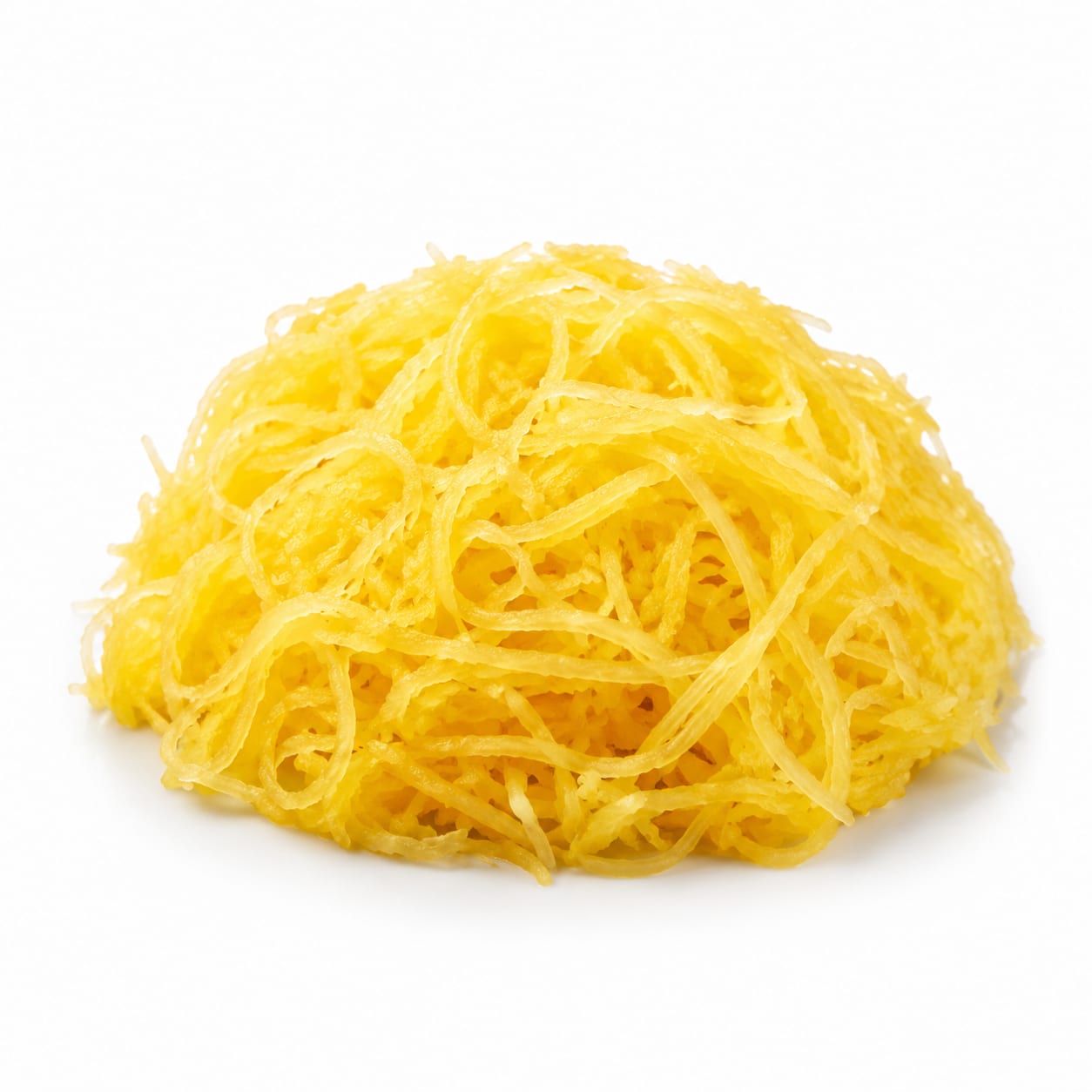
Spaghetti squash is a medium-sized winter squash with a pale yellow or orange rind that, when cooked, separates into long, pasta-like strands. It is widely used as a low-calorie, low-carbohydrate substitute for traditional wheat pasta.
high-volume low-calorie pasta substitute
Typical serving · 155g
Common varieties · hasta la pasta, orangetti, tivoli, small wonder, goldetti
Overall context score across nutrition, safety, and diet fit
At a glance
Quick facts
Simple indicators based on nutrition, processing, and diet fit.
The story
What makes it unique
Spaghetti squash is composed mostly of water, resulting in very low energy density. Its carbohydrate content is modest and accompanied by a small amount of fiber, which slows digestion and minimizes glycemic impact. As a minimally processed whole food, it provides high physical volume and visual satiety with minimal caloric load.
Varieties: hasta la pasta · orangetti · tivoli · small wonder · goldetti
Per 100g
Nutrition breakdown
Macro balance and key metrics at a glance.
Energy
Density 0.31 kcal/g
Protein
Carbs
Fat
Fiber
Sugar
2.8 g
Sodium
17 mg
Potassium
108 mg
Glycemic index
32
Glycemic load
2
Water content
91%
Standout compounds
Nutrient highlights
Vitamin C
moderateSupports immune function and collagen synthesis
Potassium
moderateHelps regulate blood pressure and fluid balance
Vitamin B6
moderateAids in protein metabolism and cognitive development
Fiber
lowPromotes digestive regularity and satiety
Wellness map
Health scores & processing
NOVA processing scale
minimally processed · Whole food
Spaghetti squash is a whole, unrefined vegetable that requires only cooking to prepare for consumption.
Diet compatibility
- Weight loss
- Muscle gain
- Diabetes
- Gut health
- Low carb
- High protein
- Heart health
Relative standing
Food rankings
Qualitative ranks compared to similar whole foods.
- Satietygood
- Blood sugarexcellent
- Nutrient densitymoderate
- Fitness fuelmoderate
- Processing qualityexcellent
Eat with confidence
Food safety profile
Spaghetti squash is very safe to consume. The thick skin protects the edible flesh from most agricultural chemicals and microbial contamination. Washing the rind before cutting prevents transferring dirt or bacteria to the flesh.
Evidence confidence 95%
- Pesticideslow
- Antibioticslow
- Heavy metalslow
- Contaminationlow
Watch for
- soilborne bacteria on rind
Safer choices
Organic varieties are available but conventional is already very low risk.
Prep tips
Wash the outer rind thoroughly under running water before slicing. Use a sharp, sturdy knife and stable cutting surface to prevent injury when cutting the hard raw squash.
None significant. Winter squashes generally show low pesticide residue due to their thick, protective rind.
Deep dive
Health analysis
How this food may fit different goals and preparation choices.
Weight loss
Extremely low energy density allows for large portion sizes with minimal caloric intake, making it easier to sustain a calorie deficit.
Blood sugar
Minimal impact on blood glucose due to low carbohydrate and sugar content, making it a safe option for glucose management.
Fitness & energy
Not optimal for high-intensity fueling or glycogen replenishment due to low carb content, but useful for athletes during calorie-cutting phases.
Gut health
Provides mild fiber support for digestion and promotes regularity, though it is not a high-fiber powerhouse.
Processing quality
A whole, unprocessed food that retains all natural cellular structures and micronutrients.
Food safety
Very safe agricultural product with thick skin that naturally shields the edible portion from contaminants.
Common mistakes
Overcooking results in mushy strands rather than distinct, al dente noodles. Expecting it to taste exactly like wheat pasta leads to disappointment; it has a mild, slightly sweet squash flavor.
Best preparation
Roasting halves face-down on a sheet pan, or microwaving, then scraping the flesh with a fork to create strands.
Practical guide
Best use cases
When and how this food fits real eating patterns.
Low Carb Pasta Night
Serves as the perfect base for marinara, meatballs, or garlic and oil when avoiding traditional wheat pasta.
High Volume Calorie Deficit Meals
Allows dieters to fill their plate with a large portion of food for under 100 calories per cup.
Gluten Free Grain Alternative
A naturally gluten-free option for those with celiac disease or gluten sensitivity who miss noodle-based dishes.
Balance sheet
Pros & cons
Upsides
- Very low in calories and carbohydrates
- Excellent high-volume food for weight loss
- Naturally gluten-free and grain-free
- Provides a satisfying pasta-like texture for sauces
- Simple to prepare with minimal processing
Trade-offs
- Low in protein and dietary fat, requiring pairing for balanced meals
- Does not replicate the exact taste or chew of wheat pasta
- Can become mushy and release excess water if overcooked
- Hard and difficult to cut when raw
Fit check
Who is it for?
Great match
- calorie deficit diets
- low carb meal planning
- gluten-free diets
- blood sugar management
- high volume eating
Consider alternatives
- high-protein diets
- bulking or high-calorie needs
- those seeking dense energy sources for endurance sports
Side by side
How it compares
Open the full head-to-head analysis for nutrition, safety, and practical tradeoffs.
This food
Spaghetti Squash
VS95% alike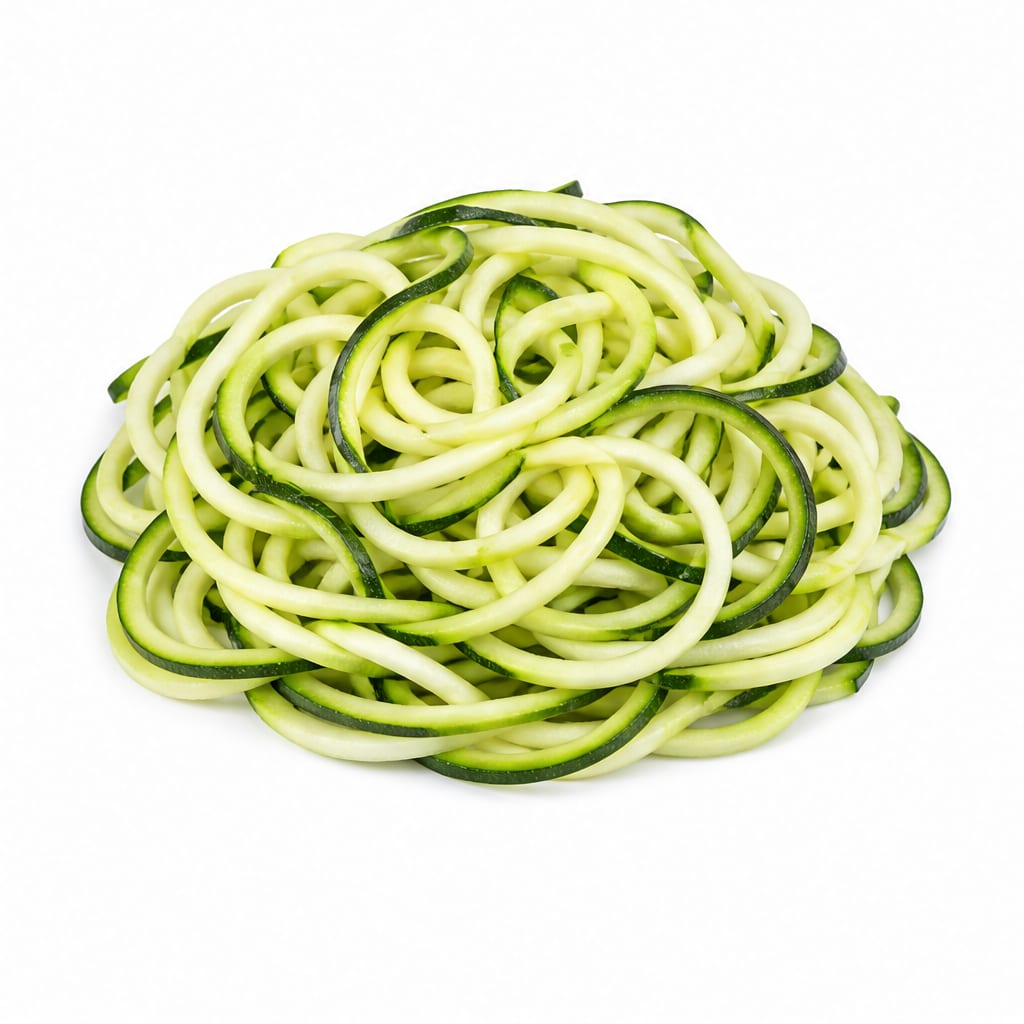
Compare with
Zucchini Noodles
Zucchini noodles are lower in carbs and calories but can be wetter, while spaghetti squash offers a slightly firmer strand that holds up better in baked dishes.
Zucchini noodles are lower in calories and carbs, while spaghetti squash offers a slightly firmer texture and more volume per serving.
This food
Spaghetti Squash
VS80% alike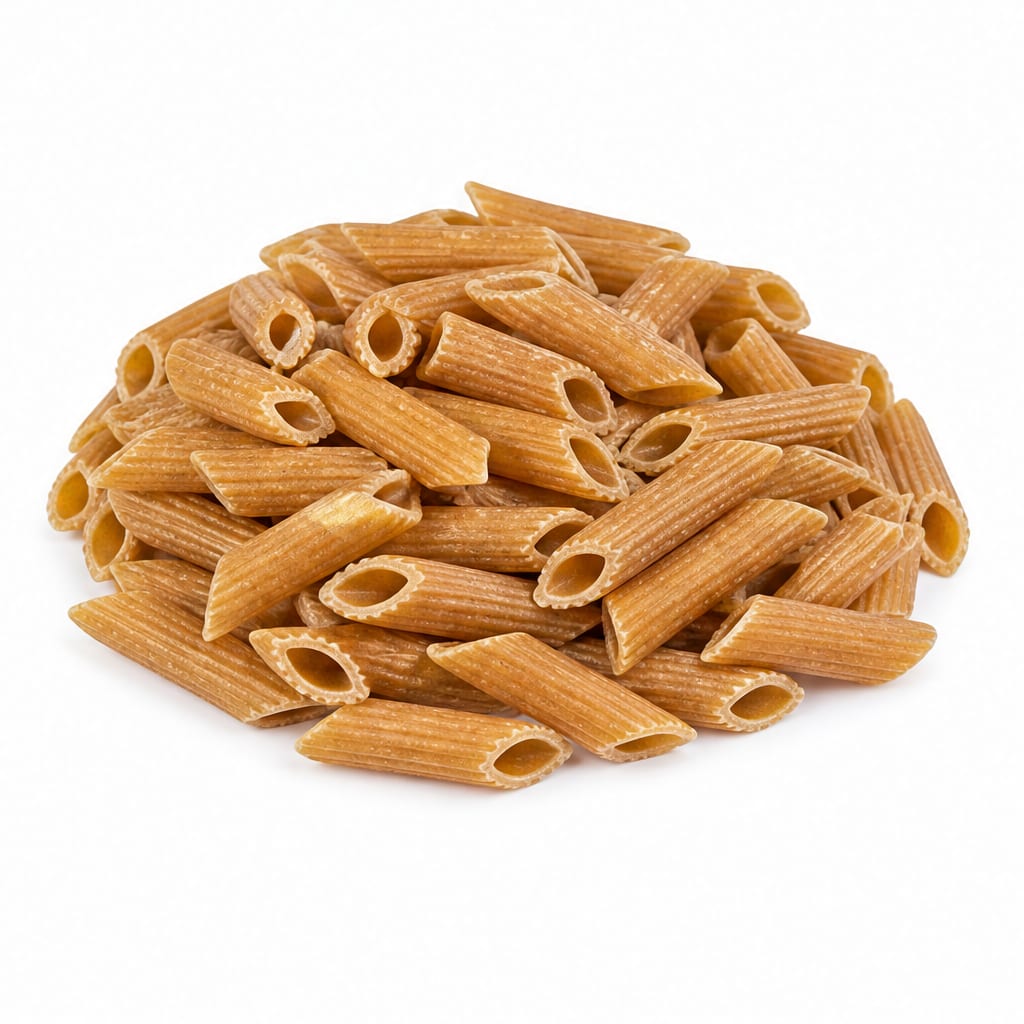
Compare with
Whole Wheat Pasta
Whole wheat pasta provides significantly more protein, fiber, and complex carbs for energy, while spaghetti squash offers a massive calorie reduction.
Whole wheat pasta provides more protein and sustained energy for athletes, while spaghetti squash is far better for cutting calories and carbs.
This food
Spaghetti Squash
VS85% alike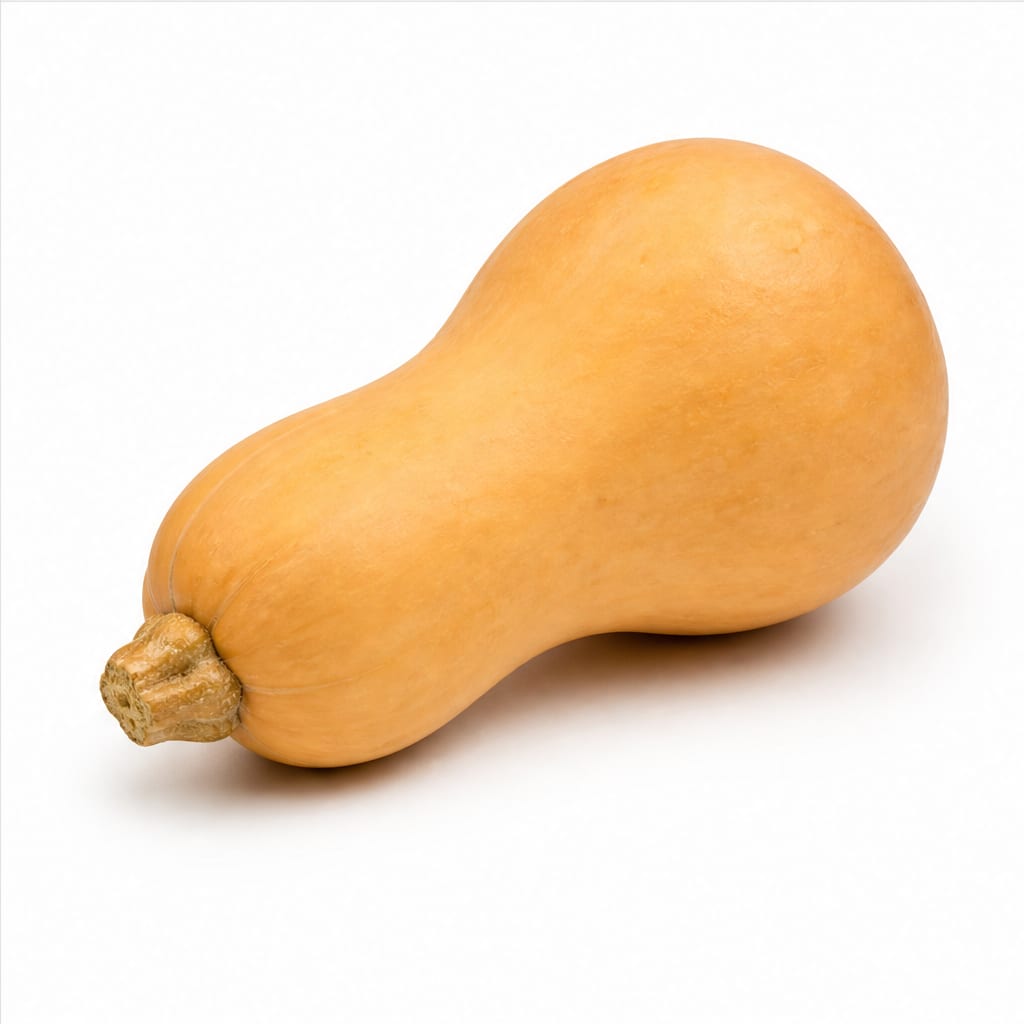
Compare with
Butternut Squash
Butternut squash is denser, sweeter, and higher in carbs and vitamin A, while spaghetti squash is lighter and lower in calories.
Butternut squash is sweeter and richer in vitamin A and carbs, while spaghetti squash is much lower in calories and acts as a pasta substitute.
This food
Spaghetti Squash
VS75% alike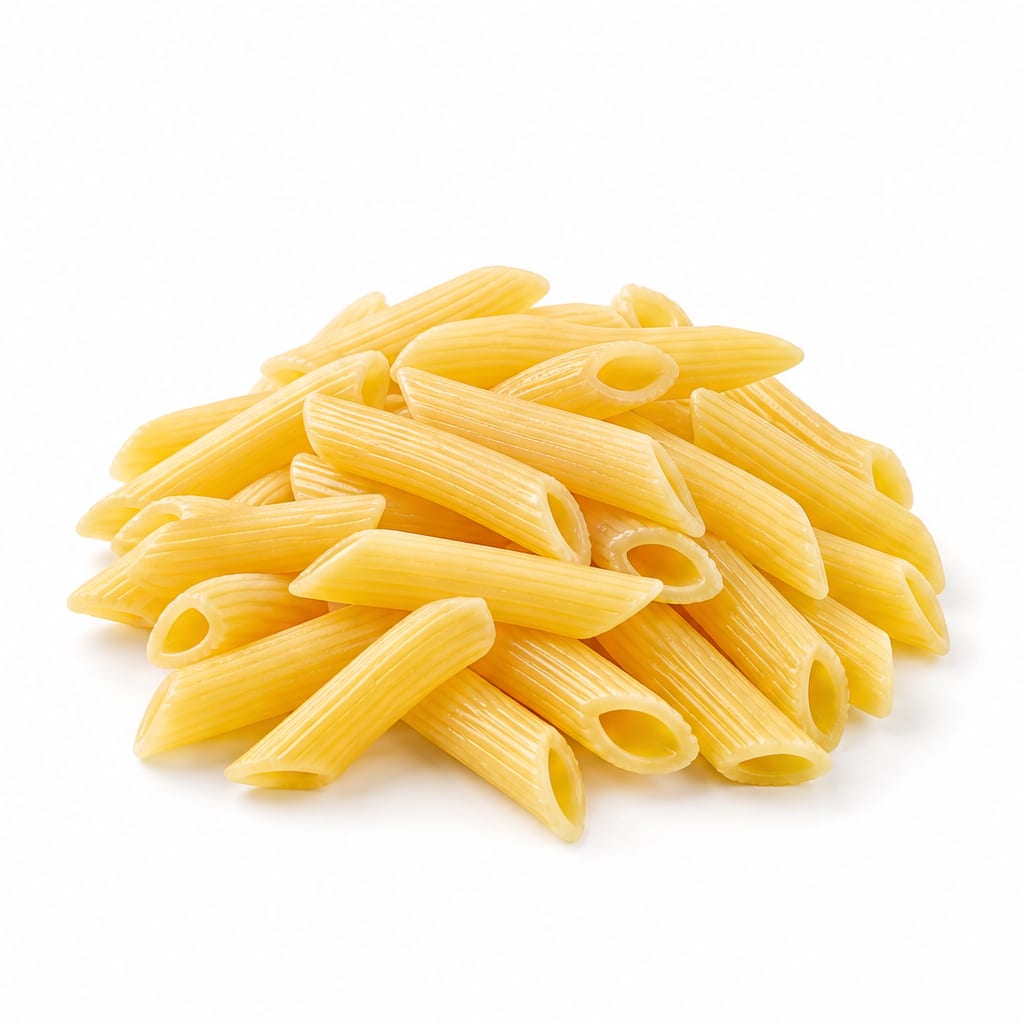
Compare with
Regular Pasta
Regular pasta is a dense source of refined carbohydrates with high calories, whereas spaghetti squash provides the same dish format with minimal carbs and calories.
Regular pasta provides dense carbs and high calories, while spaghetti squash offers the same saucy format with a fraction of the carbs and calories.
This food
Spaghetti Squash
VS90% alike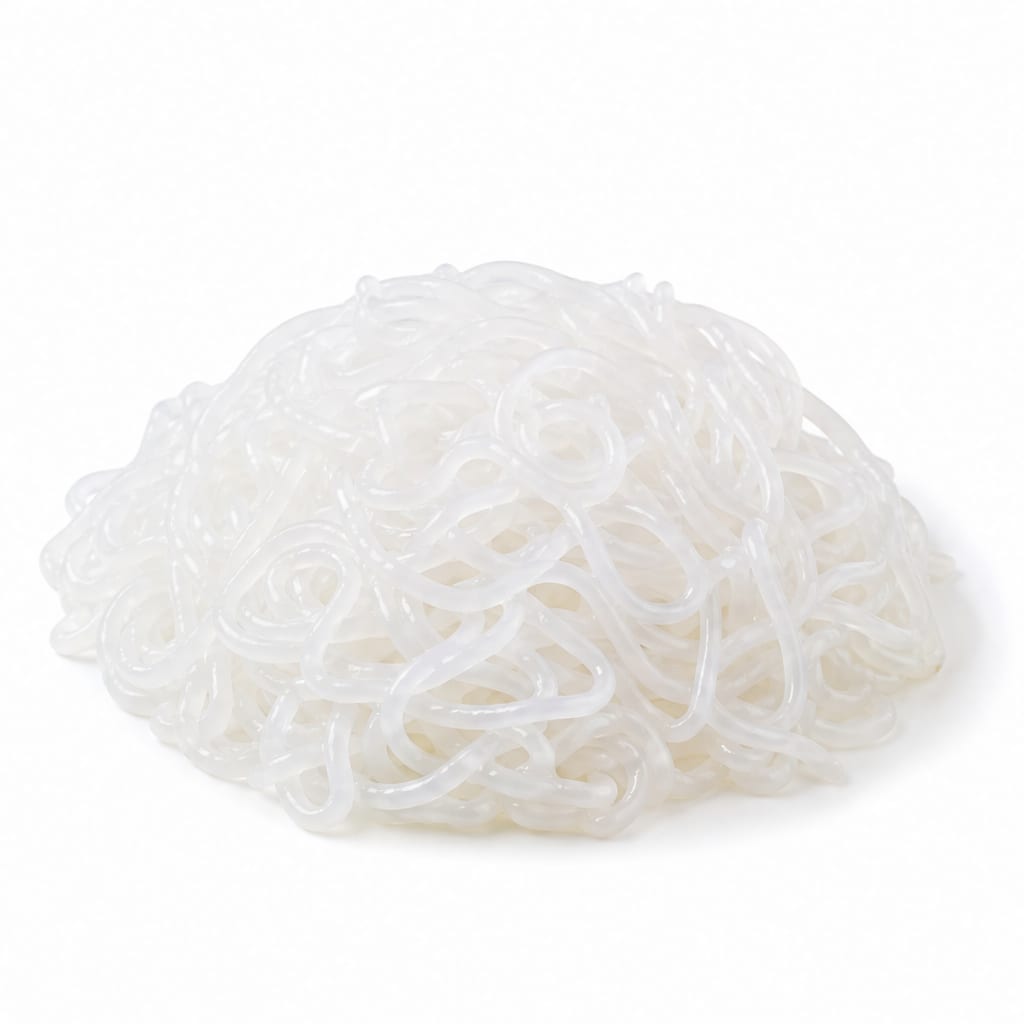
Compare with
Shirataki Noodles
Shirataki is virtually zero calories and carbs but has a distinct rubbery texture, while spaghetti squash has a more natural vegetable texture and mild flavor.
Shirataki noodles are virtually zero calories, while spaghetti squash provides more natural texture, volume, and actual nutrients like vitamin C.
This food
Spaghetti Squash
VS70% alike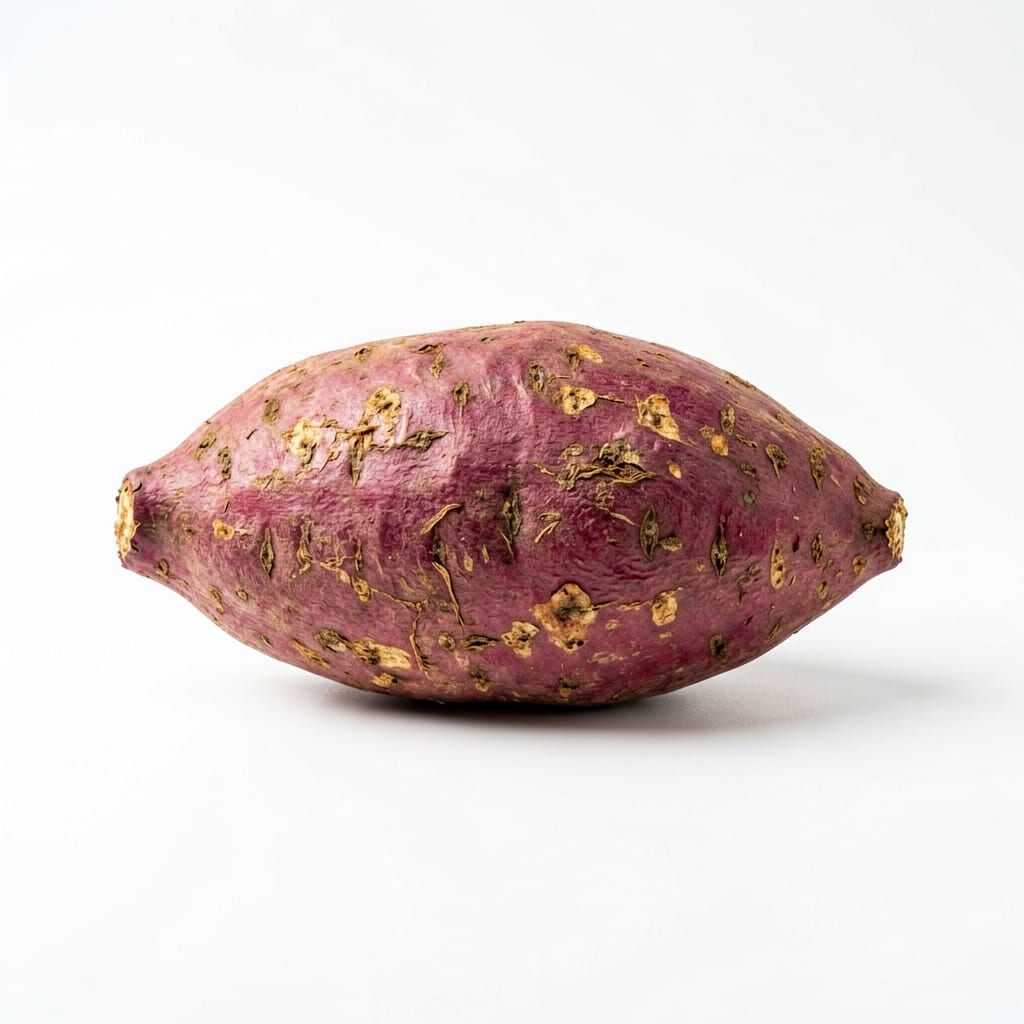
Compare with
Sweet Potato
Sweet potatoes are a dense source of energy, vitamin A, and complex carbs, whereas spaghetti squash is a low-energy, high-volume food.
Sweet potatoes are a high-energy carb source rich in vitamin A, while spaghetti squash is a low-calorie, low-carb alternative.
This food
Spaghetti Squash
VS85% alike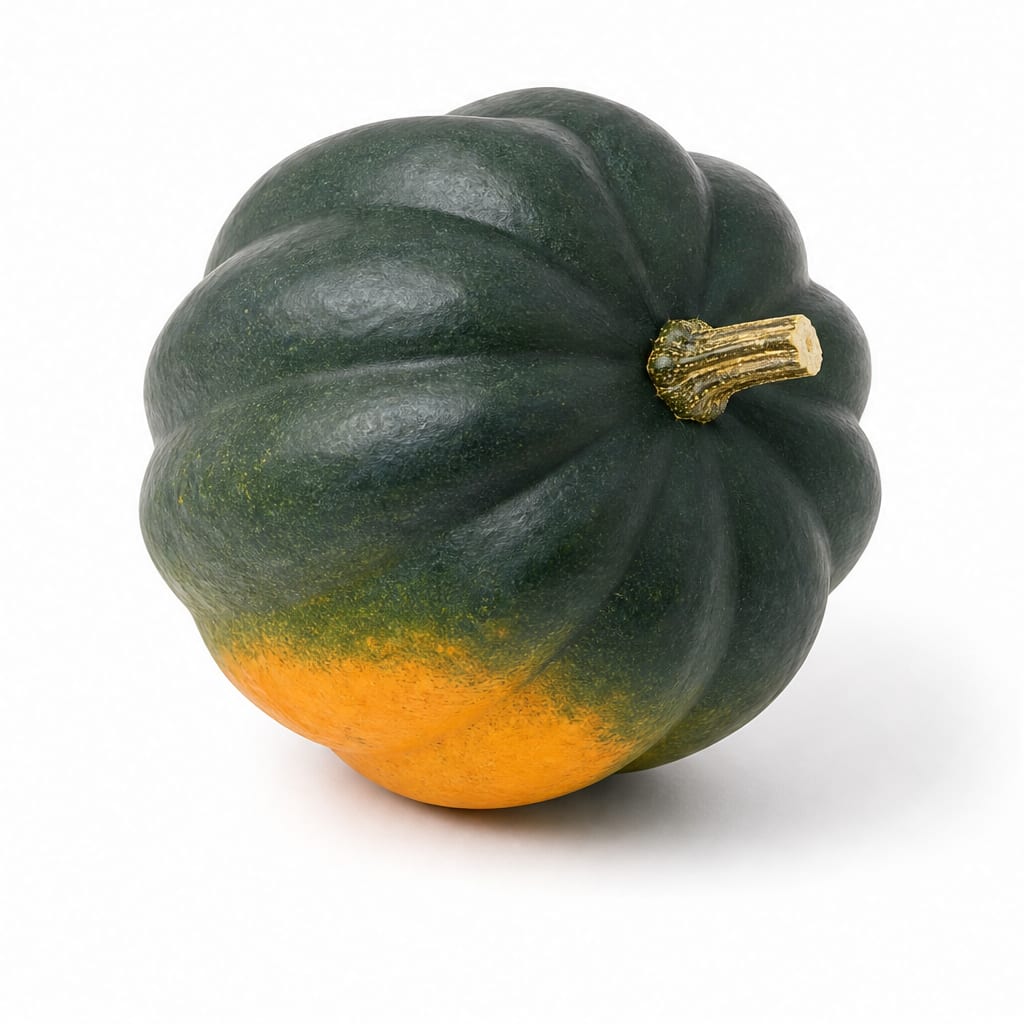
Compare with
Acorn Squash
Acorn squash is denser and higher in carbohydrates and fiber, while spaghetti squash is lighter and better for strict low-carb diets.
Acorn squash is denser and higher in carbs and fiber, while spaghetti squash is lighter and better suited for low-carb meals.
This food
Spaghetti Squash
VS80% alike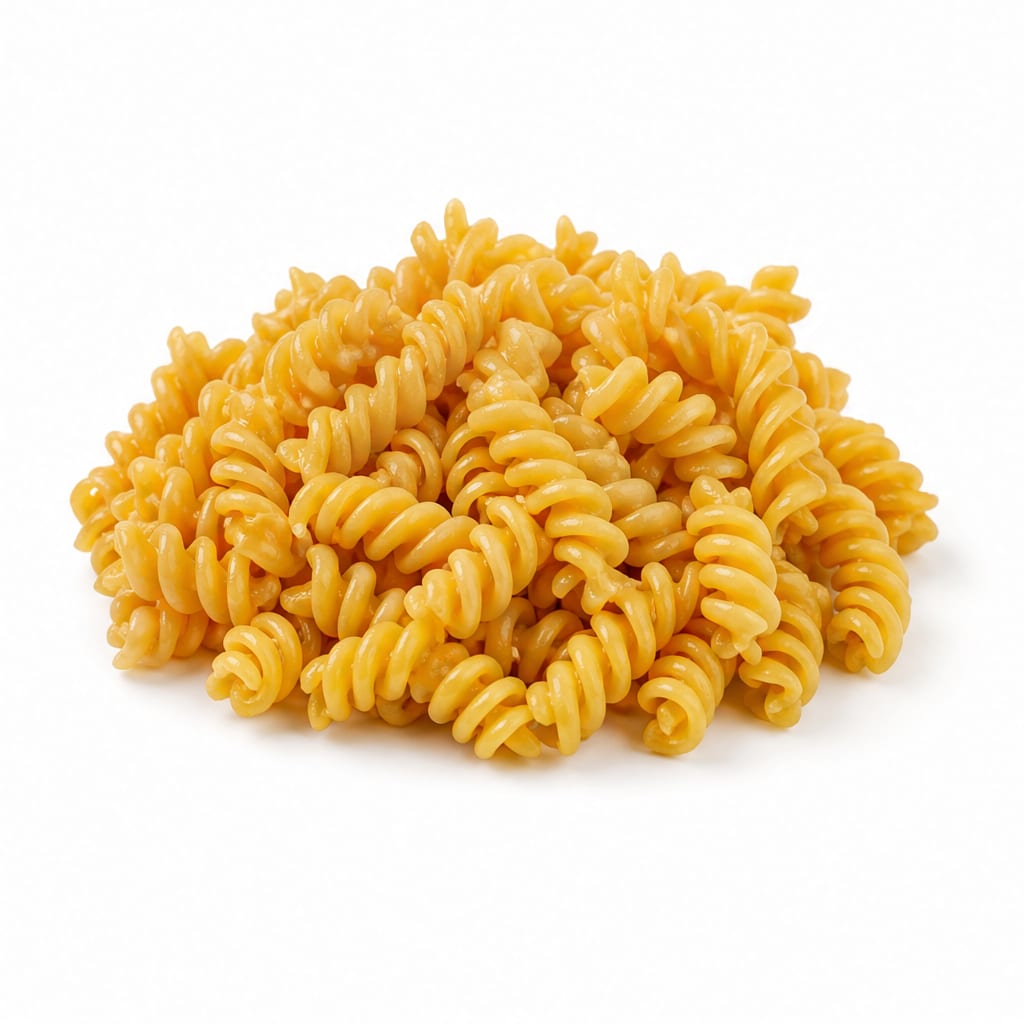
Compare with
Chickpea Pasta
Chickpea pasta is rich in protein and fiber, making it highly satiating and great for muscle maintenance, while spaghetti squash is purely a low-calorie volume food.
Chickpea pasta is high in protein and fiber for muscle and satiety, while spaghetti squash is a low-calorie vegetable base.
This food
Spaghetti Squash
VS88% alike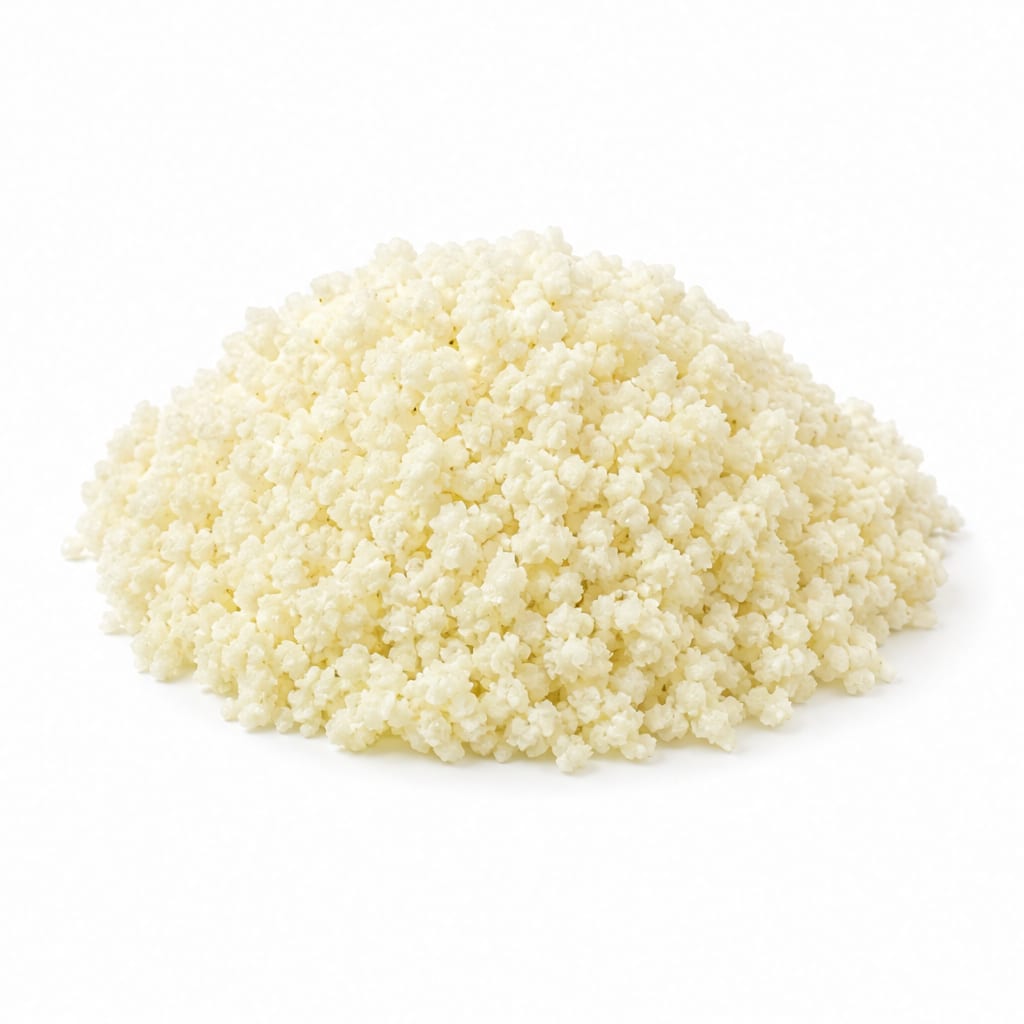
Compare with
Cauliflower Rice
Cauliflower rice mimics rice with slightly lower calories, while spaghetti squash mimics pasta with a slightly firmer bite and more structured strands.
Cauliflower rice is slightly lower in calories and carbs, while spaghetti squash provides a more substantial, noodle-like texture.
This food
Spaghetti Squash
VS92% alike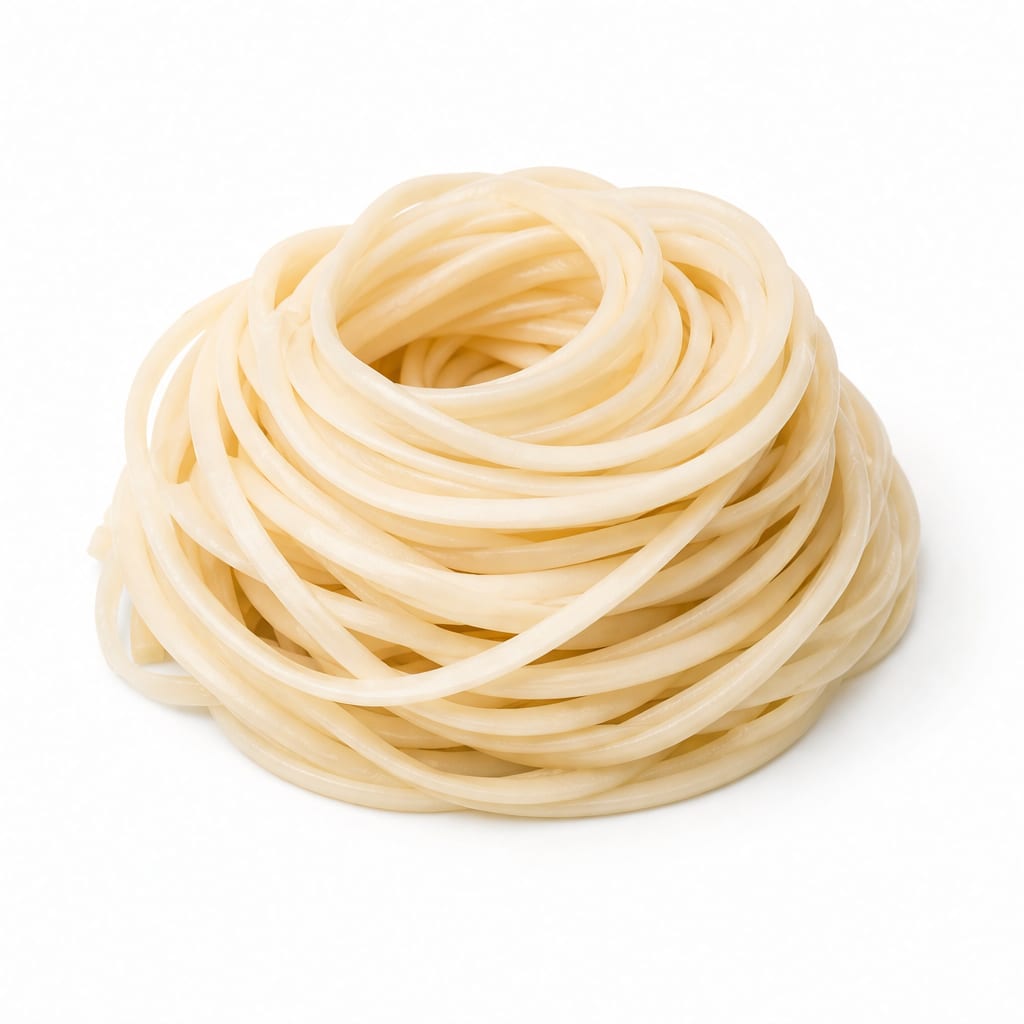
Compare with
Hearts of Palm Pasta
Hearts of palm pasta is slightly lower in carbs and comes pre-cut for convenience, while spaghetti squash is a whole food you prepare yourself with a milder, less tangy flavor.
Hearts of palm pasta is convenient and very low carb, while spaghetti squash is an uncut whole food with a milder flavor and more substantial bite.
Common questions
FAQ
Answers aligned with how people search for this food.
Is spaghetti squash good for weight loss?
Yes, spaghetti squash is excellent for weight loss. It contains only 31 calories per 100 grams and is 91% water, allowing you to eat a large volume of food for very few calories compared to regular pasta.
How many carbs are in spaghetti squash?
There are approximately 7 grams of carbohydrates per 100 grams of cooked spaghetti squash, of which 1.5 grams are fiber, bringing the net carbs down to about 5.5 grams.
Can you eat spaghetti squash on a keto diet?
Yes, spaghetti squash can fit into a keto diet in moderate portions. With only 5.5 grams of net carbs per 100 grams, it is much lower in carbs than traditional pasta, though portion control is still necessary to stay within strict keto macros.
Does spaghetti squash taste like pasta?
No, spaghetti squash does not taste like pasta. It has a mild, slightly sweet and earthy flavor. Its primary appeal is the texture of its strands, which mimic the shape of spaghetti noodles and carry sauces well.
Is spaghetti squash a starch?
Spaghetti squash is not a dense starch like potatoes or butternut squash. While it contains some carbohydrates, its high water content and low carb density make it functionally different from heavy starchy foods.
How do you cook spaghetti squash so it isn't watery?
To avoid watery squash, roast it cut-side down at 400°F instead of boiling or microwaving in water. After cooking, let it rest cut-side up to release steam, and lightly salt the strands before draining any excess moisture.
Is spaghetti squash good for diabetics?
Yes, spaghetti squash is a diabetic-friendly food. It has a low glycemic index and a very low glycemic load, meaning it causes minimal spikes in blood sugar compared to grain-based pastas.
What are the health benefits of spaghetti squash?
Spaghetti squash provides hydration, moderate fiber for digestion, and essential vitamins like vitamin C and B6. Its main health benefit is providing a high-volume, low-calorie base for meals that helps with weight management and blood sugar control.
Transparency
Data confidence
Estimated confidence for nutrition data, interpretation, safety notes, and comparisons.
Nutrition data
Health analysis
Food safety
Comparisons