
Nutrition comparison
Spaghetti Squash vs Regular Pasta: Nutrition, Carbs, and Health Comparison
Compare Spaghetti Squash vs Regular Pasta for weight loss, blood sugar, and meal prep. Find out which is better for your diet and lifestyle.
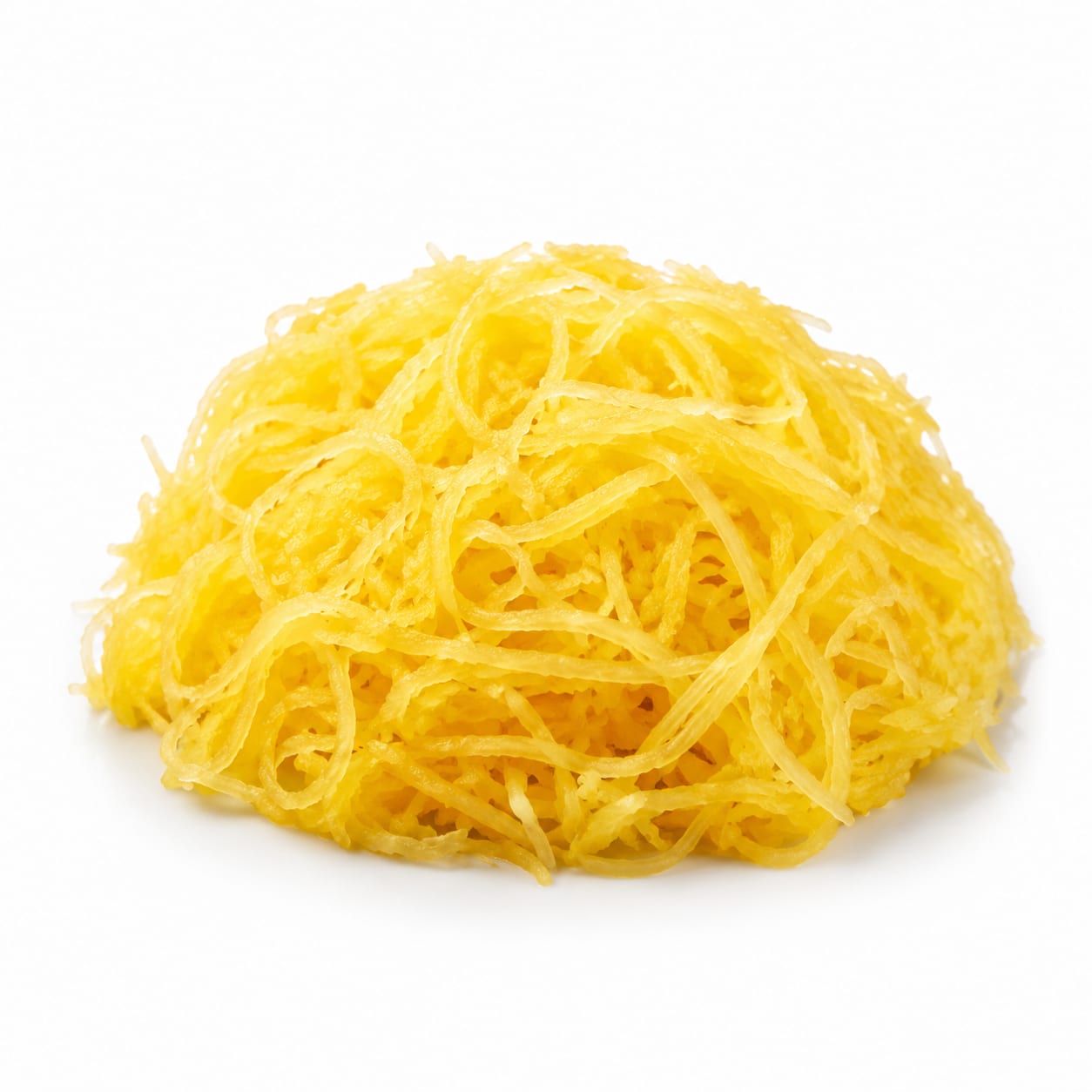
Spaghetti Squash
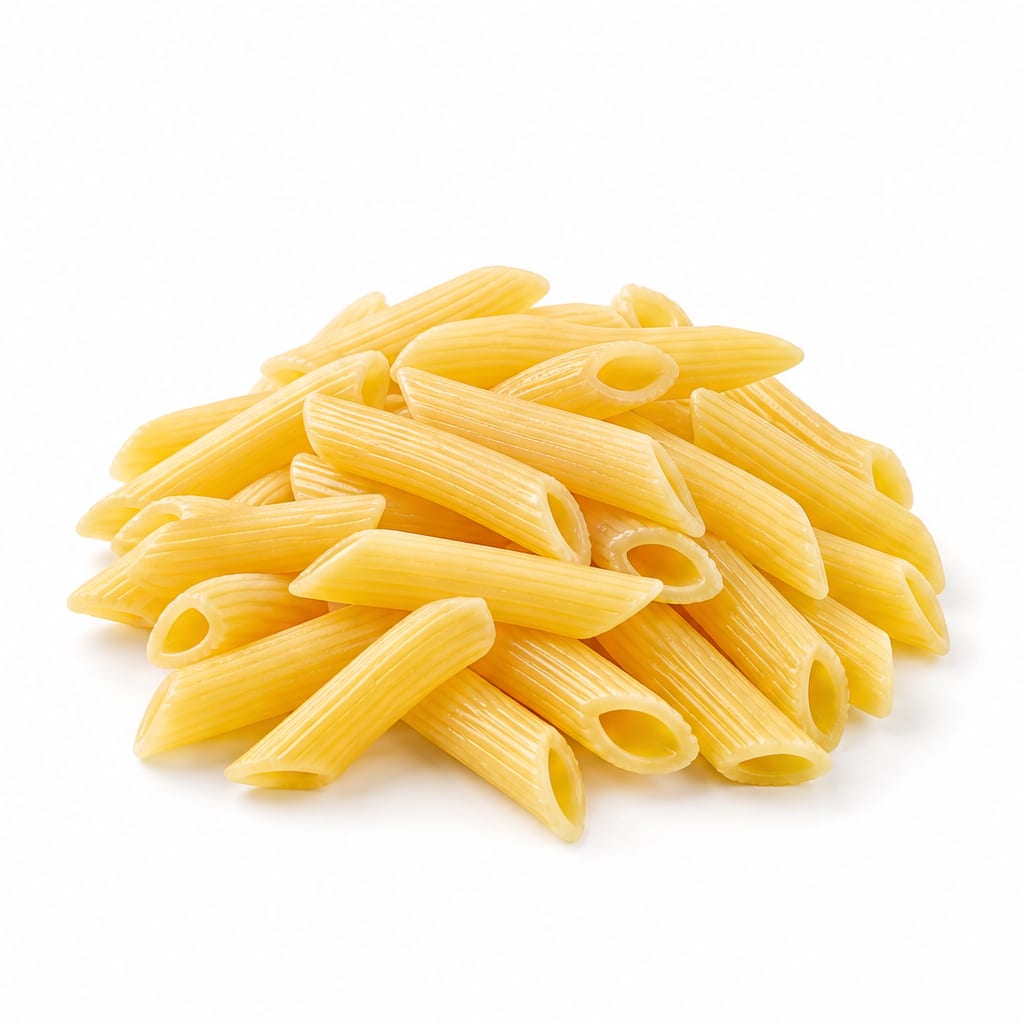
Regular Pasta
Spaghetti Squash is a low-calorie, low-carb vehicle for sauces, while Regular Pasta delivers dense, comforting energy that fuels high activity but can spike blood sugar.
Spaghetti Squash scores higher for general health and weight management, but Regular Pasta remains a practical, satisfying staple for active individuals, making the overall score context-dependent.
You trade the comforting, calorie-dense energy of Regular Pasta for the waistline-friendly, blood-sugar-stable lightness of Spaghetti Squash.
At a glance
Executive summary
Overall
It depends
Healthier
Spaghetti Squash
More practical
Regular Pasta
Daily use
It depends
Key comparison lenses
Low carb and keto diet compatibility
Spaghetti Squash is a famous pasta substitute specifically because of its massive carb reduction compared to Regular Pasta.
Blood sugar management
The difference in glycemic impact between a starchy grain and a water-rich vegetable is significant for diabetics and metabolic health.
Weight loss and calorie density
Users comparing these two are usually looking to save calories while keeping portion sizes large.
Meal satisfaction and comfort
Regular Pasta provides a distinct chewy mouthfeel and heavy comfort that squash lacks, creating a major tradeoff in eating experience.
Best choice for
Spaghetti Squash
- Weight loss and calorie counting
- Low-carb and keto diets
- Blood sugar management
- Bulking up meals without adding calories
Regular Pasta
- Athletes needing carb fuel
- Budget-friendly family meals
- Quick weeknight dinners
- Comfort food cravings
Least suitable for
Spaghetti Squash
- Endurance athletes needing quick energy
- Those needing to gain weight
- People short on meal prep time
Regular Pasta
- People with diabetes or insulin resistance
- Strict low-carb dieters
- Those closely watching daily calories
Deep comparison
Dimension by dimension
Each lens scores both foods and breaks down who each option suits.
- Dimension 1 · Priority 95Spaghetti Squash
Blood Sugar & Carb Load
Spaghetti Squash · 92Regular Pasta · 35Spaghetti Squash keeps blood sugar steady; Regular Pasta causes rapid spikes, especially if refined.
Tradeoff
You give up the quick energy burst of pasta for stable, crash-free energy with squash.
Why it matters
Preventing blood sugar spikes reduces cravings and long-term metabolic risk.
Real-world impact
Eating Spaghetti Squash means no afternoon energy crash after a heavy pasta lunch.
Spaghetti Squash
- Diabetics
- Low-carb eaters
- People prone to energy crashes
Better for
- Those needing rapid carb refueling
Worse for
Regular Pasta
- Pre-workout fueling
- Post-workout glycogen replenishment
- Endurance athletes
Better for
- Insulin-resistant individuals
- Sedentary office workers
Worse for
- Dimension 2 · Priority 90Spaghetti Squash
Calorie Density & Weight Management
Spaghetti Squash · 95Regular Pasta · 40Spaghetti Squash has about 1/4 the calories of Regular Pasta per cup, making it a dieter's dream.
Tradeoff
You can eat a massive volume of squash for few calories, but pasta provides dense energy needed for weight gain or heavy training.
Why it matters
Volume eating helps control hunger without overconsuming calories.
Real-world impact
You can go back for seconds of Spaghetti Squash without guilt, while a second helping of pasta easily adds 400+ calories.
Spaghetti Squash
- Calorie counters
- Volume eaters
- Weight loss diets
Better for
- Those struggling to eat enough calories
Worse for
Regular Pasta
- Hard gainers
- Growing teenagers
- Heavy training days
Better for
- People trying to lose weight
- Late-night diners
Worse for
- Dimension 3 · Priority 85It depends
Satiety & Fullness
Spaghetti Squash · 70Regular Pasta · 75Pasta provides a heavy, comforting fullness, while squash offers physical fullness from volume but may leave you hungry sooner if lacking protein.
Tradeoff
Pasta's dense carbs are satisfying in the moment but can trigger hunger later; squash fills the stomach with water and fiber but needs protein to stay satisfying.
Why it matters
Staying full prevents snacking between meals.
Real-world impact
A squash dinner might have you reaching for a snack two hours later unless you load it with meat sauce or cheese.
Spaghetti Squash
- Those who prefer large portion sizes
- Light dinner preferences
Better for
- People who need a meal to hold them for 5+ hours alone
Worse for
Regular Pasta
- Hearty appetite satisfaction
- One-dish meal completeness
Better for
- Those who feel bloated after heavy meals
Worse for
- Dimension 4 · Priority 75Regular Pasta
Convenience & Practicality
Spaghetti Squash · 45Regular Pasta · 90Regular Pasta boils in 10 minutes; Spaghetti Squash takes 40+ minutes to roast or microwave, plus prep work.
Tradeoff
Squash demands more time and effort, while pasta is one of the fastest weeknight dinners possible.
Why it matters
Time constraints often dictate food choices on busy days.
Real-world impact
On a Tuesday at 7 PM, boiling pasta is effortless; cooking a squash requires planning.
Spaghetti Squash
- Weekend meal prep
- Slow cooking enthusiasts
Better for
- Last-minute meals
- Impatient cooks
Worse for
Regular Pasta
- Busy weeknights
- College students
- Minimal cooking skills
Better for
- Those avoiding quick-cooking refined carbs
Worse for
- Dimension 5 · Priority 70Spaghetti Squash
Nutrient Density & Fiber
Spaghetti Squash · 80Regular Pasta · 55Spaghetti Squash offers vitamin C, B6, and antioxidants; Regular Pasta (unless whole wheat) is mostly refined starch with added nutrients.
Tradeoff
Squash provides micronutrients and water, while pasta acts primarily as an energy source.
Why it matters
Micronutrients support immune function and cellular health.
Real-world impact
Choosing squash sneaks in a serving of vegetables, making it easier to hit daily produce goals.
Spaghetti Squash
- Increasing vegetable intake
- Boosting immunity
- Hydration from food
Better for
- Those needing calorie-dense nutrition
Worse for
Regular Pasta
- Fortified nutrient intake (folic acid in enriched pasta)
- Simple digestion
Better for
- People avoiding refined grains
Worse for
Timeline
Health impact over time
Short-term
Hours to days
Spaghetti Squash
- Steady energy levels
- Light feeling after eating
- No sugar crash
Regular Pasta
- Quick energy surge
- Heavy, comforting fullness
- Potential bloating or sleepiness after large portions
Long-term
Months to years
Spaghetti Squash
- Easier weight maintenance
- Better blood sugar control
- Improved vegetable intake habits
Regular Pasta
- Risk of weight gain if overconsumed
- Potential blood sugar dysregulation if refined and sedentary
- Convenient staple for active lifestyles
Risk profile
Safety & processing
Spaghetti Squash is a whole vegetable straight from nature. Regular Pasta is a processed grain product, though typically free of artificial additives unless flavored or enriched with controversial fortifications.
Spaghetti Squash
Pesticide residue
lowSquash is generally low on the pesticide residue list, but washing the rind before cutting is always smart.
Regular Pasta
Mycotoxin contamination
lowGrain-based products can occasionally harbor mold toxins, though regulations keep this minimal.
Who wins for whom
Audience fit
Same foods, different winners depending on your goal.
children
It dependsRegular Pasta is usually more accepted by kids and provides energy for growth, but Spaghetti Squash sneaks in veggies if disguised well with sauce.
daily consumption
Spaghetti SquashEating vegetables daily is universally beneficial, whereas daily refined carbs can disrupt metabolic health for sedentary people.
diabetes
Spaghetti SquashSpaghetti Squash has a minimal impact on blood sugar, unlike the carb-heavy spike from Regular Pasta.
elderly
Spaghetti SquashSpaghetti Squash is softer to chew, nutrient-dense, and lower in calories, aligning with slower metabolisms.
muscle gain
Regular PastaRegular Pasta provides the dense carbohydrates needed to fuel heavy training and support muscle growth.
weight loss
Spaghetti SquashSpaghetti Squash allows massive portions for minimal calories, making it far easier to maintain a deficit.
Your move
Decision guide
Choose Spaghetti Squash
- You are trying to lose weight or cut carbs
- You want a massive plate of food without the calorie guilt
- You need to keep your blood sugar stable
- You want to increase your daily vegetable intake
Choose Regular Pasta
- You are an athlete carb-loading before or after an event
- You have 15 minutes to get dinner on the table
- You are craving genuine comfort food
- You need affordable, calorie-dense sustenance
Either works if
- You are making a casserole or baked dish where sauce carries the flavor
- You want a base for protein-heavy bolognese
Avoid both if
- You have a severe nightshade or wheat allergy (depending on the food)
- You are on a strict zero-carb carnivore diet
Final recommendation
Use Spaghetti Squash as your default base for health and weight management, but keep Regular Pasta in rotation for high-energy days and when time is tight.
Practical
Consumer tips
- 1
Microwave your Spaghetti Squash for 5-8 minutes before cutting to make it easier to slice and speed up roasting.
- 2
Pair Spaghetti Squash with a protein-rich sauce to make up for the lower satiety compared to pasta.
- 3
If Regular Pasta spikes your blood sugar, try cooking it al dente and cooling it before reheating to increase resistant starch.
- 4
Mix half Spaghetti Squash and half Regular Pasta to transition your family to lower-carb meals without a revolt.