
Nutrition comparison
Spaghetti Squash vs Sweet Potato: Which Is Better for Your Goals?
Compare Spaghetti Squash and Sweet Potato on carbs, calories, blood sugar impact, and nutrition. Find out which fits your diet — low-carb, weight loss, or athletic performance.
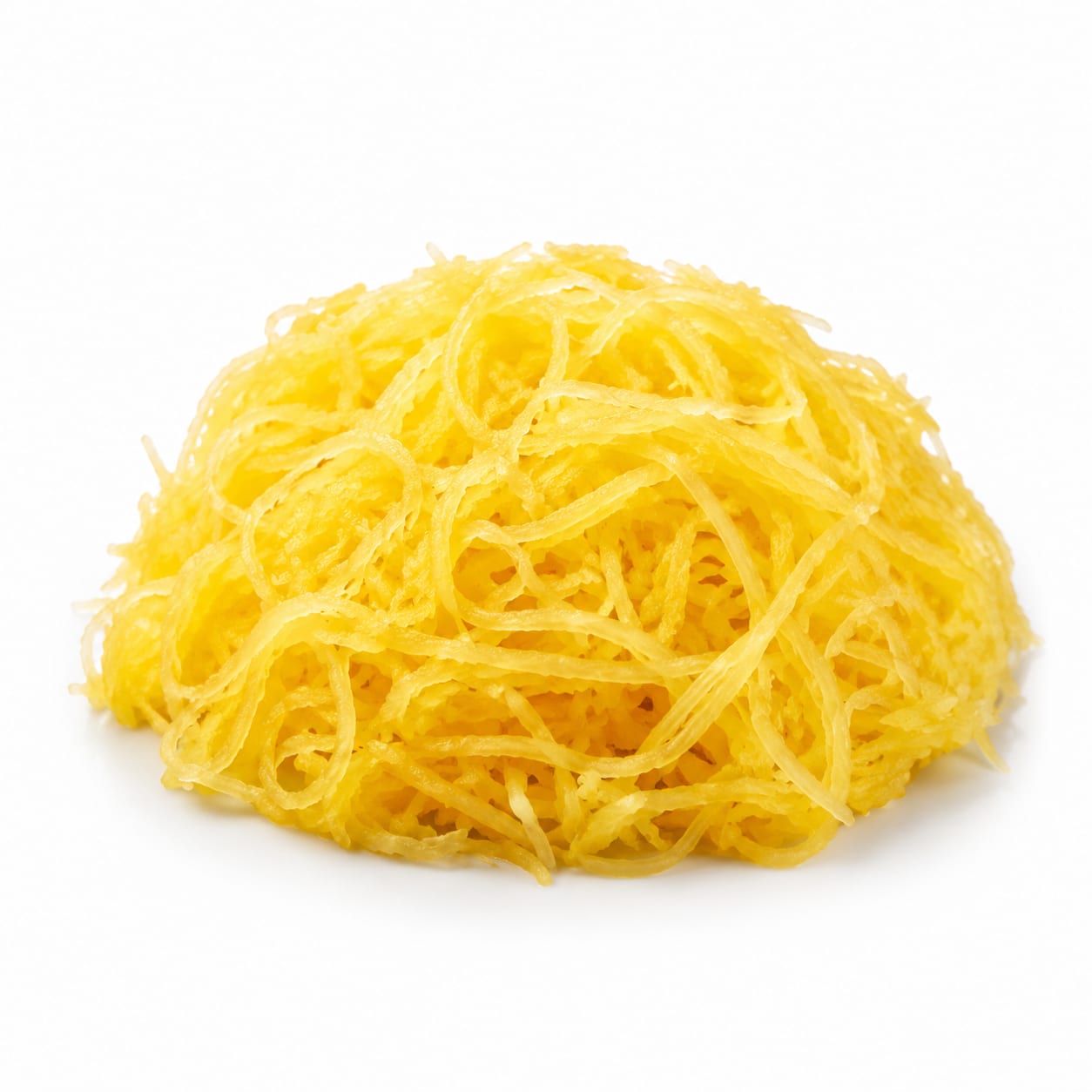
Spaghetti Squash
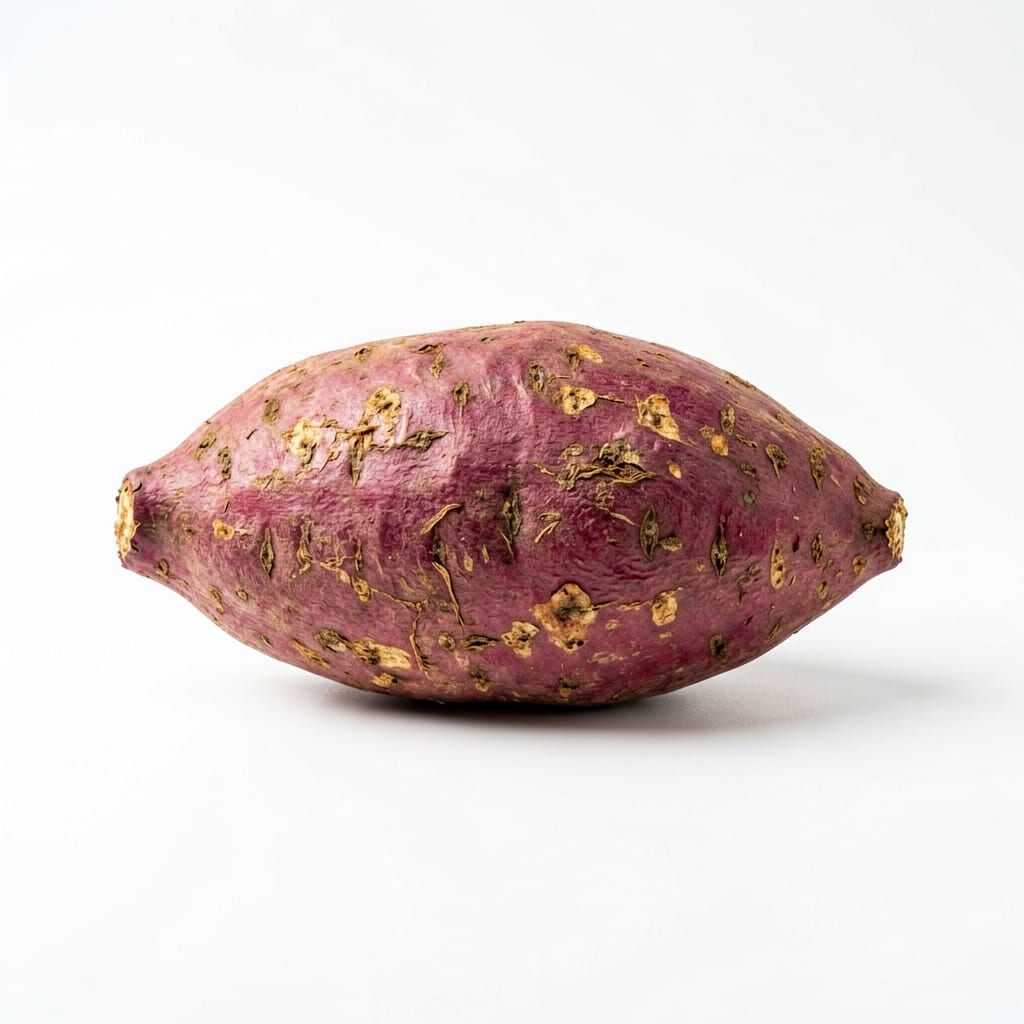
Sweet Potato
Spaghetti Squash wins for low-carb and calorie control; Sweet Potato wins for nutrition, energy, and satisfaction.
Sweet Potato scores higher overall due to superior nutrient density, satiety, and versatility. Spaghetti Squash excels in its niche but offers less nutritional substance per serving.
You trade calories and carbs for nutrient density and staying power. Spaghetti Squash is light freedom; Sweet Potato is grounded fuel.
At a glance
Executive summary
Overall
It depends
Healthier
It depends
More practical
Sweet Potato
Daily use
Sweet Potato
Key comparison lenses
low carb diet compatibility
Spaghetti Squash is a go-to pasta substitute for low-carb eaters, while Sweet Potato is a carb-rich staple — this is the core tension.
blood sugar management
Dramatically different glycemic impacts make this comparison critical for diabetics and metabolic health.
weight loss calorie density
Spaghetti Squash has roughly one-third the calories per cup, making portion control almost effortless.
nutrient density comparison
Sweet Potato delivers far more vitamins and minerals per serving, especially vitamin A and potassium.
athletic energy and recovery
Sweet Potato provides sustained carbs for active people; Spaghetti Squash cannot fuel performance alone.
Best choice for
Spaghetti Squash
- People on keto or strict low-carb diets
- Those managing type 2 diabetes who need minimal blood sugar impact
- Anyone seeking volume eating with very low calorie density
- Gluten-free pasta alternatives seekers
Sweet Potato
- Athletes and active individuals needing sustained energy
- Children and elderly needing nutrient-dense, easy-to-digest food
- People with vitamin A deficiency or poor night vision
- Anyone wanting a satisfying, filling carb source
Least suitable for
Spaghetti Squash
- Athletes needing carb fuel before or after workouts
- Underweight individuals trying to gain healthy mass
- People seeking nutrient-dense calories in small portions
- Those who find low-calorie meals unsatisfying
Sweet Potato
- Strict keto dieters tracking every gram of carb
- Those with severe blood sugar instability eating carbs alone
- People counting calories who struggle with portion control
- Anyone on a very low-carb protocol
Deep comparison
Dimension by dimension
Each lens scores both foods and breaks down who each option suits.
- Dimension 1 · Priority 95Spaghetti Squash
blood sugar stability
Spaghetti Squash · 92Sweet Potato · 58Spaghetti Squash barely moves the needle on blood sugar. Sweet Potato raises it meaningfully, though less than white potatoes.
Tradeoff
Spaghetti Squash gives you glycemic peace but almost no energy. Sweet Potato provides energy at the cost of a blood sugar rise.
Why it matters
For diabetics or insulin-resistant individuals, this difference is night and day. A cup of Spaghetti Squash has roughly 3g of sugar versus 7g in Sweet Potato with much more total carbohydrate.
Real-world impact
Eating Spaghetti Squash instead of Sweet Potato means no afternoon energy crash — but also no energy boost after a long morning.
Spaghetti Squash
- Type 2 diabetics managing post-meal glucose
- Insulin-resistant individuals reducing carb load
- Low-carb dieters in ketosis maintenance
Better for
- Anyone needing pre-workout fuel
Worse for
Sweet Potato
- Endurance athletes who need glycogen replenishment
- Healthy active people whose bodies handle carbs well
Better for
- Those monitoring every carb gram carefully
Worse for
- Dimension 2 · Priority 88Sweet Potato
satiety_and_fullness
Spaghetti Squash · 52Sweet Potato · 84Sweet Potato keeps you full for hours. Spaghetti Squash is physically filling in the moment but hunger returns quickly.
Tradeoff
Volume versus substance. Spaghetti Squash fills your stomach with water and fiber; Sweet Potato fills it with actual caloric energy that sustains you.
Why it matters
A large bowl of Spaghetti Squash feels like a big meal but delivers only ~80 calories. Two hours later, you are hungry again. Sweet Potato provides lasting satisfaction.
Real-world impact
If you eat Spaghetti Squash for dinner, you may be raiding the fridge by 9pm. Sweet Potato as a side keeps you satisfied until morning.
Spaghetti Squash
- Large portion lovers who want to eat a big volume of food
Better for
- Chronic snackers who need meals to actually last
- People prone to late-night hunger
Worse for
Sweet Potato
- People who skip snacks between meals
- Anyone trying to reduce overall daily eating frequency
Better for
- Those who feel uncomfortably full from dense meals
Worse for
- Dimension 3 · Priority 85Sweet Potato
nutrient_density
Spaghetti Squash · 45Sweet Potato · 91Sweet Potato is a nutritional powerhouse with massive vitamin A, potassium, and antioxidants. Spaghetti Squash is mostly water with modest nutrients.
Tradeoff
You sacrifice vitamins and minerals for fewer calories. Spaghetti Squash is light but nutritionally thin.
Why it matters
One medium Sweet Potato delivers over 400% of your daily vitamin A needs. Spaghetti Squash provides trace amounts by comparison. Potassium, vitamin C, and B6 also favor Sweet Potato heavily.
Real-world impact
Eating Sweet Potato regularly supports immune function, eye health, and electrolyte balance. Spaghetti Squash cannot replace those benefits.
Spaghetti Squash
- Those already meeting nutrient needs through other foods and supplements
Better for
- Those at risk of vitamin A deficiency
Worse for
Sweet Potato
- Anyone relying on whole foods as their primary nutrient source
- Children and elderly with higher vitamin A needs
- People who do not take multivitamins
Better for
- Those avoiding high-carb nutrient sources on principle
Worse for
- Dimension 4 · Priority 82Spaghetti Squash
calorie_efficiency_and_weight_management
Spaghetti Squash · 94Sweet Potato · 62Spaghetti Squash is a weight-loss dream food — huge portions, tiny calories. Sweet Potato requires portion awareness.
Tradeoff
Effortless calorie restriction versus needing to measure. You can overeat Sweet Potato easily; overeating Spaghetti Squash is almost impossible.
Why it matters
At roughly 31 calories per cup versus 103 for Sweet Potato, Spaghetti Squash lets you fill your plate without filling your calorie budget.
Real-world impact
Replacing one Sweet Potato with Spaghetti Squash saves you about 70-100 calories per meal. Over a week, that adds up meaningfully.
Spaghetti Squash
- Volume eaters who need large portions to feel satisfied
- People tracking calories precisely
- Anyone in a calorie deficit who struggles with hunger
Better for
- Those who need calorie-dense foods to maintain weight
Worse for
Sweet Potato
- Lean individuals who need calorie surplus for muscle gain
Better for
- People who struggle to stop eating carb-rich foods
Worse for
- Dimension 5 · Priority 75Sweet Potato
athletic_performance_and_recovery
Spaghetti Squash · 25Sweet Potato · 88Sweet Potato is premium fuel for active bodies. Spaghetti Squash cannot meaningfully support performance or recovery.
Tradeoff
Carbs are not the enemy for athletes. Sweet Potato delivers the glycogen your muscles crave after training.
Why it matters
Complex carbohydrates from Sweet Potato replenish muscle glycogen efficiently. Spaghetti Squash provides almost no usable energy for working muscles.
Real-world impact
After a hard workout, Sweet Potato helps you recover and feel energized the next day. Spaghetti Squash leaves you depleted and reaching for more food.
Spaghetti Squash
- Sedentary individuals who do not need carb refueling
Better for
- Competitive athletes who need carb fuel
Worse for
Sweet Potato
- Runners, lifters, and anyone training hard
- Post-workout meal planners
- Endurance athletes carb-loading before events
Better for
- Sedentary people on rest days with low energy output
Worse for
- Dimension 6 · Priority 70Sweet Potato
versatility_and_culinary_use
Spaghetti Squash · 60Sweet Potato · 85Sweet Potato works in sweet and savory dishes across every meal. Spaghetti Squash is mainly a pasta substitute.
Tradeoff
Spaghetti Squash does one thing well — replace noodles. Sweet Potato does dozens of things well across breakfast, lunch, and dinner.
Why it matters
Sweet Potato can be baked, mashed, roasted, fried, added to soups, made into toast, used in desserts, and blended into smoothies. Spaghetti Squash is limited to bowl-based dishes.
Real-world impact
If you want meal variety without buying extra ingredients, Sweet Potato gives you more options from your pantry.
Spaghetti Squash
- Pasta lovers transitioning to low-carb eating
- People who enjoy bowl meals with sauce
Better for
- Anyone bored by repetitive meals
Worse for
Sweet Potato
- Meal preppers who want one ingredient to serve multiple roles
- Families needing kid-friendly options across meals
Better for
- Those specifically seeking a pasta replacement
Worse for
Timeline
Health impact over time
Short-term
Hours to days
Spaghetti Squash
- Very low blood sugar impact — no energy spike or crash
- Physical fullness from volume but quick return of hunger
- Light feeling after eating, easy on digestion
Sweet Potato
- Noticeable energy boost within 30-60 minutes of eating
- Sustained satiety lasting 3-4 hours
- Mild blood sugar rise that resolves within 1-2 hours in healthy individuals
Long-term
Months to years
Spaghetti Squash
- Consistent low-calorie intake may support gradual weight loss
- Risk of insufficient nutrient intake if used as a primary carb replacement without supplementation
- May help maintain insulin sensitivity through low glycemic load
Sweet Potato
- Excellent support for immune function and eye health through consistent vitamin A intake
- Potassium content supports healthy blood pressure over time
- Regular consumption associated with lower inflammation markers in observational studies
Risk profile
Safety & processing
Both are whole, unprocessed vegetables you buy in the produce aisle. Neither comes with ingredient labels or additives. This is a clean comparison.
Spaghetti Squash
Mold and spoilage
lowSpaghetti Squash can develop mold if stored in humid conditions. Inspect before cutting and use within a few weeks of purchase.
Undercooking texture issues
lowNot a safety risk per se, but undercooked Spaghetti Squash is crunchy and unpleasant, which may discourage consumption.
Sweet Potato
Pesticide residue
mediumConventional Sweet Potatoes frequently test positive for pesticide residues including dicloran and chlorpropham. Washing and peeling reduces exposure significantly. Organic is preferable.
Oxalate content
lowSweet Potatoes contain moderate oxalates. Not a concern for most people, but those prone to calcium oxalate kidney stones should moderate intake.
Who wins for whom
Audience fit
Same foods, different winners depending on your goal.
children
Sweet PotatoSweet Potato is naturally sweet, nutrient-dense, and provides growing bodies with essential vitamins and energy.
daily consumption
Sweet PotatoSweet Potato offers more nutritional value and satiety per serving, making it a better everyday staple for most people.
diabetes
Spaghetti SquashSpaghetti Squash has minimal impact on blood sugar, making it far safer for glucose management.
elderly
Sweet PotatoSweet Potato is soft, easy to digest, rich in vision-supporting vitamin A, and provides potassium for blood pressure management.
muscle gain
Sweet PotatoSweet Potato provides the carbohydrate fuel and potassium needed for muscle recovery and glycogen replenishment.
weight loss
Spaghetti SquashSpaghetti Squash delivers massive portions at minimal calories, making calorie deficits feel effortless.
Your move
Decision guide
Choose Spaghetti Squash
- You are on a low-carb, keto, or diabetic diet
- You want to eat large portions while losing weight
- You need a pasta substitute for Italian-style dishes
- You are sedentary and do not need carb-based energy
Choose Sweet Potato
- You are active and need real fuel for your body
- You want maximum nutrition from every calorie you eat
- You are cooking for children or elderly family members
- You need a versatile ingredient that works across all meals
- You struggle with hunger between meals and need lasting satisfaction
Either works if
- You want more vegetable variety in your diet
- You are building a balanced plate with protein and healthy fats
- You enjoy rotating foods based on seasonal availability
Avoid both if
- You have a specific nightshade or squash allergy
- You are seeking a high-protein food source — neither delivers significant protein
Final recommendation
Use both strategically. Sweet Potato as your everyday nutrient-dense carb, Spaghetti Squash as your low-carb tool when you need volume without the calories. They serve completely different purposes and complement each other well in a balanced weekly meal plan.
Practical
Consumer tips
- 1
Pierce Sweet Potato skins several times before microwaving — it cooks in 5-7 minutes versus 45 minutes in the oven.
- 2
Roast Spaghetti Squash cut-side down at 400°F for 35-40 minutes for perfect al dente strands every time.
- 3
Buy organic Sweet Potatoes when possible to reduce pesticide exposure — they are on the EWG's watch list.
- 4
Pair Spaghetti Squash with a protein-rich sauce like meat bolognese to compensate for its low satiety.
- 5
Store Spaghetti Squash in a cool dry place — it lasts weeks uncut. Sweet Potatoes prefer dark, ventilated storage and should be used within 2 weeks.
- 6
Freeze cooked Spaghetti Squash strands in portion bags for quick low-carb meals during busy weeks.