
Nutrition comparison
Spaghetti Squash vs Hearts of Palm Pasta: Which is Healthier?
Compare Spaghetti Squash and Hearts of Palm Pasta for weight loss, keto, and meal prep. Learn the differences in calories, sodium, and convenience.
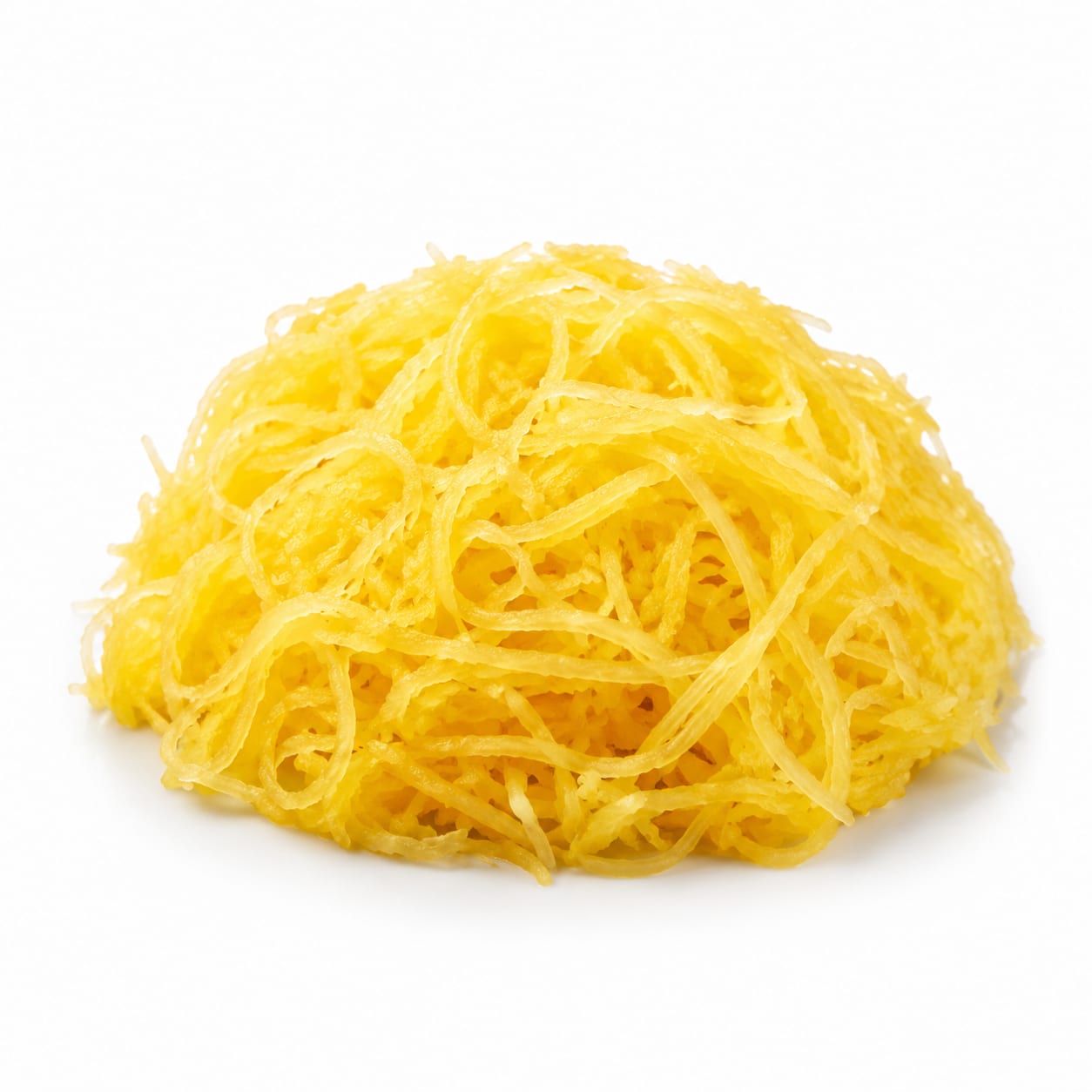
Spaghetti Squash
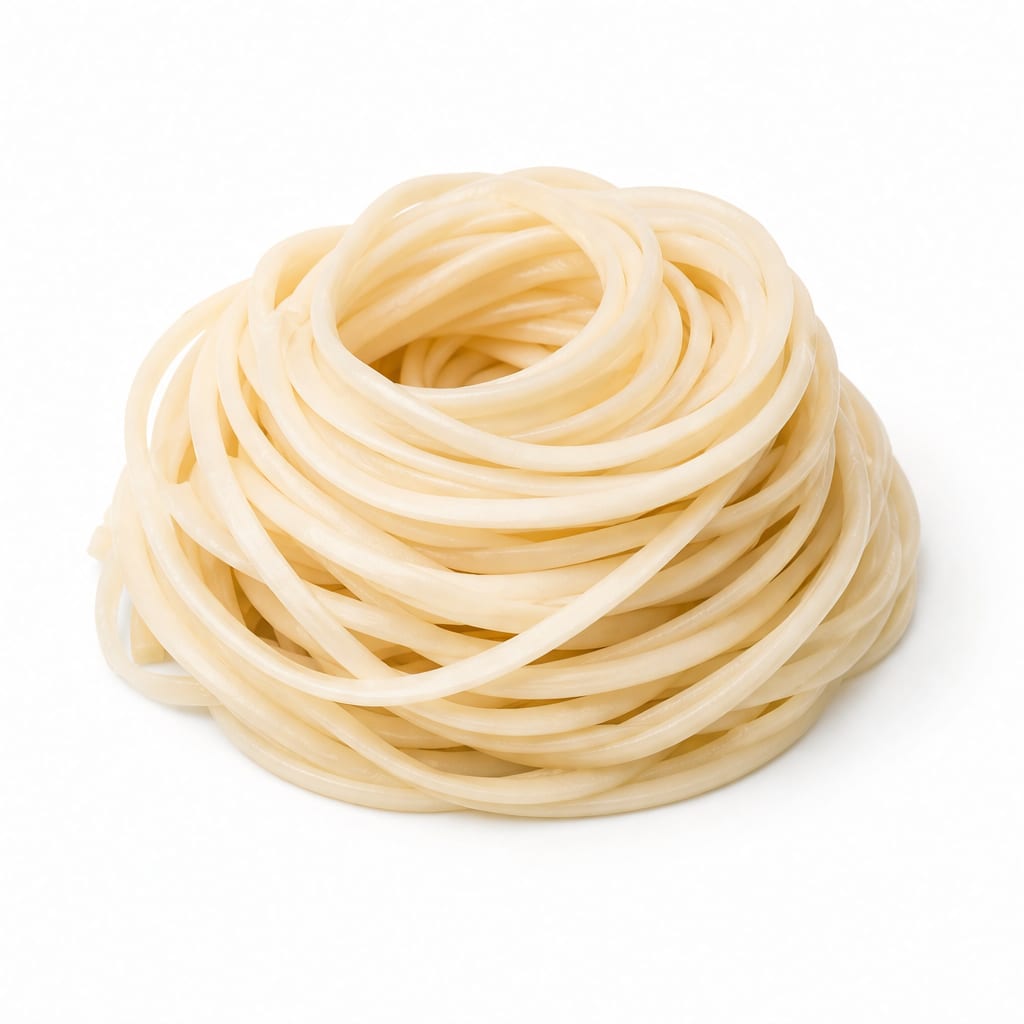
Hearts of Palm Pasta
Spaghetti Squash offers a more natural, filling experience with zero sodium, while Hearts of Palm Pasta wins on convenience and speed.
Spaghetti Squash scores higher due to being a completely unprocessed whole food with no added sodium, but Hearts of Palm Pasta remains a strong low-calorie option for convenience.
Whole-food satisfaction and longer prep time versus instant convenience and higher sodium.
At a glance
Executive summary
Overall
It depends
Healthier
Spaghetti Squash
More practical
Hearts of Palm Pasta
Daily use
Spaghetti Squash
Key comparison lenses
Low-carb pasta alternative selection
Both are popular substitutes for traditional wheat pasta among keto and low-carb dieters.
Weight loss and calorie density
Users comparing these are usually looking to maximize volume while minimizing calories.
Whole food naturalness versus convenience
There is a stark contrast between roasting a fresh vegetable and opening a shelf-stable jar.
Sodium and heart health impact
Canned Hearts of Palm carries hidden sodium that fresh squash completely avoids.
Best choice for
Spaghetti Squash
- Whole-food purists
- Sodium-sensitive individuals
- Weekend meal preppers
Hearts of Palm Pasta
- Busy professionals needing quick meals
- Minimal cooking setups
- Keto dieters wanting instant variety
Least suitable for
Spaghetti Squash
- People who hate cooking or long prep times
- Last-minute weeknight dinners
Hearts of Palm Pasta
- Strict low-sodium diets
- Those sensitive to acidic or briny flavors
Deep comparison
Dimension by dimension
Each lens scores both foods and breaks down who each option suits.
- Dimension 1 · Priority 90It depends
Calorie Density & Weight Loss
Spaghetti Squash · 85Hearts of Palm Pasta · 88Hearts of Palm Pasta is slightly lower in calories per serving, but Spaghetti Squash provides more physical volume and fiber, keeping you fuller longer.
Tradeoff
A few less calories versus better satiety and less hunger later.
Why it matters
Eating too few calories at a meal can lead to snacking later, negating the initial calorie savings.
Real-world impact
A plate of Spaghetti Squash feels like a substantial meal, while Hearts of Palm Pasta might leave you hungry an hour later without a heavy sauce.
Spaghetti Squash
- Staying full until the next meal
- Avoiding late-night snacking
Better for
- Maximizing calorie restriction
Worse for
Hearts of Palm Pasta
- Strict calorie counting
- Eating multiple small meals a day
Better for
- Controlling cravings and appetite
Worse for
- Dimension 2 · Priority 85Spaghetti Squash
Naturalness & Processing
Spaghetti Squash · 100Hearts of Palm Pasta · 55Spaghetti Squash is a whole vegetable you roast yourself. Hearts of Palm Pasta is commercially peeled, cut, and canned with salt and preservatives.
Tradeoff
Pure whole food versus a shelf-stable processed product.
Why it matters
Minimally processed foods generally support better gut health and avoid hidden additives.
Real-world impact
You know exactly what is in your Spaghetti Squash. Hearts of Palm Pasta often contains citric acid and calcium chloride to maintain texture.
Spaghetti Squash
- Clean eating diets
- Avoiding preservatives
Better for
- Short shelf life
Worse for
Hearts of Palm Pasta
- Pantry stocking
- Emergency low-carb meals
Better for
- Strict clean eating
Worse for
- Dimension 3 · Priority 80Hearts of Palm Pasta
Convenience & Prep Time
Spaghetti Squash · 30Hearts of Palm Pasta · 95Hearts of Palm Pasta is ready in 1 minute after a quick rinse and heat. Spaghetti Squash takes 40 to 60 minutes to roast.
Tradeoff
Instant gratification versus a lengthy cooking process.
Why it matters
When hunger strikes after a long day, convenience often dictates what you actually end up eating.
Real-world impact
You can have Hearts of Palm Pasta on the plate faster than boiling regular pasta. Spaghetti Squash requires planning ahead.
Spaghetti Squash
- Weekend meal prep sessions
Better for
- Last-minute meals
Worse for
Hearts of Palm Pasta
- Exhausted weeknights
- Quick lunches between meetings
Better for
- Culinary experiences
Worse for
- Dimension 4 · Priority 75Spaghetti Squash
Satiety & Eating Experience
Spaghetti Squash · 85Hearts of Palm Pasta · 60Spaghetti Squash provides a more satisfying, fibrous chew. Hearts of Palm Pasta can sometimes feel mushy or watery.
Tradeoff
A hearty, substantial bite versus a softer, more delicate texture.
Why it matters
Texture heavily influences how satisfying a meal feels, which impacts overall diet adherence.
Real-world impact
Spaghetti Squash holds up well under heavy sauces. Hearts of Palm Pasta can release water and dilute the sauce if not dried properly.
Spaghetti Squash
- Hearty winter meals
- Thick meat sauces
Better for
- Delicate oil-based dressings
Worse for
Hearts of Palm Pasta
- Light seafood sauces
- Cold pasta salads
Better for
- Thick creamy sauces
Worse for
- Dimension 5 · Priority 70Spaghetti Squash
Sodium & Heart Health
Spaghetti Squash · 95Hearts of Palm Pasta · 40Spaghetti Squash has virtually zero sodium. Hearts of Palm Pasta is packed in salt water and can contain a significant amount of sodium.
Tradeoff
Blood pressure friendly versus hidden sodium loads.
Why it matters
Excess sodium causes bloating and raises blood pressure, undermining the health benefits of a vegetable-based meal.
Real-world impact
Eating Hearts of Palm Pasta without rinsing it can add hundreds of milligrams of sodium to your dinner instantly.
Spaghetti Squash
- Managing blood pressure
- Reducing morning bloating
Better for
- Need for electrolyte replenishment
Worse for
Hearts of Palm Pasta
- Replenishing sodium after heavy sweating
Better for
- Heart health goals
Worse for
Timeline
Health impact over time
Short-term
Hours to days
Spaghetti Squash
- Steady energy without bloating
- Feels light but satisfying due to natural fiber
Hearts of Palm Pasta
- Quick low-calorie meal that requires minimal effort
- May taste slightly briny or acidic out of the jar
Long-term
Months to years
Spaghetti Squash
- Supports blood pressure health due to zero sodium
- Promotes sustainable whole-food dietary patterns
Hearts of Palm Pasta
- Contributes to daily sodium intake if not rinsed thoroughly
- Easy adherence to low-carb diets due to extreme convenience
Risk profile
Safety & processing
Spaghetti Squash is a whole vegetable requiring only cooking. Hearts of Palm Pasta is commercially processed and canned with salt, citric acid, and calcium chloride to maintain shelf stability and color.
Spaghetti Squash
Physical injury during prep
mediumRaw Spaghetti Squash is notoriously hard to cut, increasing the risk of knife slips. Microwaving briefly softens the skin for safer cutting.
Hearts of Palm Pasta
BPA exposure from packaging
lowSome canned or jarred Hearts of Palm may be packaged in BPA-lined containers, though many brands now use BPA-free alternatives.
Excess sodium intake
mediumCanned Hearts of Palm contain added salt for preservation. Always rinse thoroughly to reduce sodium levels before eating.
Who wins for whom
Audience fit
Same foods, different winners depending on your goal.
children
Spaghetti SquashThe mild, slightly sweet flavor of Spaghetti Squash is usually more appealing to kids than the briny, slightly acidic taste of canned Hearts of Palm.
daily consumption
Spaghetti SquashAs a zero-sodium whole food, Spaghetti Squash is safer to eat every day without worrying about cumulative sodium intake or preservatives.
diabetes
Spaghetti SquashSpaghetti Squash has no added sodium and a slightly lower glycemic impact with more natural fiber, promoting steadier blood sugar.
elderly
Hearts of Palm PastaHearts of Palm Pasta requires no heavy knife work or long cooking times, making it safer and easier for those with limited dexterity or stamina.
muscle gain
It dependsNeither is a significant protein source; both serve merely as low-calorie vehicles for protein-rich sauces.
weight loss
It dependsBoth are extremely low in calories. Hearts of Palm Pasta has slightly fewer calories per serving, but Spaghetti Squash provides more physical volume and fiber, keeping you fuller longer.
Your move
Decision guide
Choose Spaghetti Squash
- You want a 100% whole food with no additives
- You are watching your blood pressure or sodium intake
- You enjoy meal prepping on weekends
- You prefer a mild, slightly sweet flavor
Choose Hearts of Palm Pasta
- You need dinner on the table in 5 minutes
- You hate cooking or doing dishes
- You want an ultra-low calorie base for heavy sauces
- You don't mind a slightly briny taste
Either works if
- You are on a keto or low-carb diet
- You want a low-calorie alternative to traditional pasta
- You are focusing on weight loss
Avoid both if
- You are looking for a high-protein meal
- You want the exact chewy texture of real wheat pasta
Final recommendation
Choose Spaghetti Squash when you have the time to cook and want a clean, sodium-free whole food. Opt for Hearts of Palm Pasta on chaotic nights when convenience is your top priority, but always rinse it well to cut the salt.
Practical
Consumer tips
- 1
Microwave a whole Spaghetti Squash for 3-4 minutes before slicing to make it much easier and safer to cut.
- 2
Always rinse Hearts of Palm Pasta under cold water for at least 30 seconds to remove excess sodium and canning liquid.
- 3
Toss Hearts of Palm Pasta in a hot dry pan for 1-2 minutes to evaporate excess moisture and improve the texture before adding sauce.
- 4
Pair either option with a robust, protein-packed sauce like ground turkey bolognese to make the meal actually filling.