
Nutrition comparison
Spaghetti Squash vs Acorn Squash: Which Is Healthier?
Compare Spaghetti Squash and Acorn Squash side by side — calories, carbs, vitamins, fiber, and best uses. Find out which squash fits your diet goals.
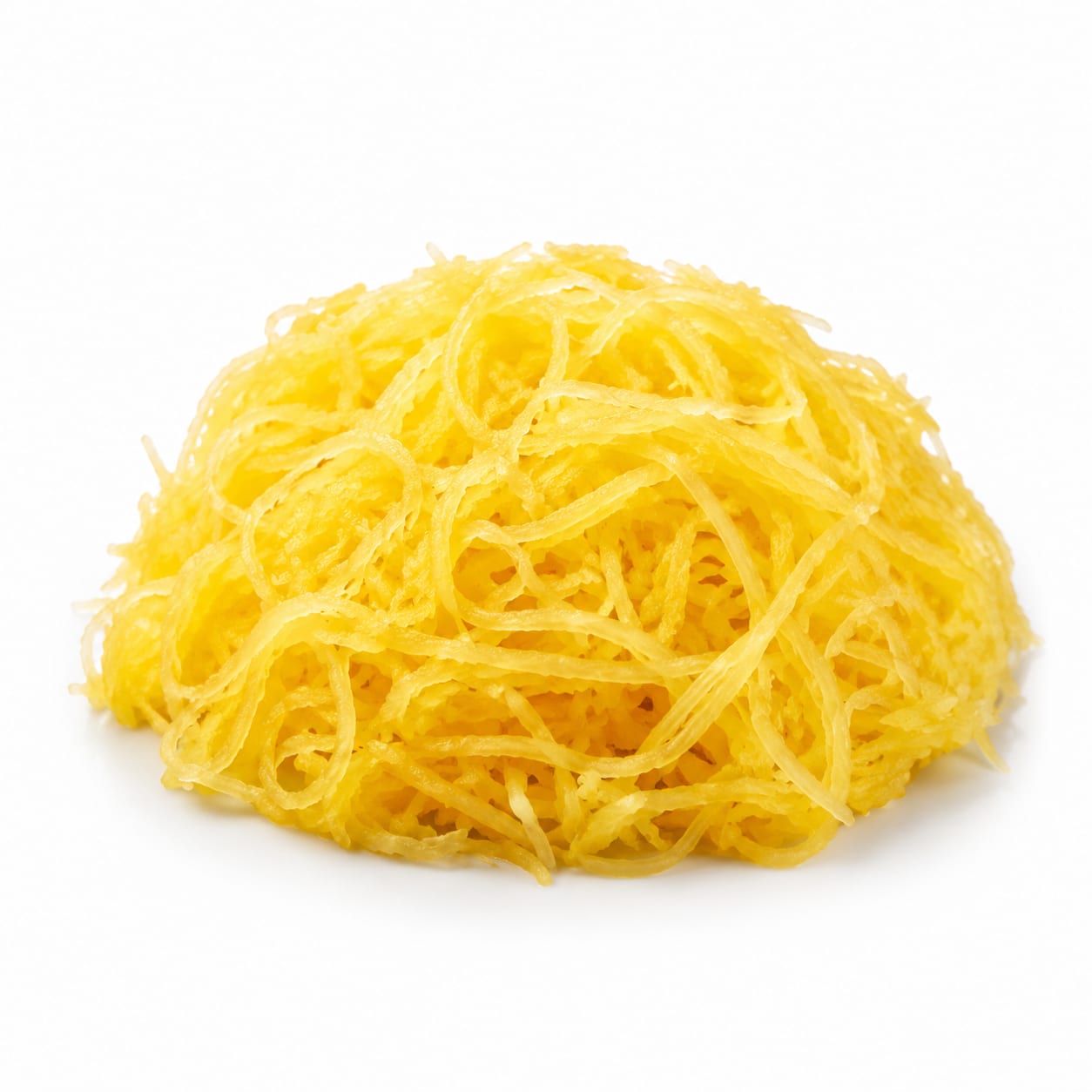
Spaghetti Squash
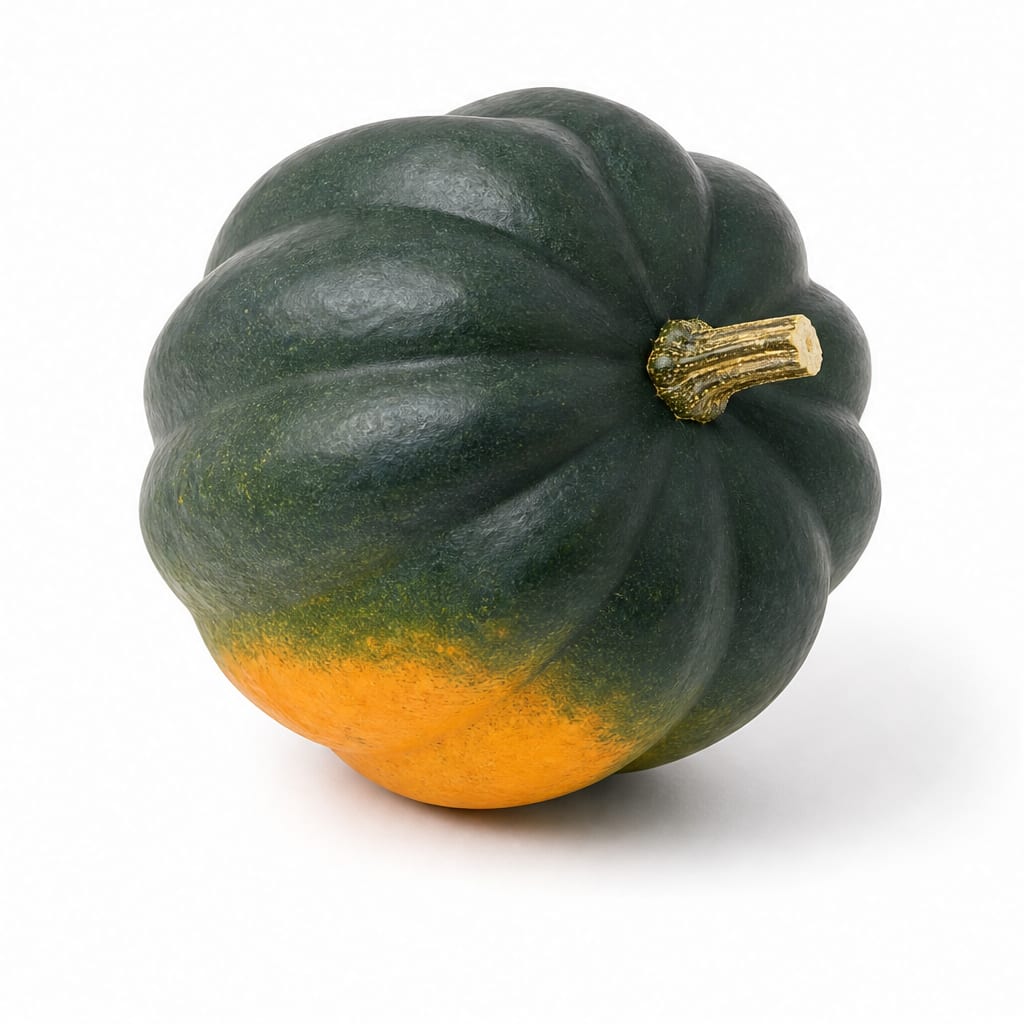
Acorn Squash
Spaghetti Squash wins for low-carb and calorie control; Acorn Squash wins for nutrient density and satisfying sweetness.
Acorn Squash scores higher overall due to superior nutrient density and satiety, but Spaghetti Squash earns strong marks for carb control and versatility. The gap reflects Acorn Squash being more nutritionally complete while Spaghetti Squash serves a more specific dietary niche.
Lightness and carb savings versus richer nutrition and more filling portions.
At a glance
Executive summary
Overall
It depends
Healthier
Acorn Squash
More practical
Spaghetti Squash
Daily use
It depends
Key comparison lenses
low carb diet compatibility
Spaghetti Squash is famous as a pasta substitute; users are likely comparing these for carb management
nutrient density comparison
Winter squashes vary significantly in vitamin and mineral content, making this a key differentiator
weight loss plate strategy
Both are filling vegetables but with very different calorie densities, impacting portion control
meal versatility
Spaghetti Squash mimics pasta while Acorn Squash is typically roasted or stuffed, changing how they fit into meals
blood sugar management
Carb content differs substantially, relevant for anyone monitoring glucose
Best choice for
Spaghetti Squash
- People on low-carb or keto diets
- Anyone replacing pasta with a lighter alternative
- Those counting calories who want larger portions
- Meal preppers wanting a neutral vegetable base
Acorn Squash
- People prioritizing vitamin A and C intake
- Anyone wanting a more filling, satisfying side dish
- Those seeking natural sweetness without added sugar
- Individuals needing more potassium in their diet
Least suitable for
Spaghetti Squash
- People wanting nutrient-dense calories per bite
- Those who find bland vegetables unsatisfying
- Anyone seeking rich, comforting winter flavors
Acorn Squash
- Strict low-carb dieters
- Those carefully limiting calorie intake
- People who dislike sweet vegetables
Deep comparison
Dimension by dimension
Each lens scores both foods and breaks down who each option suits.
- Dimension 1 · Priority 92Spaghetti Squash
Calorie Density and Weight Management
Spaghetti Squash · 90Acorn Squash · 60Spaghetti Squash delivers roughly 31 calories per cup versus Acorn Squash's 115 calories per cup, making it far easier to eat larger volumes without overconsuming.
Tradeoff
You get more plate volume with Spaghetti Squash but fewer nutrients per calorie. Acorn Squash packs more nutrition into each bite but at a higher calorie cost.
Why it matters
For anyone who eats by volume rather than weight, Spaghetti Squash lets you fill up without filling out.
Real-world impact
A heaping plate of Spaghetti Squash with marinara feels like a big meal for under 100 calories. The same volume of Acorn Squash would triple that count.
Spaghetti Squash
- Large-portion eaters
- Calorie counters
- Intermittent fasters breaking a fast lightly
Better for
- Growing children who need calorie density
- Endurance athletes needing carb fuel
Worse for
Acorn Squash
- Active people needing calorie density
- Underweight individuals seeking nourishment
- Hikers and athletes refueling
Better for
- Sedentary individuals watching weight
- Anyone prone to overeating calorie-dense sides
Worse for
- Dimension 2 · Priority 88Spaghetti Squash
Carb Content and Blood Sugar Impact
Spaghetti Squash · 88Acorn Squash · 55Spaghetti Squash contains about 7g carbs per cup while Acorn Squash has roughly 30g. This makes Spaghetti Squash dramatically better for blood sugar management.
Tradeoff
Spaghetti Squash keeps blood sugar steadier but provides less sustained energy. Acorn Squash offers more usable energy but causes a larger glucose response.
Why it matters
For diabetics or anyone monitoring blood sugar, this difference is not subtle — it is the deciding factor.
Real-world impact
Spaghetti Squash with sauce will not cause the afternoon energy dip that a generous portion of Acorn Squash might trigger.
Spaghetti Squash
- Type 2 diabetics
- Keto and low-carb adherents
- People with insulin resistance
Better for
- Endurance athletes needing glycogen replenishment
- Anyone under-fueling unintentionally
Worse for
Acorn Squash
- Carb-loading athletes before events
- Healthy active people needing sustained energy
- Post-workout recovery meals
Better for
- Pre-diabetics monitoring glucose closely
- Anyone on a strict carb budget
Worse for
- Dimension 3 · Priority 85Acorn Squash
Vitamin and Mineral Density
Spaghetti Squash · 50Acorn Squash · 90Acorn Squash is significantly richer in vitamin A, vitamin C, potassium, and B vitamins. Spaghetti Squash is nutritionally modest by comparison.
Tradeoff
Acorn Squash delivers more immune-supporting and electrolyte nutrients per serving, but you pay for it with more carbs and calories.
Why it matters
If you are relying on vegetables as a primary nutrient source, Acorn Squash pulls far more weight.
Real-world impact
One cup of Acorn Squash covers roughly 30% of your daily vitamin C needs. Spaghetti Squash covers about 5%.
Spaghetti Squash
- Those already taking multivitamins or eating nutrient-dense diets elsewhere
Better for
- Anyone with a limited diet lacking variety
- People avoiding supplements who need food-source vitamins
Worse for
Acorn Squash
- People relying on whole foods for vitamin intake
- Immune-compromised individuals
- Older adults needing potassium for blood pressure
Better for
- Those already meeting vitamin needs through other foods
Worse for
- Dimension 4 · Priority 78Acorn Squash
Satiety and Meal Satisfaction
Spaghetti Squash · 60Acorn Squash · 85Acorn Squash is denser, sweeter, and more filling per serving. Spaghetti Squash is light and can leave you hungry sooner if eaten alone.
Tradeoff
Acorn Squash satisfies more deeply but is harder to eat in large portions. Spaghetti Squash is lighter and more versatile but less emotionally satisfying as a standalone dish.
Why it matters
A meal that does not satisfy leads to snacking later. Acorn Squash holds you longer.
Real-world impact
A stuffed Acorn Squash half can be a complete comforting dinner. Spaghetti Squash usually needs protein and fat added to feel like a real meal.
Spaghetti Squash
- Light lunch eaters
- Anyone wanting a low-calorie base for rich sauces
Better for
- People prone to late-night snacking after unsatisfying dinners
Worse for
Acorn Squash
- Emotional eaters needing comfort from food
- People who skip snacks between meals
- Anyone eating one-dish dinners
Better for
- Those who feel sluggish after heavy meals
Worse for
- Dimension 5 · Priority 72Spaghetti Squash
Culinary Versatility
Spaghetti Squash · 85Acorn Squash · 65Spaghetti Squash works as a pasta substitute, a salad base, a casserole layer, or a light side. Acorn Squash is mostly roasted, stuffed, or mashed.
Tradeoff
Spaghetti Squash adapts to more cuisines and sauces but has a blander flavor. Acorn Squash has a distinctive sweet-nutty taste that defines the dish.
Why it matters
If you eat the same vegetable multiple times a week, Spaghetti Squash gets boring less quickly because it takes on other flavors.
Real-world impact
You can put pesto, marinara, or even Thai peanut sauce on Spaghetti Squash and it works. Acorn Squash pretty much always tastes like Acorn Squash.
Spaghetti Squash
- Meal preppers wanting one base for multiple recipes
- Families with diverse taste preferences
- Home cooks who experiment with cuisines
Better for
- Those wanting bold vegetable flavor as the star
Worse for
Acorn Squash
- Fans of traditional roasted squash dishes
- Thanksgiving and holiday meal planners
- People who enjoy simple preparations
Better for
- Anyone tired of sweet squash flavors
- Cooks wanting a neutral canvas
Worse for
- Dimension 6 · Priority 68Acorn Squash
Fiber Quality and Digestive Tolerance
Spaghetti Squash · 62Acorn Squash · 80Acorn Squash provides about 9g fiber per cup compared to Spaghetti Squash's 1.5g. This is a dramatic difference for digestive health.
Tradeoff
More fiber means better digestion and gut health but can cause bloating in sensitive individuals. Spaghetti Squash is gentler on the stomach.
Why it matters
Most people under-consume fiber. Acorn Squash makes a meaningful dent in daily needs; Spaghetti Squash barely moves the needle.
Real-world impact
A single Acorn Squash serving covers nearly a third of your daily fiber target. You would need six cups of Spaghetti Squash to match that.
Spaghetti Squash
- People with IBS or sensitive digestion
- Anyone recovering from gastrointestinal issues
- Those transitioning to more vegetables gradually
Better for
- Anyone counting on vegetables for fiber intake
Worse for
Acorn Squash
- Constipation-prone individuals
- Gut health optimizers
- People on high-fiber diet protocols
Better for
- FODMAP-sensitive individuals
- People who experience bloating from high-fiber foods
Worse for
Timeline
Health impact over time
Short-term
Hours to days
Spaghetti Squash
- Light feeling after eating, minimal food coma risk
- Stable blood sugar with no crash
- Possible hunger returning within 1-2 hours if eaten without protein
Acorn Squash
- Comforting fullness that lasts 3-4 hours
- Mild blood sugar rise, especially in larger portions
- Warm, satisfied feeling similar to eating a starchy comfort food
Long-term
Months to years
Spaghetti Squash
- Easier weight maintenance due to low calorie density
- Possible nutrient gaps if relied on as a primary vegetable
- Consistent blood sugar control supporting metabolic health
Acorn Squash
- Improved immune function from consistent vitamin A and C intake
- Better blood pressure regulation from potassium content
- Improved bowel regularity from high fiber intake
Risk profile
Safety & processing
Both squashes are whole foods with minimal processing concerns. Choose fresh, firm specimens without soft spots. Frozen versions are equally nutritious and sometimes more convenient.
Spaghetti Squash
Pesticide residue on conventionally grown squash
lowWinter squashes have thick skins that protect the flesh. Peeling or washing thoroughly reduces any residue. Organic is preferred but not critical.
Spoilage from improper storage
mediumSpaghetti Squash can develop mold if stored in humid conditions. Keep in a cool dry place and use within a month of purchase.
Acorn Squash
Pesticide residue on conventionally grown squash
lowSame thick-skin protection applies. The flesh is well-shielded. Washing before cutting is sufficient.
Spoilage from improper storage
mediumAcorn Squash spoils faster than some winter squashes. Use within 2-3 weeks. Cut squash should be refrigerated and used within 5 days.
Who wins for whom
Audience fit
Same foods, different winners depending on your goal.
children
Acorn SquashAcorn Squash's natural sweetness and smooth texture when mashed appeal more to kids, and the higher calorie and nutrient density supports growing bodies.
daily consumption
It dependsSpaghetti Squash is better for daily use on low-carb plans. Acorn Squash is better for daily use when nutrient density and fiber are the priority. Context determines the winner.
diabetes
Spaghetti SquashWith roughly one-quarter the carbs per cup, Spaghetti Squash keeps glucose response far more manageable for anyone monitoring blood sugar.
elderly
Acorn SquashAcorn Squash is softer when cooked, more nutrient-dense per bite, and provides more potassium for blood pressure management — all critical for older adults.
muscle gain
Acorn SquashAcorn Squash provides more carbs for glycogen replenishment and more potassium for muscle recovery, making it more useful around training.
weight loss
Spaghetti SquashSpaghetti Squash provides massive portion sizes for minimal calories, making it the easiest squash to overeat without consequence.
Your move
Decision guide
Choose Spaghetti Squash
- You are on a low-carb, keto, or diabetic diet
- You want a pasta replacement that absorbs sauce flavors
- You prefer larger food volumes with fewer calories
- You meal prep and want a versatile vegetable base
- You are cutting weight for a sport or event
Choose Acorn Squash
- You want maximum nutrition per serving
- You crave something sweet and satisfying without dessert
- You need more fiber and potassium in your diet
- You are cooking a cozy autumn or winter meal
- You are feeding children or elderly family members who need calorie density
Either works if
- You want a seasonal whole-food side dish
- You are already eating a varied diet with plenty of nutrients
- You enjoy rotating vegetables for variety
- You are making a roasted vegetable medley
Avoid both if
- You have a severe squash allergy, which is rare but possible
- You are on a strict very-low-fiber diet for medical reasons and cannot tolerate Acorn Squash portions
Final recommendation
Keep both in rotation. Use Spaghetti Squash when you need lightness and carb control, especially at dinner. Use Acorn Squash when you want nourishment, comfort, and a nutrient boost. They serve different purposes and complement each other well across a week of meals.
Practical
Consumer tips
- 1
Choose Spaghetti Squash that feels heavy for its size with a pale yellow color — green ones are underripe
- 2
Acorn Squash should have deep green skin with a touch of orange — fully orange means overripe
- 3
Pierce both squashes before microwaving to speed up cutting — 3 minutes on high softens the skin enough to slice safely
- 4
Spaghetti Squash strands come out longer if you run the fork lengthwise along the flesh
- 5
Acorn Squash halves roast beautifully face-down at 400°F for 35 minutes — no peeling needed
- 6
Both freeze well after cooking — portion into bags for quick weeknight sides
- 7
Olive oil, salt, and a little parmesan elevate Spaghetti Squash without adding many calories
- 8
Maple syrup and cinnamon on Acorn Squash is healthier than it tastes — the squash is already sweet, so use very little