
Nutrition comparison
Spaghetti Squash vs Cauliflower Rice: Which Low-Carb Substitute Is Better?
Compare Spaghetti Squash and Cauliflower Rice on carbs, calories, satiety, convenience, and digestion. Find out which low-carb grain substitute fits your meals and lifestyle better.
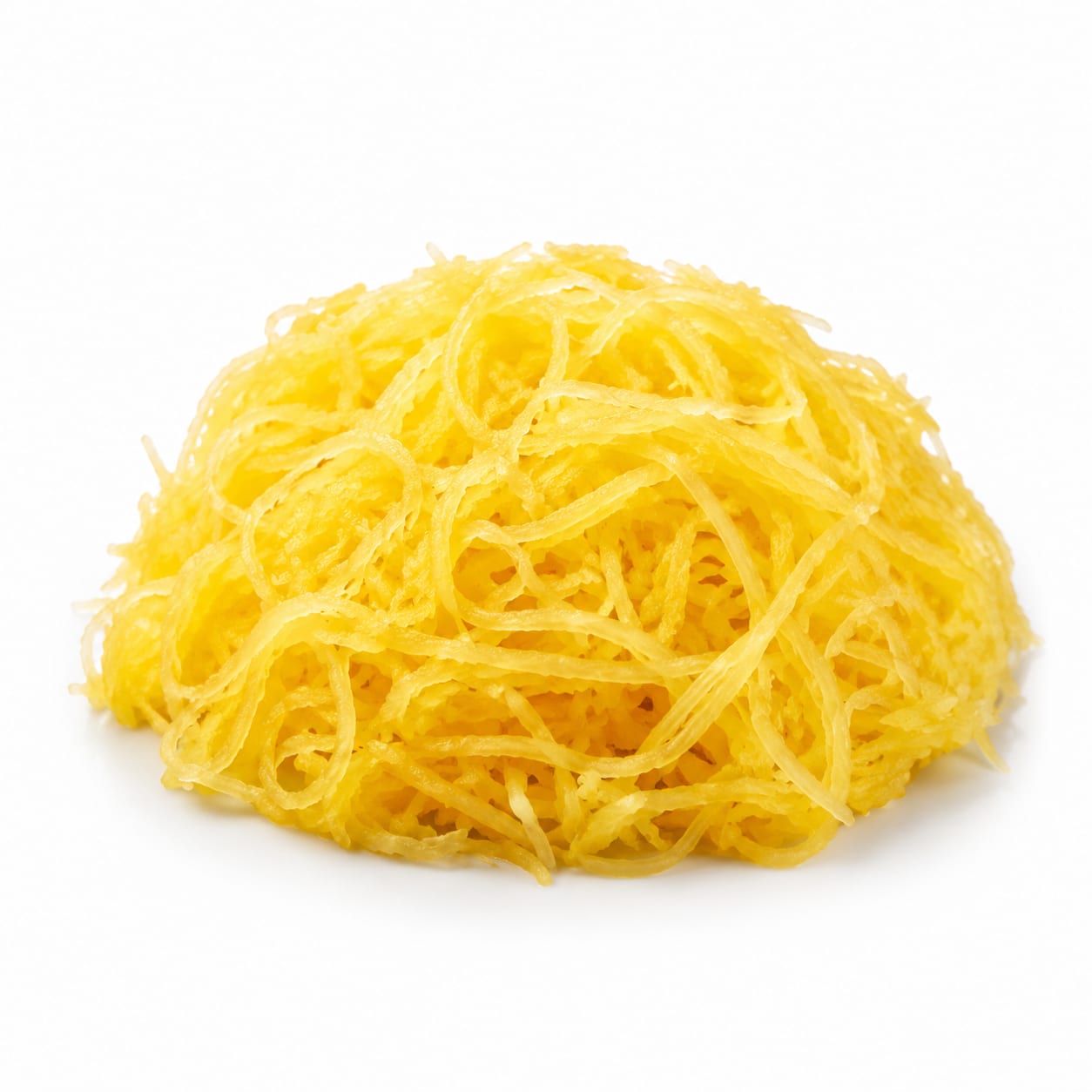
Spaghetti Squash
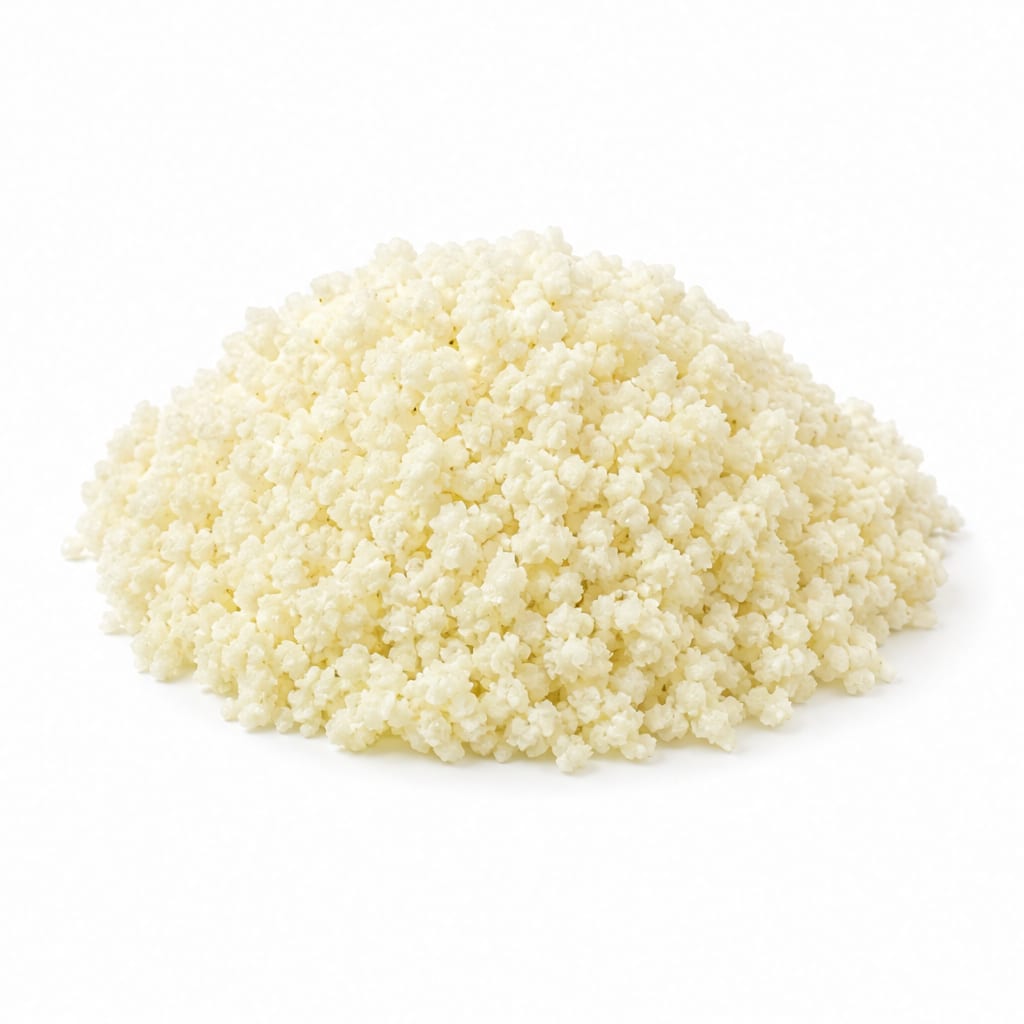
Cauliflower Rice
Cauliflower Rice is faster and slightly lower in carbs, but Spaghetti Squash delivers more satisfying texture and better satiety as a meal base.
Cauliflower Rice edges ahead on practicality and carb content, but Spaghetti Squash holds its own with superior satiety and a more comforting eating experience. The close scores reflect that neither is universally better — they serve different meal roles.
Convenience and carb minimization versus comfort and fullness — Cauliflower Rice wins on speed, Spaghetti Squash wins on satisfaction.
At a glance
Executive summary
Overall
It depends
Healthier
It depends
More practical
Cauliflower Rice
Daily use
Cauliflower Rice
Key comparison lenses
low carb grain substitute
Both are popular replacements for high-carb staples like pasta and rice, making carb count the primary decision driver
weight loss plate filler
Users comparing these are usually trying to reduce calories while still feeling full at mealtime
meal prep convenience
Preparation time and batch-cooking feasibility differ significantly between these two options
blood sugar management
Both appeal to people managing diabetes or insulin resistance, so glycemic impact matters
nutrient density on a budget
Cost and micronutrient return per calorie are secondary but relevant concerns
Best choice for
Spaghetti Squash
- People replacing pasta who need a comforting, fork-twirlable experience
- Those who find low-carb meals unsatisfying and need more volume to feel full
- Anyone wanting a whole-roasted vegetable centerpiece for family dinners
- Meal preppers who cook in large weekly batches and reheat throughout the week
Cauliflower Rice
- People replacing rice in stir-fries, burrito bowls, or curry dishes
- Busy individuals who need a low-carb side ready in under 10 minutes
- Those tracking every gram of carbs and calories closely
- Anyone wanting a neutral base that absorbs sauces and seasonings without competing flavors
Least suitable for
Spaghetti Squash
- People who need a quick weeknight side dish in under 15 minutes
- Anyone sensitive to texture — the strands can feel watery or slightly crunchy if undercooked
- Those wanting a neutral flavor base, since Spaghetti Squash has a mild sweetness
Cauliflower Rice
- People prone to bloating or gas from cruciferous vegetables
- Anyone bothered by the slightly sulfurous smell during cooking
- Those seeking a hearty, filling meal base — Cauliflower Rice can feel too light on its own
Deep comparison
Dimension by dimension
Each lens scores both foods and breaks down who each option suits.
- Dimension 1 · Priority 95Cauliflower Rice
Carb and Calorie Density
Spaghetti Squash · 70Cauliflower Rice · 88Cauliflower Rice has fewer carbs and calories per serving, making it the stricter low-carb option.
Tradeoff
Spaghetti Squash has slightly more carbs but also more natural sweetness and substance, which can prevent overeating later.
Why it matters
For keto dieters or those counting every carb gram, the difference of 2-4g net carbs per cup actually matters. For general low-carb eaters, both are excellent choices.
Real-world impact
A cup of Cauliflower Rice runs about 25 calories and 3g net carbs. Spaghetti Squash is closer to 31 calories and 5g net carbs. Both are trivial compared to real pasta or rice, but the gap matters at the extremes.
Spaghetti Squash
- Moderate low-carb dieters who prioritize satisfaction over strict macros
Better for
- Anyone under 20g daily carb limit who needs to squeeze every gram
Worse for
Cauliflower Rice
- Strict keto followers counting every carb gram
- People on very low calorie diets who need to minimize everywhere possible
Better for
- People who find ultra-low-calorie meals triggering for later snacking
Worse for
- Dimension 2 · Priority 90Spaghetti Squash
Satiety and Fullness
Spaghetti Squash · 82Cauliflower Rice · 65Spaghetti Squash keeps you fuller for longer due to its volume, fiber structure, and more substantial bite.
Tradeoff
Cauliflower Rice digests faster, which is great for light meals but can leave you hungry again within an hour or two.
Why it matters
The whole point of swapping grains is feeling satisfied without the carb load. If your substitute leaves you raiding the fridge an hour later, the swap failed.
Real-world impact
A plate of Spaghetti Squash with marinara feels like a real meal. Cauliflower Rice under a stir-fry feels like a light lunch — fine some days, unsatisfying on others.
Spaghetti Squash
- Dinner portions where lasting fullness matters
- People who tend to snack after meals if they do not feel physically full
Better for
- Meals right before exercise where a heavy stomach hurts performance
Worse for
Cauliflower Rice
- Light lunches where you want to avoid afternoon sluggishness
- Pre-workout meals where digesting quickly is an advantage
Better for
- Evening meals where hunger returns before bed
Worse for
- Dimension 3 · Priority 85Cauliflower Rice
Convenience and Preparation Speed
Spaghetti Squash · 45Cauliflower Rice · 90Cauliflower Rice can be ready in 5 minutes, especially if pre-riced. Spaghetti Squash takes 30-45 minutes to roast.
Tradeoff
Spaghetti Squash rewards patience with better texture. Cauliflower Rice rewards urgency with speed but can turn mushy if overcooked.
Why it matters
The best low-carb food is the one you actually make. If prep time kills your consistency, convenience wins over marginal nutritional differences.
Real-world impact
You can microwave a bag of Cauliflower Rice while reheating leftovers. Spaghetti Squash requires planning — it is a weekend project or a meal-prep task, not a Tuesday-at-6pm solution.
Spaghetti Squash
- Weekend meal prep sessions where you cook once and eat for days
- People who enjoy cooking as a process, not just an outcome
Better for
- Last-minute meals when you need food now
- Households where only one person cooks and time is scarce
Worse for
Cauliflower Rice
- Weeknight dinners when time is tight
- Anyone using pre-riced frozen cauliflower for near-zero prep
Better for
- Cooks who dislike the texture of pre-riced frozen versions
Worse for
- Dimension 4 · Priority 75Cauliflower Rice
Versatility Across Cuisines
Spaghetti Squash · 60Cauliflower Rice · 85Cauliflower Rice adapts to almost any cuisine — Asian, Mexican, Middle Eastern, Mediterranean. Spaghetti Squash is largely limited to Italian-inspired dishes.
Tradeoff
Spaghetti Squash does one thing extremely well — replace pasta. Cauliflower Rice does many things adequately but nothing as convincingly.
Why it matters
If you eat diverse cuisines weekly, one substitute covers more meals. If you just want a great pasta night, specialization wins.
Real-world impact
Cauliflower Rice works in burrito bowls, fried rice, pilafs, tabbouleh, and as a simple side. Spaghetti Squash shines with marinara, pesto, or meat sauce but feels awkward in a curry.
Spaghetti Squash
- Italian-inspired meal rotations
- People who primarily miss pasta and want the closest experience
Better for
- Asian and Latin American recipes where pasta shape makes no sense
Worse for
Cauliflower Rice
- Cooking across multiple cuisines weekly
- Anyone who eats a lot of bowl-style meals
Better for
- Pasta night specifically — the texture and fork experience fall short
Worse for
- Dimension 5 · Priority 72Cauliflower Rice
Nutrient Density
Spaghetti Squash · 68Cauliflower Rice · 80Cauliflower Rice delivers more vitamin C, vitamin K, and folate per calorie. Spaghetti Squash offers more manganese and modest vitamin B6.
Tradeoff
Cauliflower contains glucosinolates — sulfur compounds linked to cancer-fighting properties. Spaghetti Squash has carotenoids for eye health but in smaller amounts than orange vegetables.
Why it matters
When you replace calorie-dense grains with vegetables, you want the highest nutrient return possible. Both deliver, but Cauliflower has a wider micronutrient spread.
Real-world impact
A cup of Cauliflower Rice covers about 75% of your daily vitamin C needs. Spaghetti Squash covers closer to 8%. That gap adds up over the week.
Spaghetti Squash
- People already eating plenty of cruciferous vegetables who want variety
- Anyone focused on manganese and B6 specifically
Better for
- Anyone counting on their grain substitute for meaningful vitamin C or K
Worse for
Cauliflower Rice
- Those relying on vegetable substitutes as a primary nutrient source
- People who do not eat many cruciferous vegetables otherwise
Better for
- People already loading up on broccoli, Brussels sprouts, and kale who may want diversity
Worse for
- Dimension 6 · Priority 70Spaghetti Squash
Digestive Tolerance
Spaghetti Squash · 85Cauliflower Rice · 55Spaghetti Squash is gentle on digestion for most people. Cauliflower Rice can cause bloating and gas, especially in larger portions.
Tradeoff
Cauliflower's gut-irritating compounds are the same ones that provide cancer-fighting benefits. Spaghetti Squash is easier on the stomach but lacks those protective compounds.
Why it matters
A healthy food that makes you bloated and uncomfortable is not sustainable. Digestive comfort determines whether you keep eating it.
Real-world impact
Eating a large bowl of Cauliflower Rice can leave you feeling puffy and gassy for hours. Spaghetti Squash rarely causes this, even in bigger portions.
Spaghetti Squash
- People with IBS or sensitive digestion
- Anyone who has experienced bloating from cruciferous vegetables before
Better for
- Rarely an issue — Spaghetti Squash is one of the gentler vegetables
Worse for
Cauliflower Rice
- Those with iron stomachs who tolerate cruciferous vegetables well
- People eating small portions as a side rather than a base
Better for
- Date nights, important meetings, or any situation where bloating is socially costly
- People with FODMAP sensitivities
Worse for
Timeline
Health impact over time
Short-term
Hours to days
Spaghetti Squash
- Steady energy without blood sugar spikes — the mild carb content digests slowly
- Comforting meal experience that reduces the psychological deprivation of low-carb diets
- Minimal digestive discomfort even in larger portions
Cauliflower Rice
- Very low blood sugar impact, nearly negligible carb load per serving
- Possible bloating or gas within 30-90 minutes of eating, especially at larger portions
- Light feeling after meals that some find energizing and others find unsatisfying
Long-term
Months to years
Spaghetti Squash
- Consistent use supports sustainable low-carb eating because the satisfaction reduces diet fatigue
- Manganese and B6 intake supports bone health and energy metabolism over time
- Low risk of developing food intolerances due to its gentle digestive profile
Cauliflower Rice
- Regular glucosinolate intake from cauliflower supports cellular defense mechanisms and long-term cancer risk reduction
- High vitamin K consumption supports bone density and cardiovascular health over decades
- Possible development of cruciferous fatigue — some people grow to dislike it if over-relying on it daily
Risk profile
Safety & processing
Both are whole vegetables in their natural form. However, pre-riced Cauliflower Rice from the produce or freezer section may undergo minimal processing for shelf stability. Spaghetti Squash is almost always sold whole, making it the more reliably unprocessed option. If you rice your own cauliflower at home, this difference disappears entirely.
Spaghetti Squash
Pesticide residue on skin
lowSpaghetti Squash skin is removed before eating, so pesticide exposure is minimal. Still worth rinsing before cutting.
Improper storage leading to mold
lowWhole squash lasts weeks at room temperature. Once cut, refrigerate and use within 5 days to avoid spoilage.
Cauliflower Rice
Pesticide residue
mediumCauliflower consistently appears on the EWG's Dirty Dozen list due to pesticide exposure in its tight florets. Washing helps but does not remove everything. Organic reduces this significantly.
Bacterial contamination in pre-riced packages
mediumPre-cut cauliflower rice has more surface area exposed to potential contamination. Check expiration dates and smell before eating. Consume within 2 days of opening.
Who wins for whom
Audience fit
Same foods, different winners depending on your goal.
children
Spaghetti SquashKids tend to find Spaghetti Squash more fun — the noodle-like strands are novel and playful. Cauliflower Rice is more likely to be rejected as suspicious or too obviously vegetable-like.
daily consumption
Cauliflower RiceFaster prep and broader versatility make Cauliflower Rice easier to eat every day without getting bored. Spaghetti Squash's longer cook time and narrower recipe range make daily use feel like a chore.
diabetes
Cauliflower RiceLower net carbs and a slightly lower glycemic load make Cauliflower Rice the marginally safer choice for tight blood sugar control. Both are excellent compared to actual grains.
elderly
Spaghetti SquashEasier digestion and softer texture when properly cooked make Spaghetti Squash more suitable for aging digestive systems. Cauliflower's gas-producing effects can be particularly uncomfortable for older adults.
muscle gain
It dependsNeither is a meaningful protein source. Both serve as carb-free plate fillers alongside protein. Spaghetti Squash holds heavier meat sauces better, which indirectly supports higher protein intake per meal.
weight loss
Cauliflower RiceCauliflower Rice has slightly fewer calories per cup and its lighter profile encourages portion control. However, people who find it unsatisfying may compensate by eating more later, which narrows the gap.
Your move
Decision guide
Choose Spaghetti Squash
- You miss twirling pasta on a fork and nothing else scratches that itch
- You have time to roast on weekends and want leftovers for the week
- Digestive sensitivity makes cruciferous vegetables unreliable
- You are feeding kids who need novelty to accept vegetables
- A satisfying dinner that prevents late-night snacking is your top priority
Choose Cauliflower Rice
- You need a low-carb side dish ready in under 10 minutes on a Tuesday
- You eat a variety of cuisines and want one substitute that works everywhere
- You are tracking carbs strictly and every gram counts
- You already meal-prep proteins and sauces and just need a quick base
- You want something light enough for lunch that will not slow down your afternoon
Either works if
- You are simply trying to eat more vegetables and fewer refined grains
- Both fit your carb budget and you want variety across the week
- You are cooking for one and can alternate based on what is in season
Avoid both if
- You need a significant calorie or carb source to fuel endurance training
- You are looking for a protein-rich base — neither delivers meaningful protein
- You have a thyroid condition and are concerned about goitrogenic compounds in cruciferous vegetables eaten raw in large amounts
Final recommendation
Keep both in rotation. Use Spaghetti Squash for comforting weekend pasta nights when you have time to roast. Use Cauliflower Rice for quick weeknight meals where speed matters more than ceremony. Trying to pick just one means sacrificing either satisfaction or convenience — and sustainability beats perfection every time.
Practical
Consumer tips
- 1
Prick Spaghetti Squash with a fork before microwaving for 3-4 minutes to make it easier and safer to cut in half — this softens the skin without fully cooking it
- 2
Roast Spaghetti Squash cut-side down at 400°F for 30-40 minutes — this caramelizes the edges and reduces the watery texture that turns people off
- 3
After shredding Spaghetti Squash, let it drain on a clean towel for 5 minutes — excess moisture is the number one reason it feels soggy under sauce
- 4
For Cauliflower Rice, pulse raw florets in a food processor until rice-sized — avoid over-processing into mush
- 5
Sauté Cauliflower Rice in a hot pan with a little oil for 4-5 minutes rather than steaming — dry heat prevents the sogginess that makes it unappetizing
- 6
Buy organic cauliflower when possible — it consistently ranks high for pesticide residue, and the riced form has more surface area exposed
- 7
Freeze pre-riced cauliflower in portioned bags for instant weeknight availability — texture holds up well for 2-3 months
- 8
Season Cauliflower Rice aggressively — it absorbs flavors well but tastes bland on its own. Garlic, soy sauce, lime, and cumin all work beautifully
- 9
If Cauliflower Rice causes bloating, try smaller portions alongside Spaghetti Squash or another gentle base rather than replacing your entire grain portion at once