
Nutrition comparison
Spaghetti Squash vs Whole Wheat Pasta: Nutrition & Health Comparison
Comparing Spaghetti Squash and Whole Wheat Pasta? Discover the key differences in carbs, calories, weight loss impact, and which is healthier for your diet.
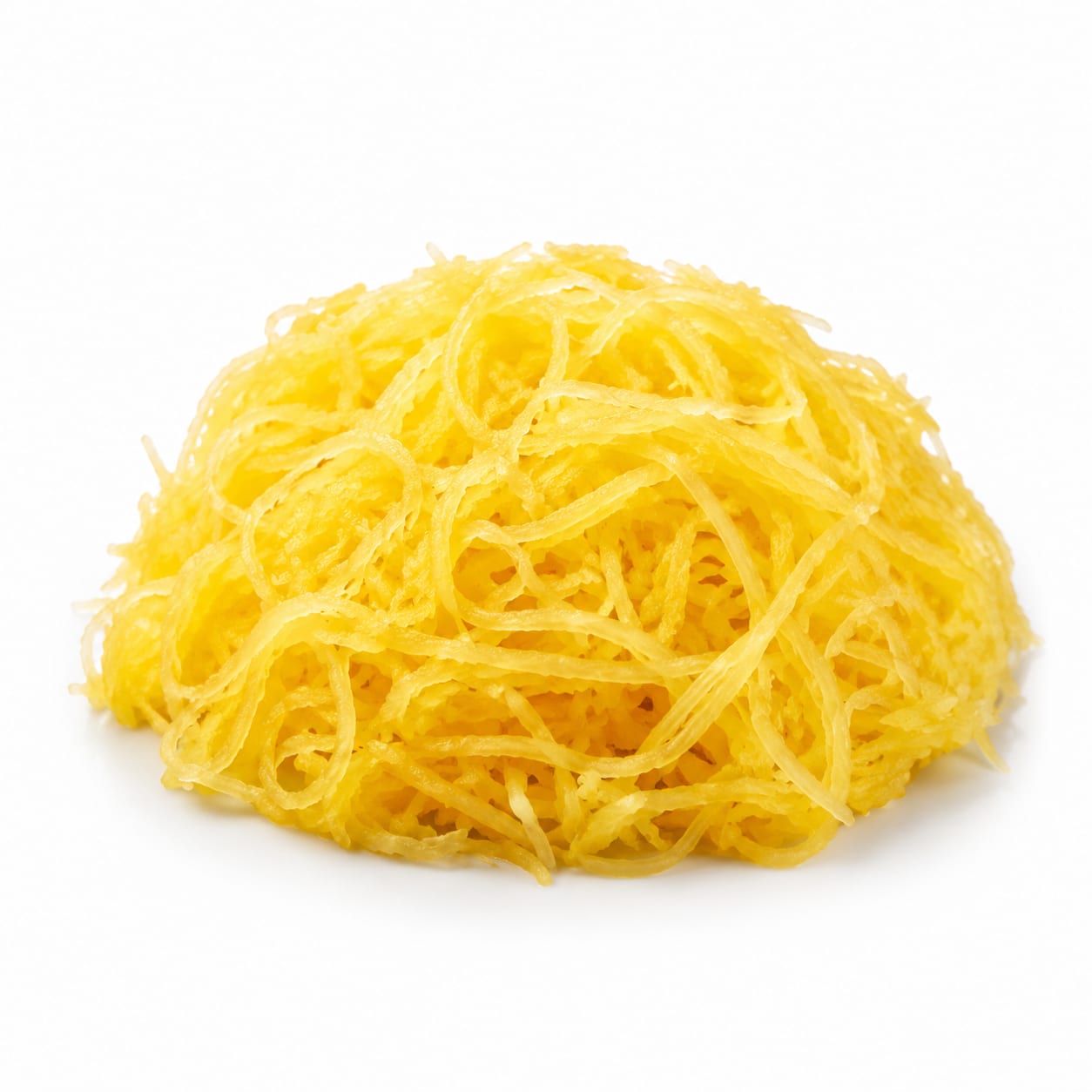
Spaghetti Squash
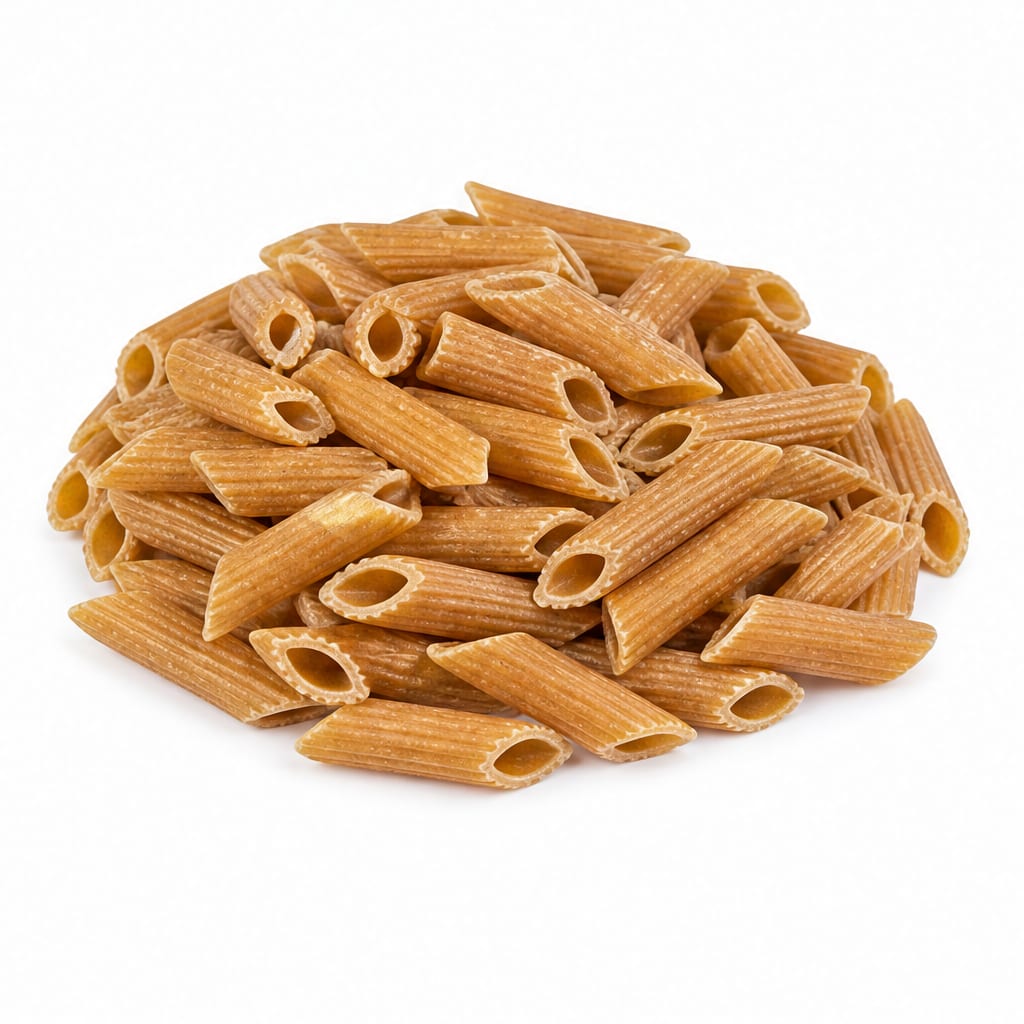
Whole Wheat Pasta
Spaghetti Squash is your low-calorie, low-carb volume eater, while Whole Wheat Pasta is your filling, energizing, and convenient comfort food.
Whole Wheat Pasta edges out slightly for daily practicality, protein content, and sustained energy. However, Spaghetti Squash dominates specific goals like weight loss and blood sugar control, making them nearly tied depending on your dietary priorities.
You trade the massive calorie savings and blood sugar stability of Spaghetti Squash for the lasting fullness, quick prep, and sustained energy of Whole Wheat Pasta.
At a glance
Executive summary
Overall
It depends
Healthier
It depends
More practical
Whole Wheat Pasta
Daily use
Whole Wheat Pasta
Key comparison lenses
Low-carb diet compatibility
Spaghetti Squash is a vegetable with minimal carbs, while Whole Wheat Pasta is a dense carbohydrate source, making this the primary decision driver.
Blood sugar management
The difference in glycemic load between a watery vegetable and a wheat-based grain significantly impacts insulin response and energy stability.
Calorie density for weight loss
Spaghetti Squash offers massive volume for very few calories, whereas Whole Wheat Pasta is calorie-dense and easy to overeat.
Satiety and meal satisfaction
Whole Wheat Pasta provides substantial protein and complex carbs that keep you full, while Spaghetti Squash is very light and may leave you hungry if eaten alone.
Preparation convenience
Boiling Whole Wheat Pasta takes 10 minutes, while roasting Spaghetti Squash takes 40+ minutes, impacting weeknight practicality.
Best choice for
Spaghetti Squash
- Strict low-carb or keto diets
- Large portion lovers wanting to cut calories
- People managing insulin resistance or diabetes
- Light dinners before bedtime
Whole Wheat Pasta
- Athletes needing pre-workout carbs
- Busy families needing 15-minute weeknight meals
- People looking for lasting satiety from one plate
- Vegans and vegetarians seeking plant-based protein
Least suitable for
Spaghetti Squash
- High-intensity athletes needing carb fuel
- People struggling to get enough daily calories
- Last-minute dinner emergencies
- Those who find vegetable substitutes unsatisfying
Whole Wheat Pasta
- Strict ketogenic dieters
- Those with severe gluten intolerance or celiac
- Sedentary individuals watching their waistline
- People prone to carb-induced afternoon crashes
Deep comparison
Dimension by dimension
Each lens scores both foods and breaks down who each option suits.
- Dimension 1 · Priority 95Spaghetti Squash
Calorie Density & Weight Loss
Spaghetti Squash · 95Whole Wheat Pasta · 40Spaghetti Squash is a dieter's dream, offering a massive bowl of food for under 50 calories. Whole Wheat Pasta packs over 200 calories into a modest portion before sauce or toppings.
Tradeoff
You get far more food volume with Spaghetti Squash, but you miss out on the dense, comforting fullness that Whole Wheat Pasta provides.
Why it matters
If you eat for volume and want to lose weight, Spaghetti Squash makes it nearly impossible to overeat. Whole Wheat Pasta requires strict portion control.
Real-world impact
A heaping plate of Spaghetti Squash with marinara feels like a huge meal but digests quickly. A measured cup of Whole Wheat Pasta looks small but keeps your stomach quiet for hours.
Spaghetti Squash
- Volume eaters who want large portions
- Calorie counters seeking deficit without hunger
Better for
- Those needing calorie surplus for muscle gain
Worse for
Whole Wheat Pasta
- People struggling to maintain weight
- Athletes burning thousands of calories
Better for
- Sedentary office workers watching their waistline
Worse for
- Dimension 2 · Priority 90Spaghetti Squash
Blood Sugar & Carb Management
Spaghetti Squash · 92Whole Wheat Pasta · 55Spaghetti Squash has almost no impact on blood sugar. Whole Wheat Pasta, while better than white pasta, still delivers a heavy carb load that requires insulin to process.
Tradeoff
Spaghetti Squash gives you steadier energy with no crash, but lacks the glycogen replenishment that active muscles need after a hard workout.
Why it matters
If you sit at a desk all day, heavy carbs from pasta can cause an afternoon slump. If you are active, those same carbs are useful fuel.
Real-world impact
Eating Spaghetti Squash for lunch keeps your mind clear and avoids the 2 PM food coma. Whole Wheat Pasta is better saved for dinner after a long run.
Spaghetti Squash
- Diabetics managing glucose spikes
- Low-carb and keto dieters
Better for
- Marathon runners needing quick glycogen
Worse for
Whole Wheat Pasta
- Endurance athletes carb-loading
- Post-workout muscle recovery
Better for
- Insulin-resistant individuals
- People prone to energy crashes
Worse for
- Dimension 3 · Priority 85Whole Wheat Pasta
Satiety & Sustained Energy
Spaghetti Squash · 45Whole Wheat Pasta · 88Whole Wheat Pasta has enough complex carbs, fiber, and protein to keep you full for hours. Spaghetti Squash is mostly water and digests quickly, leaving you hungry sooner.
Tradeoff
You feel light and energized right after eating Spaghetti Squash, but you will likely be searching for a snack two hours later.
Why it matters
Meals that do not keep you full lead to more snacking and higher daily calorie intake overall, negating the initial calorie savings.
Real-world impact
A bowl of Whole Wheat Pasta at dinner can hold you over until breakfast. Spaghetti Squash often needs heavy protein additions like chicken to make it a complete meal.
Spaghetti Squash
- Light meals before a workout
- People who dislike feeling overly full
Better for
- People who get hungry an hour after eating
Worse for
Whole Wheat Pasta
- Long workdays without break time
- Growing teenagers needing lasting fuel
Better for
- People who feel sluggish after heavy meals
Worse for
- Dimension 4 · Priority 75Whole Wheat Pasta
Convenience & Practicality
Spaghetti Squash · 30Whole Wheat Pasta · 90Whole Wheat Pasta boils in under 10 minutes. Spaghetti Squash requires roasting for 40 minutes, making it a poor choice for busy weeknights.
Tradeoff
Spaghetti Squash takes significant time and effort to prepare, but yields a ready-to-eat vegetable base. Pasta is instant but requires careful monitoring to avoid overcooking.
Why it matters
When you are hungry and tired after work, a 45-minute cook time is a barrier. Quick meals are easier to stick with long-term.
Real-world impact
You can have Whole Wheat Pasta on the table faster than delivery. Spaghetti Squash requires planning ahead or using a microwave shortcut that compromises texture.
Spaghetti Squash
- Weekend meal prep sessions
- Slow cooking enthusiasts
Better for
- Last-minute meal emergencies
- Impatient cooks
Worse for
Whole Wheat Pasta
- Weeknight family dinners
- College students with limited time
Better for
- Hot summer nights when boiling water is unbearable
Worse for
- Dimension 5 · Priority 70It depends
Nutrient Density & Micronutrients
Spaghetti Squash · 70Whole Wheat Pasta · 75Spaghetti Squash provides vitamin C and beta-carotene for immunity and eye health. Whole Wheat Pasta delivers iron, B vitamins, and notably more protein for metabolism and muscle.
Tradeoff
You choose between the antioxidant vitamins of a fresh vegetable and the metabolic and blood-building nutrients of a whole grain.
Why it matters
Relying solely on one base limits your micronutrient diversity. Rotating both gives you the best of both worlds.
Real-world impact
Spaghetti Squash supports your immune system during cold season. Whole Wheat Pasta helps prevent anemia and keeps your energy pathways running smoothly.
Spaghetti Squash
- Boosting antioxidant intake
- Supporting eye health
Better for
- Those needing iron from dietary sources
Worse for
Whole Wheat Pasta
- Preventing iron deficiency
- Vegans needing plant-based protein and B-vitamins
Better for
- Those seeking high vitamin C and beta-carotene
Worse for
Timeline
Health impact over time
Short-term
Hours to days
Spaghetti Squash
- Feels very light in the stomach immediately after eating
- No risk of a carb-induced energy crash or food coma
- May feel unsatisfied if not paired with protein and healthy fats
Whole Wheat Pasta
- Provides a deeply comforting and filling sensation
- Supplies steady energy for physical or mental exertion
- Can cause bloating or drowsiness if portions are too large
Long-term
Months to years
Spaghetti Squash
- Easier weight maintenance due to naturally low calorie intake
- Lower risk of insulin resistance and type 2 diabetes
- Risk of inadequate caloric or carb intake if over-relied upon for fuel
Whole Wheat Pasta
- Improved heart health from daily soluble fiber intake
- Better muscle preservation from higher protein content
- Risk of gradual weight gain if portion sizes are not managed
Risk profile
Safety & processing
Spaghetti Squash is a whole, unrefined vegetable. Whole Wheat Pasta is a processed food, but a simple one, usually containing just whole wheat flour and water with no artificial additives.
Spaghetti Squash
Pesticide residue
lowSquash skin can harbor pesticide residue, but it is discarded before eating, making exposure minimal.
Whole Wheat Pasta
Glyphosate residue
mediumConventionally grown wheat is often sprayed with glyphosate as a desiccant, leaving trace residues in the final product.
Gluten contamination
highContains gluten, making it strictly unsafe for those with celiac disease or severe gluten intolerance.
Who wins for whom
Audience fit
Same foods, different winners depending on your goal.
children
Whole Wheat PastaKids generally prefer the familiar taste and texture of pasta, and the carbs and calories support their high energy needs and growth.
daily consumption
Whole Wheat PastaWhole Wheat Pasta offers more balanced macronutrients and is far more convenient to prepare on a daily basis.
diabetes
Spaghetti SquashSpaghetti Squash has a negligible impact on blood sugar, avoiding the glucose spikes inherent to grain-based carbs.
elderly
It dependsSpaghetti Squash is better for older adults managing blood sugar or needing softer, lower-calorie foods, while Whole Wheat Pasta helps maintain healthy weight and iron levels in frail individuals.
muscle gain
Whole Wheat PastaWhole Wheat Pasta provides the complex carbs needed to fuel heavy training and the protein to support muscle repair.
weight loss
Spaghetti SquashSpaghetti Squash allows for massive portion sizes with minimal calories, making it far easier to sustain a calorie deficit.
Your move
Decision guide
Choose Spaghetti Squash
- You are cutting carbs, managing diabetes, or following a keto diet
- You want to eat a massive bowl of food without breaking your calorie budget
- You are meal prepping on a Sunday and have time to roast vegetables
- You feel sluggish after eating heavy grain-based meals
Choose Whole Wheat Pasta
- You need a filling, energizing meal after a hard workout
- You have 15 minutes to get dinner on the table
- You want a meal that keeps you full for hours without needing snacks
- You are cooking for kids or picky eaters who reject vegetable substitutes
Either works if
- You are building a bowl loaded with vegetables and lean protein anyway
- You want to rotate your carbohydrate sources throughout the week for gut diversity
Avoid both if
- You need a high-protein main dish, as both require added protein to be nutritionally complete
Final recommendation
Use Spaghetti Squash when your priority is keeping calories and carbs low without sacrificing portion size. Choose Whole Wheat Pasta when you need lasting energy, quick preparation, and deep satiety. For the best of both worlds, mix half a portion of Whole Wheat Pasta with a full portion of Spaghetti Squash to get the comfort and fuel of grains with the volume and lightness of vegetables.
Practical
Consumer tips
- 1
Roast Spaghetti Squash cut-side down to trap steam, which cooks the strands faster and prevents them from getting mushy.
- 2
Slightly undercook Whole Wheat pasta by one minute and finish it in the sauce to lower its glycemic index and improve texture.
- 3
Always pair Spaghetti Squash with a robust protein like ground turkey or lentils to make the meal actually filling.
- 4
Look for Whole Wheat Pasta with just one or two ingredients to avoid unnecessary binders or additives.
- 5
Microwave a whole Spaghetti Squash for 4 minutes before slicing to make cutting through the tough skin much safer and easier.