
Nutrition comparison
Spaghetti Squash vs Shirataki Noodles: Which Low-Carb Pasta is Better?
Compare Spaghetti Squash and Shirataki Noodles for weight loss, keto diets, and nutrition. Learn the tradeoffs between whole-food vitamins and zero-calorie fiber.
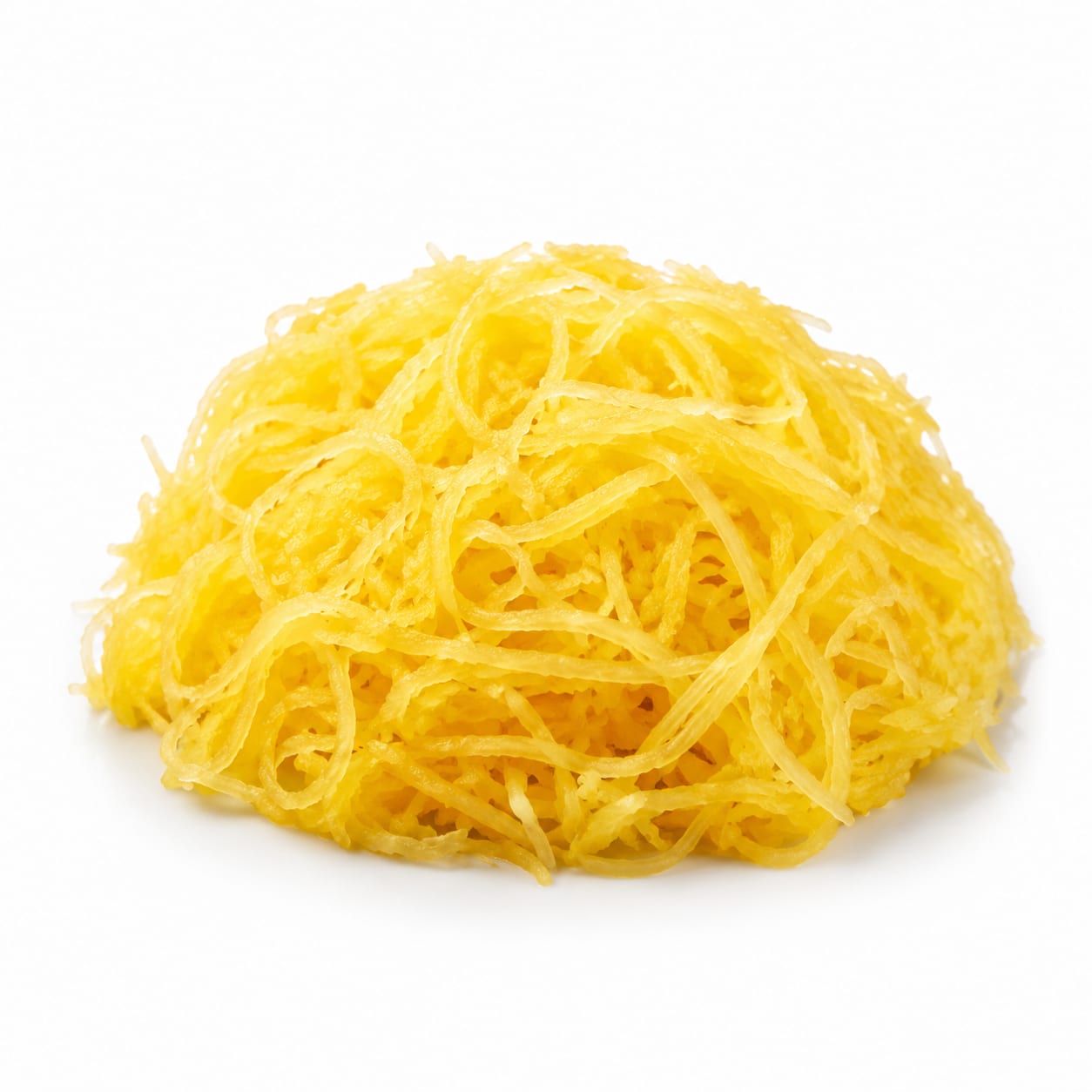
Spaghetti Squash
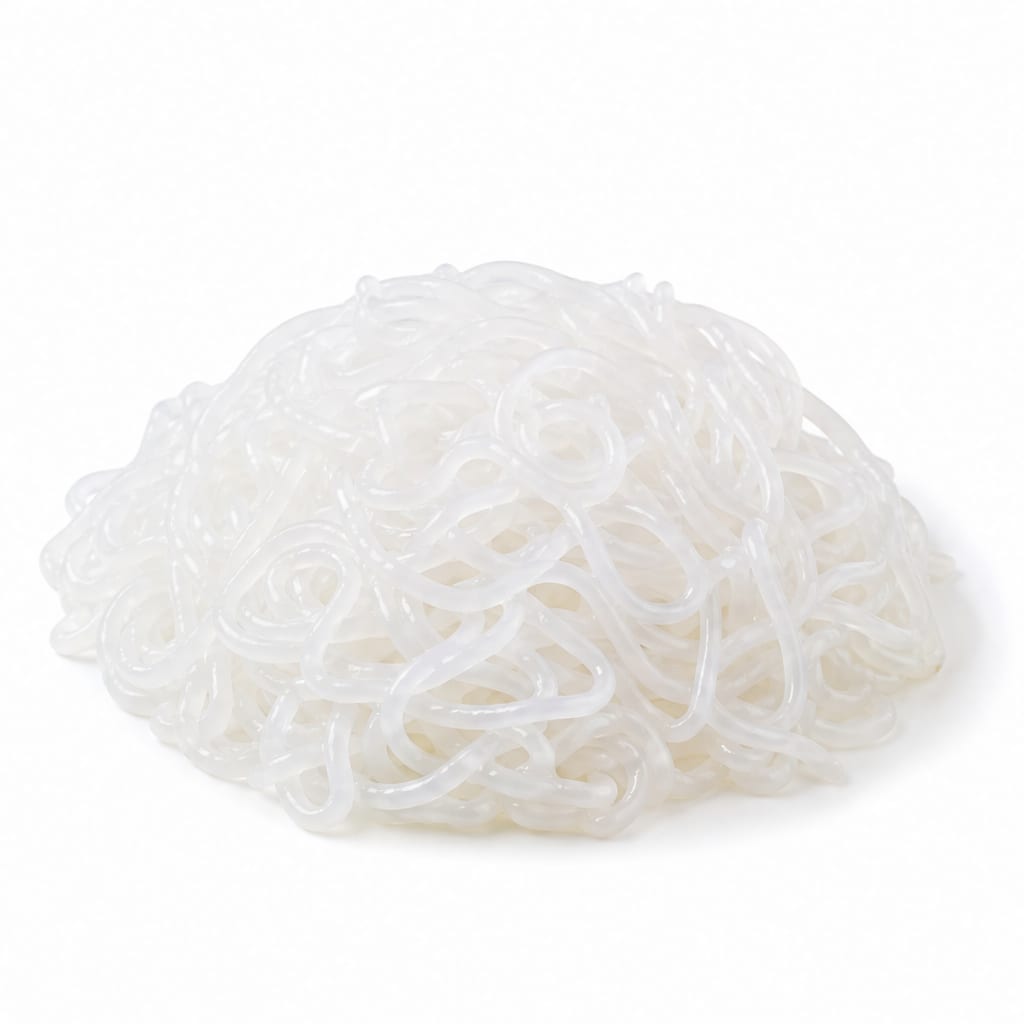
Shirataki Noodles
Spaghetti Squash delivers real food nutrition and a more satisfying bite, while Shirataki Noodles are a near-zero calorie fiber bomb for strict dieters.
Spaghetti Squash scores higher overall because it provides actual micronutrients and a more sustainable eating experience. Shirataki Noodles excel narrowly in extreme calorie restriction but fall behind in nutritional density and culinary enjoyment.
Whole-food vitamins and culinary satisfaction versus aggressive calorie cutting and pure soluble fiber.
At a glance
Executive summary
Overall
It depends
Healthier
Spaghetti Squash
More practical
Shirataki Noodles
Daily use
Spaghetti Squash
Key comparison lenses
Low-carb pasta alternative
Both are primarily used as substitutes for traditional wheat pasta by people managing carbohydrate intake.
Weight loss strategy
Both foods are famously low in calories, but they achieve satiety through entirely different mechanisms.
Nutritional value vs calorie deficit
Spaghetti Squash offers actual vitamins, while Shirataki Noodles offer almost zero calories but also zero nutrients.
Culinary experience and texture
Texture and sauce-holding capability drastically affect long-term adherence to either substitute.
Best choice for
Spaghetti Squash
- Those seeking whole-food vitamins like Vitamin A and C
- People who want a satisfying, slightly crunchy pasta texture
- Families looking for a natural vegetable side dish
- Anyone prone to digestive distress from highly soluble fibers
Shirataki Noodles
- Strict keto dieters needing near-zero net carbs
- Those wanting maximum stomach fullness for minimal calories
- People needing a 2-minute meal prep solution
- Anyone tracking strict macronutrient limits
Least suitable for
Spaghetti Squash
- People who find roasting a vegetable too time-consuming
- Those needing zero-net-carb options for medical ketosis
Shirataki Noodles
- Pickier eaters sensitive to rubbery textures or ocean-like aromas
- Anyone prone to bloating or gas from fiber supplements
- People looking for actual nutritional value from their food base
Deep comparison
Dimension by dimension
Each lens scores both foods and breaks down who each option suits.
- Dimension 1 · Priority 10Shirataki Noodles
Calorie and Carb Density
Spaghetti Squash · 75Shirataki Noodles · 99Shirataki Noodles are virtually calorie-free and carb-free, making them the ultimate hack for aggressive dieting.
Tradeoff
You get near-zero calories with Shirataki Noodles, but you also get near-zero energy and nutrients.
Why it matters
If you are in a strict calorie deficit, Shirataki Noodles let you eat a massive volume of food for almost no caloric cost.
Real-world impact
You can eat a giant bowl of Shirataki Noodles without impacting your daily calorie budget, whereas Spaghetti Squash still carries a modest caloric load.
Spaghetti Squash
- Providing a small amount of usable energy for active days
Better for
- Strict keto macros due to slightly higher carb count
Worse for
Shirataki Noodles
- Creating a massive calorie deficit
- Fitting into strict zero-carb macros
Better for
- Fueling workouts or active lifestyles
Worse for
- Dimension 2 · Priority 9Spaghetti Squash
Nutritional Value
Spaghetti Squash · 85Shirataki Noodles · 15Spaghetti Squash contains real vitamins and minerals, while Shirataki Noodles are essentially inert fiber and water.
Tradeoff
Shirataki Noodles displace calorie-dense foods but also displace nutrient-dense foods if overused.
Why it matters
Eating should provide both fullness and nourishment. Relying solely on zero-nutrient foods can lead to subtle deficiencies over time.
Real-world impact
A plate of Spaghetti Squash contributes to your daily Vitamin C and B6 needs, while Shirataki Noodles contribute nothing to your micronutrient goals.
Spaghetti Squash
- Boosting immune function with Vitamin C
- Supporting eye health with Vitamin A
Better for
- Cannot claim zero-calorie status
Worse for
Shirataki Noodles
- Taking up stomach space without adding any macronutrients
Better for
- Preventing nutrient deficiencies
- Supporting overall vitality
Worse for
- Dimension 3 · Priority 9Shirataki Noodles
Satiety and Fullness
Spaghetti Squash · 70Shirataki Noodles · 90Shirataki Noodles physically expand in your stomach, creating a heavier feeling of fullness than Spaghetti Squash.
Tradeoff
Shirataki Noodles fill your stomach mechanically, but Spaghetti Squash provides more lasting satisfaction because of its real food texture and mild sweetness.
Why it matters
If you are fighting intense hunger cravings, the gel-like expansion of Shirataki Noodles can be a powerful tool to stop overeating.
Real-world impact
Eating Shirataki Noodles can make you feel physically stuffed very quickly, which helps late-night snacking urges, but might leave you feeling unsatisfied an hour later.
Spaghetti Squash
- Providing a satisfying chewing experience
- Avoiding the heavy, bloated feeling some get from fiber gels
Better for
- Stopping intense binge cravings quickly
Worse for
Shirataki Noodles
- Mechanically stretching the stomach to signal fullness
- Killing acute hunger pangs with zero calories
Better for
- Providing emotional satisfaction from eating
Worse for
- Dimension 4 · Priority 8Spaghetti Squash
Culinary Experience and Texture
Spaghetti Squash · 85Shirataki Noodles · 40Spaghetti Squash has a pleasant, slightly crunchy texture that holds up well to sauce, whereas Shirataki Noodles can be rubbery and slippery.
Tradeoff
Shirataki Noodles look more like traditional pasta but fail to mimic its bite, while Spaghetti Squash embraces its vegetable identity.
Why it matters
If a substitute feels too weird to eat, you will eventually abandon it and go back to real pasta.
Real-world impact
Spaghetti Squash feels like a hearty vegetable bowl that satisfies comfort food cravings. Shirataki Noodles often require heavy rinsing and dry-roasting to avoid a slimy texture and faint oceanic smell.
Spaghetti Squash
- Holding up to heavy meat sauces without getting soggy
- Providing a comforting, warm vegetable bite
Better for
- Mimicking the exact mouthfeel of wheat noodles
Worse for
Shirataki Noodles
- Looking visually identical to thin angel hair pasta
Better for
- Absorbing flavors naturally
- Avoiding a chewy or gelatinous bite
Worse for
- Dimension 5 · Priority 7Shirataki Noodles
Convenience and Preparation
Spaghetti Squash · 40Shirataki Noodles · 90Shirataki Noodles are ready in two minutes after a quick rinse, while Spaghetti Squash requires nearly an hour of roasting.
Tradeoff
Spaghetti Squash demands significant prep time but rewards you with real food aroma and texture; Shirataki Noodles are instant but require specific prep tricks to be palatable.
Why it matters
On a busy weeknight, the 45-minute cook time for Spaghetti Squash often leads to ordering takeout instead.
Real-world impact
You can keep Shirataki Noodles in your pantry for months and eat them 5 minutes after walking in the door. Spaghetti Squash requires meal planning and active cooking time.
Spaghetti Squash
- Making the house smell amazing while roasting
- Batch-cooking for the week ahead
Better for
- Spontaneous weeknight dinners
- Conserving oven energy
Worse for
Shirataki Noodles
- Last-minute emergency meals
- Quick lunches with minimal cleanup
Better for
- Enjoying a leisurely, aromatic cooking process
Worse for
Timeline
Health impact over time
Short-term
Hours to days
Spaghetti Squash
- Provides steady, light energy without a sugar crash
- Easy on the stomach and unlikely to cause bloating
Shirataki Noodles
- Can cause significant gas, bloating, or cramping if you eat too much too fast
- Immediate feeling of heavy fullness in the stomach
Long-term
Months to years
Spaghetti Squash
- Supports skin and immune health through consistent vitamin intake
- Helps maintain a healthy relationship with vegetable-based comfort foods
Shirataki Noodles
- May help lower cholesterol due to high glucomannan fiber
- Risk of nutrient shortfalls if used excessively to replace all carbohydrates
Risk profile
Safety & processing
Spaghetti Squash is a whole vegetable straight from the farm. Shirataki Noodles are made from konjac root flour mixed with water and a calcium additive to hold their shape, making them a processed but generally clean food product.
Spaghetti Squash
Agricultural pesticide residue
lowAs a thick-skinned winter squash, conventional Spaghetti Squash has low pesticide penetration, but washing the rind before cutting is still wise.
Shirataki Noodles
Choking hazard
mediumKonjac fiber expands rapidly. If Shirataki Noodles are not chewed properly or eaten dry, they can pose a choking risk, especially for children or the elderly.
Digestive blockage
mediumEating large quantities of Shirataki Noodles without drinking enough water can lead to severe constipation or bowel obstruction.
Who wins for whom
Audience fit
Same foods, different winners depending on your goal.
children
Spaghetti SquashSpaghetti Squash is a safe, natural vegetable providing essential vitamins, while Shirataki Noodles pose a choking risk and offer no nutritional value for growing bodies.
daily consumption
Spaghetti SquashSpaghetti Squash provides daily vitamins and fits into a balanced, sustainable whole-food diet without causing fiber overload.
diabetes
Shirataki NoodlesShirataki Noodles have virtually zero net carbs and zero glycemic impact, making them the safest option for strict blood sugar control.
elderly
Spaghetti SquashSpaghetti Squash is easier to chew safely and provides nutrients important for aging, whereas Shirataki Noodles can be too rubbery and pose dehydration or blockage risks.
muscle gain
Spaghetti SquashSpaghetti Squash provides slightly more usable carbohydrates to fuel workouts, whereas Shirataki Noodles offer no energy for training.
weight loss
Shirataki NoodlesShirataki Noodles provide the most aggressive calorie deficit tool, allowing for massive portion sizes that physically fill the stomach for nearly zero calories.
Your move
Decision guide
Choose Spaghetti Squash
- You want a nourishing, whole-food meal that actually tastes good
- You are sensitive to high-fiber supplements or prone to bloating
- You have the time to roast a vegetable and want a comforting dinner experience
- You are feeding a family and need a safe, nutritious side dish
Choose Shirataki Noodles
- You are in a strict cutting phase and need to minimize calories
- You are on a medical ketogenic diet and cannot exceed 20g of carbs
- You need a 5-minute meal prep solution after a long workday
- You struggle with severe portion control and need physical stomach stretching
Either works if
- You are looking for a gluten-free alternative to wheat pasta
- You want to lower the calorie density of your favorite pasta dishes
Avoid both if
- You need a dense source of protein or complex carbohydrates for athletic performance
- You are looking for the authentic taste and chew of traditional Italian pasta
Final recommendation
Choose Spaghetti Squash as your everyday pasta substitute for a balanced, nutritious, and satisfying meal. Keep Shirataki Noodles in your pantry as a tactical tool for strict diet phases or emergency low-calorie meals, but do not rely on them as your primary source of vegetable nutrition.
Practical
Consumer tips
- 1
Roast Spaghetti Squash cut-side down on a rimmed baking sheet with a little water to steam the strands perfectly without burning.
- 2
To fix the rubbery texture and faint smell of Shirataki Noodles, rinse them thoroughly, then dry-roast them in a non-stick pan for 2 minutes before adding sauce.
- 3
Mix Spaghetti Squash with a small amount of real pasta if you are transitioning picky eaters to lower-carb options.
- 4
Always drink a large glass of water when eating Shirataki Noodles to help the glucomannan fiber move safely through your digestive tract.