
Nutrition comparison
Spaghetti Squash vs Butternut Squash: Nutrition, Carbs, and Best Uses
Compare Spaghetti Squash vs Butternut Squash to find out which is better for weight loss, blood sugar, and cooking. Discover the nutritional tradeoffs.
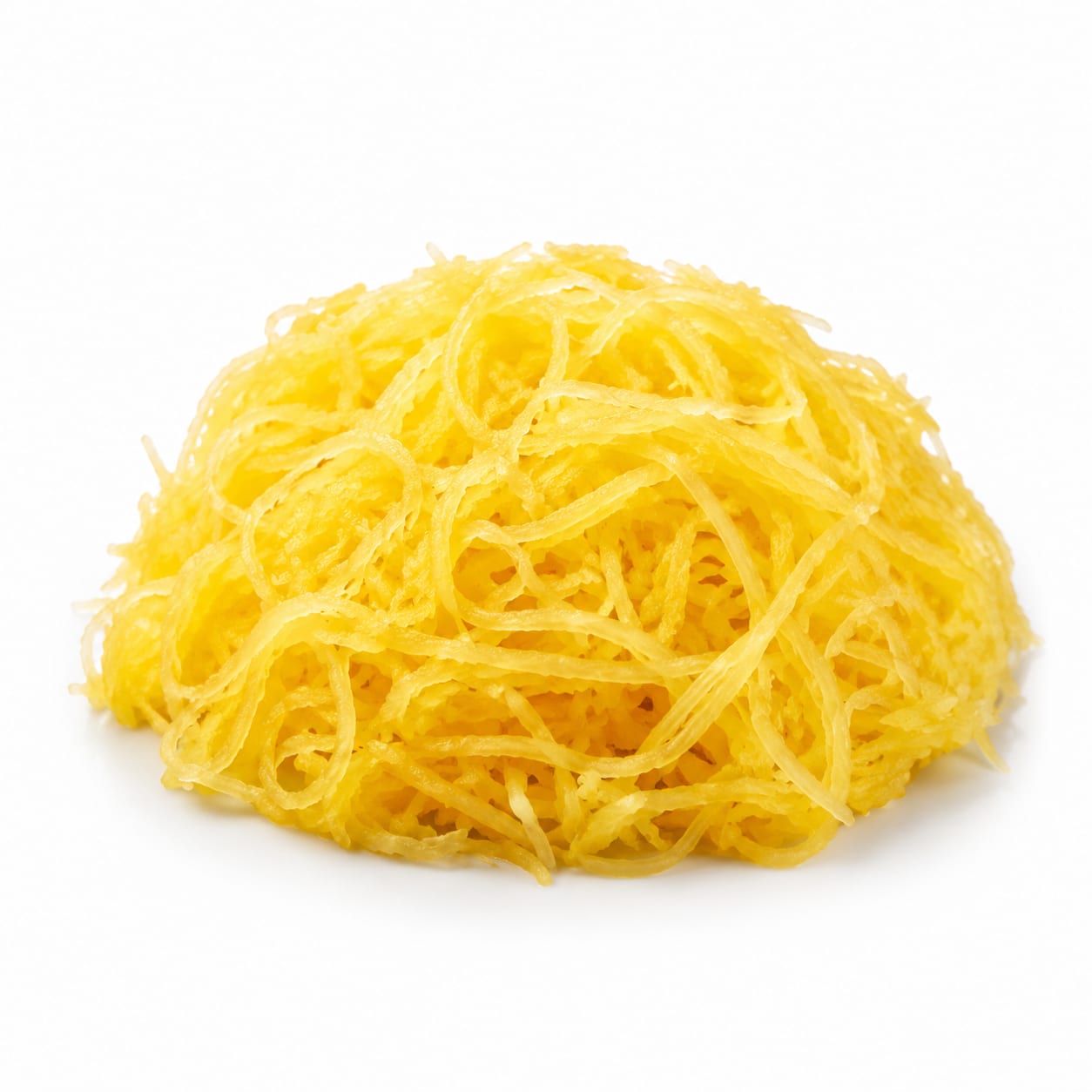
Spaghetti Squash
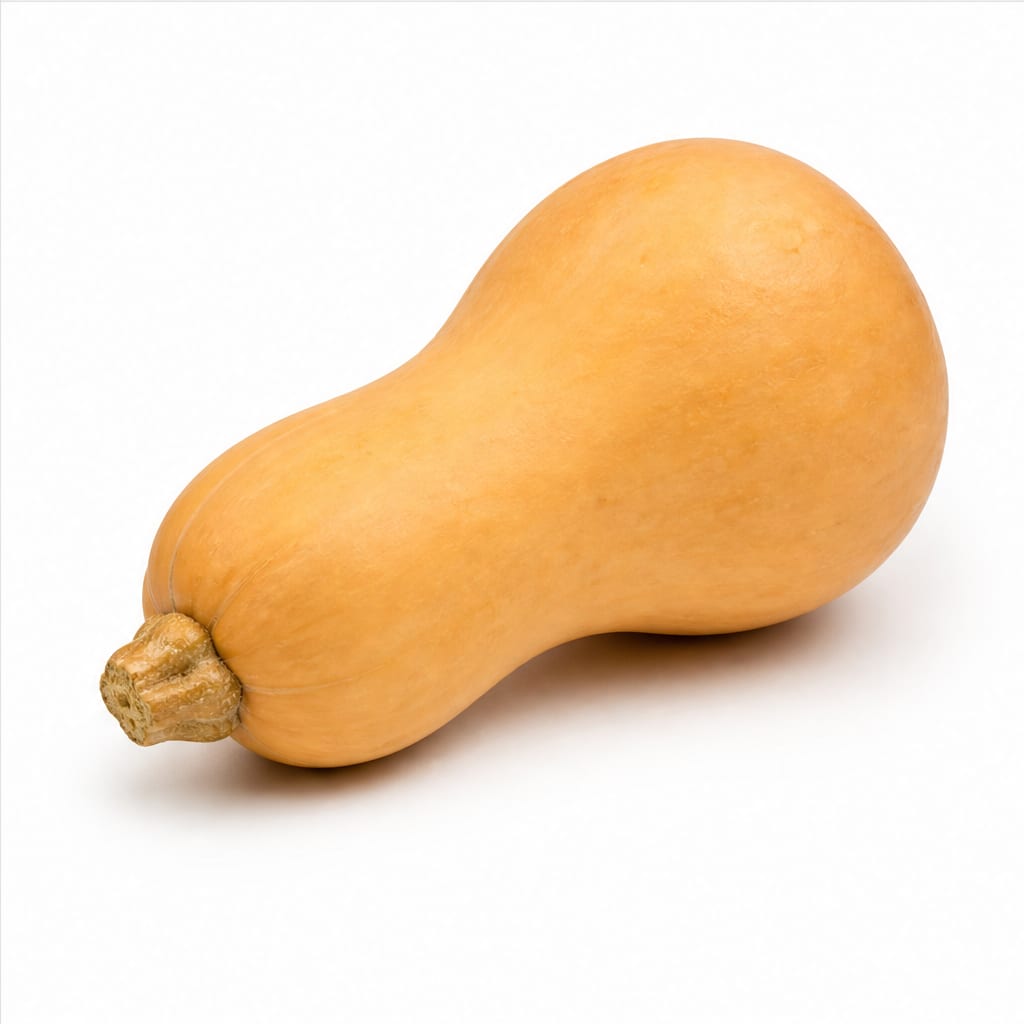
Butternut Squash
Spaghetti Squash is your low-calorie pasta hack, while Butternut Squash is a nutrient powerhouse with comforting sweetness.
Butternut Squash slightly edges out Spaghetti Squash overall due to its exceptional vitamin and mineral content, though Spaghetti Squash is the clear winner for low-carb and low-calorie needs.
Massive calorie and carb savings versus significantly more vitamins and richer flavor.
At a glance
Executive summary
Overall
It depends
Healthier
It depends
More practical
Butternut Squash
Daily use
It depends
Key comparison lenses
Low-carb pasta alternative vs nutrient-dense carbohydrate
The primary reason people choose between these two is whether they want a low-calorie pasta substitute or a rich, sweet, nutrient-packed carb.
Weight loss and calorie density tradeoffs
Spaghetti Squash is a volume-eater's dream, while Butternut Squash provides more energy and satiety per cup.
Blood sugar management
The massive difference in carbohydrate content makes this a critical factor for diabetics and low-carb dieters.
Vitamin A and antioxidant needs
Butternut Squash is a powerhouse of beta-carotene, while Spaghetti Squash is relatively mild in micronutrients.
Best choice for
Spaghetti Squash
- Low-carb and keto dieters
- People craving pasta without the calories
- Those tracking blood sugar closely
Butternut Squash
- Anyone needing a Vitamin A boost
- Athletes needing healthy complex carbs
- Families wanting naturally sweet, kid-friendly veggies
Least suitable for
Spaghetti Squash
- Those needing calorie-dense fuel for weight gain
- People looking for rich, sweet flavor profiles
Butternut Squash
- Strict keto dieters
- Those strictly limiting carbohydrate intake
Deep comparison
Dimension by dimension
Each lens scores both foods and breaks down who each option suits.
- Dimension 1 · Priority 95Spaghetti Squash
Calorie & Carb Density
Spaghetti Squash · 95Butternut Squash · 60Spaghetti Squash delivers a massive plate of food for almost no calories, while Butternut Squash is denser and sweeter.
Tradeoff
You get far more volume per calorie with Spaghetti Squash, but Butternut provides lasting energy from complex carbs.
Why it matters
If you are cutting calories or carbs, Spaghetti Squash is a game-changer. If you need fuel, Butternut is better.
Real-world impact
A huge bowl of Spaghetti Squash with marinara feels like a cheat meal for under 100 calories. Butternut Squash is a satisfying side that actually keeps you full for hours.
Spaghetti Squash
- Volume eaters
- Keto dieters
- Calorie counters
Better for
- Those needing a calorie surplus
- Heavy lifters seeking carb fuel
Worse for
Butternut Squash
- Endurance athletes
- Growing kids
- People needing steady energy
Better for
- Strict low-carb dieters
- People trying to minimize sugar intake
Worse for
- Dimension 2 · Priority 90Butternut Squash
Micronutrient Density
Spaghetti Squash · 55Butternut Squash · 95Butternut Squash is a vitamin A powerhouse, delivering far more antioxidants and nutrients per bite than Spaghetti Squash.
Tradeoff
You sacrifice the deep orange color and massive Vitamin A hit of Butternut when you choose the milder Spaghetti Squash.
Why it matters
Vitamin A is critical for immune function and eye health. Butternut Squash covers your daily needs in a single serving.
Real-world impact
Eating Butternut Squash regularly can visibly support your immune system during winter months, whereas Spaghetti Squash is mostly fiber and water.
Spaghetti Squash
- Those who get their vitamins from other sources and just want a low-cal base
Better for
- Those relying on this meal for their vegetable nutrient intake
Worse for
Butternut Squash
- Anyone needing an immune boost
- People wanting to improve skin and eye health
Better for
- People taking Vitamin A supplements who do not need excess
Worse for
- Dimension 3 · Priority 85Spaghetti Squash
Blood Sugar & Diabetes Friendliness
Spaghetti Squash · 90Butternut Squash · 65Spaghetti Squash has a minimal impact on blood sugar, making it a safe bet for diabetics, while Butternut Squash has a higher glycemic load.
Tradeoff
Spaghetti Squash is nearly carb-free, but Butternut Squash's carbs are complex and come with fiber, just in larger amounts.
Why it matters
Managing blood sugar spikes is crucial for diabetes and sustained energy.
Real-world impact
Spaghetti Squash will not cause an afternoon energy crash, whereas a large portion of Butternut Squash might require some protein to stabilize blood sugar.
Spaghetti Squash
- Type 2 diabetics
- Insulin-resistant individuals
- Low-glycemic dieters
Better for
- Hypoglycemic individuals needing actual carbs to stabilize
Worse for
Butternut Squash
- Active individuals who can handle the carbs without a spike
Better for
- Those monitoring every gram of carbohydrate
Worse for
- Dimension 4 · Priority 75It depends
Culinary Versatility & Satiety
Spaghetti Squash · 80Butternut Squash · 85Spaghetti Squash is the ultimate pasta imposter, but Butternut Squash shines in soups, roasts, and purees.
Tradeoff
Spaghetti Squash is limited to noodle dishes, while Butternut Squash can be sweet or savory, but heavier.
Why it matters
Enjoying what you eat is key to sticking with healthy habits.
Real-world impact
Spaghetti Squash is perfect for a cozy spaghetti night without the guilt. Butternut Squash makes a comforting, creamy soup that feels like a warm hug.
Spaghetti Squash
- Pasta lovers
- Italian food fans
- Marinara sauce enthusiasts
Better for
- Those wanting a creamy or mashable texture
- Baking desserts
Worse for
Butternut Squash
- Soup lovers
- Fans of sweet and savory combos
- Holiday meal preppers
Better for
- Those wanting a light, refreshing summer meal
Worse for
Timeline
Health impact over time
Short-term
Hours to days
Spaghetti Squash
- Very light feeling after eating
- Minimal blood sugar fluctuation
- May not feel full without added protein or sauce
Butternut Squash
- Sustained energy from complex carbs
- Satisfying fullness from denser calories
- Slight blood sugar rise depending on portion size
Long-term
Months to years
Spaghetti Squash
- Easier weight maintenance due to low calorie density
- Requires a diverse diet to make up for lower vitamin content
Butternut Squash
- Strong immune and eye health support from high Vitamin A
- Potential weight gain if portions are not managed due to higher carbs
Risk profile
Safety & processing
Both Spaghetti Squash and Butternut Squash are whole, natural vegetables with no additives when purchased fresh.
Spaghetti Squash
Hard rind cutting injuries
mediumRaw Spaghetti Squash is notoriously difficult to cut and can cause knife slips if not properly stabilized.
Pesticide residue
lowSquash skins can retain pesticides; washing thoroughly or buying organic helps, though the skin is usually discarded.
Butternut Squash
Hard rind cutting injuries
highButternut Squash is extremely dense and hard to peel raw, making it a common cause of kitchen hand injuries.
Pesticide residue
lowSimilar to Spaghetti Squash, the skin can hold residues, though it is usually peeled before eating.
Who wins for whom
Audience fit
Same foods, different winners depending on your goal.
children
Butternut SquashButternut Squash has a naturally sweet, mild flavor that kids usually prefer over the watery, stringy texture of Spaghetti Squash.
daily consumption
It dependsSpaghetti Squash is great daily for low-carb needs, but Butternut Squash provides better daily nutritional coverage.
diabetes
Spaghetti SquashSpaghetti Squash has a fraction of the carbs, keeping blood sugar stable and requiring less insulin response.
elderly
Butternut SquashButternut Squash is softer when cooked and packed with Vitamin A to support aging immune systems and eyesight.
muscle gain
Butternut SquashButternut Squash offers more carbohydrates to replenish glycogen stores after heavy workouts.
weight loss
Spaghetti SquashSpaghetti Squash provides massive portion sizes for very few calories, making it easier to maintain a calorie deficit.
Your move
Decision guide
Choose Spaghetti Squash
- You are on a low-carb or keto diet
- You want a giant bowl of pasta for under 100 calories
- You are managing diabetes and need to keep carbs minimal
Choose Butternut Squash
- You want a nutrient-dense carb source for energy
- You are making soup, risotto, or a roasted side dish
- You need a Vitamin A boost for immune support
Either works if
- You want a whole-food, plant-based side dish
- You are looking for autumnal flavors and comfort food
Avoid both if
- You have a severe squash allergy
- You are looking for a high-protein food source
Final recommendation
Let your goals decide: grab Spaghetti Squash when you want a low-calorie pasta night, and reach for Butternut Squash when you need comforting, nutrient-rich fuel.
Practical
Consumer tips
- 1
Microwave Spaghetti Squash for 5 minutes before cutting to soften the rind and avoid knife accidents.
- 2
Buy pre-cubed Butternut Squash to save time and protect your fingers from peeling injuries.
- 3
Toss Spaghetti Squash strands with a little olive oil and salt to prevent them from getting watery.
- 4
Roast Butternut Squash with cinnamon and a drizzle of maple syrup for a healthy dessert alternative.