
Nutrition comparison
Spaghetti Squash vs Zucchini Noodles: Which Pasta Substitute Is Better?
Compare Spaghetti Squash and Zucchini Noodles on nutrition, texture, convenience, and weight loss. Find out which low-carb pasta alternative fits your lifestyle better.
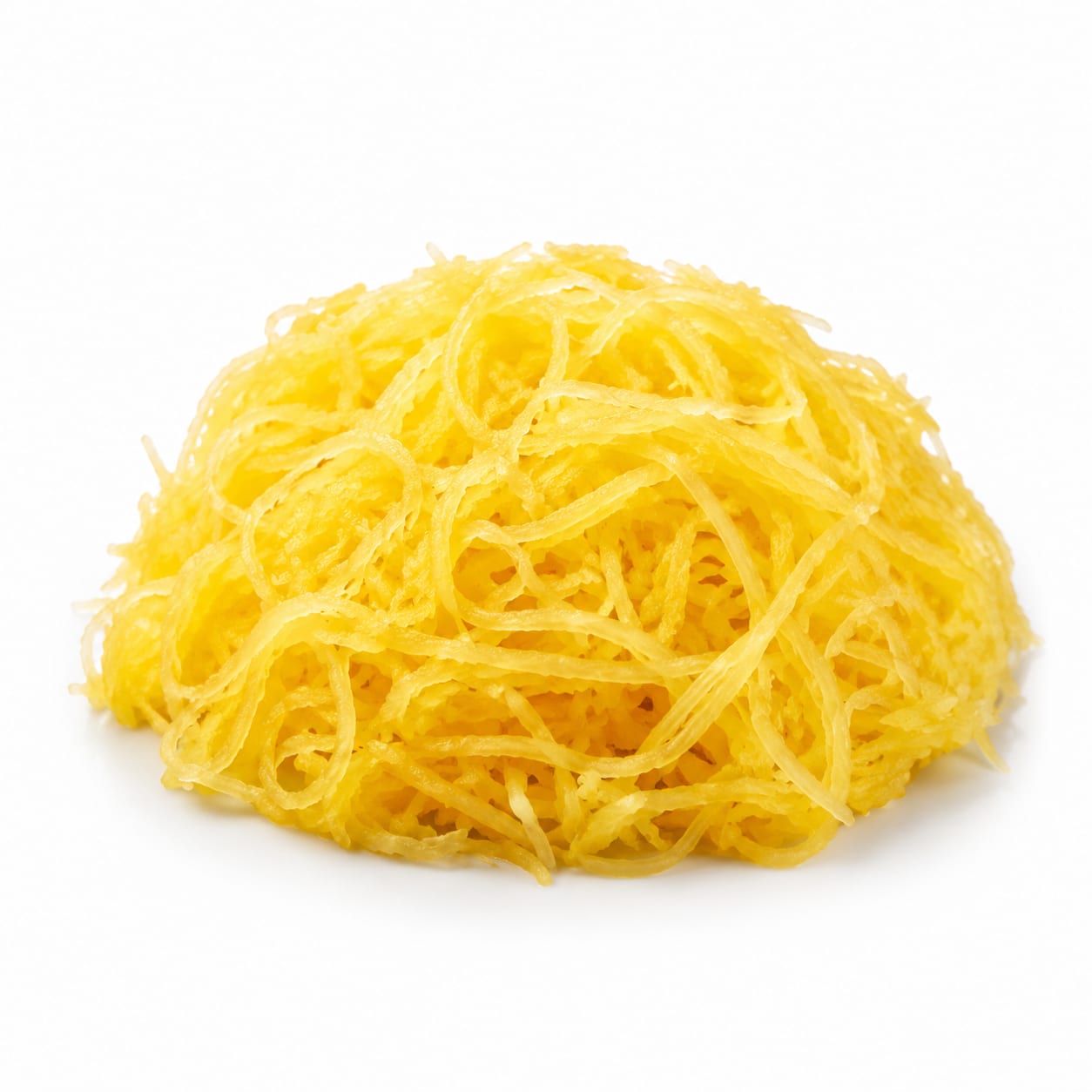
Spaghetti Squash
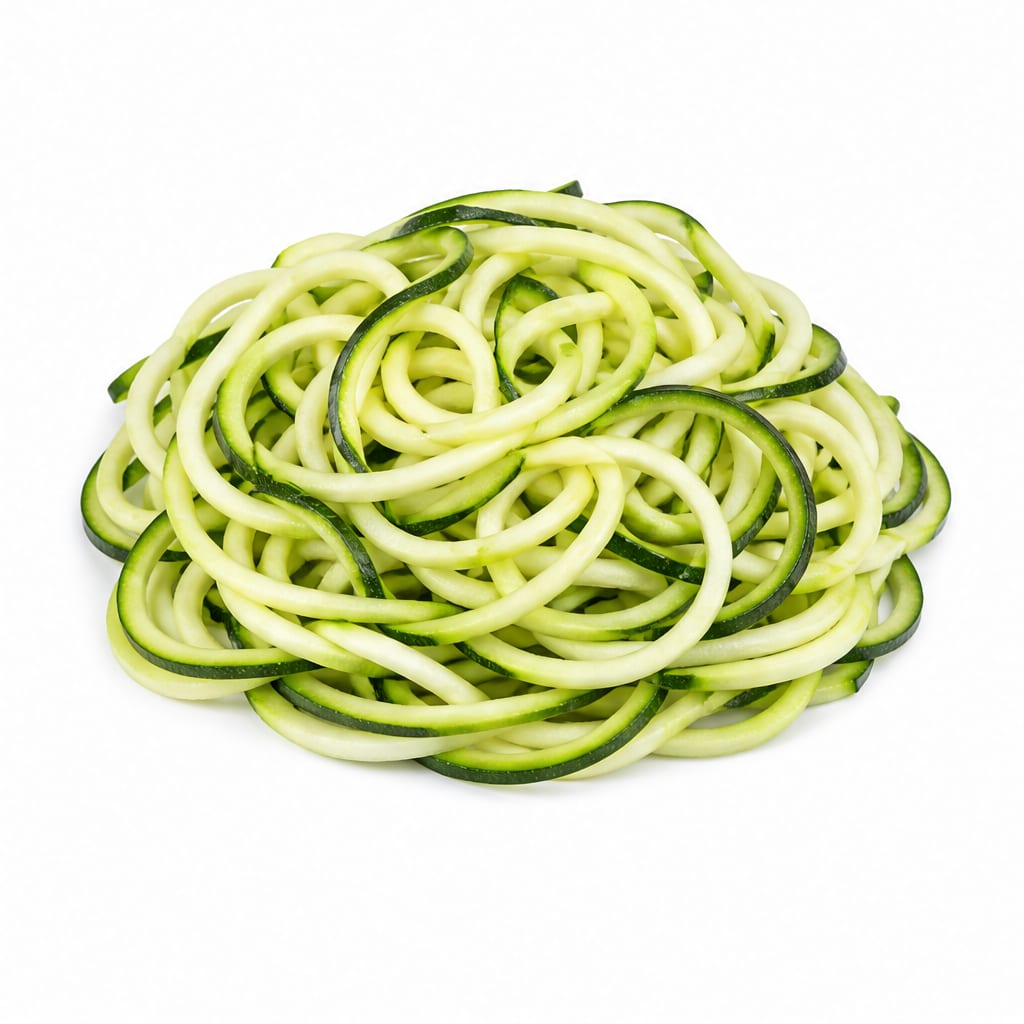
Zucchini Noodles
Spaghetti Squash delivers more satisfying texture and steadier energy, while Zucchini Noodles win on speed, calorie density, and raw versatility.
Spaghetti Squash edges ahead on satiety and nutrient density, but Zucchini Noodles stay competitive through convenience and lower calorie density. The close scores reflect that neither is universally better — they serve different needs.
Substance and warmth versus speed and lightness — Spaghetti Squash feels more like a real meal, Zucchini Noodles feel more like a quick side.
At a glance
Executive summary
Overall
It depends
Healthier
It depends
More practical
Zucchini Noodles
Daily use
Zucchini Noodles
Key comparison lenses
low carb pasta alternative
Both foods are primarily used as pasta replacements in low-carb and gluten-free diets, making this the core reason users compare them
weight loss plate filler
Users choosing between these are often looking to maximize volume while minimizing calories
meal prep convenience
Preparation time and effort differ significantly, impacting weekly meal planning decisions
blood sugar management
Both appeal to people managing diabetes or insulin resistance, though carb counts differ meaningfully
texture and satisfaction
How close each feels to real pasta determines long-term adherence to the substitution
Best choice for
Spaghetti Squash
- People wanting a hearty, filling pasta substitute that actually satisfies
- Those who prefer batch-cooking meals for the week
- Anyone needing steadier blood sugar after meals
- Comfort food seekers transitioning away from refined carbs
Zucchini Noodles
- Busy weeknight cooks needing dinner in under 10 minutes
- Those tracking calories closely and wanting maximum volume per calorie
- Raw food enthusiasts or anyone wanting no-cook meal options
- People who find heavy meals uncomfortable in warm weather
Least suitable for
Spaghetti Squash
- Anyone needing a 5-minute meal solution
- People who dislike the slightly sweet squash flavor with savory sauces
- Those wanting a raw or cold dish option
Zucchini Noodles
- People prone to bloating from high-water vegetables
- Anyone seeking a substantial, filling main course
- Those frustrated by watery sauces when using noodle substitutes
Deep comparison
Dimension by dimension
Each lens scores both foods and breaks down who each option suits.
- Dimension 1 · Priority 92Spaghetti Squash
Satiety & Fullness
Spaghetti Squash · 78Zucchini Noodles · 55Spaghetti Squash keeps you full longer due to more complex carbs and a denser, chewier texture that slows eating pace.
Tradeoff
You spend more time cooking Spaghetti Squash to get that fuller feeling, while Zucchini Noodles leave you hungry sooner despite faster prep.
Why it matters
If your pasta substitute leaves you raiding the fridge an hour later, the calorie savings become meaningless.
Real-world impact
A Spaghetti Squash dinner typically carries you 3-4 hours before hunger returns. Zucchini Noodles often need protein or fat additions to last 2 hours.
Spaghetti Squash
- Late dinners where you need to stay full until morning
- Post-workout meals when hunger is intense
- Anyone who has tried zoodles and felt unsatisfied
Better for
- Small appetites who find it too filling
Worse for
Zucchini Noodles
- Light lunches where you want to avoid afternoon food coma
- Hot days when heavy meals feel oppressive
Better for
- Emotional eaters who need meals to feel substantial
- Anyone prone to late-night snacking after insufficient dinner
Worse for
- Dimension 2 · Priority 85Spaghetti Squash
Blood Sugar Stability
Spaghetti Squash · 74Zucchini Noodles · 68Both are low-carb enough to avoid spikes, but Spaghetti Squash has slightly more complex carbohydrates that digest more gradually.
Tradeoff
Zucchini Noodles have fewer total carbs, which sounds better, but the simpler carb structure digests faster — the difference is small but real.
Why it matters
For people with diabetes or insulin resistance, even small differences in glycemic response compound over thousands of meals.
Real-world impact
Neither will cause a crash like regular pasta. Spaghetti Squash just provides a slightly longer, gentler energy curve.
Spaghetti Squash
- Diabetics wanting the most stable blood sugar response
- Those who experience energy dips 90 minutes after eating
Better for
- Strict keto followers who need carbs under 20g daily
Worse for
Zucchini Noodles
- Very low-carb dieters counting every gram of carbohydrate
Better for
- Anyone sensitive to rapid digestion even with low carb counts
Worse for
- Dimension 3 · Priority 90Zucchini Noodles
Convenience & Preparation Speed
Spaghetti Squash · 35Zucchini Noodles · 90Zucchini Noodles take 2-5 minutes with a spiralizer. Spaghetti Squash requires 30-45 minutes of roasting or 15 minutes in a pressure cooker.
Tradeoff
Spaghetti Squash rewards patience with better texture and flavor. Zucchini Noodles reward urgency with immediate results.
Why it matters
The best healthy food is the one you actually make. If prep time kills your motivation, nutrition becomes theoretical.
Real-world impact
On a Tuesday at 7pm, Zucchini Noodles are realistic. Spaghetti Squash requires planning ahead or weekend batch cooking.
Spaghetti Squash
- Meal preppers who cook once and eat for days
- Weekend cooks who enjoy the process as much as the result
Better for
- Households where dinner needs to happen in under 30 minutes
- People who dislike planning meals ahead
Worse for
Zucchini Noodles
- Weeknight warriors with 20 minutes to get dinner done
- Anyone who has abandoned pasta substitutes because they were too much work
Better for
- Cooking enthusiasts who enjoy the ritual of preparing food
Worse for
- Dimension 4 · Priority 80Spaghetti Squash
Texture & Pasta Similarity
Spaghetti Squash · 75Zucchini Noodles · 50Spaghetti Squash strands have an al dente bite that mimics pasta more convincingly. Zucchini Noodles tend toward watery and soft.
Tradeoff
Spaghetti Squash still tastes like squash — slightly sweet and distinct. Zucchini is more neutral but turns mushy when overcooked even slightly.
Why it matters
If the substitute doesn't scratch the pasta itch, you'll eventually go back to real pasta. Texture is the make-or-break factor.
Real-world impact
Spaghetti Squash with marinara actually feels like a pasta dish. Zucchini Noodles with marinara feels like a salad with warm sauce.
Spaghetti Squash
- Former pasta lovers who need the closest texture match
- Kids who reject foods that feel too different from what they know
Better for
- Anyone expecting an exact pasta replica — it's close, not identical
Worse for
Zucchini Noodles
- Those who prefer Asian-style noodle dishes where a softer texture works
- People who don't miss pasta and just want a vegetable base
Better for
- Pasta traditionalists who find the watery texture off-putting
- Anyone who has been disappointed by zoodles turning to mush
Worse for
- Dimension 5 · Priority 72Spaghetti Squash
Nutrient Density
Spaghetti Squash · 73Zucchini Noodles · 65Spaghetti Squash offers more manganese, vitamin B6, and niacin per serving. Zucchini Noodles provide more vitamin C and slightly more potassium.
Tradeoff
Neither is a nutritional powerhouse — you're choosing these as low-calorie bases, not nutrient sources. But Spaghetti Squash gives slightly more per calorie.
Why it matters
When you're cutting calories by swapping pasta for vegetables, every micronutrient matters more because your total food intake is lower.
Real-world impact
The differences are modest. Both need protein and healthy fats alongside them to create a nutritionally complete meal.
Spaghetti Squash
- Those relying on vegetable bases as significant nutrient contributors
- People eating fewer total calories who need more nutrition per bite
Better for
- People expecting significant nutrition from either option — both need supplementation with other foods
Worse for
Zucchini Noodles
- Anyone already eating a nutrient-dense diet where base vegetables matter less
Better for
- Very restrictive diets where every micronutrient advantage counts
Worse for
- Dimension 6 · Priority 78Zucchini Noodles
Calorie Density & Volume
Spaghetti Squash · 65Zucchini Noodles · 82Zucchini Noodles deliver roughly 20 calories per cup versus Spaghetti Squash's 31 calories per cup — a meaningful difference for strict calorie counters.
Tradeoff
Lower calorie density means you can eat more volume, but also means less energy and satisfaction per serving.
Why it matters
For aggressive weight loss phases, 10-15 saved calories per cup across multiple servings per week adds up over months.
Real-world impact
A heaping plate of Zucchini Noodles might save you 40-60 calories versus the same plate of Spaghetti Squash. Noticeable over time, negligible per meal.
Spaghetti Squash
- Those who find very low-calorie meals trigger overeating later
Better for
- Anyone on a strict 1200-calorie plan where every calorie matters
Worse for
Zucchini Noodles
- Competitive dieters tracking every calorie precisely
- Volume eaters who want the largest possible plate for the fewest calories
Better for
- People who feel anxious or unsatisfied when meals seem too light
Worse for
- Dimension 7 · Priority 70It depends
Sauce Compatibility
Spaghetti Squash · 70Zucchini Noodles · 65Spaghetti Squash holds sauce well without diluting it. Zucchini Noodles release water that thins sauces, especially warm ones.
Tradeoff
Spaghetti Squash pairs beautifully with thick, hearty sauces. Zucchini Noodles work better with light dressings or in cold preparations where water release is minimal.
Why it matters
A watery marinara ruins the comfort food experience that motivated the pasta swap in the first place.
Real-world impact
Spaghetti Squash with bolognese works. Zucchini Noodles with bolognese becomes bolognese soup. Zucchini Noodles with pesto cold? That works great.
Spaghetti Squash
- Hearty meat sauces and thick tomato sauces
- Casserole-style baked dishes
Better for
- Delicate cream sauces where the squash flavor competes
Worse for
Zucchini Noodles
- Cold noodle salads with vinaigrette
- Light pesto or oil-based sauces
- Asian-inspired dishes with thin broths
Better for
- Any sauce you want to stay thick and concentrated
- Baked dishes where water release makes everything soggy
Worse for
Timeline
Health impact over time
Short-term
Hours to days
Spaghetti Squash
- Steadier energy for 3-4 hours after eating due to more complex carb structure
- Mild digestive comfort — the fiber is gentle and well-tolerated by most people
- Satisfying warmth that feels like a complete meal rather than a side dish
Zucchini Noodles
- Very light feeling post-meal, which some find energizing and others find unsatisfying
- Possible bloating or gas in sensitive individuals due to high water content and certain fermentable carbs
- Quick digestion — hunger may return within 1-2 hours without adequate protein and fat
Long-term
Months to years
Spaghetti Squash
- Consistent use supports steady blood sugar patterns and may reduce cravings for refined carbs over time
- The manganese and B6 content contributes to bone health and energy metabolism with regular consumption
- Sustainable as a weekly staple because the satisfying texture prevents pasta relapse
Zucchini Noodles
- Excellent for maintaining low calorie intake long-term, especially in warm months
- High water content supports hydration, though the nutritional contribution is modest
- Risk of meal dissatisfaction leading to snacking if not paired with adequate protein and fat consistently
Risk profile
Safety & processing
Both are whole vegetables with minimal processing. The only concern is pre-packaged versions — store-bought pre-spiralized zucchini or pre-cooked spaghetti squash may contain preservatives or added sodium. Fresh, whole vegetables prepared at home are equally clean choices.
Spaghetti Squash
Pesticide residue on conventional squash
lowWinter squash generally has lower pesticide residue than many vegetables, but conventional farming still uses fungicides. Washing the exterior before cutting is sufficient.
Improper storage leading to mold
lowSpaghetti Squash keeps for weeks at room temperature, but once cut, it spoils within days. Cooked leftovers should be consumed within 3-4 days.
Zucchini Noodles
Pesticide residue on conventional zucchini
mediumZucchini frequently appears on produce lists with notable pesticide residues. Peeling helps but removes nutrients. Organic is worth the premium here.
Bitter compounds from cucurbitacins
lowRarely, zucchini can develop bitter-tasting compounds that indicate toxicity. If your zucchini tastes unusually bitter, discard it immediately. This is uncommon but important to know.
Who wins for whom
Audience fit
Same foods, different winners depending on your goal.
children
Spaghetti SquashThe fun stringy texture and slightly sweet flavor make Spaghetti Squash more appealing to kids. Zucchini Noodles often get rejected for being too slimy or watery.
daily consumption
Zucchini NoodlesFaster prep and lighter feel make Zucchini Noodles more sustainable as a daily staple. Spaghetti Squash works better as a few-times-per-week option to avoid prep fatigue.
diabetes
Spaghetti SquashThe more complex carb structure and higher fiber content create a slightly gentler blood sugar curve, though both are excellent choices compared to pasta.
elderly
Zucchini NoodlesSofter texture is easier to chew and digest for aging digestive systems. The lower effort to prepare also matters when cooking feels tiring.
muscle gain
It dependsNeither provides meaningful protein. Both need the same additions — chicken, beef, or tofu — to support muscle. Spaghetti Squash offers slightly more carbs for post-workout glycogen replenishment.
weight loss
Zucchini NoodlesLower calories per cup and faster prep make Zucchini Noodles easier to use consistently in a calorie deficit, though Spaghetti Squash may prevent compensatory snacking.
Your move
Decision guide
Choose Spaghetti Squash
- You miss the chew and substance of real pasta and need a substitute that actually satisfies
- You batch-cook on weekends and want meals that reheat well throughout the week
- Blood sugar stability is a top priority for your health
- You're feeding a family where texture complaints derail healthy eating
- You enjoy the process of cooking and want something that feels like a real dish
Choose Zucchini Noodles
- Weeknight speed is non-negotiable and 30-minute cook times kill your healthy eating streak
- You prefer light meals that don't leave you feeling heavy or sluggish
- You eat a lot of cold dishes, salads, or Asian-inspired noodle bowls
- Calorie density matters more to you than meal satisfaction
- You live in a warm climate where heavy squash dishes feel unappealing much of the year
Either works if
- You're simply trying to eliminate refined carbohydrates and either works as a pasta replacement
- You regularly pair vegetable noodles with protein and healthy fats anyway
- You rotate between several low-carb options and want variety more than optimization
Avoid both if
- You have a severe squash allergy or sensitivity to cucurbit vegetables
- You need significant calories or carbohydrates from your base — neither delivers enough energy alone
- You're seeking a true 1:1 pasta replacement and will be disappointed by any vegetable alternative
Final recommendation
Keep both in rotation. Use Spaghetti Squash when you have time to cook and need a meal that truly satisfies. Use Zucchini Noodles when speed matters or you want something light. The best pasta substitute is the one you'll actually make consistently — and that changes depending on the day.
Practical
Consumer tips
- 1
Salt Zucchini Noodles and let them sit for 10 minutes before cooking, then pat dry. This dramatically reduces water release into your sauce.
- 2
Spaghetti Squash can be microwaved whole in 10-12 minutes if you're short on time — pierce it first and halve after cooking. Not as good as roasting, but far better than ordering pizza.
- 3
Buy organic zucchini when possible — it's one of the more pesticide-prone vegetables. Spaghetti Squash is less concerning conventionally.
- 4
Freeze cooked Spaghetti Squash in portions for instant meal starters. It thaws and reheats surprisingly well.
- 5
If Zucchini Noodles keep disappointing you texturally, try sautéing them for just 60-90 seconds. The line between crisp-tender and mushy is thin.
- 6
Spaghetti Squash pairs best with bold, savory sauces that complement its mild sweetness. Avoid delicate cream sauces where the squash flavor competes.
- 7
For meal prep, Spaghetti Squash holds up for 4-5 days refrigerated. Zucchini Noodles start getting soggy after 2 days, even stored plain.