
Nutrition comparison
Spaghetti Squash vs Chickpea Pasta: Which Pasta Alternative Is Better for You?
Compare Spaghetti Squash and Chickpea Pasta on calories, protein, blood sugar impact, and meal satisfaction. Find out which pasta substitute fits your diet goals.
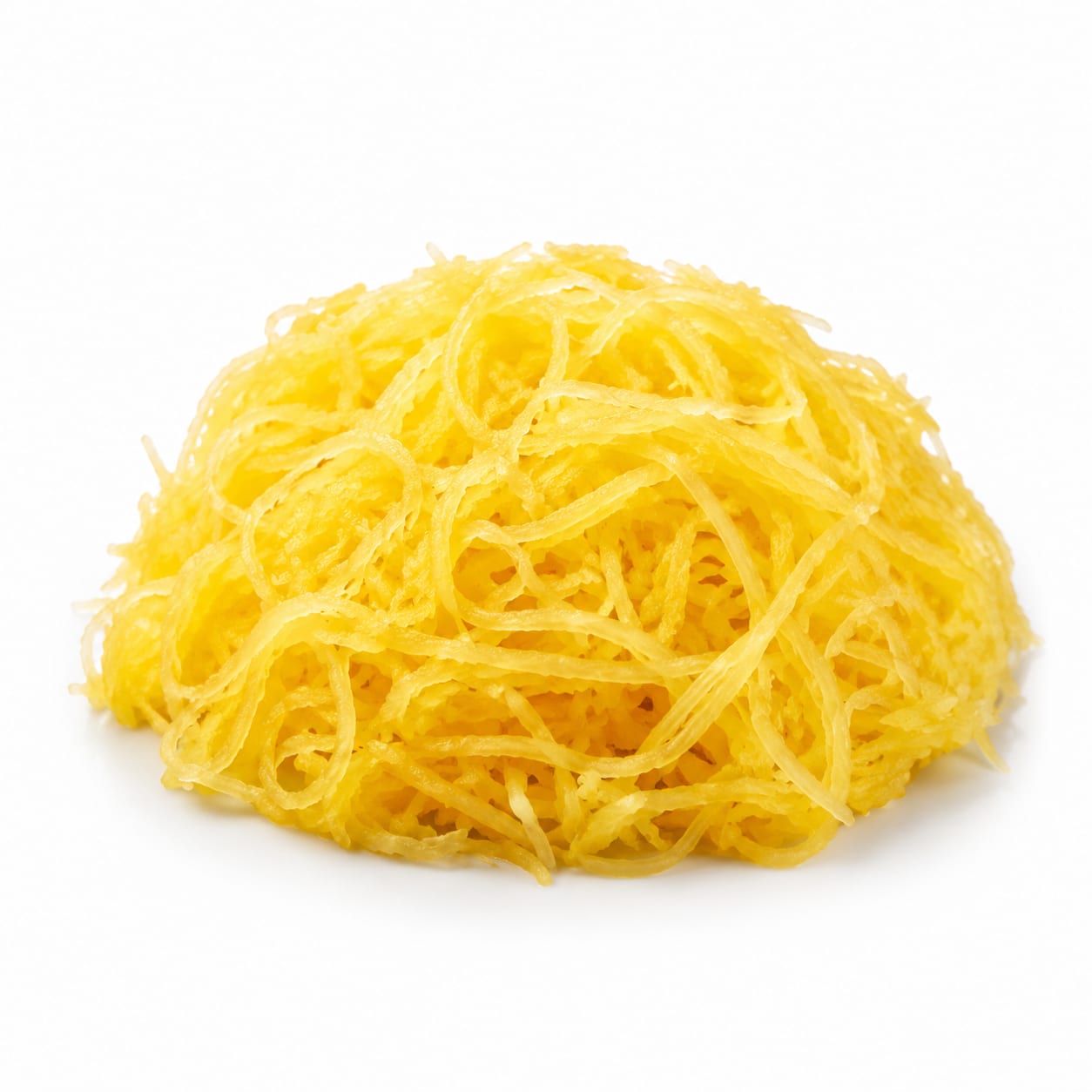
Spaghetti Squash
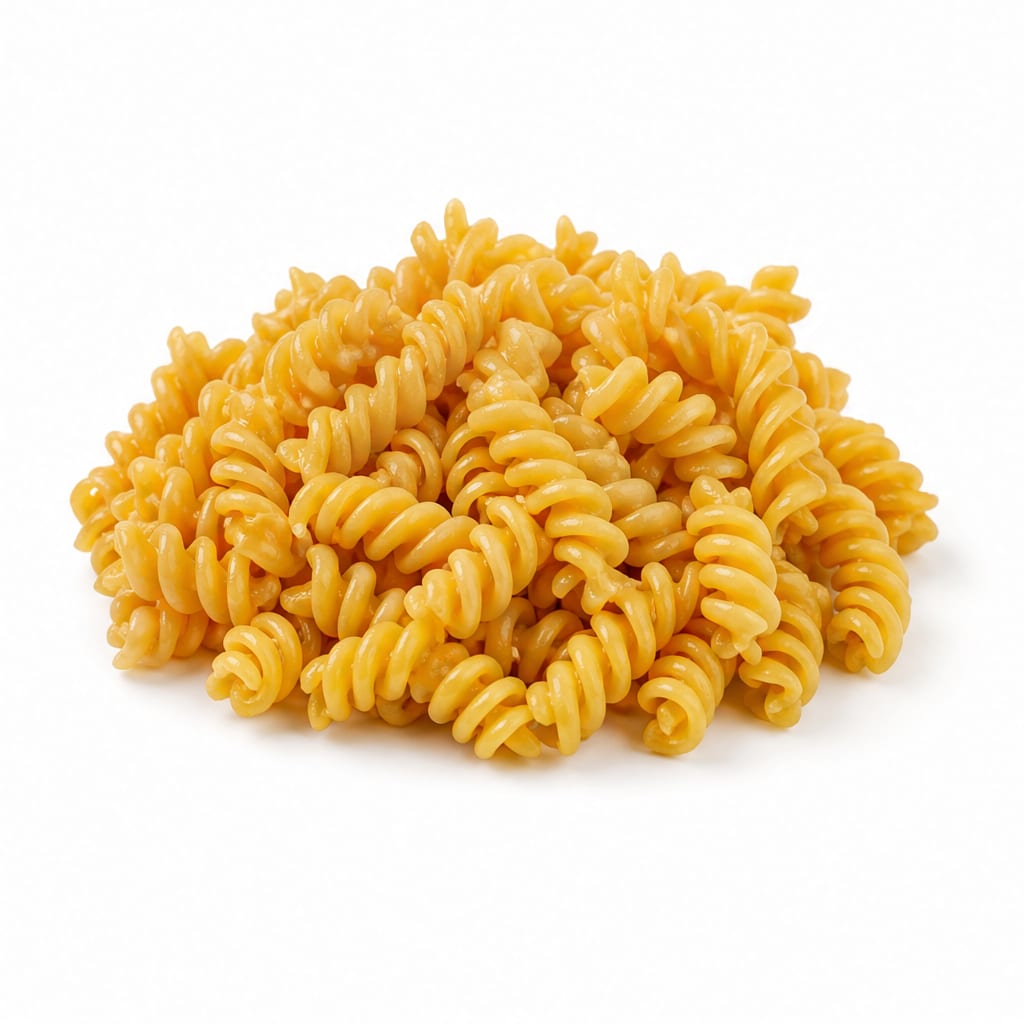
Chickpea Pasta
Spaghetti Squash wins for low-calorie volume eating and minimal processing. Chickpea Pasta wins for protein, satiety, and feeling like a real pasta meal.
Chickpea Pasta scores higher overall because it delivers protein and satiety that most people need from a main dish. Spaghetti Squash excels in specific contexts like calorie restriction and clean eating but falls short as a standalone meal due to minimal protein and calories.
Calorie-saving whole food versus protein-packed convenience. You sacrifice either fullness or simplicity.
At a glance
Executive summary
Overall
It depends
Healthier
It depends
More practical
Chickpea Pasta
Daily use
Chickpea Pasta
Key comparison lenses
low carb pasta alternative
Both foods are popular substitutes for traditional wheat pasta, but they serve very different dietary goals
protein satiety comparison
Chickpea Pasta delivers dramatically more protein, which changes fullness and meal satisfaction significantly
calorie density for weight management
Spaghetti Squash is extremely low in calories while Chickpea Pasta is calorie-dense, making this a key decision factor
blood sugar impact
Users comparing these foods often care about glycemic response and carb counting
processing naturalness
Spaghetti Squash is a whole vegetable while Chickpea Pasta is a manufactured product, raising processing concerns for some users
Best choice for
Spaghetti Squash
- Low-carb and keto dieters
- People cutting calories who want large portions
- Anyone avoiding processed foods
- Those seeking a light, vegetable-forward meal
Chickpea Pasta
- Vegetarians and vegans needing protein
- Athletes and active people
- Anyone wanting a satisfying pasta experience without wheat
- People who find vegetable substitutes unsatisfying
Least suitable for
Spaghetti Squash
- People needing high protein intake
- Athletes recovering from intense training
- Anyone who finds vegetable pasta substitutes frustrating or unsatisfying
Chickpea Pasta
- Strict low-carb dieters
- People with legume sensitivities or allergies
- Anyone minimizing processed foods
Deep comparison
Dimension by dimension
Each lens scores both foods and breaks down who each option suits.
- Dimension 1 · Priority 95Spaghetti Squash
Calorie Density and Volume Eating
Spaghetti Squash · 95Chickpea Pasta · 40Spaghetti Squash offers massive portion sizes for almost no calories. Chickpea Pasta is calorie-dense per serving.
Tradeoff
You can eat three cups of Spaghetti Squash for under 100 calories. The same volume of Chickpea Pasta would exceed 500 calories.
Why it matters
For anyone who feels satisfied by volume rather than macronutrients, Spaghetti Squash is a game-changer for weight management.
Real-world impact
A heaping plate of Spaghetti Squash with marinara feels indulgent without the calorie cost. Chickpea Pasta portions need to be measured more carefully.
Spaghetti Squash
- Large-portion eaters
- Calorie counters
- Evening meals when you want to feel full without heaviness
Better for
- Anyone needing energy density for performance or recovery
Worse for
Chickpea Pasta
- People who struggle with small portions feeling punishing
- Those needing calorie density for weight gain or maintenance
Better for
- Mindless eaters who easily overshoot calories
Worse for
- Dimension 2 · Priority 92Chickpea Pasta
Protein and Satiety
Spaghetti Squash · 10Chickpea Pasta · 88Chickpea Pasta delivers roughly 14 grams of protein per serving. Spaghetti Squash has less than 1 gram.
Tradeoff
A bowl of Spaghetti Squash alone will not keep you full. Chickpea Pasta can legitimately serve as a protein source in a meal.
Why it matters
Protein is the single biggest driver of fullness. Without it, you will likely snack within an hour or two.
Real-world impact
Lunch with Chickpea Pasta can carry you to dinner. Lunch with Spaghetti Squash needs added protein like grilled chicken or tofu to avoid an afternoon crash.
Spaghetti Squash
- Meals where protein comes from other components like meat sauce
Better for
- Anyone eating it as a solo dish without added protein
Worse for
Chickpea Pasta
- Stand-alone meals needing built-in protein
- Post-workout recovery
- Plant-based eaters relying on legume protein
Better for
- People already hitting high protein targets from other sources
Worse for
- Dimension 3 · Priority 85Spaghetti Squash
Blood Sugar Stability
Spaghetti Squash · 88Chickpea Pasta · 65Spaghetti Squash has minimal carbs and almost no glycemic impact. Chickpea Pasta has moderate carbs with decent fiber that blunts the spike.
Tradeoff
Spaghetti Squash is essentially free of blood sugar concerns. Chickpea Pasta is better than regular pasta but still raises glucose meaningfully.
Why it matters
For diabetics and carb-sensitive individuals, this difference determines whether you feel steady or sluggish after eating.
Real-world impact
Spaghetti Squash will not cause an afternoon energy dip. Chickpea Pasta may cause a mild crash if eaten in large portions without fat or protein pairing.
Spaghetti Squash
- Diabetics and pre-diabetics
- Keto and very low-carb dieters
- People sensitive to blood sugar swings
Better for
- Athletes who need carbohydrate fuel
Worse for
Chickpea Pasta
- Active people who need carbs for energy
- Those who find very low-carb meals unsatisfying
Better for
- Anyone strictly monitoring blood glucose
Worse for
- Dimension 4 · Priority 78Spaghetti Squash
Processing and Ingredient Simplicity
Spaghetti Squash · 98Chickpea Pasta · 55Spaghetti Squash is a whole vegetable with one ingredient. Chickpea Pasta is a processed product made from chickpea flour and sometimes added starches or oils.
Tradeoff
You trade ingredient purity for convenience and protein. Some Chickpea Pasta brands are cleaner than others.
Why it matters
Minimizing ultra-processed foods is linked to better long-term health outcomes. But not all processing is equal.
Real-world impact
Spaghetti Squash has no label to read. Chickpea Pasta requires checking the ingredient list for additives, gums, or hidden starches.
Spaghetti Squash
- Clean-eating advocates
- People with multiple food sensitivities
- Anyone avoiding additives
Better for
- No real downside here unless you consider preparation effort
Worse for
Chickpea Pasta
- People who prioritize nutrient content over processing level
- Those who find whole-food pasta substitutes impractical
Better for
- Anyone strictly avoiding processed foods
Worse for
- Dimension 5 · Priority 75Chickpea Pasta
Convenience and Practicality
Spaghetti Squash · 40Chickpea Pasta · 85Chickpea Pasta cooks in minutes like regular pasta. Spaghetti Squash requires roasting for 30-45 minutes or microwaving and scraping.
Tradeoff
Spaghetti Squash demands planning and effort. Chickpea Pasta works for busy weeknights with almost no thought.
Why it matters
The best healthy food is the one you actually make. Complexity kills consistency.
Real-world impact
On a Tuesday after work, Chickpea Pasta is ready in 10 minutes. Spaghetti Squash requires either meal prep or patience.
Spaghetti Squash
- Weekend cooking or meal prep sessions
- People who enjoy cooking as a process
Better for
- Last-minute meals
- People who dislike prep work
Worse for
Chickpea Pasta
- Busy professionals
- Weeknight dinners
- Anyone who needs dinner ready fast
Better for
- Situations where pantry-stable food is not available
Worse for
- Dimension 6 · Priority 72Chickpea Pasta
Fiber Content and Digestive Health
Spaghetti Squash · 35Chickpea Pasta · 82Chickpea Pasta provides roughly 8 grams of fiber per serving. Spaghetti Squash offers about 1.5 grams per cup.
Tradeoff
Chickpea Pasta is a genuine fiber contributor. Spaghetti Squash fiber is negligible unless you eat a very large volume.
Why it matters
Fiber supports digestion, gut bacteria, and cholesterol management. Most people fall short of daily targets.
Real-world impact
A serving of Chickpea Pasta covers roughly 30% of daily fiber needs. Spaghetti Squash would require multiple cups to approach the same benefit.
Spaghetti Squash
- People already getting plenty of fiber from other sources
Better for
- People relying on this dish as a significant fiber source
Worse for
Chickpea Pasta
- Anyone struggling to hit fiber goals
- People wanting gut health benefits
- Those managing cholesterol through diet
Better for
- Individuals with IBS or legume sensitivity who may experience bloating
Worse for
- Dimension 7 · Priority 70Chickpea Pasta
Taste and Meal Satisfaction
Spaghetti Squash · 45Chickpea Pasta · 78Chickpea Pasta has a texture and bite much closer to real pasta. Spaghetti Squash is watery and delicate, which some people find underwhelming.
Tradeoff
Spaghetti Squash absorbs sauces well but never truly mimics pasta. Chickpea Pasta satisfies the actual pasta craving.
Why it matters
Food satisfaction determines whether a dietary change sticks. A substitute that feels like a compromise often gets abandoned.
Real-world impact
Kids and picky eaters are more likely to accept Chickpea Pasta. Spaghetti Squash works best when you stop expecting it to be pasta and treat it as its own vegetable dish.
Spaghetti Squash
- People who enjoy vegetables for what they are
- Light summer meals with fresh sauces
Better for
- Anyone craving the chew and bite of real pasta
Worse for
Chickpea Pasta
- Families transitioning away from wheat pasta
- Pasta lovers who want a convincing alternative
- Comfort food meals
Better for
- People who dislike the slight bean flavor some brands retain
Worse for
Timeline
Health impact over time
Short-term
Hours to days
Spaghetti Squash
- Very light feeling after eating, minimal food coma risk
- Unlikely to cause bloating or digestive discomfort
- May leave you hungry within 1-2 hours if eaten without protein
Chickpea Pasta
- Noticeable fullness lasting 3-4 hours due to protein and fiber
- Possible mild bloating or gas in people sensitive to legumes
- Slight energy dip possible if eaten in large portions alone
Long-term
Months to years
Spaghetti Squash
- Supports weight maintenance through effortless calorie control
- Low risk of metabolic or blood sugar issues
- Requires intentional protein planning to avoid muscle loss or inadequate intake
Chickpea Pasta
- Supports muscle maintenance and satiety-driven weight management
- Fiber intake benefits gut health and cholesterol over time
- Risk of over-relying on a processed product instead of whole foods if eaten daily
Risk profile
Safety & processing
Spaghetti Squash is a whole food with zero additives. Chickpea Pasta varies by brand but typically contains chickpea flour, tapioca starch, and sometimes xanthan gum. While not ultra-processed, it is a manufactured product. Read labels carefully, as some brands add more fillers than others.
Spaghetti Squash
Pesticide residue on conventional squash
lowSquash is generally not a high-pesticide crop, but washing or choosing organic reduces any concern.
Spoilage if stored too long
lowSpaghetti Squash keeps for weeks in a cool place but can develop mold if damaged or stored in humidity.
Chickpea Pasta
Legume allergen exposure
mediumChickpea allergies exist and can be serious. Cross-contamination in manufacturing facilities is possible for those with severe legume allergies.
Hidden additives in some brands
lowSome Chickpea Pasta brands include pea protein isolate, gums, or added starches that may not suit sensitive digestive systems.
Who wins for whom
Audience fit
Same foods, different winners depending on your goal.
children
Chickpea PastaKids are more likely to accept Chickpea Pasta because it looks and feels like regular pasta. Spaghetti Squash often gets rejected as a poor pasta imitation.
daily consumption
Chickpea PastaChickpea Pasta provides balanced macronutrients that support daily energy and satiety needs. Spaghetti Squash is best rotated with other foods to avoid protein shortfalls.
diabetes
Spaghetti SquashWith almost no digestible carbs, Spaghetti Squash has minimal glycemic impact. Chickpea Pasta is a reasonable choice but still raises blood sugar more significantly.
elderly
Chickpea PastaOlder adults need more protein to prevent muscle loss. Chickpea Pasta supports this while also providing fiber for digestive regularity.
muscle gain
Chickpea PastaChickpea Pasta provides 14 grams of protein per serving, which directly supports muscle repair and growth. Spaghetti Squash contributes negligible protein.
weight loss
Spaghetti SquashSpaghetti Squash allows massive portions for minimal calories, making it easier to sustain a calorie deficit without feeling deprived.
Your move
Decision guide
Choose Spaghetti Squash
- You are counting calories or carbs and want the most volume for the least cost
- You prioritize whole, unprocessed foods above all else
- You have diabetes or blood sugar concerns
- You are eating a meal that already includes a protein source like meat, fish, or tofu
- You enjoy cooking and do not mind the prep time
Choose Chickpea Pasta
- You need a satisfying main dish with built-in protein
- You are vegetarian, vegan, or trying to eat more plant-based protein
- You want something quick and easy on busy nights
- You find vegetable pasta substitutes unsatisfying and end up overeating later
- You are feeding a family that expects a real pasta experience
Either works if
- You are simply avoiding wheat or gluten
- You want a pasta alternative and are flexible on the approach
- You are building a bowl with other ingredients that fill nutritional gaps
Avoid both if
- You have a nightshade sensitivity and react to squash
- You have a severe legume allergy and cannot risk cross-contamination from Chickpea Pasta
- You need high-fat macronutrients and neither food provides meaningful dietary fat
Final recommendation
Use both strategically. Spaghetti Squash is your low-calorie, clean-eating ally for light meals and weight loss phases. Chickpea Pasta is your protein-forward, satisfying option for busy days and active lifestyles. The best choice depends on what the rest of your plate looks like and what your body needs right now.
Practical
Consumer tips
- 1
Pair Spaghetti Squash with a protein-rich sauce like meat bolognese or lentil ragu to make it a complete meal
- 2
Check Chickpea Pasta ingredient lists and choose brands with the shortest, most recognizable ingredients
- 3
Roast Spaghetti Squash cut-side down at 400°F for 30-40 minutes for the best texture without sogginess
- 4
Do not overcook Chickpea Pasta as it can become mushy faster than wheat pasta
- 5
Meal-prep Spaghetti Squash on weekends so it is ready for quick use during the week
- 6
If transitioning from regular pasta, Chickpea Pasta is the easier first step before trying vegetable-based alternatives
- 7
Add olive oil and parmesan to Spaghetti Squash to increase satiety and flavor without many calories
- 8
Rinse Chickpea Pasta after cooking if you notice a strong bean flavor that bothers you