
Legume Sprout
Soybean Sprouts
Crunchy, protein-rich sprouted soybeans commonly used in Asian cooking.
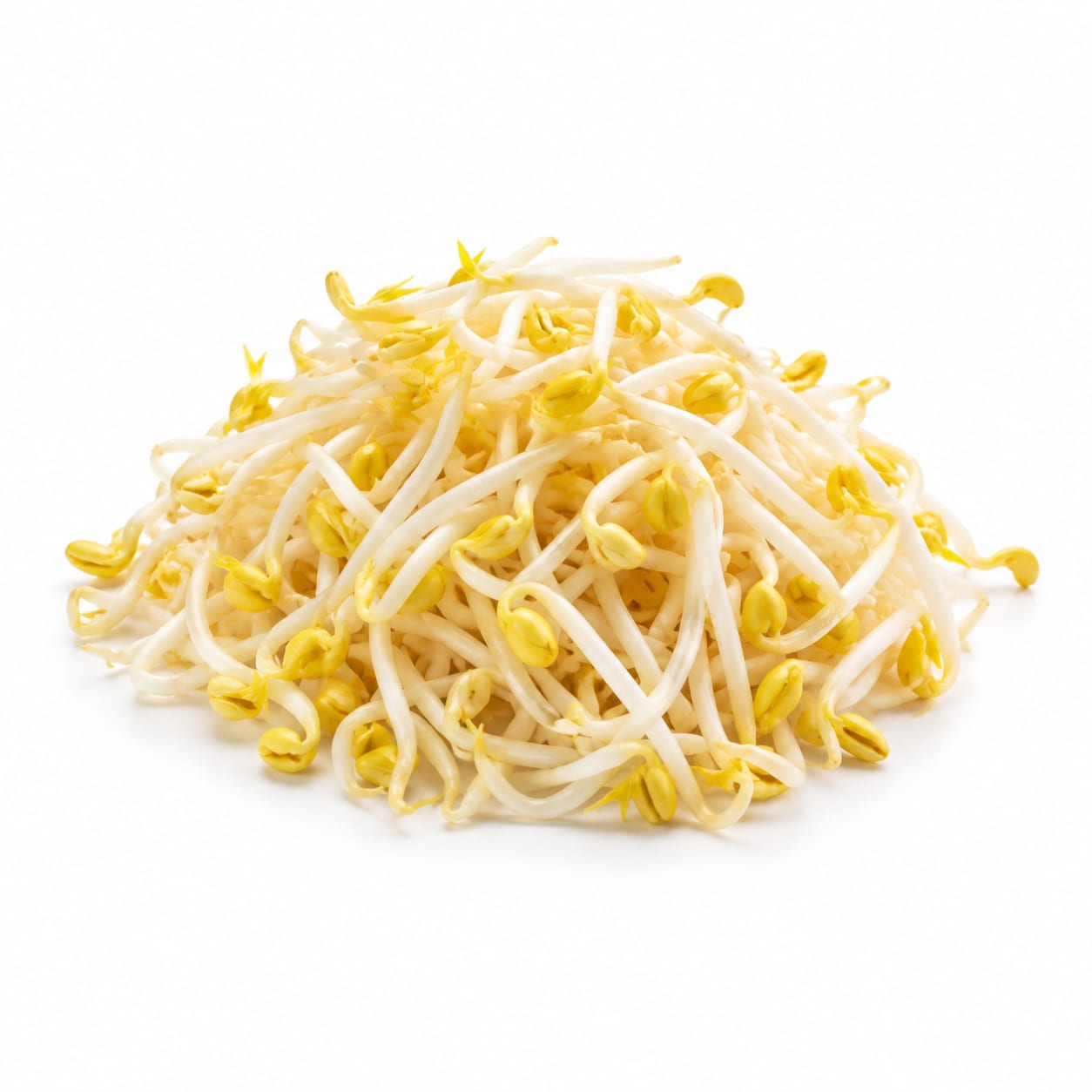
Soybean sprouts are the germinated sprouts of soybeans, featuring a large yellow cotyledon and a crunchy white stem. They are a staple in Asian cuisine, valued for their high protein content and crunchy texture compared to other sprouts.
protein-dense plant sprout
Typical serving · 100g
Common varieties · yellow soybean sprouts, black soybean sprouts, organic soybean sprouts
Overall context score across nutrition, safety, and diet fit
At a glance
Quick facts
Simple indicators based on nutrition, processing, and diet fit.
The story
What makes it unique
Germination of Glycine max reduces anti-nutritional factors like phytic acid and trypsin inhibitors, increasing the bioavailability of amino acids, iron, and B vitamins. Digestion speed is moderate due to the remaining fiber and protein structure. Satiety is high relative to other sprouts because of the dense macronutrient profile and high water and fiber content.
Varieties: yellow soybean sprouts · black soybean sprouts · organic soybean sprouts
Per 100g
Nutrition breakdown
Macro balance and key metrics at a glance.
Energy
Density 1.22 kcal/g
Protein
Carbs
Fat
Fiber
Sugar
0 g
Sodium
14 mg
Potassium
484 mg
Glycemic index
25
Glycemic load
2
Water content
70%
Standout compounds
Nutrient highlights
Protein
highSupports muscle repair, satiety, and metabolic function
Isoflavones
moderateProvides antioxidant activity and supports bone health
Folate
moderateEssential for cell division and DNA synthesis
Vitamin C
moderateSupports immune function and collagen synthesis
Potassium
moderateHelps regulate blood pressure and fluid balance
Wellness map
Health scores & processing
NOVA processing scale
Minimally processed · Whole food
Simply germinated whole soybeans with no added ingredients or artificial processing steps.
Diet compatibility
- Weight loss
- Muscle gain
- Diabetes
- Gut health
- Low carb
- High protein
- Heart health
Relative standing
Food rankings
Qualitative ranks compared to similar whole foods.
- Satietyexcellent
- Blood sugarexcellent
- Nutrient densitygood
- Fitness fuelgood
- Processing qualityexcellent
Eat with confidence
Food safety profile
Raw sprouts carry a high risk of bacterial contamination because the warm, humid conditions required for sprouting are also ideal for pathogen growth.
Evidence confidence 95%
- Pesticidesmoderate
- Antibioticslow
- Heavy metalslow
- Contaminationhigh
Watch for
- Salmonella
- E. coli
- Listeria
Safer choices
Cooked soybean sprouts, cooked mung bean sprouts
Prep tips
Wash thoroughly under running water and cook completely by boiling or stir-frying to eliminate harmful bacteria before consuming.
The FDA and CDC advise that children, elderly, pregnant women, and immunocompromised individuals avoid eating raw sprouts due to frequent bacterial outbreaks.
Deep dive
Health analysis
How this food may fit different goals and preparation choices.
Weight loss
Low energy density and high protein increase satiety, making it easier to manage caloric intake without feeling deprived.
Blood sugar
Low glycemic index and high protein content prevent rapid blood sugar spikes, supporting stable glucose levels.
Fitness & energy
Provides a robust plant-based protein source for muscle repair, though not a fast-digesting carb source for immediate pre-workout energy.
Gut health
Fiber supports digestion, and sprouting reduces phytic acid to improve mineral absorption, but they can cause bloating in sensitive individuals.
Processing quality
A whole food with minimal processing, retaining its natural nutrient profile and lacking additives.
Food safety
High microbial risk when consumed raw; cooking is essential to neutralize potential pathogens inherent to the sprouting process.
Common mistakes
Eating them raw in salads or lightly blanched, which significantly increases the risk of foodborne illness.
Best preparation
Boiling in soups or stir-frying thoroughly until completely cooked to ensure safety while maintaining protein and mineral content.
Practical guide
Best use cases
When and how this food fits real eating patterns.
Stir-fry protein boost
Adds substantial crunch and plant protein to vegetable and noodle stir-fries.
Low-glycemic side dish
Sautéed or boiled as a side to moderate the glycemic impact of a carbohydrate-heavy meal.
Post-workout plant meal
Provides essential amino acids for muscle repair in whole-food plant-based diets.
Satiating soup addition
Bulk up soups and stews with high-volume, high-protein ingredients that promote fullness.
Balance sheet
Pros & cons
Upsides
- Very high protein content for a vegetable or sprout
- Low glycemic index supports stable blood sugar
- Sprouting reduces anti-nutrients like phytic acid
- Rich in isoflavones for antioxidant benefits
- Versatile and adds significant texture to cooked dishes
Trade-offs
- High risk of bacterial contamination if consumed raw
- Contains moderate calories compared to watery vegetables
- Can cause gas or bloating in sensitive individuals
- Not suitable for strict ketogenic diets in large portions
Fit check
Who is it for?
Great match
- plant-based diets
- blood sugar management
- weight loss diets
- post-workout recovery meals
Consider alternatives
- strict ketogenic diets
- immunocompromised individuals
- people with severe soy allergies
Side by side
How it compares
Open the full head-to-head analysis for nutrition, safety, and practical tradeoffs.
This food
Soybean Sprouts
VS90% alike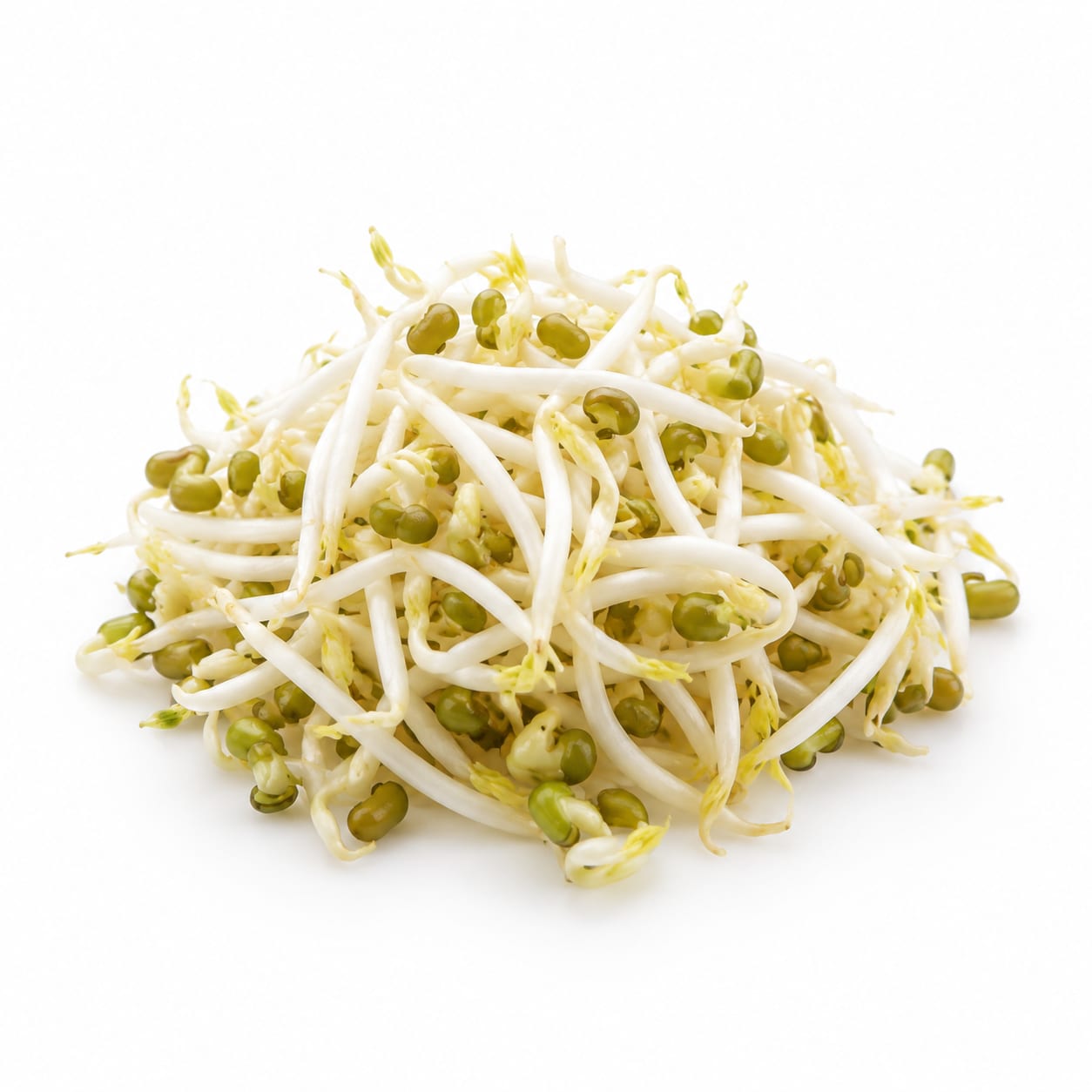
Compare with
Mung Bean Sprouts
Soybean sprouts have significantly more protein and fat, while mung bean sprouts are lower in calories and more watery.
Soybean sprouts offer more protein and satiety, while mung bean sprouts are lower in calories and better for high-volume eating.
This food
Soybean Sprouts
VS85% alike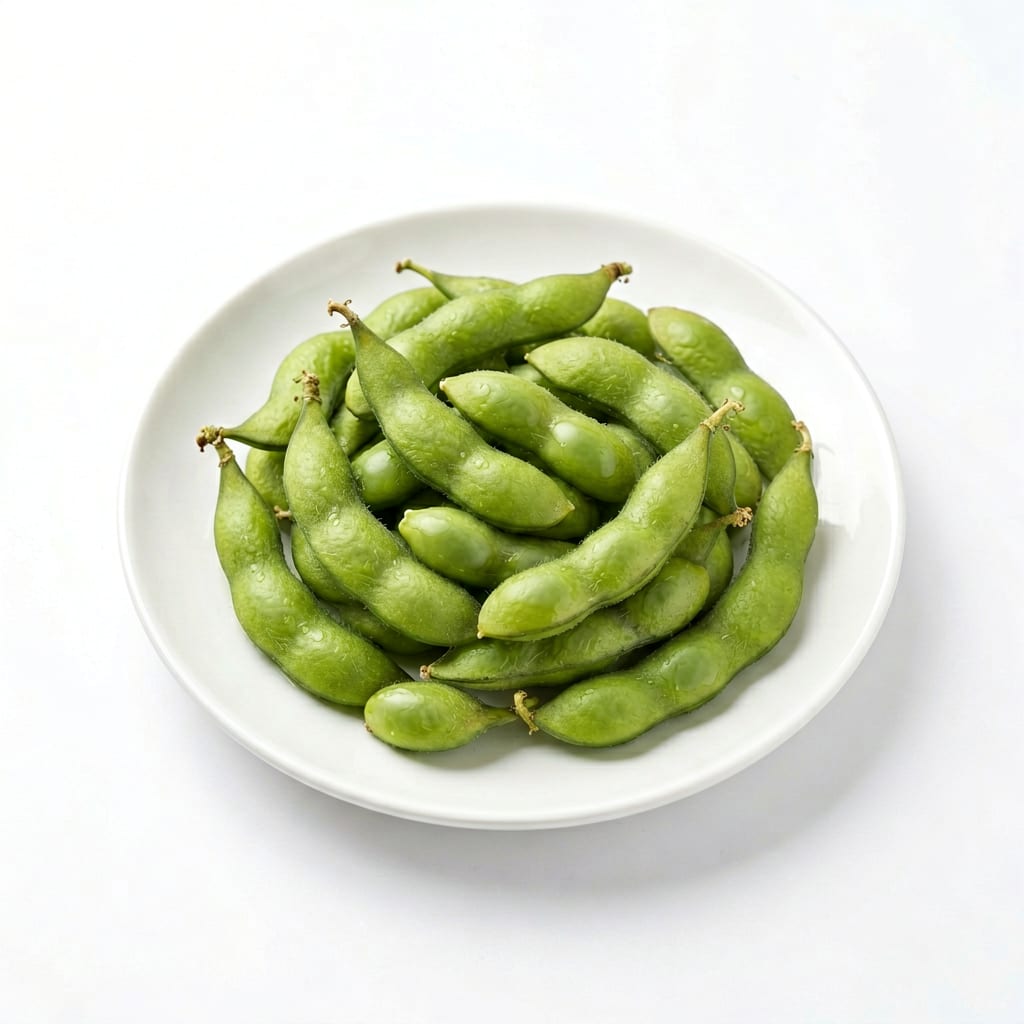
Compare with
Edamame
Edamame is higher in protein and fat, while sprouts are lower in calories and have a different texture.
Edamame provides more protein and healthy fats, while soybean sprouts are lower in calories and carbs.
This food
Soybean Sprouts
VS75% alike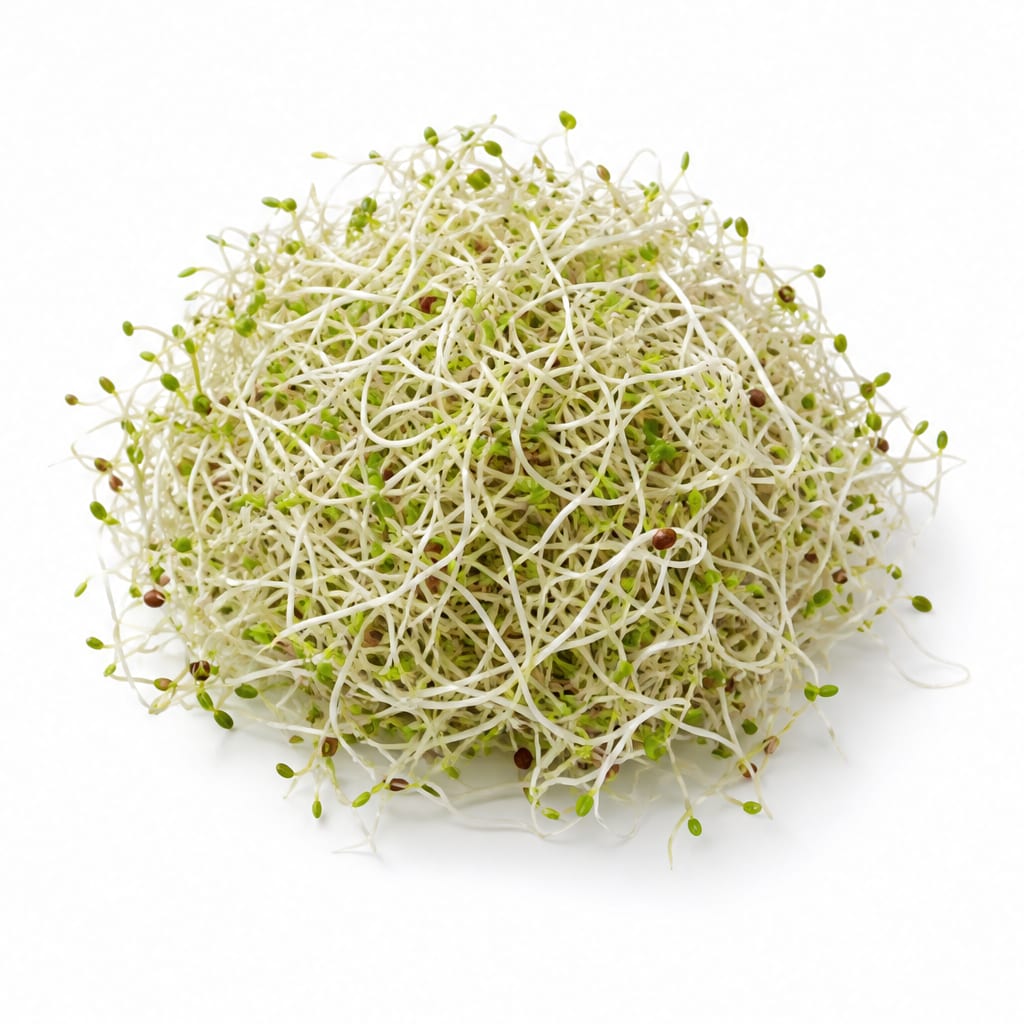
Compare with
Alfalfa Sprouts
Soybean sprouts are much higher in protein and macronutrients, while alfalfa is mostly water and micronutrients.
Soybean sprouts are a substantial protein source, whereas alfalfa sprouts are extremely low in calories and mostly fiber and water.
This food
Soybean Sprouts
VS70% alike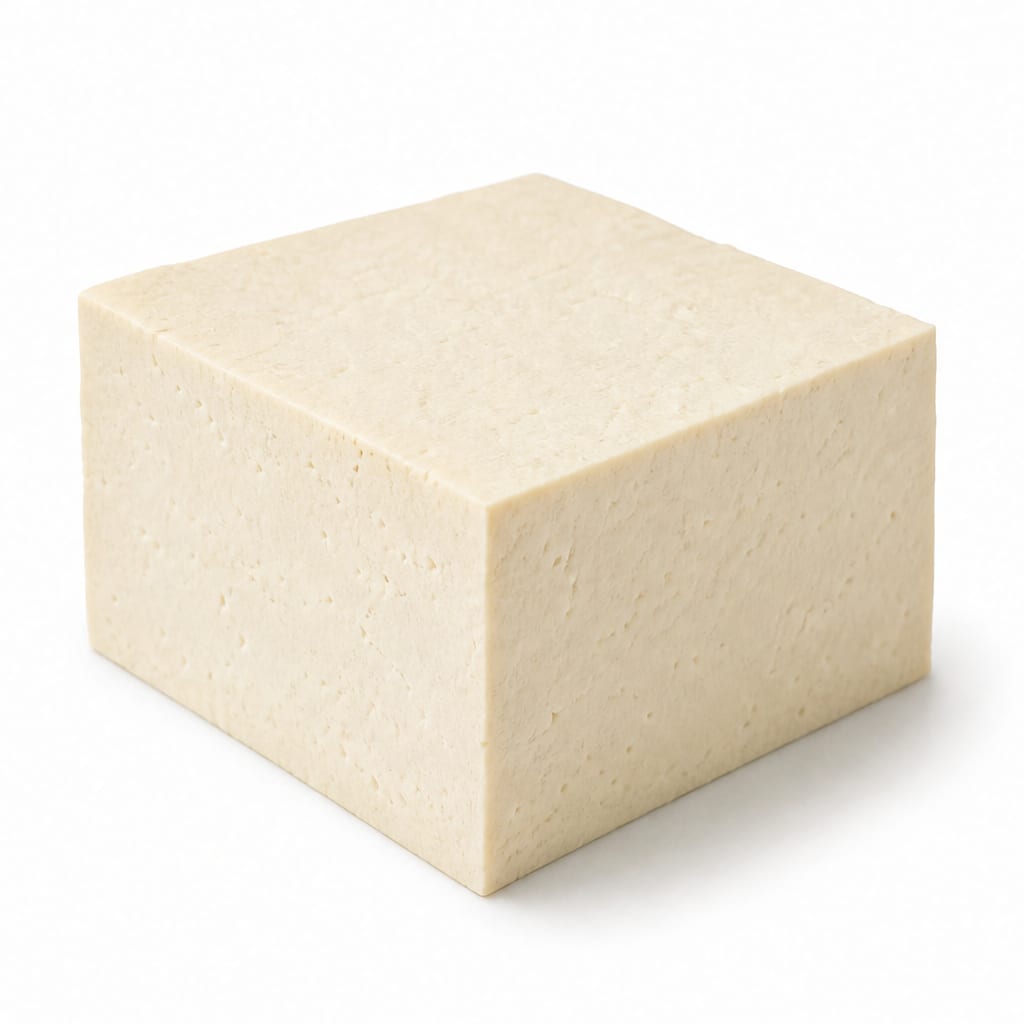
Compare with
Tofu
Tofu is a processed, high-fat, high-protein food, while sprouts are a whole, lower-calorie food.
Tofu offers denser protein and fats, while soybean sprouts provide a lower-calorie, crunchier whole-food alternative.
This food
Soybean Sprouts
VS80% alike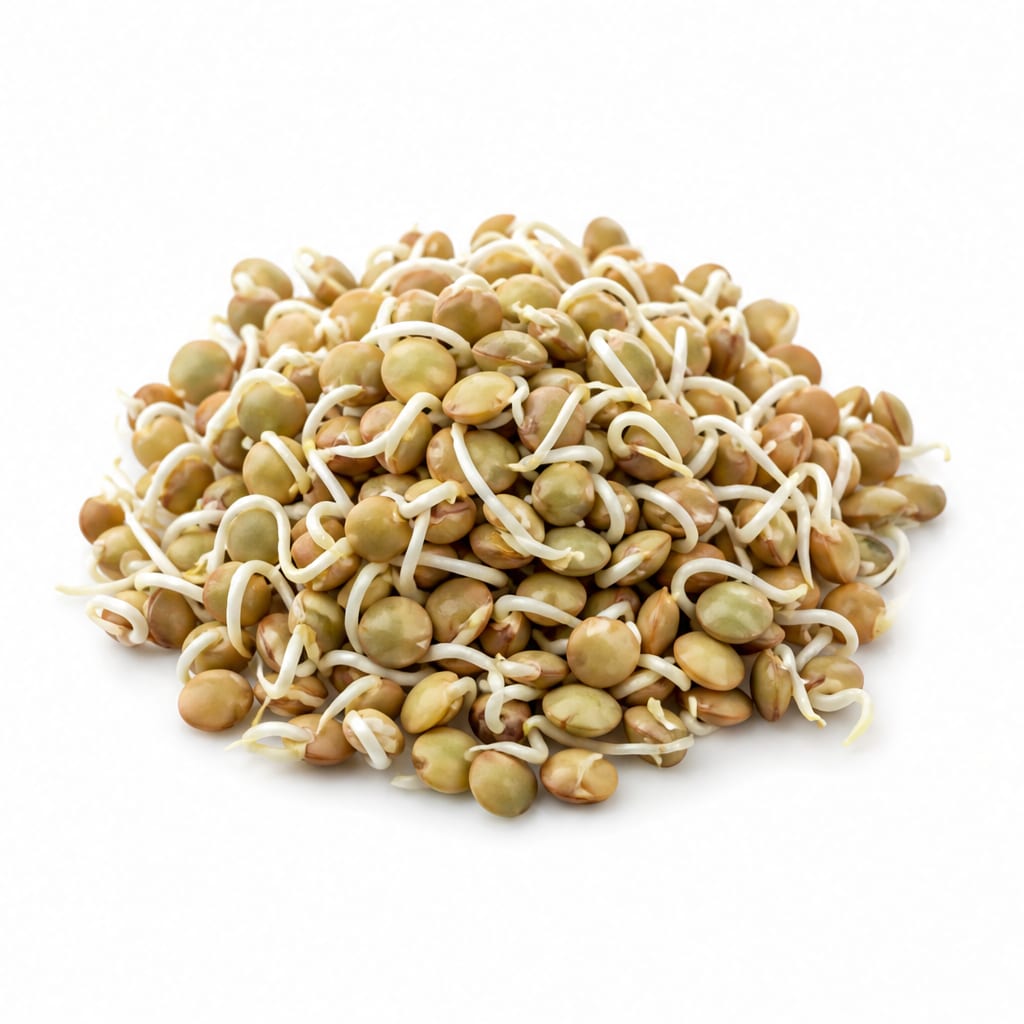
Compare with
Lentil Sprouts
Both are high-protein sprouts, but soybean sprouts have more fat and isoflavones.
Soybean sprouts contain more fat and isoflavones, while lentil sprouts are slightly lower in calories and higher in certain fibers.
This food
Soybean Sprouts
VS65% alike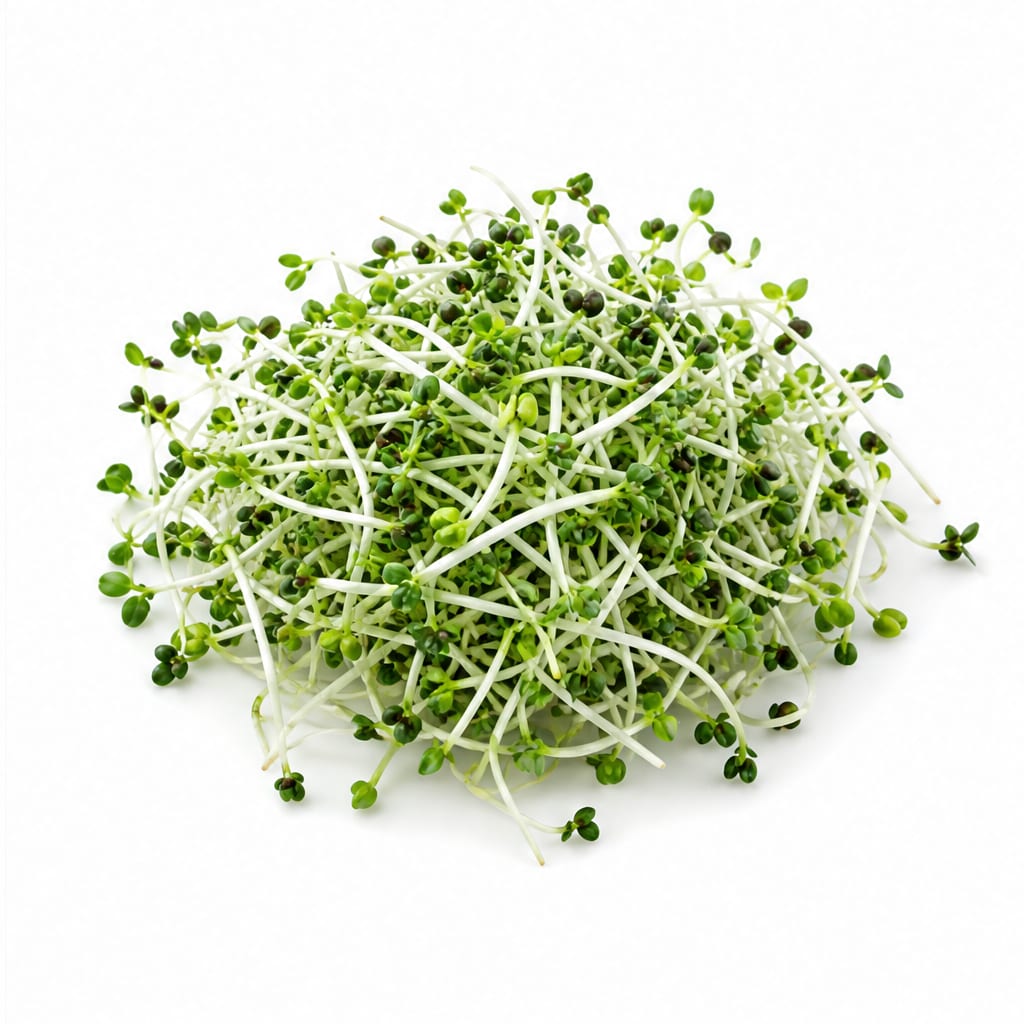
Compare with
Broccoli Sprouts
Broccoli sprouts are prized for sulforaphane, while soybean sprouts are eaten for protein and bulk.
Broccoli sprouts are superior for antioxidants like sulforaphane, while soybean sprouts are much higher in protein and satiety.
This food
Soybean Sprouts
VS60% alike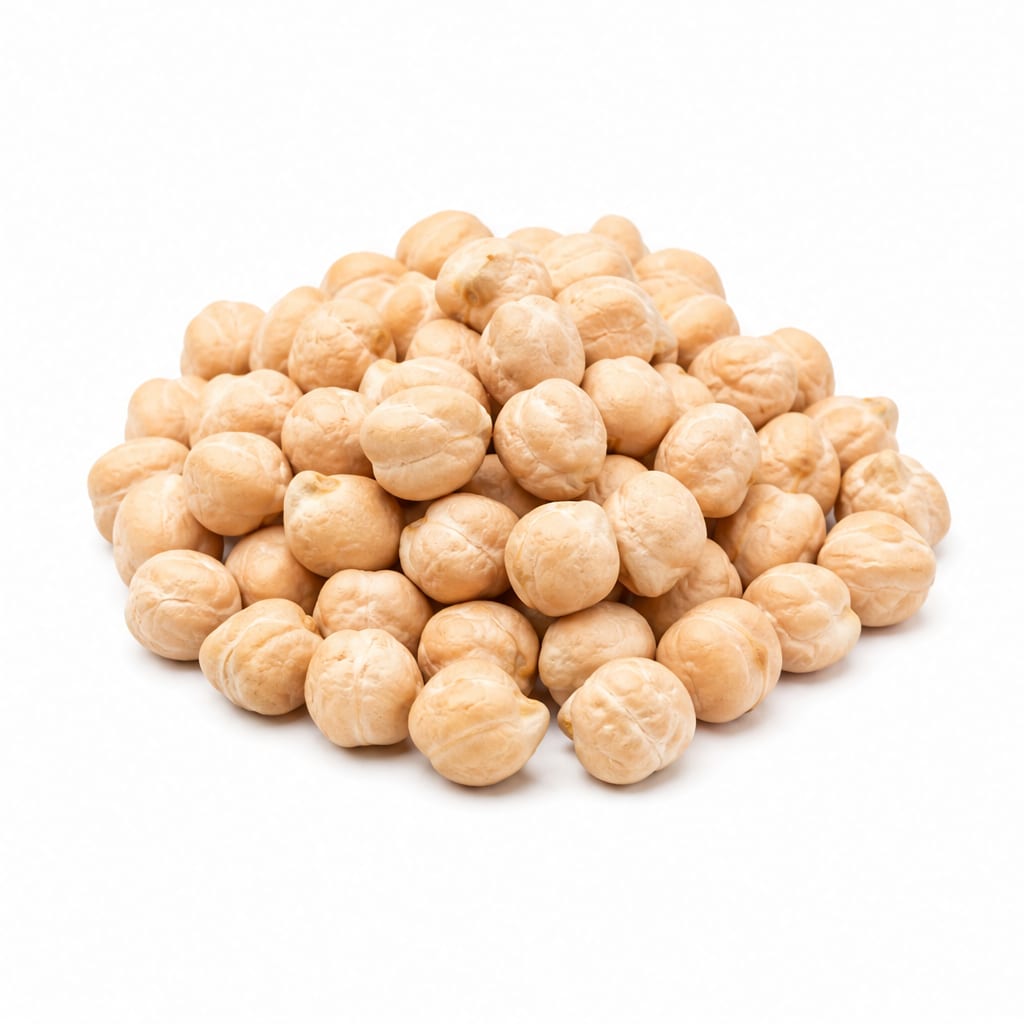
Compare with
Chickpeas
Chickpeas are denser in carbs and calories, while sprouts are lighter and lower glycemic.
Chickpeas provide more dense carbs and protein for fuel, while soybean sprouts offer a lighter, lower-calorie profile.
This food
Soybean Sprouts
VS50% alike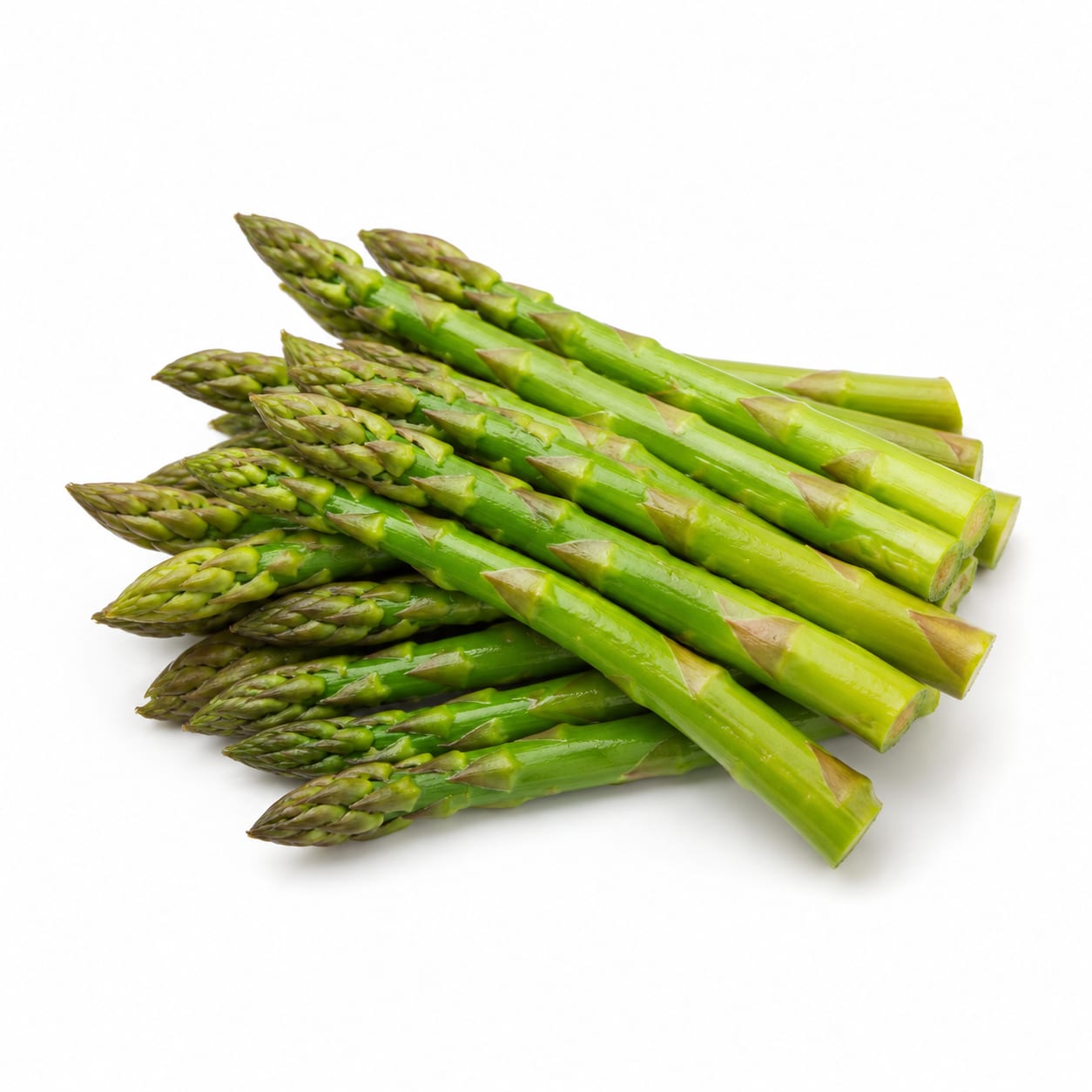
Compare with
Asparagus
Asparagus is lower in protein and calories, acting as a traditional vegetable rather than a protein source.
Soybean sprouts deliver significantly more protein than asparagus, though asparagus is lower in calories and richer in folate.
This food
Soybean Sprouts
VS65% alike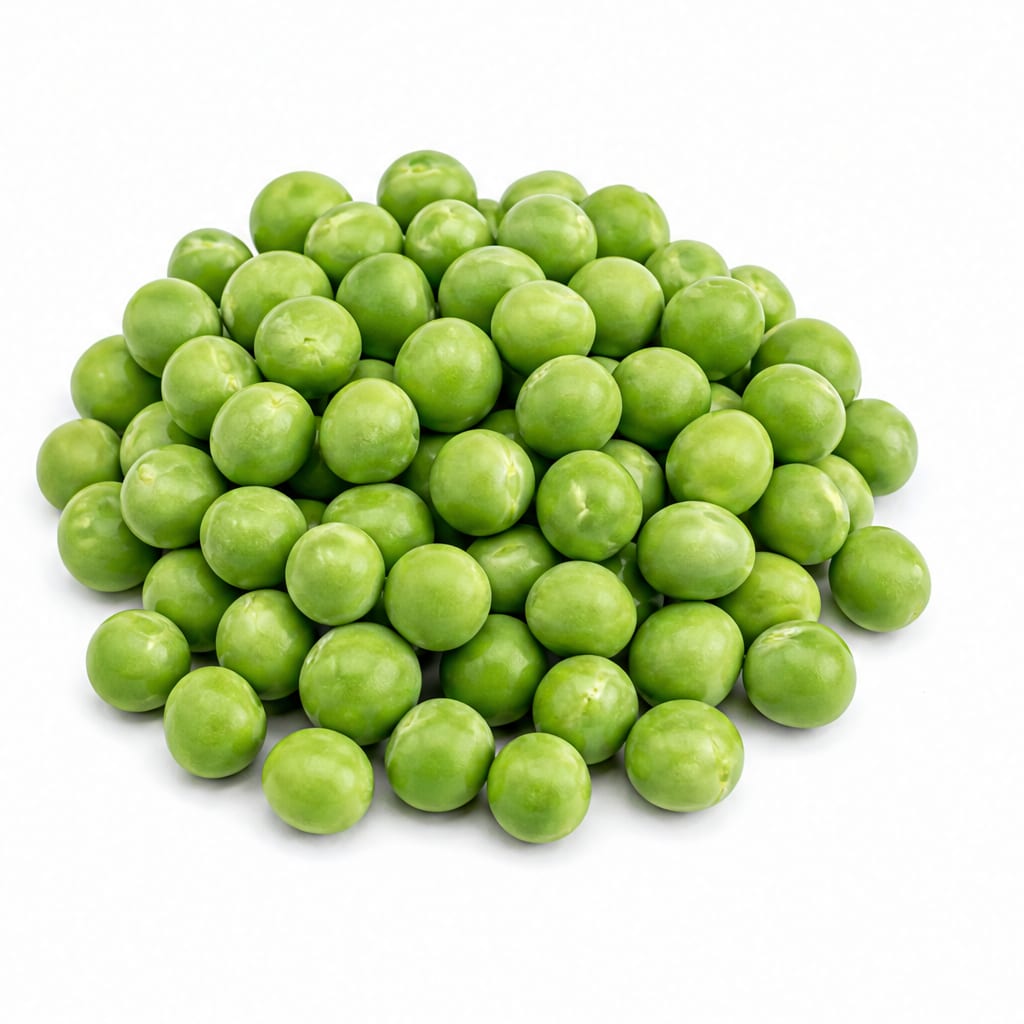
Compare with
Green Peas
Green peas are sweeter and higher in carbs, while soybean sprouts are lower carb and higher in fat.
Soybean sprouts are lower in sugar and carbohydrates than green peas, offering a better profile for blood sugar control.
This food
Soybean Sprouts
VS55% alike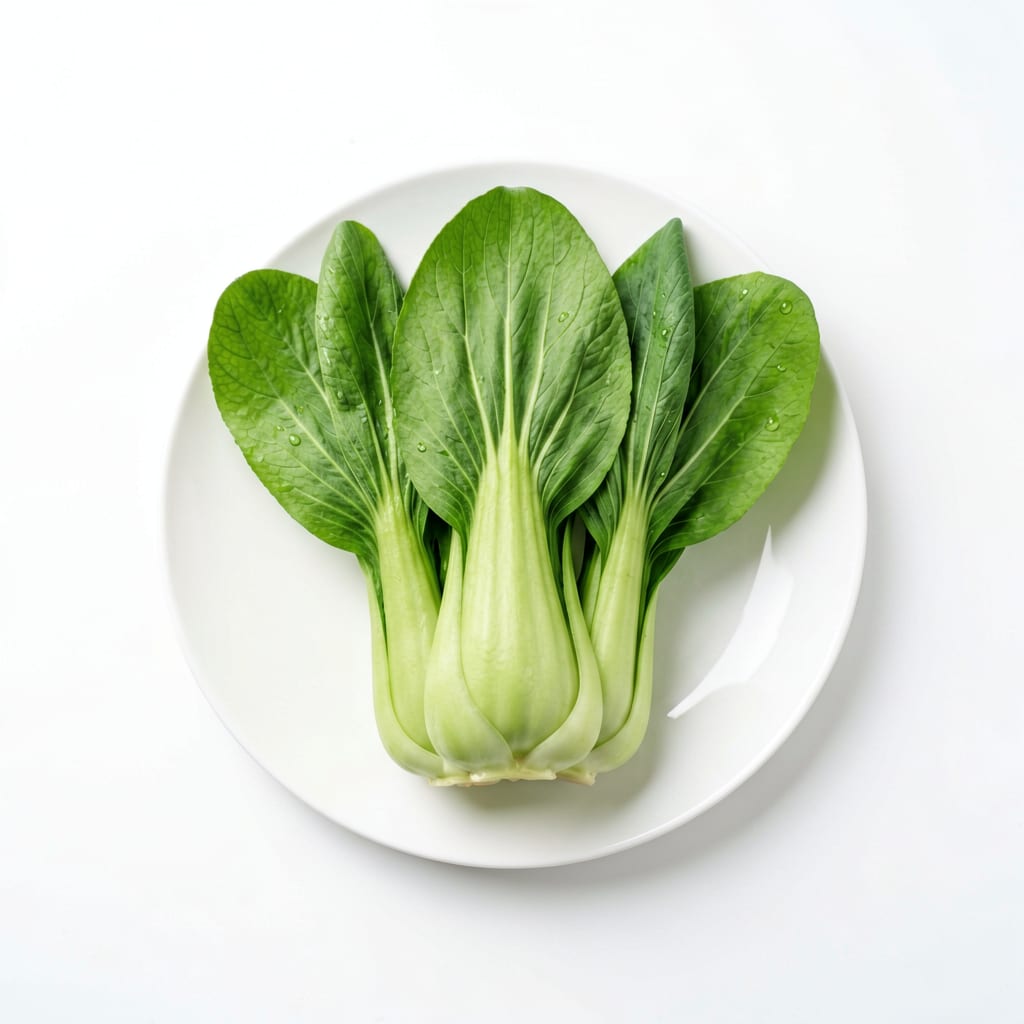
Compare with
Bok Choy
Bok choy is very low calorie and high in water, while soybean sprouts provide macronutrient density.
Bok choy is ideal for extremely low-calorie eating, while soybean sprouts add significant protein and texture to meals.
Common questions
FAQ
Answers aligned with how people search for this food.
Are soybean sprouts good for weight loss?
Yes, soybean sprouts are excellent for weight loss. They provide high protein and fiber which increase satiety, while having a relatively low energy density to keep calories in check.
Can you eat soybean sprouts raw?
It is strongly advised to avoid eating raw soybean sprouts. The warm, humid conditions needed for sprouting promote the growth of bacteria like Salmonella and E. coli. Always cook them thoroughly.
How much protein is in soybean sprouts?
Soybean sprouts contain about 13 grams of protein per 100 grams, making them one of the most protein-dense sprout varieties available.
Do soybean sprouts affect estrogen levels?
Soybean sprouts contain isoflavones, which are phytoestrogens. Moderate consumption is generally safe and does not disrupt human estrogen levels, but those with specific hormone-sensitive conditions should consult a doctor.
Are soybean sprouts keto-friendly?
Soybean sprouts are moderately low in carbs but not strictly keto-friendly at large portions, as they contain about 9 grams of carbohydrates per 100 grams. They can be used in small amounts in keto meals.
How do you safely prepare soybean sprouts?
Wash them thoroughly under running water, then cook them completely by boiling, stir-frying, or steaming to ensure any harmful bacteria are destroyed.
What is the difference between mung bean and soybean sprouts?
Soybean sprouts have a larger yellow head, thicker crunchier stem, and significantly more protein and fat. Mung bean sprouts are thinner, lighter, and lower in calories.
Can diabetics eat soybean sprouts?
Yes, soybean sprouts have a very low glycemic index and load. Their high protein and fiber content help stabilize blood sugar levels, making them a great choice for diabetics.
Transparency
Data confidence
Estimated confidence for nutrition data, interpretation, safety notes, and comparisons.
Nutrition data
Health analysis
Food safety
Comparisons